What Are Radon Detectors: A Plain-Language Guide
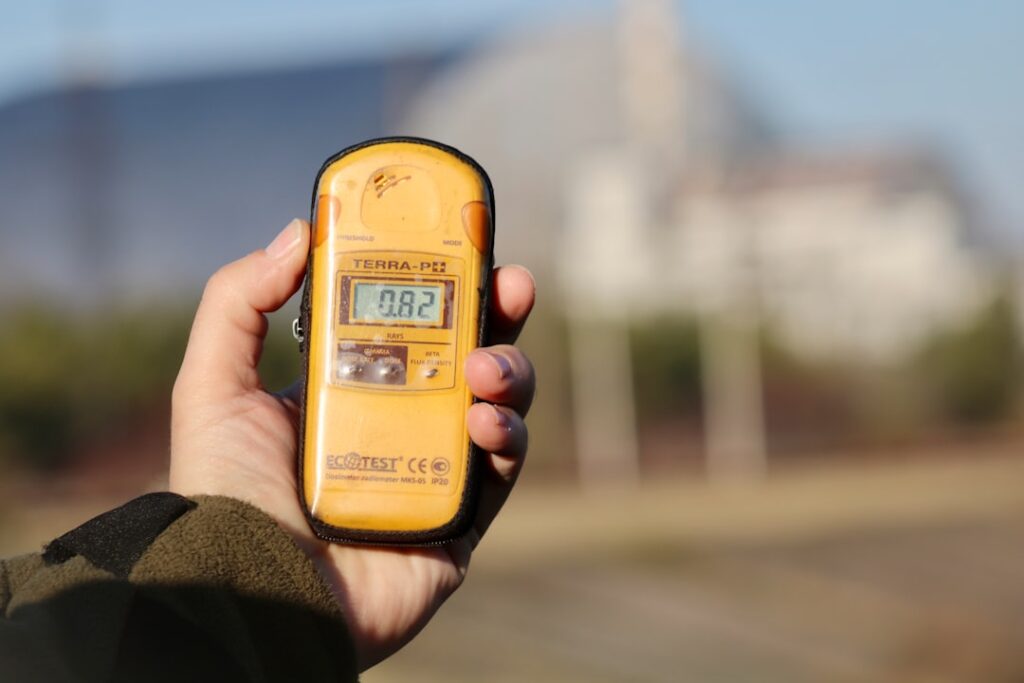
What are radon detectors at the device level? They are instruments designed to measure indoor radon gas concentration over a defined sampling period, with the result expressed in picocuries per liter (pCi/L). Four main device categories cover the market: passive charcoal canisters for short-term sampling, alpha-track detectors for long-term integrated measurement, continuous radon monitors (CRMs) for hourly real-time data, and electret ion chambers for short-term real-time use. Each category answers a different question and carries a different cost. This guide explains how each detector works and when to use it. Content reflects EPA, CDPHE, and lung-health guidance current as of 2026 — engage a certified radon professional for transaction or mitigation decisions.
What Are Radon Detectors: The Four Main Categories
The four device categories cover the entire spectrum of homeowner and professional use. Charcoal canisters are the cheapest and simplest, used for 2-to-7-day passive sampling and lab analysis. Alpha-track detectors are the standard for long-term integrated measurement of 90 days or more, capturing the seasonal average. Continuous radon monitors are professional-grade devices that report hourly readings and are used by inspectors during real-estate transactions. Electret ion chambers measure real-time charge dissipation in a short-term window and bridge the gap between passive and continuous methods.
The choice depends on the question being asked. Short-term snapshot for a transaction: CRM. Long-term annual average for chronic exposure assessment: alpha-track. One-time inexpensive screening: charcoal canister. Real-time ongoing awareness: digital CRM at the consumer tier.
Charcoal Canister: Passive 2-to-7-Day Sampling
A charcoal canister is a small can or sachet containing activated charcoal that adsorbs radon gas during the sampling period. After 2 to 7 days of exposure in the lowest livable level of the home, the homeowner seals the canister and mails it to the EPA-recognized lab specified in the kit. The lab measures the gamma emissions from the captured radon decay products and calculates a concentration based on the exposure duration and conditions.
Cost runs $15 to $30 for the kit including lab fee. Turnaround is 5 to 10 business days after the lab receives the canister. The canister is single-use; long-term monitoring requires multiple canisters or a different device type.
Limitations matter. The 2-to-7-day window is too short to capture seasonal variation. Charcoal canisters are sensitive to temperature and humidity fluctuations during sampling. The result represents the average concentration during the exposure window only; a low reading does not rule out higher levels at other times of year.
Alpha-Track Detector: Long-Term Integrated Measurement
An alpha-track detector uses a small plastic film inside a chamber. Alpha particles from radon decay strike the film and create microscopic etch tracks. After the exposure period — typically 90 days minimum and often 12 months — the detector goes to the lab, where the film is chemically etched and the track density is counted under microscopy. The track count converts to a time-integrated radon concentration.
Cost runs $25 to $50 per detector including lab fee. The alpha-track is the EPA-preferred device for long-term measurement because it averages out seasonal variation that affects short-term snapshots. Front Range homes in particular show strong seasonal patterns — radon typically reads higher in winter when houses are tightly closed and heating systems pull air from basements — and the 12-month alpha-track averages those patterns into a single representative number.
Continuous Radon Monitor: Hourly Real-Time Data
A continuous radon monitor (CRM) is the professional inspection workhorse. The device measures radon by ionization or alpha-particle counting at hourly intervals and stores the data internally. After the measurement period — typically 48 hours for a real-estate transaction — the data downloads to a computer for analysis. The report shows hourly readings, an overall average, the closed-house compliance assessment, and any anomalies during sampling.
Professional CRMs cost $700 to $1,500 to purchase, plus annual calibration costs of $100 to $300. Consumer-grade digital monitors (Airthings, Radonova, similar brands) cost $130 to $300 and provide hourly or daily real-time readings on a smartphone app. The consumer devices use simpler ionization-chamber chemistry and are less precise than calibrated professional CRMs but sufficient for homeowner awareness.
CRM advantages: hourly resolution detects entry-pathway spikes, real-time data supports troubleshooting of mitigation system performance, no lab turnaround required. CRM limitations: device cost is high, calibration drift requires annual service, batteries and electronics fail over time.
Electret Ion Chamber: Real-Time Short-Term
An electret ion chamber uses a positively charged electret disk inside a sealed chamber. Radon decay products produce negative ions in the chamber that neutralize charge on the electret. The voltage drop over the sampling period correlates with radon concentration. After 2 to 7 days, the inspector reads the electret with a hand-held meter and calculates the concentration.
Electret devices cost $100 to $200 per device plus the meter. Cost per measurement is lower than CRM rental because the electret can be re-used after a return to factory or in-field recharge. Some certified inspectors use electret chambers as a backup or cross-check against CRM readings on transaction inspections.
Choosing the Right Detector for the Question
Three scenarios cover most homeowner decisions.
Real-Estate Transaction: CRM
Buyers ordering a radon inspection during contract objection want a CRM result with formal documentation, chain-of-custody, and a certified inspector’s report. The 48-hour CRM is the standard of practice. See whats a radon inspection for the full transaction workflow.
General Indoor Air Quality Awareness: Charcoal Canister
Homeowners curious about their radon level but not in the middle of a transaction can use a $20 charcoal canister to get a first-pass reading. If the result is near or above 4 pCi/L, a longer-term test or professional inspection is the appropriate follow-up. If the result is well below 2 pCi/L, periodic re-testing every two years is the EPA recommendation.
Annual Average for Chronic Exposure Assessment: Alpha-Track
Homeowners who want a single representative number for chronic exposure planning should use a 12-month alpha-track detector. The annual average captures seasonal variation and is the most reliable input for long-term mitigation decisions.
Where to Place the Detector
EPA’s residential measurement protocol calls for placement in the lowest livable level of the home — the basement if used as living space, otherwise the first floor. The device should sit at least 20 inches above the floor, three feet from windows and exterior doors, and away from drafts, heat sources, and direct sunlight. The room should be one where occupants spend at least four hours per day during typical use.
Two detectors deployed in parallel give a cross-check on the result and protect against device failure. Single-detector measurements are acceptable for screening but real-estate inspections typically use either dual deployment or a verified CRM with internal cross-checking.
Front Range Considerations
Colorado’s Zone 1 designation means baseline radon risk is high throughout the state. CDPHE publishes county-level data showing that exceedance rates above 4 pCi/L run from 40 percent in some Front Range counties to over 70 percent in some mountain counties. Detector selection in this context is less about whether to test and more about how thoroughly to characterize the result.
Many Front Range homeowners maintain a consumer-grade digital CRM (Airthings or similar) for ongoing awareness even after a mitigation system is installed. The continuous data confirms the mitigation system is performing year-round and alerts the homeowner if levels drift upward over time.
What the Reading Actually Tells You
The reading is the radon concentration in the room where the detector sat during the sampling period. It tells you what was happening then and there. It does not tell you about other rooms, other floors, other times of year, or other weather patterns. A single low reading in summer does not rule out a high winter reading. A single high reading in a closed basement does not necessarily reflect what occupants are breathing on the upper floors.
The right interpretation combines the reading with the EPA action levels, the home’s structure, and the occupancy pattern. The what does a radon detector do guide walks through the interpretation framework.
Detector Maintenance and Calibration
Consumer digital CRMs require minimal maintenance beyond replacing batteries and avoiding placement near heat or moisture. Professional CRMs require annual calibration at the manufacturer’s service center, with calibration certificates retained for documentation. Alpha-track and charcoal canister detectors are single-use and require no maintenance.
Battery-powered consumer devices typically need annual battery replacement. Some models include a sensor-life warning that signals replacement after 7 to 10 years of operation. The broader radon testing in Colorado guide covers ongoing monitoring strategy.
Consumer Brands Worth Knowing
Three brands dominate the consumer digital radon monitor market. Airthings makes the Wave Plus and Corentium Home models, both featuring smartphone connectivity and historical trend graphing. The Wave Plus also tracks humidity, temperature, and volatile organic compounds. Radonova manufactures the Radon Eye and other models with similar feature sets and slightly different price points. Ecosense makes the RadonEye line with rapid response time. Each brand updates its product line periodically, and reviews from independent testing organizations help compare current models.
The consumer-grade devices are not interchangeable with calibrated professional CRMs for real-estate transactions, but for ongoing homeowner awareness they perform comparably. A homeowner with a confirmed mitigation system can use a consumer monitor to verify the system continues to perform without paying for a professional inspection each time.
How the Different Detectors Compare on Accuracy
EPA’s evaluation criteria for residential radon devices specify performance targets for both precision and accuracy. Charcoal canisters and alpha-track detectors meet the criteria when used correctly. Professional CRMs typically exceed the criteria substantially because of their hourly resolution and internal cross-checking. Consumer digital monitors meet the criteria within their stated tolerance ranges, which are typically ±20 percent at low radon levels and ±10 percent at higher levels.
The accuracy difference matters more for borderline results than for clearly high or clearly low readings. A consumer monitor reading 4.0 pCi/L could represent actual concentration between 3.2 and 4.8 pCi/L within the tolerance band. A reading of 12 pCi/L unambiguously indicates elevated levels regardless of which device type produced it. For final decisions near the action threshold, professional inspection with calibrated equipment is the right verification step.
References
- EPA find a radon test kit guidance — U.S. Environmental Protection Agency
- CDPHE radon program — Colorado Department of Public Health and Environment
- American Lung Association radon resources — American Lung Association
- CDC radon information page — Centers for Disease Control and Prevention
Front Range homeowners selecting a radon detector or considering professional inspection can reach out through our contact page for a connection to a certified radon professional.