How Much Is a Radon Detector? Cost Ranges
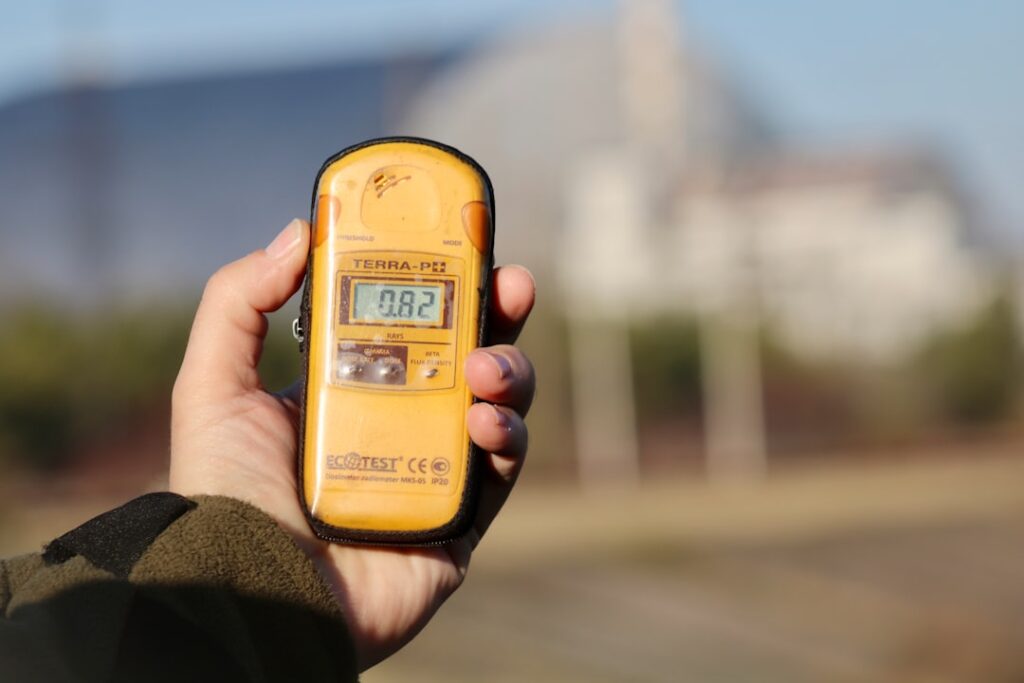
Once a homeowner decides to measure radon, the next question is practical: how much is a radon detector? The answer spans a wide range, from inexpensive single-use kits to electronic continuous monitors that cost considerably more. Which one makes sense depends on whether the goal is a one-time measurement or ongoing tracking. This guide lays out the cost tiers as estimates and what drives them. It summarizes EPA and CDPHE guidance current as of 2026 and is informational, not medical advice. Radon testing follows EPA protocols, and decisions for your home belong with a certified radon professional; for health symptoms, consult your physician.
The Quick Answer: Two Broad Categories
Radon detectors fall into two broad groups. Single-use test kits are the inexpensive option, often costing roughly $15 to $30 as an estimate, plus any lab fee for analysis. Continuous electronic monitors are the pricier option, commonly running about $130 to $250 as an estimate, with some professional-grade units higher. The gap reflects what each does: a kit captures one measurement, while a monitor tracks levels continuously over time.
Neither is universally “better.” A kit answers the one-time question of whether a home has a radon problem, while a monitor suits homeowners who want to watch levels day to day. The right choice depends on the goal, a decision explored alongside device types in the site’s radon testing resources.
Single-Use Test Kits
The least expensive way to test is a passive kit. These typically use a material that absorbs radon over the testing period, after which the device is mailed to a laboratory that analyzes it and reports the result. The kit purchase price is low, often in the $15 to $30 estimate range, though some kits include the lab fee while others charge it separately.
Kits come in short-term and long-term versions. Short-term kits measure over a few days to about a week and give a fast snapshot. Long-term kits measure over more than ninety days and produce a year-round average. Both are affordable, with the main cost difference being the duration and any included lab analysis.
What the Lab Fee Adds
For passive kits, the lab analysis is part of the true cost. Some kits bundle the fee into the purchase price, so the sticker price is the total; others sell the kit cheaply and charge for analysis when the sample is returned. When comparing kit prices, accounting for the lab fee gives an accurate total, which usually keeps a complete single-use test in the low tens of dollars.
Continuous Radon Monitors
Continuous electronic monitors are reusable devices that measure radon constantly and display readings, often updating daily and showing trends over time. Their estimated cost commonly falls in the $130 to $250 range for consumer models, with professional-grade instruments costing more. Unlike a kit, a monitor requires no lab and can be used indefinitely.
The higher upfront price buys ongoing visibility. A homeowner who wants to see how levels change with seasons, weather, or after installing a mitigation system gets continuous feedback rather than a single number. For long-term peace of mind, a monitor can be more economical than repeatedly buying kits.
Consumer Versus Professional Monitors
Consumer monitors are designed for homeowner use and sit in the lower part of the monitor price range. Professional-grade continuous radon monitors, used by certified testers, are more expensive and more precise, built for the rigor of real estate transactions and formal measurements. A homeowner generally does not need a professional unit; a consumer monitor suffices for ongoing personal tracking.
What Drives the Price Differences
Several factors explain the spread in detector cost. The biggest is technology: a passive kit is a simple absorbing material, while a continuous monitor contains electronic sensors and a display. Reusability matters too, since a monitor is a one-time purchase that keeps working, whereas each kit is single-use. Precision and features, such as data logging and app connectivity, add cost at the higher end.
The intended use also shapes value. For a single check, a kit is the economical choice. For continuous awareness or verifying a mitigation system over time, a monitor justifies its higher price. Matching the device to the purpose avoids both overspending on a monitor for a one-time test and underserving a desire for ongoing data with repeated kits.
Low-Cost Options in Colorado
Colorado homeowners have access to low-cost testing through state and local programs. The Colorado Department of Public Health and Environment has offered low-cost radon test kit programs to encourage testing, given the state’s elevated radon risk. These programs can make a basic test even more affordable than retail kits, and they are worth checking before purchasing.
Because much of the Front Range sits in a high-radon zone, the state’s emphasis on accessible testing reflects real local need. A homeowner can often obtain an inexpensive kit through these channels, test their home, and only invest in a continuous monitor or mitigation if the result warrants it.
Which Detector Should You Buy?
For a first-time test to find out whether a home has a radon problem, an inexpensive kit is the sensible starting point. It answers the core question at minimal cost. If the result is at or above the EPA’s 4 pCi/L action level, the next step is confirmation and professional mitigation, not necessarily buying a monitor.
A continuous monitor makes sense for homeowners who want ongoing visibility, who have installed a mitigation system and want to verify it keeps levels low, or who simply prefer constant awareness in a high-radon region. The monitor’s higher cost pays off through reuse and continuous data. Comparing detector types against testing services is covered in the sibling guide to radon testers and measurement options.
Detectors Versus Professional Testing
It is worth noting that for real estate transactions, professional testing by a certified radon measurement professional is often expected rather than a consumer device. A home detector is excellent for personal awareness, but a transaction may call for the documentation and protocol that a certified professional provides. The cost of professional testing is separate from buying a detector and reflects the service rather than a device.
For everyday homeowner peace of mind, though, a consumer kit or monitor is entirely appropriate. The detector cost ranges above cover that personal-use scenario, while transaction testing is a professional service to budget for separately.
The Full Cost of Testing, Not Just the Device
The sticker price of a detector is only part of what a homeowner actually spends, and accounting for the full cost prevents surprises. For passive kits, the true cost includes the lab analysis fee, which some kits bundle and others charge separately when the sample is returned. A kit advertised at a very low price may carry a separate lab fee that brings the total into the typical low-tens-of-dollars range.
For continuous monitors, the upfront purchase is usually the main cost, though some app-connected models tie features to a subscription. There is no recurring lab fee, which is part of what makes a monitor economical over the long run. For professional testing, the cost reflects the service, including the technician’s time, calibrated equipment, and documented results, rather than a device a homeowner keeps. Comparing options on total cost, not just the headline price, gives an accurate basis for the decision.
When Buying a Monitor Pays Off
A continuous monitor’s higher price makes more sense for some households than others. A homeowner who tests once with a kit, gets a low result, and has no particular concern may never need a monitor. By contrast, a homeowner in a high-radon region who wants ongoing awareness, who has installed a mitigation system, or who simply prefers to watch trends will get lasting value from a reusable monitor.
The break-even logic is straightforward. Repeatedly buying short-term kits over many years can add up, while a single monitor keeps working indefinitely. For anyone planning to test more than occasionally, especially to verify that a mitigation system continues to perform, a monitor often proves the more economical and convenient choice. The decision turns on how much ongoing visibility a household wants, a theme covered alongside device types in the sibling overview of radon testers.
What a Detector Cannot Do
It is worth being clear about the limits of any consumer radon detector. A detector measures radon in the air; it does not fix the problem or measure anything about a person’s health. A high reading from a kit or monitor signals the need for confirmation and, if warranted, professional mitigation, but the device itself only informs the decision.
Detectors also vary in precision, and a single short-term kit result can be influenced by weather and how the home was operated during the test. This is why a surprising or borderline reading benefits from a confirmatory measurement before driving a major decision. Used for what they do well, providing accessible measurement, detectors are valuable. Expecting them to substitute for professional confirmation in high-stakes situations, or for any assessment of health, asks more than they can deliver.
Budgeting for the Whole Radon Picture
Putting the costs together helps a homeowner plan realistically. An initial check might cost only the price of a low-cost kit, especially through a Colorado program. If the result is elevated, confirmation and professional mitigation become the larger expenses, with a mitigation system typically costing far more than any detector. A continuous monitor, if chosen, is a modest ongoing investment in awareness.
Framed this way, the detector is the least expensive step in the radon process, and spending a little to test is a sensible first move regardless of the eventual outcome. For Front Range homeowners, where elevated radon is common, budgeting for the possibility of mitigation alongside the small cost of testing gives a complete and realistic financial picture from the start.
The Takeaway
A radon detector can cost as little as roughly $15 to $30 for a single-use kit or about $130 to $250 for a continuous consumer monitor, with professional instruments higher. The kit suits a one-time check, while the monitor suits ongoing tracking and verifying mitigation. Colorado homeowners should look into low-cost state kit programs before buying retail. Match the device to the goal, start with an affordable kit if simply finding out, and step up to a monitor or professional testing when the situation calls for it.
References
- EPA guidance on radon test kits and monitors — U.S. Environmental Protection Agency
- CDPHE radon testing and low-cost kit information — Colorado Department of Public Health and Environment
- CDC overview of radon testing — Centers for Disease Control and Prevention
- American Lung Association radon testing resource — American Lung Association
Front Range homeowners deciding between a kit, a monitor, or professional testing can reach a vetted local professional through our contact page for guidance on the right approach.
Continuous radon detectors
A digital monitor gives you an always-on reading and a long-term average — better than a one-shot kit if you want to track levels over time.
| Product | Why | Buy |
|---|---|---|
 Airthings Corentium Home Airthings Corentium Home | Battery, portable; trusted long-term average. | Amazon — $147.50 |
 Ecosense RadonEye RD200 Ecosense RadonEye RD200 | Fast first reading (~1 hr); app logging. | Amazon — $169.00 |
 Airthings View Plus Airthings View Plus | Radon + CO2 + PM + VOC in one unit. | Amazon — $329.99 |