Thermal Imaging Goggles: What Homeowners Should Know
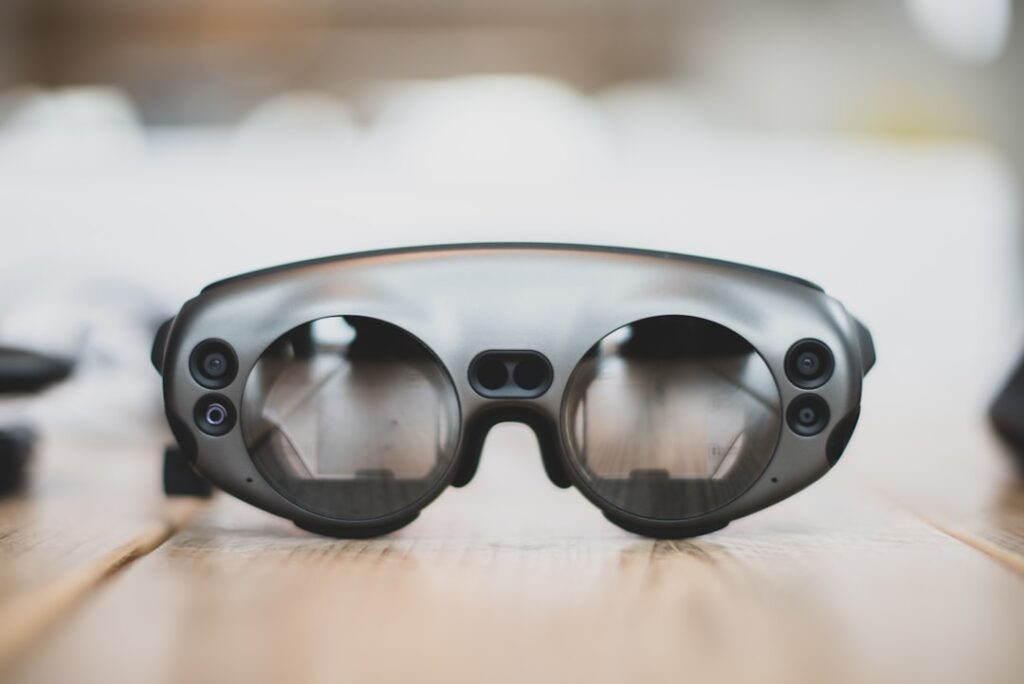
Thermal imaging goggles put a heat-sensing display right in front of your eyes, leaving your hands free. Most people associate them with hunting, search-and-rescue, or tactical use, but the same hands-free thermal viewing has occasional value in building work. This guide looks at how thermal imaging goggles work, how they compare with the handheld and smartphone thermal cameras inspectors usually carry, and whether the hands-free format actually helps with home-inspection tasks or is better suited to other fields.
Part of our Thermal Imaging for Homes guide — start there for the full picture →
What Are Thermal Imaging Goggles?
Thermal imaging goggles are a head-mounted or handheld-to-eye device that displays a live thermal image, the same surface-temperature map a handheld thermal camera produces, but viewed through an eyepiece rather than on a screen you hold. Head-mounted versions free both hands; monocular and binocular goggles are brought to the eye like field glasses. The underlying technology is identical to other thermal imagers: a detector reads infrared radiation and renders it as a temperature picture.
The format is the difference, not the physics. Goggles trade the shareable, recordable screen of a handheld camera for an immersive, hands-free view. That suits applications where you need to move, climb, or work while continuously watching the thermal scene. Whether that benefit matters for home inspection depends on the task, and for most inspection work the handheld format still wins. Our guide on thermal imaging binoculars covers the related to-the-eye viewing format.
How Thermal Imaging Goggles Work
Inside the goggles sits the same core technology as any thermal camera, packaged for eye-level viewing.
The Detector and Display
An infrared detector, usually an uncooled microbolometer, senses the heat emitted by surfaces in view and converts it to temperature data. Internal electronics map that data to a color palette or, in many goggles, a grayscale image, and project it onto a small display in the eyepiece. The wearer sees the thermal scene in real time as they move their head.
Resolution and Refresh Rate
As with handheld cameras, detector resolution governs how much detail appears, and sensitivity governs how small a temperature difference is visible. Refresh rate matters more in goggles than in a static handheld scan, because a smooth, responsive image is essential when the view moves with your head; a sluggish refresh makes movement disorienting.
Field of View
Goggles are designed for a wider, more natural field of view to support situational awareness, which is useful for navigating a space but can mean less magnification on a specific detail than a focused handheld camera offers.
Goggles vs Handheld Thermal Cameras
For building inspection, the comparison usually favors handheld cameras, and understanding why clarifies where goggles fit. A handheld thermal camera gives a clear screen you can study, share with a client, and record for a report. Documentation is central to inspection work, and goggles, being a personal eyepiece view, are weak at it; capturing and annotating images is the whole point of an inspection record.
Handheld cameras also tend to offer the measurement features inspectors rely on, spot temperature readings, adjustable emissivity, and image overlays, optimized for diagnostic precision rather than wide-field viewing. Goggles excel at continuous, hands-free observation while moving, which is valuable in search or navigation but less so when an inspector is studying one wall and metering a suspicious spot. Our thermal imaging camera guide covers the handheld options that suit inspection documentation.
Where Hands-Free Thermal Viewing Helps
There are genuine inspection-adjacent scenarios where freeing your hands pays off. Crawling through a tight crawl space or attic while using both hands to move and brace is one: a head-mounted thermal view lets you scan for cold air infiltration or warm spots without holding a camera. Navigating a dark, cluttered space where you need to see heat sources and your footing at once is another.
For these mobility-heavy situations, the hands-free format is a real convenience. But even here, the inspector typically switches to a handheld camera once a problem is spotted, to study it closely, take a measurement, and capture an image for the report. The goggles help you find and reach the area; the documentation and precise diagnosis still come from the handheld tool. The home inspection tools hub shows how thermal imagers of every format fit into a kit alongside moisture meters and borescopes.
Limits and Misconceptions
The same physical limits that apply to every thermal imager apply to goggles. They read surface temperature only, so they cannot see through walls, detect moisture directly, or find mold. They depend on a temperature difference to reveal building anomalies, and they are fooled by reflections off shiny surfaces and by solar-heated exteriors. A homeowner expecting goggles to peer inside walls will be disappointed for the same reasons any thermal camera cannot.
There is also a marketing blur between true thermal goggles, which sense heat, and night-vision goggles, which amplify available light. They are entirely different technologies. Night vision shows a scene in the dark by boosting faint light; thermal imaging shows heat regardless of light. For building diagnostics, only the thermal type is relevant, and the distinction is worth confirming before any purchase.
Comfort, Battery, and Practical Use
Because goggles are worn or held to the face, ergonomic factors that barely matter for a handheld camera become significant. Weight and balance affect how long they can be worn comfortably, and a head-mounted unit that strains the neck after a few minutes undermines its hands-free advantage. Fit and adjustability matter, especially over time, and eye relief, how the display sits relative to the eye, influences whether the image is comfortable to view or causes strain.
Battery life is a real constraint. A continuously running display draws power, and goggles that last only a short time between charges limit their usefulness for extended work. Carrying spare batteries or planning around runtime becomes part of using them. Heat from the electronics close to the face can also become uncomfortable during long sessions.
The viewing experience itself takes adjustment. Seeing the world only in thermal, with no normal visual reference, can be disorienting at first, and judging distance and navigating obstacles by heat signature alone is a learned skill. This is part of why goggles suit specialized tasks where the wearer is trained for them, rather than casual inspection use where a glance at a handheld screen is simpler. For most building work, the practical friction of wearing goggles outweighs the hands-free benefit, which is why handheld cameras remain the inspection standard our thermal imaging camera guide describes.
Specialized Fields Where Goggles Excel
To understand where thermal goggles belong, it helps to look at the fields that drive their design. Search and rescue is a leading one: a hands-free thermal view lets responders move through darkness and debris while continuously scanning for the heat signature of a person, with both hands free to climb or carry equipment. The wide field of view and mobility that goggles prioritize are exactly what this work demands.
Firefighting uses thermal imaging to see through smoke and locate hot spots and victims, though purpose-built firefighting imagers often take a handheld or helmet-mounted form suited to the extreme environment. Security and surveillance benefit from hands-free, mobile thermal viewing for patrolling and monitoring in the dark. Hunting and wildlife observation are major consumer markets, where seeing warm animals against a cool background at a distance is the goal.
What these applications share is constant movement combined with the need to keep watching the thermal scene, the precise scenario goggles are built for. Home inspection is different in character: it is methodical, stationary much of the time, and centered on documenting findings rather than continuous scanning while mobile. That mismatch, more than any shortcoming of the goggles themselves, explains why the format thrives in those fields yet rarely displaces the handheld camera in building diagnostics, a distinction worth keeping in mind alongside the related thermal monocular format.
Resolution, Range, and Image Quality
The same specifications that define handheld thermal cameras apply to goggles, and understanding them helps set realistic expectations. Detector resolution governs how much detail the thermal image shows, with higher pixel counts revealing finer features. For building work, where the target is often a subtle temperature difference on a nearby surface, resolution influences whether a small anomaly registers or blends in. Many goggles, designed for spotting warm subjects at a distance rather than fine surface detail, prioritize range and field of view over the fine resolution a diagnostic camera offers.
Detection range is a spec emphasized in goggles built for hunting or security, describing how far away a warm object can be detected, recognized, or identified. This matters for spotting a person or animal across a field, but it is largely irrelevant to building inspection, where the surfaces of interest are within arm’s reach. A goggle optimized for long-range detection may actually be less suited to the close, detailed work of examining a wall.
Thermal sensitivity, how small a temperature difference the device can distinguish, is the spec that matters most for building diagnostics, since many findings hinge on fractions of a degree. Refresh rate matters more in goggles than in handhelds because the image moves with the head, and a sluggish refresh causes disorientation. Weighing these specs reveals a mismatch: the qualities that make goggles excel at their core markets are not the qualities that make a thermal device good at inspecting a house, which is the underlying reason handheld cameras dominate building work, as our thermal imaging camera guide explains.
Should a Homeowner Buy Thermal Imaging Goggles?
For most homeowners and even most inspectors, the answer is no, not as a primary inspection tool. The format’s strengths, hands-free, wide-field, mobile viewing, align with hunting, security, and search work more than with the careful, documentation-driven nature of home inspection. A handheld or smartphone thermal camera delivers the screen, measurement features, and image capture that inspection actually requires, usually at lower cost.
The exception is someone who frequently works in tight, hands-occupied spaces and wants continuous thermal awareness while moving, where goggles complement, rather than replace, a handheld camera. For the typical homeowner investigating energy loss or a suspected leak, the money is better spent on a quality handheld thermal camera paired with a moisture meter. Whatever the format, the thermal image only points to where to look; confirming the cause still depends on a second tool and on understanding what the heat map actually means, which is the same skill our guide on reading infrared images develops.
The broader lesson is that format follows purpose. Goggles were shaped by the demands of hunting, search, and security, where hands-free, mobile, wide-field viewing matters most, and they excel in those settings. Home inspection has different demands, methodical examination, precise measurement, and documentation, that a handheld camera serves better. A homeowner drawn to the dramatic image of thermal goggles is usually better served by matching the tool to the actual task, which for building diagnostics almost always means a handheld or smartphone thermal camera rather than a headset built for a different job entirely. The exception remains the rare case of frequent, hands-occupied work in tight spaces, where goggles complement a handheld camera rather than replacing it. For everyone else, the money and attention are better directed at the handheld tools and the interpretation skills that genuinely move the needle in home inspection, leaving goggles to the hunting, search, and security fields where their format truly shines. Understanding that distinction saves a homeowner from buying an impressive-looking device that turns out to be poorly suited to the job at hand, and points them instead toward the tools that will actually help them find energy loss, drafts, and moisture clues in their own walls.
References
- ENERGY STAR: Seal and Insulate — U.S. Environmental Protection Agency (ENERGY STAR)
- Infrared Thermal Imaging in Inspections — International Association of Certified Home Inspectors
- Mold, Moisture and Your Home — U.S. Environmental Protection Agency
Frequently asked questions
How are thermal imaging goggles different from night vision?
Thermal goggles sense heat emitted by surfaces and work regardless of light, while night-vision goggles amplify faint available light to brighten a dark scene. They are entirely different technologies, and only the thermal type is relevant to building diagnostics.
Are thermal imaging goggles good for home inspection?
Generally not as a primary tool. Inspection relies on documentation and precise measurement, which a handheld camera's screen and capture features provide. Goggles suit hands-free, mobile viewing more than the careful study an inspection requires.
Can thermal goggles see through walls?
No. Like every thermal imager, they read surface temperature only and infer what lies behind a wall from heat patterns. They cannot see through walls, detect moisture directly, or find mold.
When would hands-free thermal viewing actually help?
In tight crawl spaces or attics where both hands are needed to move and brace, head-mounted thermal viewing lets you scan while navigating. Even then, inspectors usually switch to a handheld camera to study and document any problem found.
Thermal imaging cameras
Infrared cameras reveal hidden moisture, missing insulation, and air leaks. Phone-attachment models are the budget entry point; standalone units have higher resolution.
| Product | Why | Buy |
|---|---|---|
 FLIR ONE Pro (phone) FLIR ONE Pro (phone) | Plugs into iPhone/Android; inspector favorite. | Amazon — $349.00 |
 Topdon TC001 Topdon TC001 | High-res phone module at a low price. | Amazon — $249.00 |
 FLIR C5 Compact FLIR C5 Compact | Standalone pocket camera with Wi-Fi. | Amazon — $611.50 |