Thermal Camera for Cell Phone: 2026 Buyer Guide
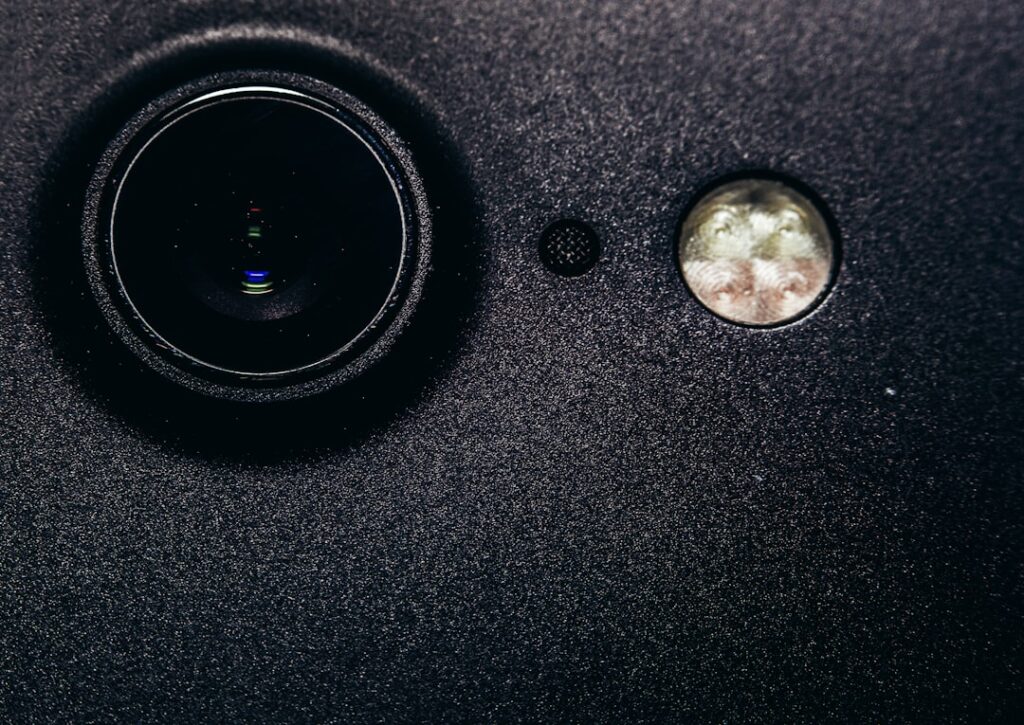
A thermal camera for cell phone use attaches via the phone’s data port and lets the smartphone serve as the screen, processor, and storage device. The category has matured significantly since 2014 — current generation hardware delivers 80×60 to 320×240 thermal resolution at price points between $250 and $700. This guide explains how the products compare across platforms, what specifications actually matter for home inspection work, and how to evaluate fit between a particular attachment and a particular smartphone. Manufacturer specifications and InterNACHI training materials current as of 2026 inform this guide.
Part of our Thermal Imaging for Homes guide — start there for the full picture →
What a thermal camera for cell phone actually is
A thermal camera attachment is a small microbolometer-based device that plugs into the cell phone’s data port. The attachment contains the thermal sensor, optics (germanium lens), processing electronics, and typically an independent battery. The cell phone provides the display, app interface, image storage, and connectivity (cloud upload, email export). Companion apps from the attachment manufacturer handle live display, capture, palette selection, and radiometric measurement.
The three major brand families in 2026
FLIR, Seek Thermal, and InfiRay dominate the cell phone thermal camera market. FLIR pioneered the category in 2014 with the original FLIR One and now offers Gen 3 and Pro variants for iOS and Android. Seek Thermal offers Compact and CompactPRO models with competitive resolution at similar price points. InfiRay entered the market more recently with the P2 Pro and T2 models targeting both consumer and entry-professional segments. Smaller brands exist but have not achieved comparable ecosystem maturity.
Resolution comparison across the major products
FLIR One Gen 3: 80×60. FLIR One Pro: 160×120. Seek Thermal Compact: 206×156. Seek Thermal CompactPRO: 320×240. InfiRay P2 Pro: 256×192. InfiRay T2: 256×192. The Seek CompactPRO offers the highest native resolution in the cell phone thermal category. The FLIR Pro and InfiRay products cluster in the mid range. The FLIR Gen 3 and Seek Compact sit at the entry tier. Higher resolution improves detail in small features (locating moisture in narrow framing bays, for example) but does not categorically improve large-area imaging.
iOS versus Android compatibility
FLIR and Seek both manufacture parallel iOS and Android SKUs, distinguished by the data connector (Lightning or USB-C for iOS, USB-C for Android). Buyers must confirm the SKU matches their specific phone. iPhone 15 and later use USB-C; iPhone 14 and earlier use Lightning. Android phones standardized on USB-C years ago. InfiRay also produces both iOS and Android variants. The connector mismatch is the most common purchase mistake — verify the specific SKU before clicking buy.
The microbolometer sensor — what it actually does
A microbolometer is a grid of tiny resistors whose resistance changes when long-wave infrared radiation heats them. The change in resistance maps to temperature via calibration tables stored in the camera firmware. Uncooled microbolometers (the type used in cell phone attachments) operate at ambient temperature and offer adequate sensitivity for residential applications. Cooled microbolometers (used in military and scientific instruments) deliver better sensitivity at much higher cost. All cell phone thermal cameras use uncooled designs.
Thermal sensitivity — the NETD specification
NETD (Noise Equivalent Temperature Difference) measures the smallest temperature difference the sensor can resolve. Lower numbers indicate better sensitivity. FLIR One Gen 3 specs 50mK; FLIR One Pro specs 70mK; Seek CompactPRO specs better than 70mK; InfiRay products spec 40 to 50mK. For residential moisture screening and air-leak identification, NETD differences of 20mK between products rarely produce visibly different images. NETD matters more in scientific and industrial work where small temperature differentials drive findings.
Temperature measurement range
FLIR One Gen 3: -20 to 120 degrees Celsius. FLIR One Pro: -20 to 400 Celsius. Seek Compact: -40 to 330 Celsius. Seek CompactPRO: -40 to 330 Celsius. InfiRay products: -20 to 550 Celsius depending on model. For typical residential inspection, the lower-range products (Gen 3) cover normal indoor and outdoor temperatures. For electrical thermography, exhaust system inspection, or industrial work, the higher-range products handle the elevated temperatures involved. Match the range to expected use cases.
The app ecosystem matters
FLIR Tools for desktop analysis, FLIR One smartphone app for live capture, and FLIR Ignite cloud storage form a deep ecosystem for FLIR products. Seek offers parallel software but smaller third-party integration. InfiRay’s software ecosystem is the newest and least mature. For users who plan to capture images, analyze them on desktop, and produce client reports, FLIR’s software ecosystem currently leads. For users who plan to capture and view images on the phone without much post-processing, all three ecosystems are adequate.
MSX and similar overlay technologies
FLIR’s MSX overlays visible-light edges from the phone’s main camera onto the thermal image, producing a hybrid display that reads more clearly than the raw thermal data alone. Seek’s similar feature operates under different branding. InfiRay’s products include comparable overlay capability. The overlay is meaningfully useful — it adds spatial context that helps the viewer understand what part of the room or wall the thermal pattern corresponds to. Disable overlay to see raw thermal data; enable it for documentation imagery.
Battery and power considerations
FLIR attachments carry independent batteries rated for approximately one hour of continuous use. Seek’s older Compact draws power from the phone (faster phone battery drain) while the CompactPRO uses an independent battery. InfiRay products typically include independent power. For longer inspection sessions, independent battery is meaningfully better — the phone battery stays available for other inspection tasks, and the thermal camera can charge separately overnight. Verify power model when comparing options. The 2026 compatibility matrix tabulates power models across products.
Image capture and export workflow
All major products capture radiometric JPEGs that retain per-pixel temperature data. Captured images export to email, cloud storage, or inspection-report software. FLIR’s Ignite cloud platform integrates with major home inspection software (ISN, Spectora, HomeGauge). Seek and InfiRay offer cloud platforms with somewhat less third-party integration. For working inspectors building reports, the integration question matters; for casual users, basic email export is typically sufficient.
Buying for occasional homeowner use
FLIR One Gen 3 at $250 to $300 is the entry tier appropriate for occasional homeowner inspection of moisture concerns, air leaks, and electrical hot spots. The 80×60 native resolution combined with MSX overlay produces images sufficient for personal documentation. For monthly or less frequent use, the Gen 3 represents reasonable value. Going higher in the lineup makes sense only when use intensity justifies the additional spend.
Buying for working home inspector use
For working inspectors performing thermal imaging weekly as part of standard inspections, the 160×120 to 320×240 resolution products (FLIR One Pro, Seek CompactPRO, InfiRay P2 Pro or T2) make sense at $400 to $700. These models produce client-deliverable imagery, integrate with inspection-report software, and offer the sensitivity and range needed for moisture mapping and electrical thermography. The Pro/CompactPRO tier is where smartphone-attached thermal becomes genuinely professional-capable.
Buying for educational and training use
Building science students, energy auditing trainees, and homeowners learning thermography typically start with the Gen 3 or Compact tier. The lower-tier products produce adequate imagery to learn interpretation while keeping cost manageable. Free training resources from FLIR’s website cover basic operation and interpretation. For more rigorous training, the Snell Group, ITC, and ASNT offer paid certification courses. The home inspection tools 2026 guide covers training pathways.
Limitations versus standalone thermal imagers
Cell phone thermal cameras trade ergonomics, durability, and temperature operating range against price and portability. Standalone imagers like the FLIR E-series or Fluke Ti-series offer dedicated trigger grips, ruggedized housings, longer battery life, and higher native resolutions at correspondingly higher prices ($1,500 to $5,000). For daily professional use, the standalone units pay back through ergonomics. For occasional or learning use, cell phone attachments dominate on price-performance.
What thermal imaging actually shows
Thermal cameras display surface temperature differentials. They do not directly detect moisture, insulation gaps, or air leaks. The thermal image reveals temperature patterns that often correlate with those conditions — a wet drywall section reads colder than dry drywall because evaporation cools the surface, an insulation gap reads warmer or colder than surrounding wall depending on indoor-outdoor temperature differential. Interpretation requires basic thermography training. Buying a thermal camera without learning the patterns produces pretty pictures and limited diagnostic value.
When to call a professional rather than DIY thermal
Visible patterns in cell phone thermal imagery warrant follow-up by qualified professionals — moisture suggests mold inspectors, electrical hot spots suggest licensed electricians, large insulation deficiencies suggest energy auditors. The thermal camera identifies where to look; the appropriate professional confirms what is happening and what to do. For client deliverables or litigation-ready thermography, ITC or ASNT Level 1 or Level 2 thermographer certification is appropriate.
Thermal camera accessories and inspection report software
Major home inspection report platforms accept thermal images captured through cell phone accessories. Spectora, ISN, and HomeGauge all support image upload from FLIR Ignite, Seek’s cloud, and direct phone photo library. The integration matters for working inspectors building thermal imaging into their standard service offering — captured images flow into report sections without manual reformatting. For homeowner-only use, the integration question is less important; images export to email, iMessage, or shared albums and serve their documentation purpose without needing inspection-software integration.
Comparing native resolutions across brands
At similar price points, native resolution varies meaningfully across brands. The FLIR One Pro at 160×120 trails the Seek CompactPRO at 320×240 on pure pixel count. The FLIR product’s MSX overlay closes some of the perceptual gap by adding visible-light edge detail, but for users prioritizing raw thermal resolution the Seek wins on specifications. InfiRay’s recent products further complicate the comparison with 256×192 native resolution at competitive pricing. Native resolution is one input among several — sensor sensitivity, app ecosystem, and product support also matter.
Cold-weather operating considerations
Cell phones suffer in cold weather as battery chemistry slows. Operating an attached thermal accessory in Colorado winter inspection scenarios (sub-zero temperatures in attics or crawl spaces) often pushes the phone outside its rated operating range. The thermal accessory itself typically handles cold better than the phone. Solutions: keep the phone warm in an inside pocket until imaging is needed, take quick captures rather than long live-view sessions, and consider a standalone imager for extended cold-weather work where the smartphone operating range becomes the binding constraint.
How thermal cameras pair with other inspection tools
Thermal imaging is more powerful when paired with complementary tools. Moisture meters confirm whether a cool spot identified by thermal corresponds to actual material moisture. Borescopes let inspectors verify hidden conditions identified by thermal patterns. Hygrometers measure ambient conditions that affect thermal interpretation. Electrical multimeters quantify current draw at hot spots flagged by thermal scanning. The combined toolkit produces more confident findings than any single tool. For working inspectors, thermal imaging is one tool in the broader inspection workflow rather than a standalone diagnostic.
References
- InterNACHI — Infrared Thermography Training — International Association of Certified Home Inspectors
- ASHI — Inspector Standards — American Society of Home Inspectors
- ENERGY STAR: Seal and Insulate — U.S. Environmental Protection Agency (ENERGY STAR)
Frequently asked questions
What is the best thermal camera for cell phone use?
Depends on use intensity. FLIR One Gen 3 at $250 to $300 suits casual homeowner use. FLIR One Pro, Seek CompactPRO, and InfiRay P2 Pro at $400 to $700 suit working inspector use. Match resolution to typical inspection scope.
Do thermal cameras for cell phones work on both iPhone and Android?
Yes, but vendors maintain separate SKUs for iOS and Android. Confirm the connector matches your specific phone — USB-C on iPhone 15 and later, Lightning on iPhone 14 and earlier, USB-C on Android. Connector mismatch is the most common purchase mistake.
Can I get thermal images from a cell phone without an external camera?
No. Cell phones use silicon sensors that do not respond to long-wave infrared. Apps claiming to produce thermal effects from the standard camera produce entertainment colorizations, not measurement data. Genuine thermal imaging requires the external microbolometer attachment.
How long does the battery last on a cell phone thermal camera?
FLIR and most Seek and InfiRay attachments carry independent batteries rated for approximately one hour of continuous use. Several minutes of imaging per inspection area typically covers a full inspection on one charge. Independent batteries do not drain the cell phone.
Thermal imaging cameras
Infrared cameras reveal hidden moisture, missing insulation, and air leaks. Phone-attachment models are the budget entry point; standalone units have higher resolution.
| Product | Why | Buy |
|---|---|---|
 FLIR ONE Pro (phone) FLIR ONE Pro (phone) | Plugs into iPhone/Android; inspector favorite. | Amazon — $349.00 |
 Topdon TC001 Topdon TC001 | High-res phone module at a low price. | Amazon — $199.99 |
 FLIR C5 Compact FLIR C5 Compact | Standalone pocket camera with Wi-Fi. | Amazon — $611.50 |