Phone With Thermal Camera: What Homeowners Know
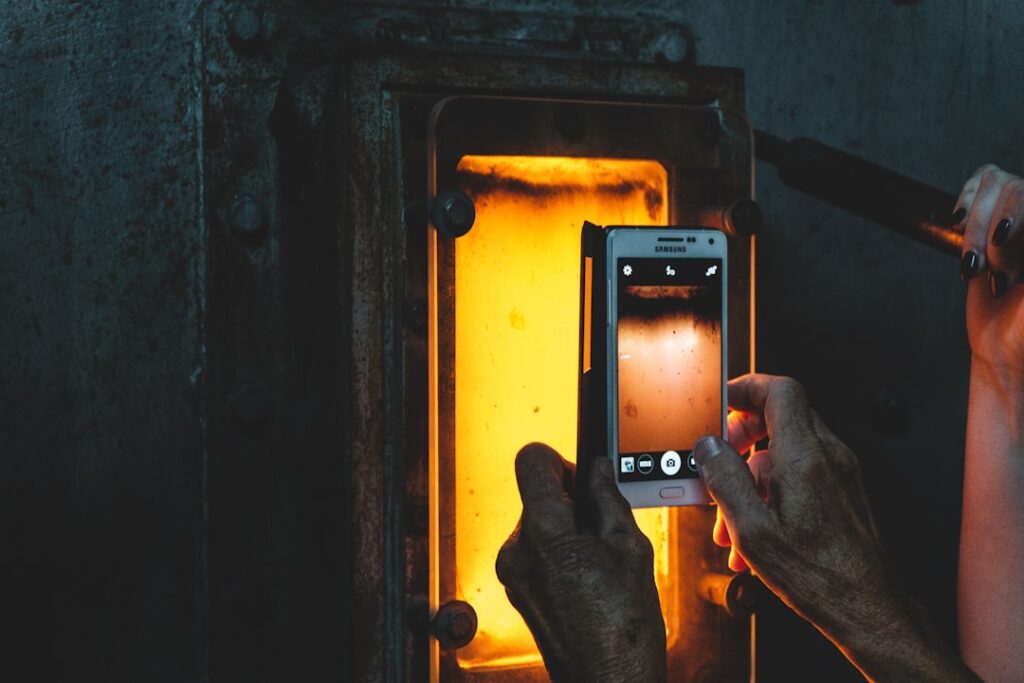
A handful of rugged smartphones ship with an infrared sensor built right into the body, letting the owner shoot a thermal image without clipping on an accessory. For homeowners curious about finding drafts, missing insulation, or a hidden leak, a phone with thermal camera capability looks like an easy entry point. The reality sits between the marketing and the limitations: these phones are genuinely useful for some tasks and clearly outmatched for others. Knowing which is which prevents both wasted money and false confidence.
What Is a Phone With a Thermal Camera?
A phone with a thermal camera has a dedicated infrared sensor integrated alongside the standard optical camera. The best-known examples come from the rugged-phone category, where models marketed under names like CAT and a few competitors embed a small thermal core. The phone captures heat signatures and displays them as a false-color image, with warmer areas shown in one color range and cooler areas in another.
This differs from a clip-on module that attaches to a normal phone. With a built-in sensor, the imaging is always available and weatherproofed into the handset. The underlying technology is the same microbolometer principle used in standalone units covered in our home inspection tools guide, just packaged into a consumer device at a lower resolution.
The Specs That Actually Matter
Marketing leans on the word “thermal,” but the numbers behind it determine whether the camera is useful.
Thermal resolution
This is the single most important spec. Built-in phone sensors typically offer a low native thermal resolution, often in the range of a few thousand thermal pixels. By comparison, a dedicated inspection camera may offer several times that. Lower resolution means a blurrier heat image and a harder time pinpointing a small cold spot or a precise leak boundary.
Temperature range and accuracy
Phone sensors cover a usable range for household temperatures but with looser accuracy than a calibrated instrument. They are good for relative comparisons, like spotting that one wall section is colder than its neighbors, and weaker for absolute readings.
Image blending
Many phones blend the thermal image with the optical camera to add visible-light detail, which helps the user understand what they are looking at. This feature improves usability even when raw resolution is modest.
Where a Phone Thermal Camera Genuinely Helps
Used within its limits, a built-in thermal camera handles real household tasks.
- Finding drafts. Cold air leaking around windows, doors, and outlets shows as cool streaks.
- Spotting missing insulation. Wall and ceiling sections with thin or absent insulation read colder in winter.
- Locating radiant heating loops. Warm lines under a floor become visible.
- Tracing obvious moisture. A wet patch often reads cooler than dry surroundings due to evaporative cooling.
- Checking electrical warmth. An unusually hot breaker or outlet can flag a problem worth a closer look by an electrician.
For a homeowner doing a casual walk-through before winter, this is meaningful capability. The phone makes invisible temperature differences visible, which is the whole point of infrared. Our overview of infrared leak detection explains how those temperature differences translate into findings.
When a Phone Thermal Camera Falls Short
The limits become obvious the moment the task demands precision or documentation.
- Low resolution blurs detail. A small or early-stage moisture problem may not register clearly.
- Loose accuracy limits diagnosis. Absolute temperature claims are not reliable enough for energy audits or formal reports.
- No professional reporting tools. Dedicated cameras include software for radiometric analysis, annotation, and report generation.
- Interpretation traps. Reflective surfaces, sunlight, and emissivity differences fool a casual user into false readings.
Thermal imaging shows surface temperature, not moisture or air directly. A cold spot might be a draft, a leak, or simply a thermal bridge in the framing. Distinguishing them takes training and often a confirming tool like a moisture meter, which the phone cannot replace.
Phone Thermal Camera vs a Dedicated Thermal Camera
The decision comes down to how the tool will be used.
Choose the phone when
You want occasional, casual checks, the convenience of an always-available sensor, and a single device that also serves as your phone. For a homeowner spot-checking drafts and insulation a few times a year, the built-in camera is reasonable value.
Choose a dedicated camera when
You need higher resolution, calibrated accuracy, radiometric data, and reporting software. Anyone doing this professionally, or a homeowner who wants reliable diagnosis of a real problem, will outgrow a phone sensor quickly. Our comparison of the FLIR Ex Series shows what a purpose-built inspection camera offers over a phone sensor.
A practical middle path exists: rent or hire. For a one-time concern, a professional thermographer brings both the camera and the interpretation that a phone cannot.
Getting Usable Results From a Phone Thermal Camera
If you own one, a few habits improve the images.
- Create a temperature difference. Infrared reveals the most when inside and outside temperatures differ by at least 15 to 20 degrees, so scan on cold mornings.
- Avoid direct sun. Sunlight heats surfaces unevenly and masks the patterns you want to see.
- Compare, don’t measure. Trust relative differences between adjacent surfaces more than the absolute number on screen.
- Confirm findings. Use a moisture meter or a contractor to verify what a cold spot actually means before tearing into a wall.
Treated as a screening tool rather than a diagnostic instrument, a phone with a thermal camera earns its place in a homeowner’s kit. It points toward problems; it does not settle them.
How a Built-In Sensor Compares to a Clip-On Module
Phones are not the only way to get thermal imaging in a pocket-sized package. A separate category of clip-on or plug-in thermal modules attaches to a standard smartphone through its charging port, turning a regular phone into a thermal camera when needed. Both approaches have a place, and they suit different users.
A built-in sensor, as found in certain rugged phones, is always available, weatherproofed into the handset, and requires nothing extra to carry. The trade-off is that you are locked into whatever sensor the manufacturer chose, often a modest one, and upgrading means buying a new phone. A clip-on module, by contrast, can offer higher thermal resolution than most built-in sensors and can move between phones, but it is one more thing to carry and to keep charged. For a homeowner who only occasionally needs thermal imaging, the built-in route is simpler; for someone who wants better images without committing to a dedicated camera, a higher-resolution module may serve better.
Reading a Thermal Image Without Fooling Yourself
The biggest risk with any consumer thermal device is misinterpretation. A thermal image shows surface temperature, and surface temperature is influenced by far more than the problem you are hunting. Three traps catch casual users repeatedly.
Reflections
Shiny surfaces like glass, polished metal, and glossy paint reflect infrared from other objects, including the person holding the phone. A bright hot spot on a window may be a reflection, not heat from the window itself.
Emissivity differences
Different materials emit infrared at different efficiencies, a property called emissivity. A low-emissivity surface can read cooler than it actually is, leading to false conclusions. Dedicated cameras let users adjust emissivity settings; most phone cameras do not, which limits their accuracy.
Solar loading and recent activity
Sun-warmed surfaces, recently used appliances, and warm-air registers all skew a reading. A wall that faced afternoon sun stays warm long after, masking the patterns you want to see. Scanning at the right time, away from these influences, produces far more honest images.
Practical Home Scenarios Where the Phone Helps
Within its limits, a phone thermal camera handles several everyday situations well. Before winter, a quick scan of exterior walls and windows from inside reveals where cold air leaks in, guiding weatherstripping and caulking efforts. Checking around an attic hatch or recessed lighting can show where insulation is missing or compressed.
The camera also helps locate radiant floor heating loops before drilling or fastening into a floor, a genuinely useful safety check. After a plumbing repair, scanning the area can reveal a lingering cool damp patch that suggests the leak is not fully resolved. For checking electrical panels, an unusually warm breaker stands out and warrants a licensed electrician’s attention. None of these uses requires laboratory precision; they require only the ability to see a temperature difference, which is exactly what the phone provides. Our overview of a Milwaukee thermal gun shows how spot-radiometer tools complement an imaging scan for these checks.
When to Step Up to a Dedicated Camera or a Pro
The point at which a phone sensor stops being enough is usually the point at which a finding needs to be acted on or documented. Buying or selling a home, filing an insurance claim, planning an energy retrofit, or diagnosing a stubborn moisture problem all benefit from a calibrated camera with radiometric data and reporting software, or from a professional who brings both the instrument and the training to interpret it.
The Department of Energy notes that thermographic inspections are most reliable when performed by trained technicians under the right conditions, because interpreting the images correctly is as important as capturing them. A homeowner’s phone scan is a fine first pass that flags areas worth a closer look. When the stakes rise, the limitations of low resolution, loose accuracy, and no emissivity control make a stronger tool or a qualified thermographer the better choice. Used in that order, screen casually with the phone, then escalate when warranted, the phone earns its keep without overpromising.
Battery, Storage, and Build Considerations
The phones that ship with thermal sensors tend to come from the rugged-device category for a reason: integrating an infrared core suits buyers who already want a durable, weather-sealed handset. That ruggedness is part of the value, since the same person who needs thermal imaging on a job site often needs a phone that survives drops and dust. The thermal sensor adds little weight but does draw power, so heavy thermal use shortens battery life noticeably.
Storage matters too if the user captures many thermal images and blended photos, which take up space like any other media. For occasional use this is a non-issue. The build trade-off worth noting is that rugged thermal phones are often thicker and heavier than mainstream flagships, and their standard cameras and screens may lag the latest consumer phones. A buyer choosing one is accepting a more specialized device in exchange for always-available thermal capability, which is a reasonable trade for the right user and a poor one for someone who mainly wants a sleek everyday phone.
Setting Realistic Expectations Before You Buy
Anyone considering a phone with a thermal camera should match the purchase to honest expectations. The sensor will reveal temperature differences, find drafts, and flag obvious cold or warm anomalies. It will not produce the crisp, calibrated, documentable images that an energy auditor or a home inspector relies on, and it cannot substitute for a moisture meter when confirming whether a cool spot is actually wet.
The right buyer is a homeowner or tradesperson who values convenience and occasional capability over precision, and who already wants a rugged phone. The wrong buyer is someone expecting professional-grade results from a pocket device, or someone who needs the camera for one specific high-stakes problem, who would be better served by renting equipment or hiring a thermographer. Framed honestly, a phone thermal camera is a useful screening tool that lives in your pocket. It widens what a homeowner can notice, and noticing the problem early is often half the battle, even if confirming and fixing it calls for more.
References
- Home energy audits and thermographic inspections — U.S. Department of Energy
- Infrared and thermal imaging guidance for inspectors — International Association of Certified Home Inspectors
- Standards of practice and tool guidance — American Society of Home Inspectors
Thermal imaging cameras
Infrared cameras reveal hidden moisture, missing insulation, and air leaks. Phone-attachment models are the budget entry point; standalone units have higher resolution.
| Product | Why | Buy |
|---|---|---|
 FLIR ONE Pro (phone) FLIR ONE Pro (phone) | Plugs into iPhone/Android; inspector favorite. | Amazon — $349.00 |
 Topdon TC001 Topdon TC001 | High-res phone module at a low price. | Amazon — $199.99 |
 FLIR C5 Compact FLIR C5 Compact | Standalone pocket camera with Wi-Fi. | Amazon — $449.00 |