Cell Phone Infrared Camera: Sensor Categories Explained
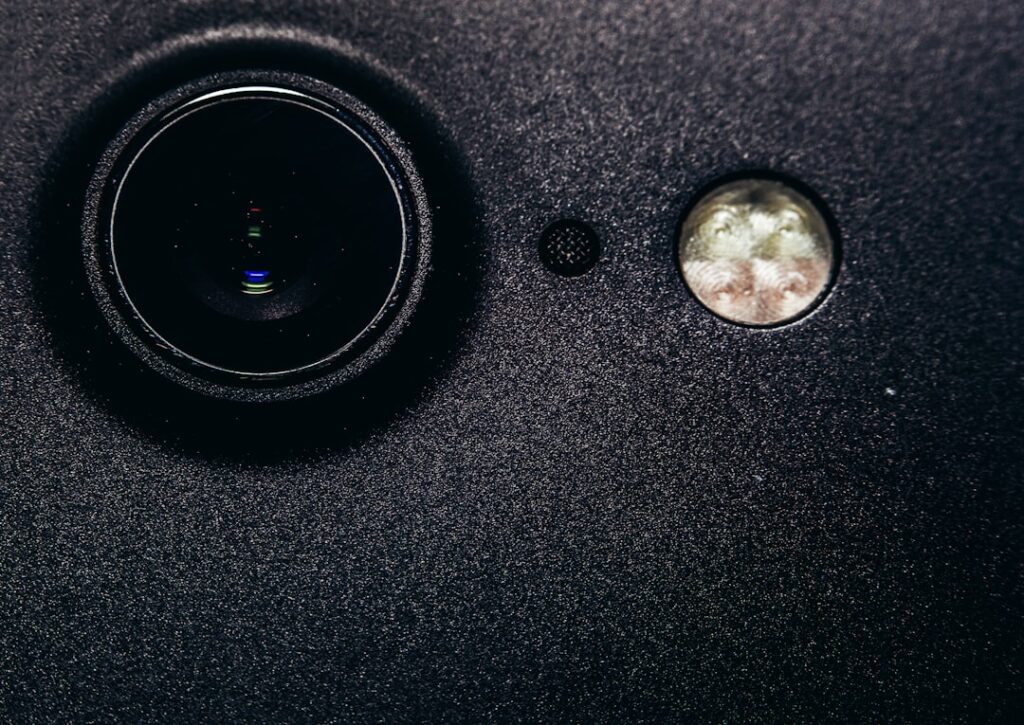
“Cell phone infrared camera” is a phrase used loosely across multiple distinct technologies — Face ID’s near-infrared array, LiDAR’s near-infrared pulses, and thermal imaging accessories operating in long-wave infrared. Each is technically “infrared” but operates at fundamentally different wavelengths and serves different purposes. Confusing them produces shopping mistakes and miscommunication. This guide separates the categories, explains what each can and cannot do, and identifies which one delivers genuine temperature-measurement capability. Manufacturer specifications and InterNACHI training materials current as of 2026 inform this guide.
What “cell phone infrared camera” can actually mean
The phrase covers four distinct technologies: (1) near-infrared illumination for facial recognition (Face ID and Android equivalents), (2) near-infrared LiDAR for depth measurement, (3) the silicon-sensor’s near-infrared sensitivity that produces specific photo effects, and (4) external long-wave infrared (thermal) accessories that attach via the data port. Only the fourth category produces genuine thermal imaging. The first three sit in the near-infrared band (700 to 1,100 nanometers) while thermal imaging requires long-wave infrared (8 to 14 microns) — a fundamentally different region of the spectrum.
Near-infrared in Face ID and Android facial recognition
iPhones with Face ID contain a TrueDepth array including a near-infrared flood illuminator and a dot projector. The flood illuminator bathes the user’s face in invisible near-IR light; the dot projector adds a structured-light pattern; an infrared camera reads the reflection geometry. This system handles facial recognition in low light. It does not measure temperature, does not produce thermal images, and operates at wavelengths far from thermal infrared. Android phones with comparable facial recognition use similar near-IR architecture.
Near-infrared in LiDAR depth sensing
iPhone Pro models and some Android devices include LiDAR scanners that emit pulses of near-infrared light and measure return time to calculate distance to objects. LiDAR produces depth maps useful for AR applications, room-scanning apps, and improved camera autofocus. It does not measure temperature. The LiDAR wavelength typically falls around 850 to 940 nanometers — near-infrared, not thermal infrared. LiDAR depth data and thermal temperature data are fundamentally different measurements.
The silicon sensor’s near-infrared response
Standard cell phone camera sensors are silicon CMOS arrays that respond to visible light (400 to 700 nanometers) and have some sensitivity in the near-infrared band (700 to roughly 1,100 nanometers). Most cell phone cameras include an IR-cut filter that blocks the near-IR component to produce more accurate color reproduction. Removing the IR-cut filter (a modification, not a built-in feature) lets the sensor capture near-IR images. The resulting images show foliage as light (vegetation reflects near-IR strongly) and skies as dark — distinctive but not thermal.
Long-wave infrared in thermal imaging accessories
The only category that produces genuine thermal images on a cell phone is the external attachable accessory containing a microbolometer sensor. The microbolometer responds to long-wave infrared radiation (8 to 14 microns) emitted by objects at their physical temperature. FLIR One, Seek Thermal, and InfiRay all manufacture this category of accessory. Connection via USB-C or Lightning to the phone delivers thermal video to the phone’s screen through the companion app. This is the technology that measures temperature.
Why the terminology confusion matters for shoppers
A shopper searching “cell phone infrared camera” expecting thermal imaging finds results referencing Face ID, LiDAR, and even cosmetic photo apps that simulate “infrared” effects. The shopper may end up buying the wrong product or paying premium prices for phones expecting thermal capability that does not exist natively. The correct terminology for genuine temperature-measurement capability is “thermal imaging camera” or “long-wave infrared camera.” Using these specific terms in searches and conversations produces accurate results.
What each technology can actually do
Face ID: secure phone unlock and identity verification. LiDAR: distance measurement, AR placement, and room scanning. Native silicon near-IR (with cut-filter removal): artistic photography effects. Attached thermal accessories: surface temperature measurement, moisture screening, air leak identification, electrical hot spot detection, and insulation deficiency mapping. The capability gap between native phone sensors and external thermal attachments is fundamental — software cannot bridge it.
Can a phone-only infrared app produce thermal images?
No. Apps that claim to convert the phone’s standard camera into a “thermal camera” produce colorized visible-light imagery. The colorization mimics the appearance of thermal images but contains no actual temperature data. These apps are entertainment, not measurement. Recognizing them: typical free apps in the App Store and Google Play that claim thermal imaging without requiring external hardware. None produce genuine thermal data.
What external thermal attachments cost in 2026
Entry-tier (80×60 native thermal resolution): $250 to $300. Mid-tier (160×120 to 206×156 resolution): $400 to $500. Higher-tier (256×192 to 320×240): $500 to $700. Pricing varies by connector (USB-C vs Lightning), brand (FLIR vs Seek vs InfiRay), and feature set. The cell phone the attachment connects to does not need to be a flagship — mid-range phones with the right connector work equally well. The thermal sensor in the attachment, not the phone, determines image quality.
The microbolometer technology that makes thermal possible
A microbolometer is a grid of tiny resistors made from vanadium oxide or amorphous silicon. Each resistor changes resistance when long-wave infrared radiation heats it. The change maps to temperature via calibration tables in the camera firmware. Uncooled microbolometers (the type used in cell phone accessories) operate at ambient temperature, offering adequate sensitivity for residential and light commercial use. Cooled microbolometers serve scientific and military applications at far higher cost. All consumer thermal accessories use uncooled designs.
Why phones don’t include thermal natively
Microbolometer arrays cost more to manufacture than silicon CMOS sensors and require germanium optics rather than glass. Adding the BOM cost without serving most phone-buyer use cases (photography, video, AR) is not commercially viable. Cat phones and a few other rugged-phone brands have shipped thermal-equipped Android phones aimed at trade users, but mainstream phone makers have left the category to accessory attachments. The economics are unlikely to change in the near term. The cell phone thermal camera overview covers this question in more depth.
Choosing the right cell phone infrared technology for your use case
For facial recognition and unlock: built-in Face ID or Android equivalent (no purchase needed beyond a phone with the feature). For depth measurement and AR: iPhone Pro with LiDAR or Android with ToF sensor. For artistic near-IR photography: a modified second camera with IR-cut filter removed (a specialty modification, not a standard purchase). For temperature measurement and thermal imaging: external accessory from FLIR, Seek, or InfiRay. Each use case maps to a specific product category — there is no all-in-one phone that does all four well.
Common phone thermal use cases
Locating air leaks around windows and doors during winter inspection. Finding missing insulation patches by reading interior wall temperature variations. Identifying overheating electrical components in service panels. Screening for moisture intrusion in basement walls or under bathroom tile. Detecting hot or cold spots in floor heating systems. Pre-inspection screening before purchasing a home. Each scenario produces actionable findings that an attached thermal accessory captures and documents.
Limitations that apply to all phone-attached thermal
Native resolution caps below 320×240 for most consumer products. Phone operating temperature constraints (typically 0 to 35 Celsius) limit outdoor use in extreme conditions. Phone battery drain during active sessions. Reduced ergonomics versus standalone trigger-grip imagers. Image quality and documentation features adequate for personal use but typically not for litigation-ready professional thermography. For commercial-grade work, standalone imagers and ITC-certified Level 1 or Level 2 thermographer credentials are appropriate.
Front Range patterns for phone thermal use
Colorado’s strong winter-summer temperature differentials make thermal imaging particularly useful for homeowner energy-efficiency screening. Winter interior-exterior differentials of 40 to 60 degrees Fahrenheit produce strong thermal patterns at insulation gaps and air leaks. Summer attic temperatures over 130 Fahrenheit produce equally strong patterns at heat-transfer points. The dry climate keeps moisture issues less common than coastal regions but also makes them easier to detect when they occur. The home inspection tools buyer’s guide covers tool selection for the Front Range.
When to call a professional rather than DIY thermal
Phone-attached thermal imaging is a screening tool for homeowner-level inspection. Findings warrant follow-up by qualified professionals — mold inspectors for moisture, electricians for hot spots, energy auditors for significant insulation issues. Professional thermography for client deliverables or insurance claims typically requires ITC or ASNT certified Level 1 or Level 2 thermographer credentials and a calibrated standalone imager. The phone accessory finds problems; the professional documents and addresses them.
How marketing language amplifies the confusion
Phone marketing materials often use “infrared” without specifying near-infrared versus thermal infrared. Face ID descriptions, LiDAR capabilities, and night-mode photography features all get described with the unmodified word “infrared.” Consumers reading these descriptions reasonably conclude the phone has thermal capability that does not exist. The corrective is in the technical specifications: if the spec sheet does not mention “long-wave infrared” or “thermal imaging” or “microbolometer,” the phone does not measure temperature. Marketing labels obscure the distinction that specifications make clear.
Training resources for users new to thermal imaging
FLIR offers free training videos on its website covering basic operation and interpretation of thermal images. The Snell Group, ITC (Infrared Training Center), and ASNT (American Society for Nondestructive Testing) all offer paid certification courses. InterNACHI offers an Infrared Certified course aimed at home inspectors entering the thermography field. For homeowner use, the free FLIR videos cover the fundamentals adequately. For working inspectors planning to bill thermal imaging as a service line, ITC Level 1 certification is the typical entry point. Training matters more than equipment specifications for outcome quality.
The relationship between camera quality and outcome quality
Doubling the thermal pixel count does not double the diagnostic value of an inspection. A trained operator with an 80×60 FLIR One Gen 3 reliably identifies the same conditions as an untrained operator with a 320×240 Seek CompactPRO. The training-to-equipment ratio matters more than absolute equipment specs. For homeowners considering an upgrade from entry-tier to higher-resolution attachments, the more valuable investment is often a one-day training course rather than the next-tier accessory. Pattern recognition is the binding constraint on diagnostic value, not pixel count.
How thermal accessories evolve over multi-year ownership
A thermal accessory purchased in 2024 remains useful through roughly 2030 based on typical product lifecycle and firmware support patterns. Apple’s transition from Lightning to USB-C affects accessory longevity differently — Lightning hardware faces gradual obsolescence as Apple stops supporting Lightning in new iPhones, while USB-C hardware benefits from the broader USB-C ecosystem. Planning the accessory purchase around the phone’s expected lifespan produces better total-cost-of-ownership outcomes than treating the two purchases as independent decisions. The iPhone infrared guide covers this lifecycle question in additional depth.
References
- InterNACHI — Infrared Certified Training — International Association of Certified Home Inspectors
- ASHI — Inspector Standards — American Society of Home Inspectors
- Professional Home Energy Audits — Infrared Cameras — U.S. Department of Energy
Thermal imaging cameras
Infrared cameras reveal hidden moisture, missing insulation, and air leaks. Phone-attachment models are the budget entry point; standalone units have higher resolution.
| Product | Why | Buy |
|---|---|---|
 FLIR ONE Pro (phone) FLIR ONE Pro (phone) | Plugs into iPhone/Android; inspector favorite. | Amazon — $329.00 |
 Topdon TC001 Topdon TC001 | High-res phone module at a low price. | Amazon — $199.99 |
 FLIR C5 Compact FLIR C5 Compact | Standalone pocket camera with Wi-Fi. | Amazon — $610.06 |