Fluke Phone Thermal Camera: Connected vs Attached Design
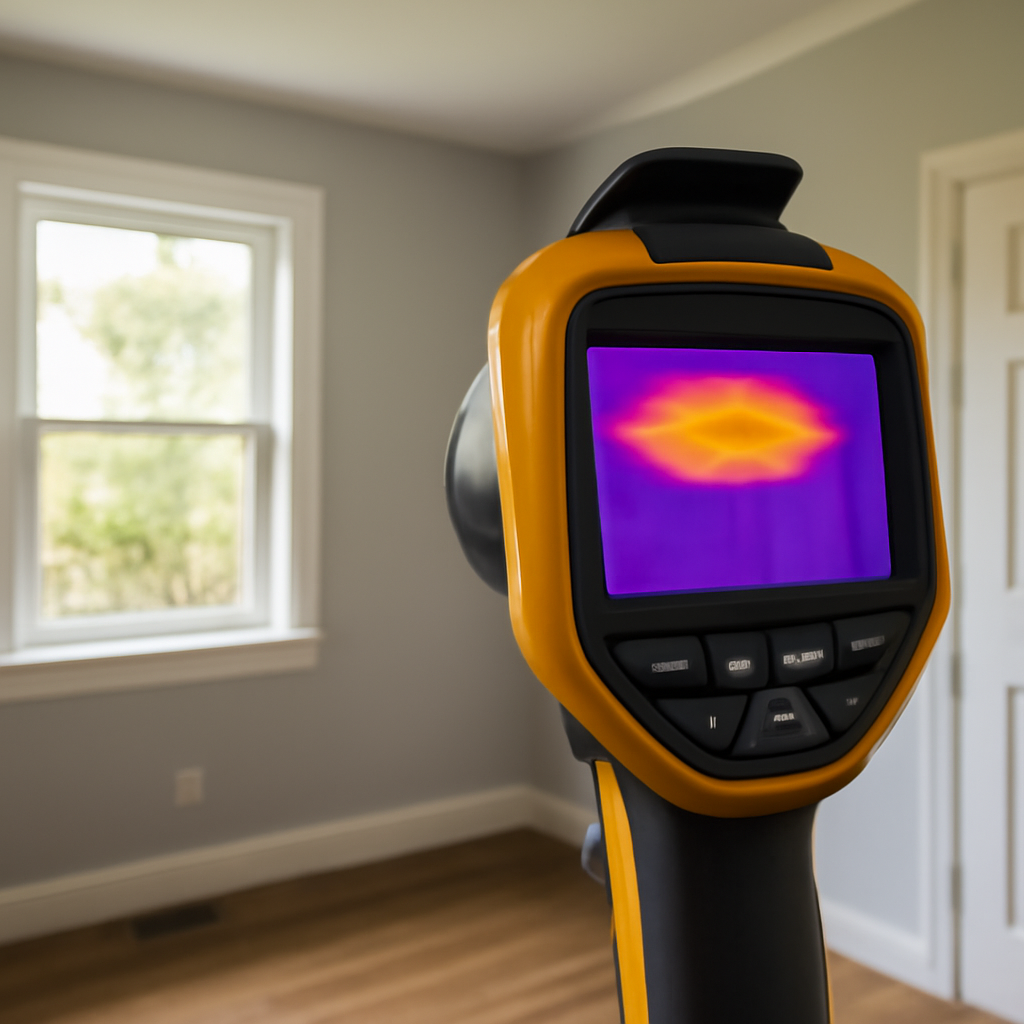
Searches for “fluke phone thermal camera” sometimes assume Fluke makes a phone-attached thermal accessory similar to the FLIR ONE Pro. They don’t. The Fluke thermal camera lineup uses a fundamentally different design philosophy: standalone cameras with their own integrated displays that connect to phones wirelessly via Bluetooth for image transfer, rather than accessories that attach physically to phones and use the phone as the display. Understanding this design distinction matters because it shapes which workflows the Fluke approach handles well and where the phone-attached approach is better. This guide explains the phone-connected design Fluke uses, contrasts it with the phone-attached alternative, and clarifies which use cases each design fits.
Two different design philosophies
The phone-thermal-camera market currently divides into two distinct design approaches. Phone-attached cameras (FLIR ONE Pro USB-C and Lightning variants, Seek Thermal CompactPro) physically plug into the phone’s data port and use the phone’s screen, processor, battery, and storage. The phone IS the camera in this design — the accessory is essentially an external sensor and lens hung off the phone’s existing capability.
Phone-connected cameras (Fluke iSee TC450, TC550, TC600, and the Ti-Series pistol-grip handhelds) are complete standalone cameras with their own screens, batteries, processors, and storage. They connect to phones over Bluetooth or Wi-Fi for image transfer and reporting, but the phone is never the camera’s display. The camera works fully without any phone present at all.
The distinction is more than semantic. The two approaches result in dramatically different form factors, price points, workflow patterns, and durability characteristics. Neither is universally better — they fit different inspection scenarios. FLIR ONE Pro phone-attached approach represents the alternative design.
What “phone-connected” means in practice
In the Fluke design, the inspector holds and operates the camera as a self-contained tool. The camera’s own 3.5- to 4.3-inch display shows the live thermal feed. The camera’s own controls — physical buttons, touchscreen on higher-tier models — handle capture, settings adjustments, and image review. Captured radiometric images save to a microSD card in the camera. None of this requires a phone to be present or paired during capture.
The phone enters the workflow at the image management and reporting stage. After capture, the inspector pairs the camera with a phone via Bluetooth (or Wi-Fi on cameras that support it), launches the Fluke Connect app, and transfers images from the camera to the phone. The phone then handles cloud sync, image annotation in the app, report generation, and sharing. This phase happens during natural breaks or at the end of an inspection session rather than continuously during capture.
What “phone-attached” means in practice
In the FLIR ONE Pro design, the inspector plugs the accessory into the phone’s USB-C or Lightning port and uses the phone as the camera. The phone’s screen IS the camera’s viewfinder. Captured images save to the phone’s internal storage immediately. There’s no separate transfer step because the image was never on a separate device.
The accessory itself is much smaller than a phone-connected standalone camera — typically the size of a credit card folded in half, weighing under two ounces. It draws power from the phone, has no battery of its own, and contains only the thermal sensor and a small visible-light camera. Most of the imaging system’s “smarts” — image processing, MSX overlay, capture controls, storage management — live in the phone app rather than the accessory.
Why Fluke chose phone-connected over phone-attached
Several design considerations favor the phone-connected approach for Fluke’s target market. Fluke’s primary customer base is professional electricians, HVAC technicians, and industrial maintenance personnel who work in environments where phone use can be impractical or risky. Live electrical environments, ladder work, confined spaces, and noisy industrial sites all favor a dedicated camera with its own display over a phone-attached accessory.
Durability matters more in these environments than in homeowner energy audits. A standalone camera with a rugged enclosure withstands the dropped-from-a-ladder or banged-against-a-conduit scenarios that occur during professional work. A phone with an accessory hanging off the port is more vulnerable in the same scenarios. Fluke’s overall product line — multimeters, clamp meters, vibration analyzers — emphasizes durability across the board, and the thermal camera line follows the same philosophy.
Multi-instrument integration also favors the phone-connected design. The Fluke Connect ecosystem ties multiple instruments (thermal camera, multimeter, clamp meter, vibration sensor) to the same phone app, with each instrument operating independently and feeding data into the consolidated app. A phone-attached thermal accessory would compete for the phone’s port with other potential phone-attached instruments, which doesn’t suit the multi-instrument workflow.
Why FLIR chose phone-attached for the ONE Pro line
FLIR’s design choice for the ONE Pro consumer line reflects a different target market. The ONE Pro targets homeowners, DIY enthusiasts, occasional contractors, and inspectors who want a low-cost entry into thermal imaging. For this market, the small form factor and low price point of a phone-attached accessory outweighs the durability and dedicated-camera benefits of a phone-connected standalone. The phone is already in the user’s pocket; adding a small accessory rather than a separate camera lowers the barrier to ownership.
FLIR also offers phone-connected designs in its higher-tier C-Series, E-Series, and T-Series for professional users who need that form factor. The ONE Pro phone-attached design is specifically a consumer-tier choice rather than a company-wide philosophy. FLIR IR camera lineup covers the broader brand range.
Practical implications of the design distinction
Image transfer speed differs substantially. Phone-attached cameras save images directly to the phone with no transfer delay — captures appear in the phone’s gallery instantly. Phone-connected cameras over Bluetooth take several seconds per image to transfer; Wi-Fi-equipped Fluke cameras transfer in under a second per image but still require the explicit transfer step. For workflows where instant phone availability of every image matters, phone-attached is faster.
Workflow during capture differs. Phone-attached cameras require holding the phone in the inspection space — sometimes awkward, sometimes restrictive. Phone-connected cameras allow the inspector to leave the phone in a pocket or vehicle during capture. For ladder work, confined spaces, or environments where phone management is impractical, phone-connected is more practical.
Cost positioning differs. Phone-attached cameras typically run $200 to $500. Phone-connected standalone cameras run $400 (low-end iSee) to $10,000 (high-end Ti-Series). The entry-level overlap exists — an iSee TC450 at $400 to $600 sits near the upper end of the ONE Pro pricing — but phone-attached generally favors the lower-cost end of the market and phone-connected favors the mid-to-upper end.
Which design fits which inspector workflow
Homeowner doing seasonal energy audits or occasional leak hunting: phone-attached (FLIR ONE Pro USB-C or similar) usually fits better. The price point and pocketable form factor match infrequent use, and the immediate phone integration suits the casual workflow. FLIR ONE Pro on iOS covers this homeowner use case in more depth.
Working home inspector adding thermal imaging as a routine service: either design can work, with the choice depending on existing tool ecosystem and workflow preferences. Inspectors who already use Fluke multimeters and clamp meters benefit from the unified Fluke Connect ecosystem the phone-connected iSee cameras provide. Inspectors with mixed instrument brands often choose based on which thermal camera tier matches their image-quality needs without regard to brand integration.
Working electrician, HVAC technician, or industrial maintenance person: phone-connected typically fits better. The durability of a standalone camera, the freedom to leave the phone in a pocket during electrically active work, and the multi-instrument integration of the Fluke Connect ecosystem all favor the phone-connected design in these environments. The NFPA 70B electrical equipment maintenance standard recognizes thermography as a primary predictive tool, and the phone-connected design suits the standard’s workflow more cleanly.
Repair and warranty considerations for each design
The design distinction also affects what happens when something fails. A phone-attached thermal accessory that develops a hardware fault must be returned to the manufacturer for repair or replacement; the connector and the small enclosure don’t easily lend themselves to field service. A phone-connected standalone camera typically has more accessible internal components and a more substantial service ecosystem behind it, including calibration adjustment, battery replacement, and lens cleaning that authorized service centers can perform.
Warranty terms differ accordingly. Phone-attached cameras typically carry one to two year limited warranties focused on manufacturing defects. Phone-connected professional cameras often carry two to five year warranties with calibration verification included. For professional users where camera downtime affects revenue, the more substantial service infrastructure behind phone-connected designs is a meaningful consideration that goes beyond initial purchase price comparison.
The category positioning Fluke chose
Fluke’s category positioning for the iSee and Ti-Series treats the phone connection as a value-added integration feature rather than a fundamental capability. The cameras work fully standalone — capturing, displaying, storing, and reviewing thermal images without any phone involvement. The Fluke Connect phone integration adds cloud sync, multi-instrument reporting, and broader workflow features but is not required for basic operation.
This positioning differs from the phone-attached approach where the phone is not optional. A FLIR ONE Pro cannot capture an image without a paired phone present and connected; the accessory has no internal way to operate independently. The phone-connected approach can also operate fully without a phone, with the Fluke Connect features adding value when phone integration is wanted.
Image quality differences between the two approaches
The phone-connected and phone-attached designs also tend to land at different image-quality tiers, though there is overlap at the boundaries. Phone-attached cameras currently top out at 160 by 120 thermal pixel resolution because the small accessory form factor constrains sensor size and supporting optics. Phone-connected standalone cameras span a much wider range, from 160 by 120 at the lower end of Fluke iSee or comparable products through 640 by 480 on professional handhelds. For applications where higher resolution matters — formal inspection reports, certified thermography, electrical predictive maintenance — the phone-connected design is the only way to reach those resolutions.
This resolution gap is not absolute. Some phone-attached cameras have crept up toward higher resolutions in recent product generations, and some entry-level phone-connected cameras share the same 160 by 120 resolution as phone-attached alternatives. The general pattern is that phone-connected cameras span a much wider quality range while phone-attached cameras cluster at the consumer end. Infrared camera cost considerations covers how resolution affects pricing across the market.
Picking the right approach for your situation
The most useful question to ask is what your inspection environment looks like. If you’re doing residential energy audits in cooperative environments where holding a phone is practical, and you’re an occasional rather than daily user, the phone-attached approach is probably the right starting point. The lower price point and minimal additional equipment to carry suit casual use.
If you’re doing professional work in environments where dedicated equipment matters — ladder work, electrical environments, industrial sites, full-day field workflows — the phone-connected approach is generally better suited. The durability, dedicated controls, and integration with broader instrument ecosystems all matter more in professional contexts.
For Front Range inspectors and homeowners weighing the choice, the practical answer often depends on how many other Fluke instruments are already in the workflow. Home inspection tools hub covers the broader equipment ecosystem that pairs with thermal imaging regardless of design choice.
References
- Thermographic Inspections for Buildings — U.S. Department of Energy
- HVAC Thermography Resources — ASHRAE
- Infrared Certification Program — InterNACHI
- NFPA 70B Electrical Equipment Maintenance — National Fire Protection Association
Thermal imaging cameras
Infrared cameras reveal hidden moisture, missing insulation, and air leaks. Phone-attachment models are the budget entry point; standalone units have higher resolution.
| Product | Why | Buy |
|---|---|---|
 FLIR ONE Pro (phone) FLIR ONE Pro (phone) | Plugs into iPhone/Android; inspector favorite. | Amazon — $349.00 |
 Topdon TC001 Topdon TC001 | High-res phone module at a low price. | Amazon — $199.99 |
 FLIR C5 Compact FLIR C5 Compact | Standalone pocket camera with Wi-Fi. | Amazon — $449.00 |