Security Thermal Camera: What Homeowners Need to Know
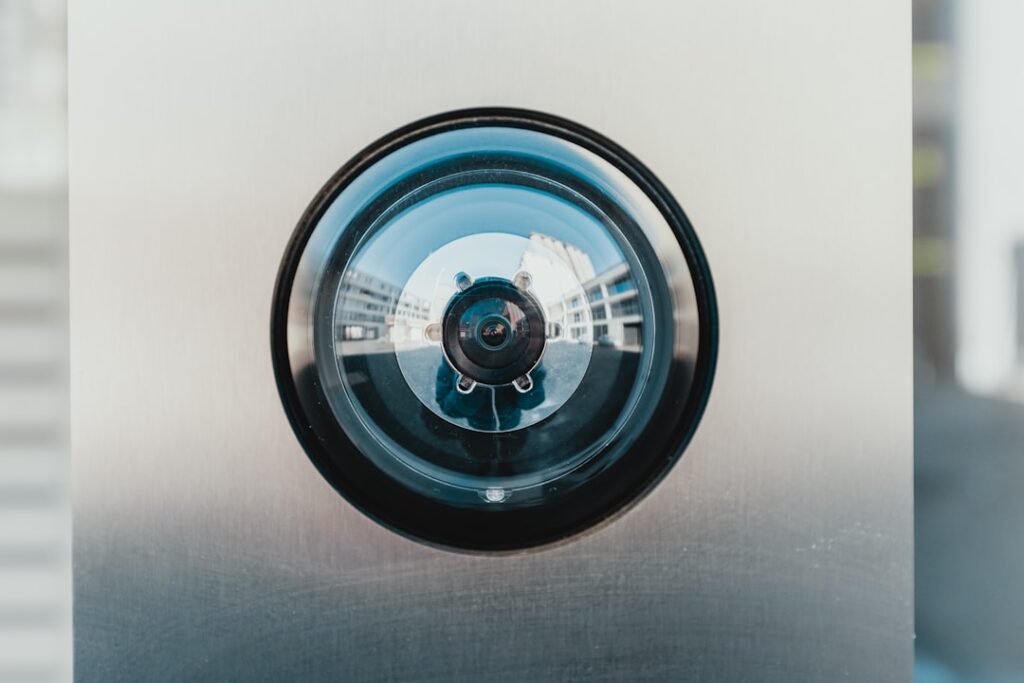
A security thermal camera serves a different purpose than the handheld thermal cameras used for building inspection. Where inspection cameras measure temperatures and document findings, security thermal cameras perform 24/7 perimeter monitoring, detect human or animal intrusion in low-light conditions, and integrate with video management systems for ongoing surveillance. This guide walks through what security thermal cameras actually do, the differences between industrial and residential implementations, where the technology overlaps with the building-inspection thermal cameras most homeowners encounter, and the cost and capability tradeoffs that determine whether security thermal is worth the investment for a given property.
Part of our Thermal Imaging for Homes guide — start there for the full picture →
What security thermal cameras detect
Security thermal cameras use the same long-wave infrared (LWIR) detection technology as handheld inspection thermal cameras, but with different optical configuration and software optimization. The sensor detects warm objects against cool backgrounds — a person walking through cool nighttime vegetation, a vehicle on a dark road, an animal crossing a property line. The detection works regardless of visible light conditions, distinguishing security thermal cameras from conventional CCTV cameras that need either ambient light or active infrared illumination to produce usable imagery at night.
The advantages over visible-light security cameras include reliable detection in complete darkness, immunity to glare from headlights or sun, ability to detect motion that color cameras miss against complex backgrounds, and detection through light fog or smoke that defeats normal cameras. The disadvantages include inability to identify subjects by visible features (clothing color, license plates, facial details), higher cost than equivalent visible-light cameras, and reliance on temperature contrast between subject and background that varies with conditions.
Industrial security thermal applications
The largest market for security thermal cameras is industrial perimeter security: airports, power generation facilities, refineries, military installations, critical infrastructure sites. These applications deploy fixed-mount thermal cameras on poles, towers, or building mounts, often integrated with analytics software that automatically detects intrusion events and triggers alerts. The cameras typically rate IP66 or higher for weather resistance, operate in temperature ranges from -40 to 60 degrees Celsius, and use higher-resolution sensors (640×480 or higher) to support detection at long ranges.
Industrial security thermal systems cost in the tens of thousands to hundreds of thousands of dollars depending on coverage area, number of camera positions, and analytics integration. Manufacturers serving this market include FLIR (with their Saros and Quasar product lines), Axis Communications, Bosch, Hanwha, and a handful of specialized military and government suppliers. The technology is mature and reliable, with multi-year service expectations and substantial professional installation and maintenance ecosystems around each major vendor.
Residential security thermal: the smaller market
Residential security thermal cameras exist but represent a much smaller market than industrial systems. The cost-versus-benefit calculation usually does not favor thermal over conventional security cameras for residential use: a $200 visible-light security camera with active infrared illumination covers most residential surveillance needs at a fraction of the cost of even an entry-tier residential thermal camera ($800 to $2,000). The thermal advantages — detection in complete darkness, immunity to lighting glare, detection through obstacles like vegetation — matter less in residential contexts than they do in industrial perimeter security.
Several residential security thermal products exist in 2026. Some are repackaged versions of industrial cameras targeted at high-end residential or small-commercial properties. Some are integrated solutions where a thermal camera operates alongside conventional cameras in a hybrid system, with the thermal camera handling night detection and the visible camera handling daytime documentation. The pricing for residential thermal security usually starts around $800 to $1,500 per camera position, scaling up substantially for multi-camera installations with central monitoring.
The FLIR Lorex connection (a historical note)
Some residential security thermal cameras carry the Lorex brand, which is worth a brief explanation. Lorex was historically a FLIR subsidiary focused on consumer and small-business security products; FLIR sold the Lorex business in 2018 to a separate company. Some Lorex products today retain FLIR-licensed thermal sensors but are otherwise independent of FLIR’s core inspection thermal camera business. The Lorex brand continues to appear in residential security thermal product searches, often confusing consumers who do not realize the corporate relationship has changed since the divestiture.
For homeowners shopping residential security thermal in 2026, the brand landscape includes Lorex (independent, with FLIR sensor licensing for some products), Reolink and Annke (Chinese-origin brands at lower price points), Bosch and Axis (industrial brands with selective consumer products), and various integrators that combine third-party hardware with their own monitoring services. Each brand has its own ecosystem strengths and weaknesses; the choice depends as much on monitoring software preference as on hardware specifications.
Where security thermal makes sense for homeowners
Some residential use cases genuinely benefit from thermal security cameras despite the higher cost. Rural properties with substantial acreage and limited ambient lighting find thermal helpful for detecting wildlife or human intrusion that conventional cameras miss. Properties adjacent to wildland-urban interfaces with active predator pressure (mountain lion, bear, coyote) use thermal to monitor pet and livestock safety areas. High-value collectibles, art, or vehicle storage properties sometimes justify the additional security investment. Vacation homes left unoccupied for extended periods benefit from the false-alarm reduction that thermal-trigger surveillance provides compared to motion sensors that fire on wind-blown vegetation.
Front Range homeowners with foothill or canyon-adjacent properties sometimes find the case for thermal security stronger than urban or suburban homeowners do. The combination of dark nights (limited ambient light pollution), occasional wildlife activity, and substantial property boundaries justifies the investment in some properties. For typical suburban single-family residential security, conventional camera systems with active infrared still represent the better cost-benefit calculation in most cases.
Building-inspection crossover
Both security thermal cameras and building-inspection thermal cameras use the same fundamental LWIR detection technology, but they are optimized for different purposes and rarely substitute well for each other. A fixed-mount security thermal camera produces continuous video of a defined surveillance zone, optimized for motion detection and identification; it lacks the temperature measurement features, image fusion capabilities, and inspection workflow integration of handheld building inspection cameras. A handheld inspection camera produces single-point thermal measurements optimized for diagnostic work but lacks the continuous monitoring, weather resistance, and surveillance software integration of security cameras.
Property owners with both inspection and security thermal needs typically buy separate devices for each application rather than trying to make one device serve both purposes. The exception is occasional handheld use of an inspection camera for ad-hoc nighttime perimeter checks, which works fine but does not replace continuous surveillance. Our companion best handheld thermal camera guide covers the inspection category, and the broader home inspection tools buyer’s guide walks through the inspection-focused product landscape.
Installation and infrastructure requirements
Security thermal cameras require more substantial installation than handheld inspection cameras. Permanent mounting on poles, building corners, or dedicated camera structures provides the field of view. Power supply via PoE (power over Ethernet) or low-voltage wiring runs from the camera location back to a network video recorder or central monitoring system. Network connectivity, either wired Ethernet or wireless via dedicated industrial-grade Wi-Fi, supports the video stream and management interface. Environmental enclosures protect the camera from weather, with heating elements in cold climates to prevent ice buildup on lenses.
This infrastructure adds substantial cost beyond the camera itself. A complete residential thermal security installation often runs 2 to 3 times the camera hardware cost when professional installation, wiring, mounting, and monitoring system integration are included. Some homeowners install themselves to reduce costs, particularly for single-camera installations near existing power and network runs; multi-camera installations almost always benefit from professional installation given the complexity of running wiring and configuring video management software.
Software and monitoring considerations
Security thermal cameras integrate with video management software (VMS) that handles continuous recording, motion-event detection, alert routing, and remote access. Each major camera brand has its own VMS ecosystem; cross-brand integration is possible through standards like ONVIF but often requires additional configuration work. Cloud-based monitoring services add a layer of professional review and notification to the local VMS, with recurring monthly costs ranging from $10 to $100+ per camera depending on service level.
Analytics software running on the camera or the VMS distinguishes useful alerts from noise. Without analytics, every motion event triggers an alert, including wind-blown vegetation, passing animals, and other false positives that quickly desensitize the user. Modern analytics use machine learning to classify motion events — person, vehicle, animal, environmental — and filter alerts to only the meaningful categories. Analytics quality varies substantially across brands; reading reviews of the analytics performance is at least as important as reading reviews of the hardware quality.
Total cost of ownership
The total cost of owning a security thermal camera system over 5 years substantially exceeds the headline hardware cost. Camera hardware represents 40% to 60% of total cost. Installation and infrastructure runs another 20% to 40%. Monitoring service subscriptions add 10% to 20% over 5 years if professional monitoring is included. Maintenance, replacement components, and software upgrades add the remainder. For a $1,500 residential thermal camera installation, total 5-year cost typically runs $3,500 to $6,000 depending on monitoring choices.
This total cost shapes the realistic question of whether security thermal is the right choice. For properties where the perimeter security is genuinely valuable — high-value contents, rural isolation, specific threats — the cost is justified. For typical suburban properties where conventional security cameras handle the surveillance need adequately, the thermal premium does not produce proportional security improvement. Honest assessment of the actual security need drives better purchase decisions than feature-driven shopping.
Privacy and legal considerations
Fixed-mount thermal cameras can capture detail from neighboring properties depending on field of view, mounting angle, and lens choice. Privacy laws vary by state but generally restrict surveillance that captures images of neighbors without consent — including thermal imagery of neighboring residences. Aiming the camera carefully to limit coverage to the user’s own property, posting visible notice that surveillance is in use, and consulting local zoning or HOA rules before installation all reduce legal exposure. Some jurisdictions also require permits for permanent camera installations on building exteriors.
Recorded footage from security thermal cameras can be subject to discovery in legal proceedings — both criminal cases where the footage may help the property owner and civil disputes where the footage may be requested by adverse parties. Retention policies and storage location affect what footage exists at any given time; consulting an attorney familiar with surveillance law in the relevant jurisdiction is reasonable before installing systems that record continuously.
Maintenance and reliability
Outdoor security thermal cameras require periodic maintenance to maintain reliability. Lens cleaning every few months removes accumulated dust, pollen, and atmospheric contamination that reduces image quality. Mounting hardware inspection for corrosion, loosening, or damage from wildlife (birds nesting on mount platforms, squirrels chewing wiring) prevents failures. Firmware updates from the manufacturer address vulnerabilities and add features but require active management to deploy across multi-camera installations.
Expected service life for outdoor security thermal cameras typically runs 5 to 10 years before either the sensor degrades meaningfully or the firmware support cycle ends. Replacement planning matters for ongoing operation — knowing when the manufacturer plans to discontinue support for the current camera generation, and budgeting for replacement on an appropriate cycle. Some manufacturers offer extended support contracts that defer replacement costs but add ongoing fees; the financial calculation varies by installation and brand.
References
- InterNACHI thermal imaging inspection guidance — International Association of Certified Home Inspectors
- ENERGY STAR: Seal and Insulate — U.S. Environmental Protection Agency (ENERGY STAR)
- ASHRAE thermal imaging standards — American Society of Heating, Refrigerating and Air-Conditioning Engineers
- NFPA security applications guidance — National Fire Protection Association
Frequently asked questions
How is a security thermal camera different from a building inspection camera?
Security thermal cameras are designed for continuous fixed-mount surveillance with weather resistance and analytics software integration. Inspection cameras are handheld, optimized for temperature measurement and diagnostic work, with image fusion and reporting features. The fundamental LWIR detection technology is shared; the optimization is different.
Is residential security thermal worth the cost?
For typical suburban properties, conventional visible-light security cameras with active infrared usually deliver better cost-benefit. Residential thermal makes more sense for rural properties with substantial acreage, specific wildlife threats, or high-value contents that justify the additional investment in detection capability.
What does a residential thermal security system cost?
Camera hardware starts around $800 to $1,500 per position for entry-tier residential thermal cameras. Total 5-year cost including installation, infrastructure, and monitoring services typically runs $3,500 to $6,000 per camera. Multi-camera installations scale roughly linearly with the per-camera cost.
Did FLIR sell Lorex?
Yes. FLIR divested the Lorex consumer security business in 2018. Some current Lorex products retain FLIR-licensed sensors through ongoing supply relationships, but the two businesses are independent. This historical relationship occasionally confuses consumers researching residential thermal security.
Thermal imaging cameras
Infrared cameras reveal hidden moisture, missing insulation, and air leaks. Phone-attachment models are the budget entry point; standalone units have higher resolution.
| Product | Why | Buy |
|---|---|---|
 FLIR ONE Pro (phone) FLIR ONE Pro (phone) | Plugs into iPhone/Android; inspector favorite. | Amazon — $349.00 |
 Topdon TC001 Topdon TC001 | High-res phone module at a low price. | Amazon — $199.99 |
 FLIR C5 Compact FLIR C5 Compact | Standalone pocket camera with Wi-Fi. | Amazon — $611.50 |