Thermal Security Cameras: What They Do and Cost
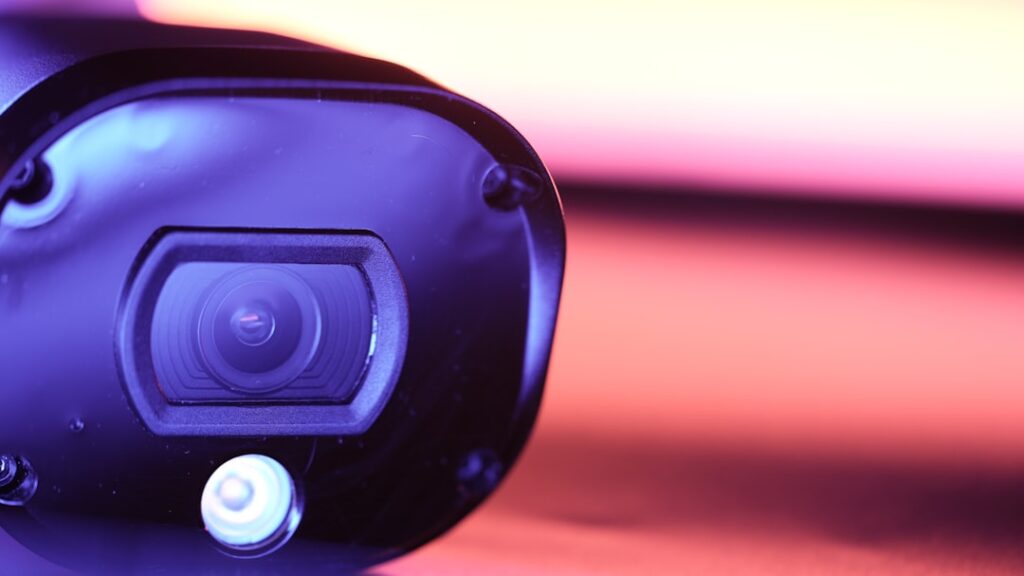
A thermal imaging security camera detects the long-wave infrared (LWIR) heat radiated by people and vehicles instead of reflected visible light. That single difference is why it can flag a walking intruder in total darkness, through light fog or smoke, and at ranges where a visible-light camera sees nothing. It is a different tool than the handheld thermal camera used for home energy audits and moisture work, with different optics, different price points, and different limits. If you are weighing one for a rural or acreage property, here is what it actually buys you, where it falls flat, and what 2026 pricing looks like.
Part of our Thermal Imaging for Homes guide — start there for the full picture →
What it actually detects
Everything above absolute zero emits infrared. A thermal camera reads that emission and maps temperature to brightness or a color palette, so a 98.6 F person stands out sharply against cooler ground, walls, and foliage. Because it needs no illumination at all, it works in a pitch-black field, an unlit loading bay, or a driveway with no ambient light. It also punches through obscurants — fog, light rain, drifting smoke — that scatter visible light and blind ordinary cameras.
Detection range comes down to three specs: sensor resolution, pixel pitch (the physical size of each detector element), and lens focal length. A 320×240 sensor at 17-micron pitch behind a 35 mm lens detects a walking person at roughly 200–250 meters. Swap to a 75 mm lens and detection pushes past 500 meters, but the field of view narrows to a slice. Higher resolution (640×480) and finer pitch (12 microns) extend range further at higher cost. The industry frames this with the Johnson criteria, which set detection, recognition, and identification as increasing multiples of pixels-on-target — you can spot that something warm is moving long before you have enough pixels to tell what it is.
How it differs from an inspection thermal camera
This is the confusion that sends most homeowners down the wrong aisle. A handheld inspection unit — a FLIR C5, an E-series, a Fluke — is built for short range and high detail: it has a wide field of view, a short focal length, and per-pixel temperature calibration so you can read the actual temperature of a stud, an outlet, or a damp patch of drywall. A security camera inverts every one of those choices. It uses a long telephoto focal length to reach hundreds of meters, optimizes for motion contrast rather than absolute thermometry, and lives in a fixed, weatherproof outdoor housing.
Point a long-range security thermal camera at a wall three feet away and you get a useless blur. If diagnosing your own building is the goal, the inspection category is the right one — start with what a thermal imaging camera is and how it works, and see the brand-specific breakdown in our guide to FLIR thermal cameras.
Where it earns its price
Perimeter coverage on large or rural property is the strongest case. On five-plus acres with a long driveway, outbuildings, and a property line crossing open or wooded ground, one or two thermal cameras on high points cover detection that would otherwise need a dozen visible-light cameras and floodlights. Many such properties have no ambient lighting to support a visible camera’s low-light mode in the first place — total-darkness operation is the whole point.
Equipment yards, contractor storage, and remote infrastructure benefit the same way: no illumination means lower electrical cost and no stadium-lit appearance. Fog and smoke penetration adds real value in foggy, coastal, or wildfire-prone areas, which is why the U.S. Department of Energy also documents thermal imaging in building and energy contexts where light-independent sensing matters.
Where it lets you down
A thermal image shows a heat-shaped silhouette — not a face, clothing color, or license plate. It tells you someone is on the property; it cannot tell an investigator who. That is the single biggest reason not to run thermal alone: a camera that sees a figure through fog at 500 meters is worthless in court if nothing on your system can identify that figure.
Physics imposes other limits. LWIR does not pass through ordinary glass, so a camera cannot see through a window (and, usefully, cannot be aimed through one either). Heavy rain absorbs infrared and cuts range. When ambient temperature climbs near body temperature — a hot summer dawn — contrast collapses and targets fade into the background. False triggers come from sun-warmed metal, recently parked vehicles with hot engines, and animals that read like a distant person. Good analytics filter most of that; bargain cameras do not.
Why bi-spectrum is usually the answer
Most current security models put a thermal sensor and a visible-light sensor in one housing — called bi-spectrum or fusion. Thermal handles detection in darkness or through obscurants; the visible channel supplies identification when there is enough light. Some blend the two into a fused image, others present them side by side. For a homeowner buyer this pairing resolves the identification gap in a single device, which is why it is the sensible default rather than a thermal-only camera.
2026 models and price tiers
| Tier | Price | Typical spec | Human detection range | Example lines |
|---|---|---|---|---|
| Consumer | $300–$1,000 | 160×120 or 256×192, bi-spectrum | 50–150 m | Reolink thermal, Annke, entry Hikvision |
| Prosumer | $1,000–$3,000 | 320×240 to 640×480, longer lens, IP-rated | 200–500 m | Hikvision DeepInView TandemVu, Dahua bi-spectrum |
| Commercial | $3,000–$15,000+ | Telephoto optics, perimeter analytics | 800 m+ (vehicle 1 km+) | FLIR Saros/Triton, Pelco Sarix Pro, Axis Q19 |
The consumer tier suits a single vulnerable entry point or a small perimeter; the commercial tier is airport-and-critical-infrastructure gear that most estates never need. If you are comparing sensor grades across the whole market first, our roundup of long-range thermal imaging covers the optics trade-offs in more depth.
Installing and running one
Plan for outdoor-rated mounting, weatherproof cable runs, and either an NVR or a cloud platform for recording. Most units are Power over Ethernet, drawing roughly 10–25 watts depending on whether a cold-weather heating element runs — one cable carries both power and data. A thermal-only 320×240 stream is tiny, but a bi-spectrum camera with a high-resolution visible channel eats bandwidth like a 4K camera; budget roughly 2–4 TB of storage for 30 days of continuous bi-spectrum recording.
Analytics matter more here than on any visible camera. Clean thermal silhouettes classify cleanly, so a good system tags movement as person, vehicle, or animal and kills the false alarms that ambient warm objects would otherwise generate all night. Before you mount anything, walk the property and confirm clear sightlines — thermal sees through fog, not through a hedge blocking the lower third of the frame.
Maintenance and the legal line
The lens is germanium, not glass, because glass is opaque to LWIR. Clean it only with the agent the manufacturer specifies; ordinary glass cleaner can damage the coating. Check housing seals annually for condensation and keep firmware current, since anything internet-connected is an attack surface.
Aim carefully. A thermal camera pointed across a property line can register heat signatures on a neighbor’s land, which some jurisdictions treat as intrusive surveillance; many HOAs and municipalities also regulate exterior camera placement, and recorded footage can carry retention or disclosure obligations under state law. On mixed-use or workplace sites, OSHA addresses thermal and monitoring equipment in occupational settings. Site the cameras to cover only what you own.
So do you need one?
Choose thermal when the property has long sightlines and little or no ambient light, when fog or smoke periodically defeats visible coverage, or when after-dark detection matters more than a clean face shot — and always pair it with a visible or IR-illuminated camera where identification counts. For a standard suburban lot, it is usually overkill; a modern low-light visible camera with IR illumination covers the job for a fraction of the price. If you are still mapping out the broader toolkit, our overview of home inspection and detection tools puts the thermal categories side by side. This guide summarizes published manufacturer specifications and DOE, OSHA, and InterNACHI guidance current as of 2026.
Frequently asked questions
Can a thermal security camera see through walls?
No. Thermal cameras read surface heat, not heat through solid material. They see through fog and light smoke, but solid walls, metal, and ordinary window glass all block LWIR radiation, so nothing behind them registers.
What's the difference between a thermal security camera and a thermal inspection camera?
Security cameras use telephoto optics and fixed outdoor housings for long-range detection of movement and presence. Inspection cameras are handheld, wide-angle, and calibrated for per-pixel temperature readings on building components at close range. Aiming one at the other's job produces poor results.
Do I need thermal if I already have IR-illuminated cameras?
For most suburban homes, no — IR-illuminated visible cameras cover the use case. Thermal earns its cost on large or rural properties with long sightlines, in fog-prone areas, or where total darkness defeats other systems.
Why can't thermal cameras identify a person?
A thermal image is a heat silhouette, not a photograph. It shows a warm human shape but no facial detail, clothing color, or plate number. That's why effective systems pair thermal for detection with a visible or IR camera for identification.
Thermal imaging cameras
Infrared cameras reveal hidden moisture, missing insulation, and air leaks. Phone-attachment models are the budget entry point; standalone units have higher resolution.
| Product | Why | Buy |
|---|---|---|
 FLIR ONE Pro (phone) FLIR ONE Pro (phone) | Plugs into iPhone/Android; inspector favorite. | Amazon — $349.00 |
 Topdon TC001 Topdon TC001 | High-res phone module at a low price. | Amazon — $199.99 |
 FLIR C5 Compact FLIR C5 Compact | Standalone pocket camera with Wi-Fi. | Amazon — $611.50 |