Thermal Imaging CCTV Camera: What Homeowners Need to Know
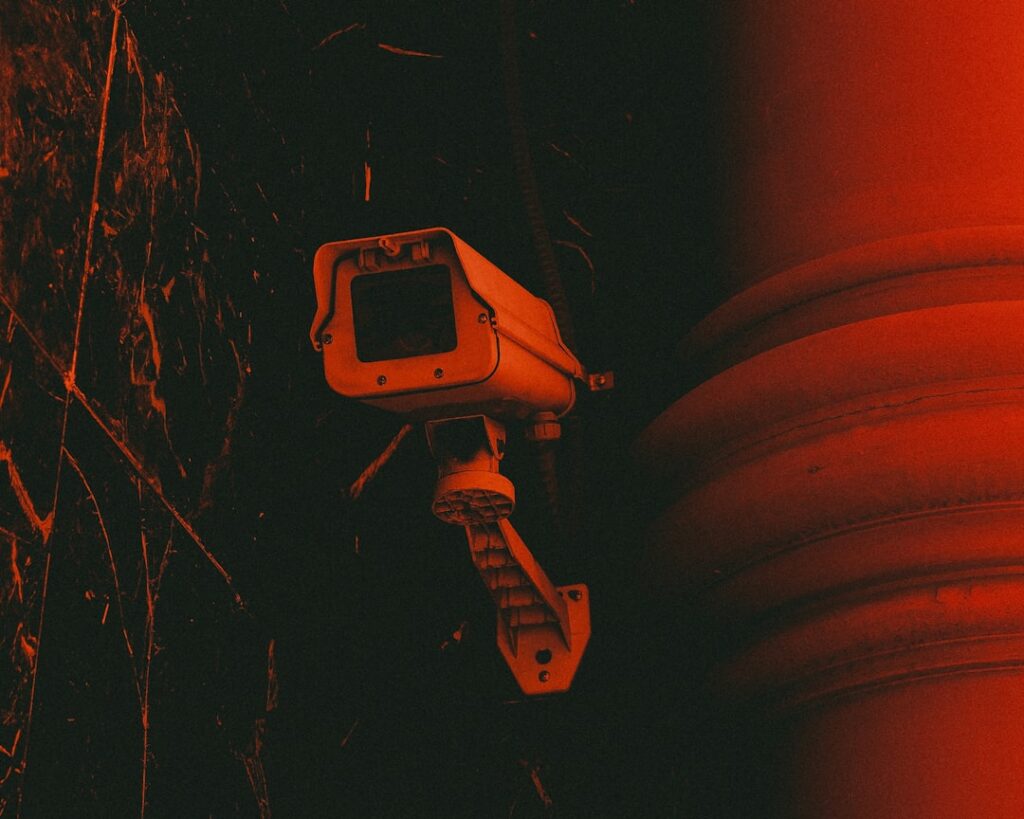
A thermal imaging CCTV camera is a different product than a handheld thermal-imaging tool, even when the underlying sensor technology is similar. CCTV thermal cameras are fixed-mount surveillance devices designed for 24/7 operation, integrated with video management systems, optimized for long-range perimeter detection, and built to weatherproof and vandal-resistant ratings. They are not interchangeable with portable inspection thermal cameras. This guide summarizes ASIS International security guidance, NFPA fire-detection standards, and InterNACHI inspection-tool context current as of 2026. It is informational and not a substitute for a licensed security integrator for actual deployment.
Part of our Thermal Imaging for Homes guide — start there for the full picture →
What a thermal CCTV camera does that visible-spectrum CCTV cannot
Visible-light CCTV cameras depend on ambient light or supplementary illumination (infrared LEDs) to produce a usable image. They fail in true darkness, in smoke, in heavy fog, and in glare conditions where strong backlighting blinds the sensor. Thermal CCTV cameras image emitted heat — they work in complete darkness, see through smoke and light fog, and are unaffected by the visible-light dynamic range. A person standing 200 yards from a thermal camera appears as a distinct heat signature regardless of clothing camouflage or environmental conditions that would defeat a visible-light camera.
Detection-range categories
Thermal CCTV systems are typically rated by "DRI" specs — Detection, Recognition, Identification — at specified distances. Detection means there is something there. Recognition means it is human-shaped versus animal-shaped. Identification means specific characteristics (clothing, gait) can be distinguished. A 320×240 thermal sensor with a 19-millimeter lens detects a human at roughly 600 meters, recognizes at 150 meters, and identifies at 75 meters. Longer focal lengths extend these ranges proportionally but narrow the field of view. Industrial perimeter cameras commonly use 50-millimeter or longer lenses for boundary monitoring.
Industrial perimeter security applications
The largest market for fixed-mount thermal CCTV is perimeter security at industrial facilities — power generation, chemical processing, water treatment, data centers, government installations. The cameras mount on poles or building corners along the perimeter, integrated with video analytics that detect and classify thermal signatures crossing virtual tripwires. The system alerts security operators only when classified threats appear, dramatically reducing false alarms compared to motion-triggered visible-light systems. Industrial systems run $5,000 to $25,000 per camera installed, including the mount, network connection, and integration with the video management system.
Residential thermal CCTV options
Residential-grade thermal CCTV exists at substantially lower price points but with reduced range and feature sets. Consumer-grade fixed-mount thermal cameras run $400 to $2,000 per unit and offer detection ranges of 30 to 100 meters — adequate for monitoring a backyard, a driveway, or a property approach. Many integrate with consumer security platforms (Wyze, Reolink, others) over standard PoE or WiFi. Image quality at this price point is lower than industrial systems and the cameras typically lack analytics for human-versus-animal classification. The reference on security thermal camera options covers the residential category in more depth.
How the technology fits with fire detection
Fixed thermal cameras serve a secondary use as early-stage fire-detection sensors. NFPA 72 (the National Fire Alarm and Signaling Code) recognizes thermal imaging as an acceptable detection method in spaces where conventional smoke or heat detectors are impractical — large warehouses, atriums, transformer yards, and oil-storage facilities. The camera looks for thermal signatures rising above an operator-set threshold and triggers an alarm. Industrial deployments often combine thermal CCTV with traditional smoke detection for redundancy and early warning.
Recording and storage considerations
Thermal CCTV produces video at the same frame rates and codec efficiency as visible-light CCTV (typically H.264 or H.265 compression). A 320×240 thermal sensor recording at 9 frames per second uses substantially less storage than a 4K visible camera. Most thermal CCTV systems supplement rather than replace visible cameras; the standard deployment combines a thermal camera for detection with a visible-light camera (or pan-tilt-zoom unit) for identification once detection occurs. The video management system records both streams and links them for forensic review.
Industrial-grade product families
Fixed-mount thermal CCTV systems come from a small number of manufacturers serving the industrial security market. Product families include long-range perimeter cameras (often pole-mounted with PTZ control), short-range fixed-bullet cameras for building corners, and multi-spectral systems combining thermal and visible-light sensors in a single housing. Chinese manufacturers offer competitive alternatives at substantially lower price points, though export-control and import-restriction concerns have affected some markets in recent years.
Lorex consumer-channel history
The residential consumer security channel briefly carried thermal CCTV in partnership arrangements between manufacturers. One notable arrangement existed from 2014 through 2018, when consumer-grade thermal CCTV first appeared at big-box retailers. Manufacturer changes ended that arrangement in 2018; the residential thermal CCTV channel has since fragmented across multiple smaller brands. The companion article on forward looking infrared camera category covers the broader thermal-imaging market.
What thermal CCTV does not do well
Through-glass imaging fails because window glass blocks long-wave infrared. A thermal camera looking through a window cannot see what is on the other side of the glass — useful for outdoor-to-outdoor monitoring but useless for monitoring through windows. License-plate reading fails because thermal cameras cannot distinguish characters painted in low-emissivity ink. Facial identification fails because thermal images lack the visible-spectrum detail necessary for confident recognition. Each of these limitations means thermal supplements visible-light CCTV rather than replacing it.
The total-cost-of-ownership picture
Industrial-grade thermal CCTV per-camera cost ($5,000 to $25,000) is misleading without the surrounding infrastructure. The video management system, network bandwidth, central monitoring station, analytics licensing, and integration labor often multiply the per-camera number by 2x to 3x for total system cost. Annual maintenance, periodic recalibration, and lens cleaning add ongoing costs. The total-cost picture for an industrial perimeter deployment of 12 to 20 thermal cameras can run $200,000 to $1 million-plus depending on the facility.
Residential adoption barriers
Three barriers slow residential thermal CCTV adoption. Cost — even consumer-grade units run multiples of standard visible-light security cameras. Complexity — most residential users do not want to interpret thermal imagery. Resolution — at consumer price points the image is too low-resolution for confident interpretation without trained-operator review. The result: thermal CCTV remains primarily an industrial product, with residential use limited to high-value-property niches.
Integration with broader security systems
Modern thermal CCTV operates as an ONVIF-compliant network device, integrating with most enterprise video management systems (Genetec, Milestone, Avigilon, Hikvision). Analytics integration enables thermal-based alerts to feed into the existing security operations workflow. The integration model parallels other network-connected sensors (access-control, intrusion detection, environmental monitoring) and benefits from the same unified-management architecture.
When to call a professional
Residential thermal CCTV at the entry-level price point can be self-installed by reasonably capable homeowners using consumer security platforms. Industrial-grade perimeter security requires a licensed security integrator with experience in thermal-camera deployment, video analytics tuning, and integration with the facility’s existing security infrastructure. The integrator’s role extends beyond installation to ongoing system tuning as environmental conditions change with seasons.
Analytics tuning and false-alarm management
The biggest operational challenge with thermal CCTV is false-alarm management. Wildlife crossing camera fields of view produces thermal signatures similar to humans. Heat sources in the environment (vehicle exhaust, warm machinery, sun-heated metal surfaces) can trigger detection events. Wind-driven vegetation creates motion that confuses analytics. Tuning the analytics — adjusting detection thresholds, defining detection zones that exclude problematic areas, configuring time-of-day rules that allow expected activity — requires iterative calibration across multiple weeks. Poorly tuned systems generate so many false alarms that operators eventually ignore real events.
Integration with access control and intrusion detection
Modern security systems integrate thermal CCTV alerts with access-control credentials, intrusion-detection sensors, and notification platforms. A thermal-detection event in a restricted area can automatically trigger door locks, alert security operators, and log the event for forensic review. The integration architecture matters as much as the individual camera capabilities; a well-integrated system extends a single thermal-camera detection into a coordinated facility response.
Cybersecurity considerations
Network-connected security cameras are network endpoints subject to cybersecurity concerns. Default credentials, unpatched firmware, and unsegmented network placement create attack surfaces that attackers regularly exploit. Industrial deployments segregate camera networks from corporate IT networks, enforce credentialed access, maintain firmware patching schedules, and monitor camera-network traffic for anomalous patterns. Consumer-grade thermal cameras frequently lack these protections, making them more vulnerable to compromise than enterprise equipment.
Environmental factors affecting performance
Thermal cameras work better in some weather conditions than others. Cold clear nights produce dramatic thermal contrasts and excellent detection range. Warm humid days reduce thermal contrast and decrease effective detection range. Rain, snow, and dense fog interfere with thermal imaging similarly to visible-light imaging, though usually less severely. Direct sunlight loading on sensors produces measurement artifacts and image degradation. Properly specified deployments account for these conditions in their detection-range expectations.
Long-range surveillance applications
Thermal CCTV reaches detection ranges far beyond visible-light systems. Industrial perimeters monitored with 75-millimeter lenses on 640×480 sensors detect human-size targets at 1,500 meters and recognize them at 400 meters under good conditions. Coastal surveillance applications use thermal cameras to track small craft offshore at 5 kilometers or more. Border-security applications use higher-resolution sensors and longer lenses to detect activity at distances visible-light cameras cannot match. The military and government markets drive much of the long-range capability development that eventually filters into commercial applications.
Compliance and regulatory factors
Industrial security deployments often face compliance requirements that affect equipment selection. Critical infrastructure protection (CIP) standards from the North American Electric Reliability Corporation specify monitoring requirements for power-sector facilities. Chemical-facility anti-terrorism standards specify perimeter monitoring for higher-risk facilities. Federal procurement restrictions (NDAA Section 889) affect equipment selection for federal agencies and contractors. Each compliance framework affects which thermal CCTV products are eligible for specific deployment scenarios.
Installation timeline expectations
Industrial thermal CCTV deployments take longer to install than visible-light camera systems. Site survey to identify optimal camera positions: 1 to 2 weeks. Mounting infrastructure installation (poles, building attachments, conduit, power, network): 2 to 6 weeks. Camera installation and initial commissioning: 1 week per 5 to 10 cameras. Analytics tuning and false-alarm calibration: 2 to 4 weeks of iterative refinement. Total deployment timeline from contract signing to fully operational system commonly runs 3 to 6 months for facility-scale installations.
Cost-benefit framing for adoption
The cost-benefit analysis for thermal CCTV adoption depends heavily on the security risk being addressed. High-risk facilities with documented intrusion attempts justify the investment relatively easily. Lower-risk facilities may find that enhanced visible-light surveillance with infrared LED illumination provides adequate coverage at a fraction of the cost. The thermal capability matters most when conventional surveillance has documented failures (low-light intrusions, weather-condition gaps, smoke or fog obscuration). Without specific use cases that thermal addresses better than alternatives, the cost is hard to justify.
References
- NFPA 72 National Fire Alarm and Signaling Code — NFPA
- Infrared thermography overview — InterNACHI
- ENERGY STAR: Seal and Insulate — U.S. Environmental Protection Agency (ENERGY STAR)
- Building envelope standards — ASHRAE
- Standards of practice — ASHI
Frequently asked questions
What's the difference between thermal CCTV and a handheld thermal camera?
Thermal CCTV is a fixed-mount surveillance device built for 24/7 weatherproof operation, integrated with video management systems and optimized for long-range perimeter detection. Handheld thermal cameras are portable inspection tools optimized for short-range diagnostic imaging.
Can a thermal CCTV camera see through windows?
No. Glass blocks long-wave infrared, so thermal cameras cannot image through windows. This limits residential applications — thermal CCTV works for outdoor-to-outdoor monitoring but not for monitoring through window glass into a yard or street.
How far can a thermal CCTV camera detect a person?
Depends on sensor resolution and lens focal length. A 320x240 sensor with a 19-millimeter lens detects a human at roughly 600 meters and recognizes (human vs animal) at 150 meters. Industrial perimeter systems with longer lenses extend ranges proportionally.
What does a residential thermal security camera cost?
Consumer-grade fixed-mount thermal cameras run $400 to $2,000 per unit with detection ranges of 30 to 100 meters. Industrial perimeter systems run $5,000 to $25,000 per camera installed, plus surrounding video management infrastructure.
Thermal imaging cameras
Infrared cameras reveal hidden moisture, missing insulation, and air leaks. Phone-attachment models are the budget entry point; standalone units have higher resolution.
| Product | Why | Buy |
|---|---|---|
 FLIR ONE Pro (phone) FLIR ONE Pro (phone) | Plugs into iPhone/Android; inspector favorite. | Amazon — $349.00 |
 Topdon TC001 Topdon TC001 | High-res phone module at a low price. | Amazon — $199.99 |
 FLIR C5 Compact FLIR C5 Compact | Standalone pocket camera with Wi-Fi. | Amazon — $611.50 |