Rain Barrels in Colorado: Rules, Overflow and Foundation Safety
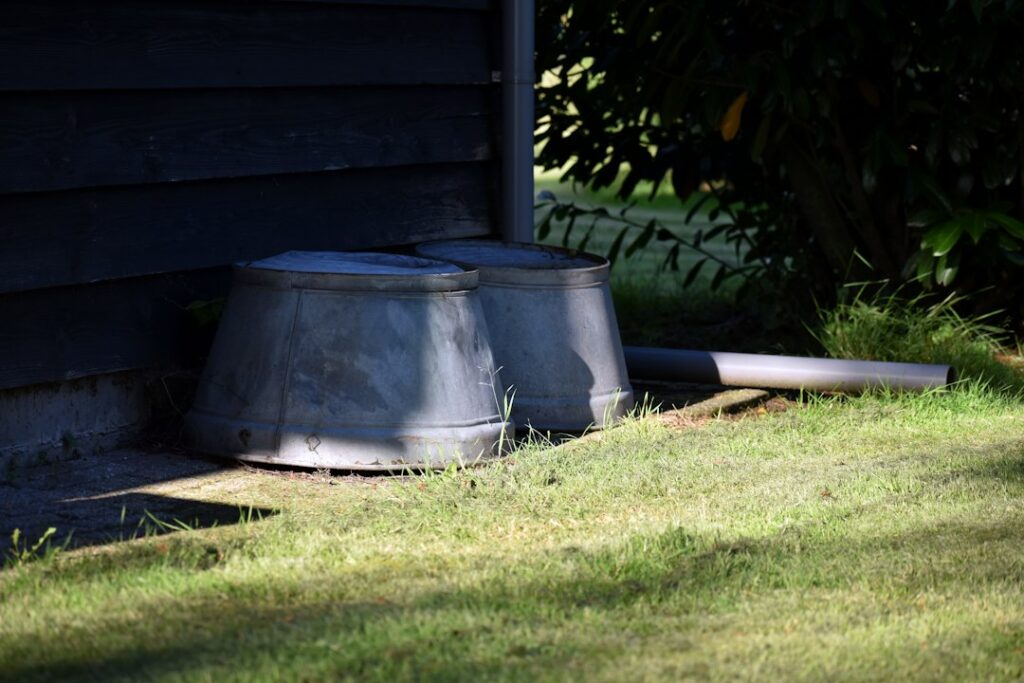
For years, Colorado stood out as one of the few states where catching rain off a roof was legally complicated. That changed in 2016, and today a rain barrel at the corner of the house is a common sight in Denver, Boulder, Fort Collins and Colorado Springs. A barrel seems like the simplest piece of equipment on a property: a container under a downspout. In practice, where it sits, where its overflow goes, how it is covered and what happens to it in January all affect the house it sits beside. A barrel that overflows against a foundation in heavy clay soil can cause more trouble than the free water is worth. This guide covers the general rules for residential collection in Colorado, how to route overflow safely, mosquito and water-quality issues, winter care, what inspectors notice and what a setup may cost.
Part of our Structure & Exterior guide — start there for the full picture →
Are Rain Barrels Legal in Colorado?
Yes, within limits. Colorado’s water rights system historically treated precipitation as water that belongs to downstream users, so capturing it on a residential lot was generally not allowed. A state law passed in 2016 created a specific, limited exception for residential rain barrels.
In general terms, that law allows many single-family homes (and some small multifamily buildings) to collect rainwater from rooftop downspouts in a small number of barrels with a modest combined capacity, commonly described as two barrels totaling 110 gallons. The collected water is meant for outdoor use, such as watering lawns and gardens, on the same property where it was collected. It is not intended for drinking or indoor household use.
Some details worth keeping in mind:
- Rules can change and can vary. Homeowners should confirm current state limits and any local requirements before buying equipment.
- HOAs may have their own rules. Covenants sometimes address appearance, placement or screening of barrels, even where the state allows them.
- Larger systems are different. Cisterns, underground tanks and rainwater systems meant for indoor uses fall outside the simple residential exception and typically involve additional approvals.
- Collection is roof-only. The exception is about water from rooftop downspouts, not water gathered from a yard, driveway or drainage ditch.
For buyers, the practical takeaway is that a barrel setup larger than the typical residential limit is worth asking about, since it may need to be scaled back or may have been permitted separately.
How a Rain Barrel Setup Works
A basic rain barrel system includes a few parts:
- A downspout connection. Either the downspout is cut and shortened so it drops into the top of the barrel, or a diverter is installed in the downspout that sends some flow to the barrel and lets the rest continue down.
- The barrel. Usually a food-grade plastic drum or a purpose-built container with a sealed or screened top.
- A spigot. A valve near the bottom for filling watering cans or attaching a hose.
- An overflow. A fitting near the top that releases water once the barrel is full, ideally connected to a hose or pipe that carries it somewhere safe.
- A stand. A sturdy base that lifts the barrel high enough to fill a watering can and give the spigot some pressure.
The EPA’s Soak Up the Rain program describes rain barrels as a way to capture roof water for later use on lawns, gardens or indoor plants while reducing the amount of runoff leaving a property. The program’s pages are now marked as no longer being updated, but the basic concepts are still useful background.
The math is quick. Even a small roof sheds a lot of water in a short Front Range thunderstorm, so a 50- or 55-gallon barrel can fill fast. When it does, everything after that point goes out the overflow. That is why overflow design matters more than barrel size.
Routing Overflow Away From the Foundation
Downspouts exist to move roof water away from the house. A rain barrel interrupts that path. If the barrel’s overflow simply spills out at the base of the wall, the downspout is effectively gone, and water dumps right where it can do the most harm.
Why it matters on the Front Range
Much of the Front Range sits on clay soils, including expansive soils that swell when wet and shrink when dry. Concentrated water near a foundation can contribute to basement leaks, wet crawl spaces, settling of slabs and patios and, in expansive soils, heaving. A slow trickle from a barrel overflow, repeated over every storm in a season, keeps soil next to the wall wetter than it would otherwise be.
Better overflow options
- Overflow hose or pipe. Connect the overflow fitting to a hose or solid pipe that discharges well away from the foundation, often several feet or more, onto ground that slopes away.
- Diverter with automatic bypass. Many diverters send water back down the downspout once the barrel is full, so the original extension and drainage path still work.
- Downspout extension at the overflow point. Treat the overflow outlet like a downspout and extend it. The guide to downspout extensions covers common lengths and options.
- Rain garden or landscaped area. Overflow can be directed to a planted area designed to absorb water, as long as that area is not next to the foundation.
The EPA’s Soak Up the Rain pages on redirecting downspouts note that disconnection may not be appropriate for every location and that owners should consider local regulations and where the water will be directed to avoid property damage or unsafe conditions. That caution applies equally to barrel overflow.
Grading still matters. If the soil around the house slopes toward the wall, even a well-routed overflow may find its way back. The guide to yard drainage explains how grading, swales and drains work together.
Stand stability and weight
Water weighs a little over 8 pounds per gallon, so a full 55-gallon barrel holds roughly 450 pounds of water. That load sits on a small footprint. Stacked concrete blocks on soft soil can tip as the ground settles or freezes, and a falling barrel can injure a child or pet and damage siding. A level, compacted base and a stand designed for the weight reduce that risk. Keeping the barrel off the foundation wall, rather than leaning against it, also helps.
Mosquitoes, Screens and Water Quality
Standing water attracts mosquitoes, and a rain barrel is a container of standing water by design.
Keeping mosquitoes out
The CDC’s guidance on mosquito control at home recommends tightly covering water storage containers, specifically naming buckets, cisterns and rain barrels, so mosquitoes cannot get inside to lay eggs. For containers without lids, it recommends wire mesh with holes smaller than an adult mosquito. It also advises emptying and scrubbing, turning over, covering or throwing out items that hold water once a week.
In practical terms, that means:
- A tight lid or a fine screen at every opening, including where the downspout enters.
- Screens that are intact, with no tears or gaps at the edges.
- An overflow fitting that does not leave a small, unscreened pool of water.
- Watering cans, saucers and buckets near the barrel emptied regularly.
Mosquito-borne illness such as West Nile virus is a seasonal concern in Colorado, which makes a sealed barrel more than a nuisance issue.
Rain barrel water is not drinking water
Roof runoff is not clean water. The EPA notes that as rain flows over a roof it can pick up pollutants such as bacteria from birds and other animals and chemicals from roofing materials, and suggests considering those factors before using the water on edible plantings. Colorado’s residential allowance is also limited to outdoor use. Barrel water should not be used for drinking, cooking, bathing pets or filling a pool.
For gardens, many owners water the soil at the base of plants rather than spraying leaves, especially on vegetables. Using the water on ornamental beds, shrubs and lawn avoids most edible-plant questions. A hose from the spigot can feed a soaker hose that delivers water slowly to the soil, though the low pressure from a barrel limits how long a run can be.
Keeping the barrel clean
Leaves, roof granules and pollen collect in the bottom. A leaf screen at the gutter or downspout inlet reduces debris. Rinsing the barrel out once or twice a year, usually when it is drained for winter, helps keep algae and sludge from clogging the spigot.
Winter Draining and Freeze Protection
Front Range winters bring repeated freeze-thaw cycles. A barrel left full can freeze solid, splitting the plastic, breaking the spigot or cracking fittings. A sealed lid can also trap ice expansion.
A typical fall routine looks like this:
- Use or drain the remaining water before the first hard freeze.
- Disconnect the barrel from the downspout, or close the diverter so all flow goes down the downspout.
- Reconnect the downspout extension so winter snowmelt is carried away from the foundation.
- Rinse the barrel and leave the spigot open, or store the barrel upside down or in a garage or shed.
- Check that hoses connected to the barrel are drained and stored.
The third step is the one most often missed. A shortened downspout with no barrel and no extension leaves winter melt dumping straight at the foundation, which is the opposite of what the gutter system is for.
Owners who also run irrigation can fold barrel draining into the same fall checklist used for sprinkler winterization.
Choosing a Rain Barrel and Downspout
Not every barrel or every downspout is a good match. A few factors make a noticeable difference in how well a setup performs and how much maintenance it needs.
Barrel features worth looking for
- Opaque material. Dark or opaque plastic blocks sunlight and limits algae growth. Translucent containers tend to turn green quickly in Colorado’s strong summer sun.
- Food-grade or purpose-built construction. Recycled drums that once held chemicals, oils or detergents can leave residues behind. Purpose-built barrels, or drums with a known food-grade history, avoid that uncertainty.
- UV-resistant plastic. High-altitude sun breaks down some plastics. UV-stabilized barrels typically last longer before becoming brittle.
- Sealed lid with an integrated screen. A lid that locks or screws down is safer around small children and keeps mosquitoes out more reliably than a loose cover.
- Brass or sturdy spigot. Thin plastic spigots crack easily, especially after a freeze.
- Large overflow port. A wide overflow fitting with a hose connection handles heavy storm flows better than a small hole near the rim.
Picking the right downspout
The best downspout for a barrel usually drains a reasonable section of roof, sits near the garden beds that will use the water and discharges onto ground that already slopes away from the house. Downspouts next to window wells, basement entries or the low side of a lot are poor choices, because any overflow problem lands in the worst possible spot.
Roof and gutter condition matter too. Gutters packed with debris send dirty water and roof granules into the barrel, and loose granules from an aging asphalt roof can settle into a gritty layer at the bottom. Cleaning gutters in spring and fall keeps both the gutters and the barrel working. A roof that is shedding a lot of granules may also be nearing replacement, which is worth noting during a home purchase.
What Inspectors Notice About Rain Barrels
A rain barrel is not a major system, but it sits right where inspectors look at roof drainage, grading and foundation conditions. Things commonly noted include:
- Overflow discharging at the foundation or onto soil that slopes toward the house.
- Downspouts cut short with no extension after a barrel was removed.
- Barrels on unstable stands, or leaning against siding or a window well.
- Missing or damaged screens and lids.
- Staining, efflorescence or damp areas on the foundation wall near the barrel.
- Barrels left full in cold weather, with cracking or ice damage.
- More barrels or larger tanks than a typical residential setup.
The structure and exterior inspection hub covers how grading, gutters and drainage are evaluated during a home inspection, and the hiring process guide explains how to set expectations with an inspector before the visit.
What a Rain Barrel Setup May Cost
Costs vary by material, size and how much hardware is included. These are general 2026 estimates.
- Basic barrel: a plain 50- to 55-gallon plastic barrel with a spigot often costs somewhere around the tens of dollars to low hundreds. Some Colorado cities and utilities have offered discounted barrel sales in past years, so it can be worth checking local programs.
- Decorative or larger-capacity models: designer barrels, planters with built-in reservoirs and linked-barrel kits typically cost more, sometimes into the several-hundred-dollar range.
- Diverter kit: often in the tens of dollars.
- Stand: purpose-built stands commonly run from tens of dollars to around a hundred or more.
- Overflow and drainage work: extensions, splash blocks and hose are inexpensive. Regrading or adding a drain line is a larger project with costs that depend heavily on the site.
- Professional installation: a handyman or landscaper may charge a modest labor fee for a simple install, more if downspouts or grading need work.
Savings on water bills are usually modest given the small capacity, so the main benefits are a free supply for garden beds and reduced runoff, not significant cost recovery.
Setting Up a Rain Barrel the Right Way
A quick checklist for a safe, foundation-friendly installation:
- Confirm current Colorado rules and any HOA requirements.
- Pick a downspout where the barrel can sit on level, compacted ground away from window wells.
- Use a stand rated for the full weight of the barrel.
- Screen or seal every opening against mosquitoes and debris.
- Route overflow several feet from the foundation onto ground that slopes away, or use a diverter that returns overflow to the downspout.
- Label the spigot as non-potable if children or guests may use it.
- Drain, disconnect and restore the downspout extension before winter.
Rain barrels pair well with other water-wise practices, including drip irrigation for beds and gravel or mulch around plantings to slow evaporation.
References
- Soak Up the Rain: Rain Barrels — U.S. Environmental Protection Agency
- Soak Up the Rain: Disconnect / Redirect Downspouts — U.S. Environmental Protection Agency
- Mosquito Control at Home — Centers for Disease Control and Prevention
- Soak Up the Rain — U.S. Environmental Protection Agency
Frequently asked questions
Is it legal to have a rain barrel in Colorado?
Yes, within limits. A 2016 state law allows many single-family homes to collect rooftop rainwater in a small number of barrels, commonly described as two barrels totaling 110 gallons, for outdoor use on the same property. Confirm current state rules and any HOA restrictions before installing.
Can rain barrel water be used for drinking?
No. Roof runoff can carry bacteria from birds and animals and chemicals from roofing materials. In Colorado, residential collection is also intended for outdoor uses such as watering lawns and gardens.
How do I keep mosquitoes out of a rain barrel?
Use a tight lid and fine screening over every opening, including the downspout inlet. The CDC recommends tightly covering water storage containers such as rain barrels, and using wire mesh with holes smaller than an adult mosquito on containers without lids.
Where should rain barrel overflow go?
Away from the foundation. Connect the overflow to a hose or pipe that discharges several feet out onto ground sloping away from the house, or use a diverter that sends excess water back down the downspout and its extension.
Do rain barrels need to be drained in winter?
In most of Colorado, yes. Water left in a barrel can freeze and crack the barrel and fittings. Drain it before hard freezes, disconnect it and reattach the downspout extension so snowmelt is carried away from the house.
Seeing stains or damp soil next to a downspout on a home you plan to buy? Get in touch here and we can connect you with a Front Range inspector who checks grading, gutters and foundation drainage.