Rain Chains: Do They Work, and How to Protect Foundations
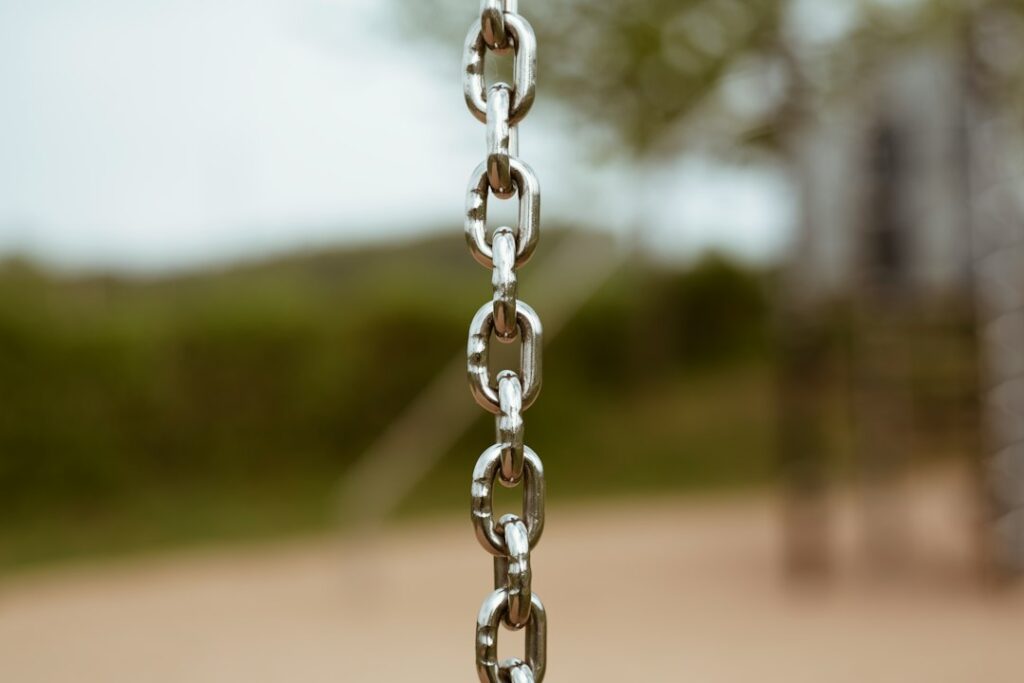
A rain chain is one of the few drainage parts people buy for how it looks. Instead of an enclosed downspout, water runs down a series of copper cups or linked loops, and in a light rain the effect is quiet and attractive. The trouble is that a downspout has a job beyond moving water off the roof: it delivers that water to a point where it can be carried away from the house. A chain only does the first half. This guide explains how rain chains work, where they splash and overflow, what Colorado winters do to them, and what has to sit at the bottom so the foundation stays dry. It also covers costs and what a home inspector is likely to note.
Part of our Structure & Exterior guide — start there for the full picture →
Do Rain Chains Work as a Downspout Replacement?
Rain chains do work, within limits. They hang from the gutter outlet where a downspout would normally connect, and water follows the chain downward through surface tension and gravity. In light to moderate rain, a well-chosen chain carries most of the flow to the ground with modest splashing. In a heavy summer thunderstorm, which the Front Range gets plenty of between May and August, the volume coming off a large roof section can exceed what the chain can guide, and water sheets off the cups, sprays sideways, or simply overshoots the outlet.
The bigger issue is what happens at ground level. A standard downspout typically ends at an elbow, then a downspout extension or buried pipe moves water several feet from the wall. A rain chain usually ends in a small basin, a bed of gravel, or bare soil right next to the foundation. Unless something carries that water away, the chain concentrates roof runoff in exactly the spot where you least want it.
So the honest answer is that a rain chain works as a decorative conveyor, not as a complete drainage system. Paired with a proper basin and outlet, it can perform reasonably. Hung over a flower bed against the basement wall, it can contribute to wet basements and foundation movement over time.
Cup Style Versus Link Style
Rain chains come in two broad designs, and the difference matters more than the finish.
Cup chains
Cup chains use a series of open-bottomed cups or funnels linked together. Water drops into each cup and pours through the hole into the next one. Because the cups contain the flow, they generally splash less and handle more volume than link chains. They are also heavier, more expensive, and more prone to holding ice, since each cup can trap water that freezes in place.
Link chains
Link chains are simple loops, rings, or decorative shapes joined end to end. Water clings to the links and runs down. They are lighter, cheaper, and shed ice more readily, but they splash noticeably more, especially in wind. Link chains suit small roof areas such as a porch roof, a shed, or a short gutter run over a garden, rather than the main gutter serving a large section of the house.
Materials
Copper is the traditional material and develops a green-brown patina. Aluminum and powder-coated steel are common at lower price points. Thin decorative chains can stretch, kink, or break under ice load. Heavier gauge material and a solid gutter attachment matter more than the pattern.
Installation: Gutter Outlet, Anchor, and Basin
A typical installation removes the downspout, leaves the gutter outlet (the short drop tube in the bottom of the gutter), and hangs the chain from a bar or V-hook set across that outlet. Some kits include a funnel-shaped outlet adapter that helps center the flow. The chain should hang straight down. If it swings or tilts, water leaves it early and lands against siding or trim.
Anchoring the bottom
Wind is the reason most chains need anchoring. An unanchored chain in a Front Range wind event can swing into windows, siding, and the gutter itself. Common anchors include a stake driven into the ground, a decorative ground ring, or a weight sitting inside the collection basin. A small amount of slack is fine; too much tension pulls down on the gutter.
The basin at the bottom
The basin is where a rain chain installation succeeds or fails. Options include:
- A decorative bowl or catch basin with an outlet that connects to buried pipe running away from the house.
- A gravel-filled pit lined to slow erosion, with grading or pipe that carries overflow away.
- A rain barrel positioned under the chain, with an overflow that discharges well clear of the foundation.
- A splash block sloped away from the wall, which helps with light flows but rarely handles a full storm.
A shallow decorative bowl with no outlet tends to overflow in the first heavy storm and dump everything at the foundation. If the plan relies on infiltration, the soil type matters. Clay-heavy soils common in parts of the Denver metro and Douglas County absorb water slowly, and expansive clays can swell when wetted repeatedly in one spot.
Splash, Overflow, and Heavy Rain
Expect some splashing with any rain chain. In practice, that means water landing on siding, window wells, the lower course of brick or stucco, and on a nearby walkway. Over seasons, repeated splash can stain siding, erode mulch and soil, and wet the bottom of wood trim. Placement away from doors and walkways helps, as does a cup design and a basin wide enough to catch drips that drift in the wind.
Overflow at the top is the less obvious problem. A gutter outlet sized for a 2-by-3 or 3-by-4-inch downspout drains through a tube. When a chain replaces that downspout, some installers leave the outlet partly obstructed by the hanger, and debris collects at the bar. The gutter then backs up and spills over its front edge during heavy rain, putting water along the whole length of the wall instead of at one point.
A few ways to manage heavy-rain performance:
- Use rain chains on smaller roof areas and keep conventional downspouts on the main runs.
- Add a second outlet so each chain carries a smaller share of the flow.
- Keep gutters clear and consider gutter guards on runs that collect needles and seeds.
- Check the chain during the first good storm after installation and watch where water actually goes.
Why Foundations Care About Where the Water Lands
EPA’s moisture guidance for homeowners is direct about the basics: clean and repair roof gutters regularly, and make sure the ground slopes away from the building foundation so water does not enter or collect around it. A rain chain does not change that principle. It changes how the water gets to the ground, and if the ground at the bottom is flat or pitched toward the house, the chain undermines the grading.
Concentrated water at one corner of a house can contribute to several problems inspectors commonly find:
- Damp or efflorescence-stained basement walls near that corner.
- Settlement of soil next to the foundation, which can create a low spot that collects even more water.
- Movement in expansive clay soils, which can show up as foundation cracks, sticking doors, or cracked drywall above openings.
- Water entering window wells and pooling against basement windows.
Not every damp basement traces back to a rain chain, of course. But when an inspector sees a chain hanging into a planting bed with soil sloped toward the wall, it is a reasonable place to start the conversation. Broader yard drainage work, such as regrading, a swale, or buried outlets, often solves the problem regardless of what hangs from the gutter.
Ice, Weight, and Colorado Winters
Front Range winters bring a specific pattern: snow on the roof, sunny afternoons that melt it, and below-freezing nights. That cycle is hard on rain chains. Meltwater runs down the chain in the afternoon and freezes on it overnight. After several days, a chain can build into a column of ice many times its own weight.
That ice load hangs from the gutter outlet and, by extension, the gutter hangers and fascia. Gutters are generally designed to carry water and some debris, not a long icicle pulling straight down at one point. Problems that can follow include:
- Gutters pulled out of level, which then hold standing water.
- Bent or loosened hangers and fasteners pulling out of the fascia.
- Cracked outlet seams that leak in the next rain.
- Falling ice near walkways and entries.
Some homeowners take chains down from November through March and replace them with a short downspout or a temporary extension. Others choose link-style chains that shed ice more readily, or accept the ice and simply inspect the gutter each spring. If the gutter already shows sagging, separated seams, or rotted fascia, gutter repair should happen before any chain goes back up.
Ice in the basin is another winter consideration. A basin that freezes solid cannot drain, so spring melt overflows it. Buried outlet pipe can also freeze if it is shallow or holds water, which is one reason some drainage contractors prefer pipe with consistent slope and a daylight outlet rather than a closed pit.
Pairing a Rain Chain With Rain Barrels and Drainage
EPA’s Soak Up the Rain program promotes ways homeowners can manage runoff on their own lots, including disconnecting downspouts, rain gardens, and rain barrels. The agency notes that rain barrels capture water from a roof and hold it for later use on lawns and gardens, and that roof runoff can pick up bacteria and chemicals from roofing materials, which is worth considering before using it on edible plants.
A rain chain can feed a rain barrel directly. The key details are the overflow and the location. Once the barrel is full, every additional gallon goes out the overflow port, so that port needs a hose or pipe that discharges away from the house. A barrel set tight against the foundation with its overflow spilling at the base defeats the purpose.
Colorado’s rain barrel rules
Colorado has historically been strict about rainwater collection because of its water rights system. State law now allows many single-family homes and some small multifamily properties to collect roof runoff in rain barrels with a limited combined capacity, commonly cited as up to two barrels holding 110 gallons total, for outdoor use on the same property. The details, including what counts as an eligible property and any recent changes, are worth confirming with Colorado state water resources guidance or a local water provider before buying more storage. HOA rules may also limit placement or appearance.
Other pairings
- Downspout extensions or buried pipe: a basin with an outlet can connect to pipe that daylights well away from the foundation.
- Rain gardens: a shallow planted depression set back from the house can receive overflow and allow it to soak in, if soils permit.
- Swales and regrading: shaping the yard so water moves away from the wall works with any gutter outlet.
Maintenance Through the Year
Rain chains need little maintenance compared with the gutters that feed them. A simple calendar helps:
- Spring: check the gutter for sag at the outlet, tighten hangers, rehang or reinstall chains removed for winter, and clear the basin.
- Summer: watch performance during a thunderstorm; adjust the anchor and basin if water sprays onto siding.
- Fall: schedule gutter cleaning after leaves drop, clear debris caught on the hanger bar, and decide whether to remove chains for winter.
- Winter: knock ice loose carefully from the ground if it builds up, and keep walkways below chains clear of ice.
Copper chains will darken and patina naturally. Cleaning is cosmetic. Aluminum and coated steel chains may show corrosion at joints over time, and a broken link can drop the lower part of the chain into the basin or onto a walkway.
What a Home Inspector Looks At
The ASHI Standard of Practice directs inspectors to inspect roof drainage systems, which it defines as components used to carry water off a roof and away from a building. It also covers grading, surface drainage, and vegetation that are likely to adversely affect the building. A rain chain falls squarely within that scope, and an inspector will usually comment on where its water ends up.
Typical observations include:
- A chain discharging next to the foundation with no basin outlet or extension.
- Soil or mulch sloped toward the wall at the chain location.
- Gutter sag, separated seams, or loose hangers near the outlet.
- Erosion, splash staining, or wet trim near the base.
- Signs of moisture in the basement or crawlspace below that corner.
An inspector is not designing a drainage system and will not usually test flow in a storm. The report flags conditions, and a buyer or owner can then decide whether a gutter contractor, landscaper, or drainage specialist should follow up. The structure and exterior inspection hub covers how exterior drainage fits into a full inspection, and the broader hiring process guide explains how to choose an inspector.
Rain Chain Costs
Prices vary widely by material, length, and finish, so treat these as general 2026 ranges rather than quotes:
- Basic aluminum or steel link chains: often in the range of a few tens of dollars for an 8- to 9-foot length.
- Copper cup chains: commonly from around one hundred to several hundred dollars per chain, depending on cup size and design.
- Gutter outlet adapters and hangers: usually inexpensive add-ons.
- Decorative basins: range from modest to well over the cost of the chain.
- Buried drain pipe or regrading: the largest variable; a short run of pipe may be a modest project, while regrading a side yard or adding a drainage system can run into the thousands.
Installing the chain itself is a short job for most homeowners on a single-story roof. Work from tall ladders, second-story gutters, and anything involving buried pipe or grading is often better handed to a contractor. The cost of a chain is small compared with water damage repair, which is why the basin and outlet deserve as much attention as the chain.
When a Rain Chain Makes Sense
A rain chain is a reasonable choice for a porch, garden shed, pergola, or a short gutter section over a landscaped area, especially where it feeds a barrel or a basin that drains away from the house. It is a weaker choice for a main gutter run serving a large roof area, a corner where the basement has already shown dampness, or a spot over a walkway that will ice in winter. Keeping a conventional downspout on the main runs and using chains selectively often gives the best balance of looks and function.
Before swapping a downspout for a chain, walk the yard in a rainstorm and note where water already goes. If it flows toward the house, address the grading first.
More Questions About Rain Chains
Can you put a rain chain on any gutter?
A rain chain can be installed on most gutters that have a downspout outlet, usually by hanging it from a gutter bracket or a V-shaped clip placed across the outlet opening. Very wide outlets may need a reducer to keep water centered on the chain.
The gutter itself must be strong enough to carry the chain’s weight, especially in winter when ice builds up. Gutters that already sag, leak at the seams or pull away from the fascia should be repaired before adding a chain.
Are rain chains good for heavy rain?
Rain chains handle light and moderate rain well but often overflow and splash during heavy downpours. Cup-style chains carry more water than link chains, yet neither matches the capacity of an enclosed downspout during intense storms.
In areas with frequent heavy rain, rain chains work best on small roof sections such as porches or entry overhangs. Pairing the chain with a basin, gravel bed or drain that leads water away from the foundation limits the damage when splashing does happen.
What is the best material for a rain chain?
Copper is the most popular rain chain material because it is durable and develops a natural patina over time. Aluminum is lighter and less expensive, and powder-coated steel offers colors but can rust where the coating chips.
Material choice also affects weight and winter behavior. Heavier cup chains collect more ice, so the gutter and anchor must be sturdy. Brass and stainless steel are other long-lasting options. Any metal chain should be anchored at the bottom to keep it from swinging into siding.
Do rain chains cause foundation problems?
Rain chains do not cause foundation problems by themselves, but poor drainage at the bottom of a chain can. Because water drops straight down near the wall, it can soak soil next to the foundation if there is no basin, splash block or drain.
To protect the foundation, grade soil to slope away from the house, set a basin or gravel bed under the chain, and route overflow at least several feet from the wall. A home inspector often notes rain chains that discharge directly against the foundation.
References
- Soak Up the Rain — U.S. Environmental Protection Agency
- Soak Up the Rain: Rain Barrels — U.S. Environmental Protection Agency
- A Brief Guide to Mold, Moisture and Your Home — U.S. Environmental Protection Agency
- ASHI Standard of Practice for Home Inspections — American Society of Home Inspectors
Frequently asked questions
Do rain chains work as well as downspouts?
They carry water down reasonably well in light and moderate rain, but they splash more and can overflow in heavy storms. They also do not move water away from the foundation unless they end in a basin with an outlet or other drainage.
What goes at the bottom of a rain chain?
A basin, gravel pit, rain barrel or splash block, ideally with an outlet or slope that carries water several feet from the house. A shallow bowl with no outlet tends to overflow at the foundation.
Should rain chains come down in winter?
Many Colorado homeowners remove them for winter because meltwater freezes on the chain and the ice weight can pull on the gutter. If a chain stays up, check the gutter and hangers each spring.
Can a rain chain fill a rain barrel in Colorado?
Yes. State law allows many homes to collect roof water in limited barrel capacity, commonly cited as two barrels up to 110 gallons combined. Confirm current rules and route the overflow away from the foundation.
How much does a rain chain cost?
Simple link chains can cost a few tens of dollars, while copper cup chains often run from around one hundred to several hundred dollars. Basins and drainage work add more. These are general 2026 ranges.
How long is a typical rain chain?
A typical rain chain is about 8 to 8.5 feet long, which fits a standard single-story eave. Longer chains are sold for two-story homes, and many chains can be shortened by removing links or cups to fit the distance from gutter to basin.
Do rain chains make noise?
Rain chains make a soft trickling sound in light rain, which many owners like. In heavy rain they can be louder and splashier, and loose chains can tap against siding in wind unless they are anchored at the bottom.
Do rain chains need cleaning?
Rain chains need little cleaning, but gutters feeding them must stay clear of leaves and debris. Cup chains can collect debris or mineral deposits, so rinsing them a couple of times a year and checking the bottom basin keeps water flowing.
Seeing water collect at the base of a rain chain or a damp basement corner? Reach out to us to find a Front Range inspector who can evaluate gutters, grading and foundation drainage.