Mold Testing and Remediation: What Homeowners Know
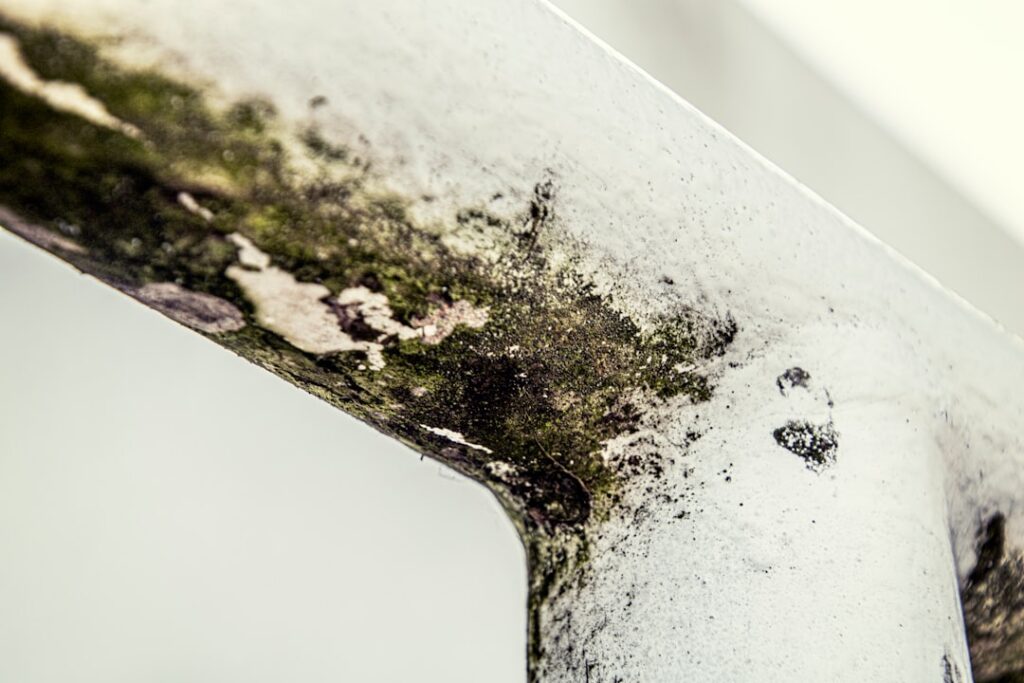
Mold testing and remediation are two separate jobs that homeowners often blur together. Testing identifies whether mold is present, what type, and how widespread; remediation is the physical work of removing it and correcting the moisture that caused it. Understanding where one ends and the other begins helps you avoid paying for tests you do not need or skipping cleanup steps that matter. This guide summarizes EPA and CDC guidance current as of 2026 and is informational only — consult a physician about health symptoms and a certified professional for testing and remediation decisions.
Part of our Mold Testing & Inspection guide — start there for the full picture →
Is this mold, asbestos, or water damage? Get a free instant screen
Upload a clear photo of the suspect area. You'll get an instant AI screening opinion and what to do next. This is screening guidance, not a professional determination.
Screening guidance only. AI can be wrong. Confirm asbestos, mold type, or lead with lab testing or a licensed professional before acting.
What is the difference between mold testing and remediation?
Testing is assessment. It uses air sampling, surface swabs, tape-lifts, or bulk material samples sent to a lab to confirm mold presence, identify the genus, and estimate spore concentrations relative to outdoor air. Remediation is the corrective work: containing the area, removing contaminated materials, cleaning salvageable surfaces, drying the structure, and fixing the underlying water problem.
The EPA’s position surprises many homeowners. If mold is visible, testing is generally unnecessary — you already know you have a problem and the response is the same regardless of species. Testing earns its cost mainly when mold is suspected but hidden, when a sale or insurance claim requires documentation, or when post-remediation verification is needed. The companion overview at mold tests and their accuracy details which sampling methods answer which questions, and the broader mold inspection hub connects testing to the rest of the home.
When testing is actually worth it
Testing makes sense in specific situations. A musty smell with no visible source justifies air sampling to confirm whether elevated spore counts exist. A real estate transaction may call for documented results. After remediation, clearance testing verifies the work succeeded before rebuilding. And someone with diagnosed mold allergy or asthma may want species identification to guide medical care.
When mold is plainly visible on a wall or ceiling, spending several hundred dollars to learn its Latin name rarely changes the plan: fix the moisture, remove or clean the material. Spend that money on remediation instead. The guide on finding mold inspection and testing near you covers how to vet an assessor who is independent of the company doing the cleanup.
Why independence matters
A conflict of interest arises when the same company tests for mold and then sells you the remediation. Industry best practice keeps the assessor and the remediator separate, so the party recommending thousands of dollars in work is not the one diagnosing the problem. For post-remediation clearance especially, use an independent tester.
How professional remediation works
Quality remediation follows a sequence that mirrors EPA and industry guidance. First, the contractor identifies and stops the moisture source — a leak, condensation, or humidity problem. Without this step, mold returns. Second, they establish containment with plastic sheeting and negative air pressure (a HEPA-filtered air scrubber) so spores do not spread during demolition.
Third, porous contaminated materials — soaked drywall, carpet, insulation, ceiling tile — are removed and bagged, while non-porous surfaces are HEPA-vacuumed and wiped with detergent. Fourth, the area is dried completely with fans and dehumidifiers, since residual moisture restarts growth. Finally, the space is cleaned again and, ideally, verified before reconstruction. Workers use N95 or better respirators, gloves, and eye protection throughout.
What gets removed versus cleaned
The EPA’s rule of thumb: porous materials that have absorbed mold usually cannot be cleaned reliably and should be discarded. Hard, non-porous surfaces — glass, metal, sealed tile, solid wood framing — can typically be cleaned and saved. This distinction drives much of the cost, since removal and rebuild add labor and materials.
Why clearance testing matters
Post-remediation verification is the step homeowners most often skip and most often regret. Clearance testing — visual inspection plus air or surface sampling after the work — confirms that spore levels have returned to normal and that no hidden growth remains before walls are closed and the space is reoccupied. Using an independent tester for clearance, rather than the remediation company itself, gives an unbiased check that the money was well spent. Without it, a homeowner has no objective evidence the problem is actually resolved.
What a written scope of work should contain
Before signing with any remediator, insist on a written scope. A thorough one names the moisture source and how it will be corrected, defines the containment method and the use of negative air pressure, lists which materials will be removed versus cleaned, specifies the drying plan and equipment, and states whether and how clearance will be verified. It should also note the protective equipment crews will use and how debris will be bagged and disposed of.
A vague one-line quote — “remediate basement mold, $X” — gives you nothing to hold the contractor to and no way to compare bids. When two quotes differ sharply in price, the scope almost always explains why: the cheaper one frequently omits containment, moisture repair, or clearance. Comparing scopes rather than headline prices protects against paying twice when shortcut work fails. The detail on how to choose a mold company covers the credentials and questions that separate a reliable firm from an opportunistic one.
What mold testing and remediation cost
Costs vary by region and project size, so treat figures as ranges rather than quotes. Professional mold inspection with lab-analyzed samples commonly runs a few hundred dollars, with each additional lab sample adding to the total. Air sampling that compares indoor and outdoor counts costs more than a single surface swab.
Remediation pricing depends on the contaminated area. Small, contained jobs — a single closet or bathroom patch — sit at the low end, while whole-basement or multi-room contamination after flooding climbs substantially because of containment, material removal, drying equipment, and rebuild. The EPA’s 10-square-foot threshold is a useful dividing line: below it, careful DIY cleanup is often reasonable; above it, professional remediation is recommended. The guide on basement mold removal cost breaks down the variables that move the price.
Can you handle any of it yourself?
The EPA says homeowners can clean mold covering less than about 10 square feet on hard surfaces, provided they fix the moisture, wear protection, and dry the area afterward. That covers many small bathroom and window-sill cases. Beyond that size, or when mold sits inside porous materials, in HVAC systems, or follows sewage or major water intrusion, professional remediation is the safer choice.
People with asthma, allergies, or weakened immune systems should not perform mold cleanup themselves. Disturbing growth releases spores, and without proper containment those spores spread to clean areas. When in doubt about extent, an assessment first prevents turning a small job into a house-wide one.
Choosing a qualified contractor
Look for remediators who follow recognized industry standards, carry liability insurance, and provide a written scope that names the moisture source, the containment plan, and the materials to be removed. Ask whether they perform or arrange independent clearance testing. Be wary of any company that diagnoses, tests, and remediates as a single bundle without offering independent verification.
Get more than one quote, and compare scope rather than price alone — a cheaper bid that skips containment or moisture repair costs more when mold returns. A reputable contractor explains why each step is needed and documents the work with photos. The detail on how the remediation removal process works shows what a thorough scope of work should include.
How the moisture source shapes the whole project
The single factor that determines whether remediation succeeds is identifying and correcting the water source, yet it is the step most often shortchanged. Mold is a symptom; moisture is the disease. A leaking supply line, a failed shower pan, chronic basement seepage, condensation on cold surfaces, or high indoor humidity each calls for a different fix, and a remediator who removes drywall without diagnosing why it got wet has only reset the clock.
This is why a good assessment looks beyond the visible growth to the building envelope, plumbing, roof, grading, and HVAC. On the Front Range, common drivers include foundation seepage in older basements, ice-dam leaks in winter, and summer condensation where humid air meets cooled surfaces. Pairing the remediation scope with a clear moisture diagnosis is what prevents the frustrating cycle of cleaning, rebuilding, and watching mold return in the same spot months later. The companion guide on signs of mold behind drywall covers how hidden moisture reveals itself before it becomes visible growth.
Timeline and what to expect during remediation
A contained, single-room remediation often takes a few days from setup to clearance, while larger multi-room or post-flood projects run longer because of the added containment, drying time, and rebuild. The work proceeds in recognizable phases: assessment and moisture repair, containment setup, removal and cleaning, drying, and verification. Drying is not instant — dehumidifiers and air movers may run for several days to bring materials back to a safe baseline, and rushing this step is a frequent cause of recurrence.
Occupants should expect plastic sheeting, the noise of air scrubbers and fans, and restricted access to the work area during the project. Reputable contractors document each phase with photographs and explain what they are doing and why. Knowing the rhythm in advance helps homeowners judge whether a contractor is following sound practice or cutting corners to finish fast.
More Questions About Mold Testing and Remediation
Does homeowners insurance pay for mold testing and remediation?
Homeowners insurance typically pays for mold testing and remediation only when the mold results from a sudden, covered water event, such as a burst pipe, and is reported promptly. Mold from long-term leaks, high humidity, or deferred maintenance is usually excluded.
Many policies also cap mold coverage with a sublimit, often a few thousand dollars, so a large remediation can exceed it. Before work starts, photograph the damage, keep the moisture source repair receipts, and ask the adjuster in writing whether testing and clearance sampling count toward the claim. Reading the policy’s fungi or mold endorsement is the fastest way to know the limits.
Do you need to leave the house during mold remediation?
Most households can stay home during mold remediation of a contained area, but occupants should stay out of the work zone and anyone with asthma, a weakened immune system, or a respiratory condition should ask a doctor about relocating.
A properly run job seals the affected rooms with plastic sheeting, runs HEPA air filtration under negative pressure, and keeps the HVAC system isolated so spores are not pushed through the ducts. Relocation becomes more sensible when the contamination is large, sits near bedrooms or the main air return, or involves sewage-contaminated water. Infants and older adults are commonly kept away until clearance testing passes.
What does HEPA vacuuming do in mold remediation?
HEPA vacuuming removes the mold spores and fragments that settle on surfaces after contaminated material is cut out, and it is a standard cleaning step in professional mold remediation.
A HEPA filter captures at least 99.97 percent of particles 0.3 microns in size, so spores are held in the vacuum rather than blown back into the room as a household vacuum would do. Crews typically HEPA vacuum the containment, wipe surfaces with a damp cloth and detergent, then HEPA vacuum again once dry. Skipping this step is a common reason a remediated area still fails a clearance test.
Can mold come back after professional remediation?
Yes, mold can come back after professional remediation if the moisture that fed it is not permanently fixed, because spores are always present in indoor and outdoor air.
Remediation removes the existing growth; it cannot make a building mold-proof. Recurrence usually traces to an unrepaired roof or plumbing leak, condensation on cold surfaces, a poorly drained crawl space, or indoor humidity that stays above roughly 60 percent. Keeping humidity between about 30 and 50 percent, venting bathrooms and kitchens outdoors, and drying any wet material within 24 to 48 hours are the practical defenses. Some contractors offer a written warranty that is void if the water source returns.
Does a remediation contractor need a license?
A mold remediation contractor needs a license only in states that regulate the trade, and most states do not, so certification and insurance are usually the main proof of competence.
Texas, Louisiana, New York, and Florida are among the states with mold assessor or remediator licensing laws, and some of them prohibit the same company from both assessing and remediating one project. Where no license exists, look for IICRC remediation training, general liability insurance that does not exclude mold, and a written scope of work. Asking for references from jobs that passed independent clearance testing is a useful check.
References
- Mold Cleanup in Your Home — U.S. Environmental Protection Agency
- Mold Remediation in Schools and Commercial Buildings — U.S. Environmental Protection Agency
- About Mold and Health — Centers for Disease Control and Prevention
- Mold and Your Health — National Institute of Environmental Health Sciences
Frequently asked questions
Do I need a mold test before remediation?
Not usually if mold is visible — the EPA says the cleanup response is the same regardless of species. Testing earns its cost when mold is hidden, when a sale or claim needs documentation, or for post-remediation clearance verification.
Should the same company test and remediate?
Industry best practice keeps assessment and remediation separate to avoid a conflict of interest. An independent tester diagnosing the problem and verifying the result gives you an unbiased check on the company doing the work.
How big a mold problem can I clean myself?
The EPA says homeowners can clean less than about 10 square feet of mold on hard surfaces if they fix the moisture, wear an N95, gloves, and eye protection, and dry the area. Larger or porous-material contamination calls for professionals.
What does mold remediation actually involve?
It involves stopping the moisture source, sealing the area with containment and negative air pressure, removing porous contaminated materials, HEPA-cleaning hard surfaces, drying fully, and ideally verifying with clearance testing before rebuilding.
Is bleach an acceptable way to remediate mold?
Bleach is not recommended for most mold remediation on porous materials such as drywall or wood, because it does not reach roots below the surface and adds moisture. The EPA advises cleaning hard surfaces with detergent and water and discarding porous materials that are moldy. Never mix bleach with ammonia or other cleaners.
Can a house be sold before mold remediation is finished?
A house can be sold before mold remediation is finished, but most states require sellers to disclose known mold or water damage, and buyers often demand a price credit or completed work. Finishing remediation with an independent clearance report usually gives the cleanest negotiating position and avoids later disclosure disputes.
How long does mold remediation take for a typical room?
Mold remediation for a single room usually takes one to five days, covering containment, removal of damaged materials, HEPA cleaning, and drying. Clearance testing adds a few days for lab results. Larger projects involving several rooms, crawl spaces, or attics can take one to three weeks before rebuilding begins.
If you are weighing testing versus remediation on the Front Range, you can reach out through our contact page to connect with a vetted local inspector who can assess the problem independently before any cleanup is scheduled.