How Does Radon Mitigation Work? A Clear Guide
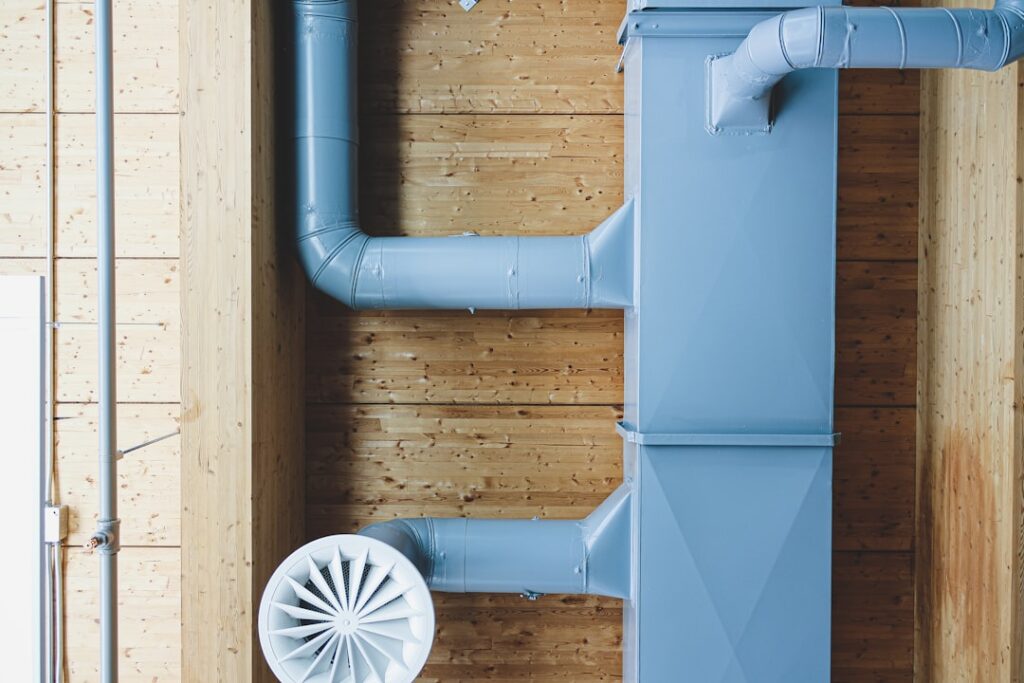
Radon is the leading cause of lung cancer among non-smokers, and Colorado sits in one of the highest-radon regions in the country. When a test comes back elevated, homeowners face a practical question with a reassuringly mechanical answer. How does radon mitigation work comes down to a simple principle: capture the gas beneath the home and vent it safely above the roof before it can seep into living space. This guide summarizes EPA and Colorado state health guidance current for educational purposes; consult a certified radon professional for decisions about your home.
Part of our Radon Mitigation Systems guide — start there for the full picture →
How radon mitigation works in plain terms
Radon mitigation works by changing the pressure relationship between the soil under a house and the home above it. Radon gas forms when uranium in soil and rock breaks down, and it rises naturally toward the surface. A house, especially in winter, acts like a chimney — warm air rises and escapes upstairs, creating slight suction at the foundation that pulls soil gas, radon included, in through cracks and gaps.
The most common mitigation system reverses this. It installs a pipe through the foundation slab, attaches a continuously running fan, and draws air from beneath the slab, venting it above the roofline. By keeping the area under the slab at lower pressure than the home, the system intercepts radon before it enters and sends it harmlessly outdoors. This approach, called sub-slab depressurization, is the backbone of modern radon control. Colorado’s geology makes it a frequent need, as our guide to radon testing for Front Range homeowners explains.
Sub-slab depressurization: the standard method
Active sub-slab depressurization (ASD) is the method most certified contractors install because it is reliable across most home types. The process starts with a suction point: the installer cuts a hole through the basement or slab floor and removes some of the soil or aggregate beneath to create a small cavity. A PVC pipe is sealed into this hole and routed — through the home or up the exterior — to a vent point above the roof.
An inline fan, mounted in an unconditioned space like an attic or outside, runs continuously and pulls air from under the slab through the pipe. Because the soil beneath the slab is now under suction, radon-laden gas flows into the pipe rather than into the house. The system also depends on sealing major foundation openings — cracks, the sump pit, and gaps around pipes — so the fan’s suction is concentrated where it is needed. The details of routing and fan placement are covered in our overview of how a radon mitigation system is installed.
Why the fan and venting matter
The fan is the engine of an active system. Radon fans are specially designed to run continuously for years, moving a modest volume of air against the resistance of the soil. The vent pipe must discharge above the roofline and away from windows so the exhausted radon disperses in outdoor air rather than re-entering the home. A manometer — a simple U-tube gauge on the pipe — lets the homeowner confirm at a glance that the fan is creating suction. If the gauge shows no pressure difference, the fan has likely failed.
Other mitigation approaches
Sub-slab depressurization fits most homes, but the right method depends on the foundation. Homes with a crawlspace often use sub-membrane depressurization, where a heavy plastic sheet is laid over the crawlspace soil and sealed, and a fan draws radon from beneath it. The principle is identical — create suction under a barrier — but the barrier is the membrane rather than a concrete slab.
Drain-tile depressurization taps into an existing perimeter drain system to draw soil gas. Block-wall depressurization addresses radon entering through hollow concrete-block foundation walls. In new construction, passive systems install the piping during the build, relying on natural stack effect, with a fan added later if testing shows it is needed. Each variation suits a particular construction type, and a certified contractor selects the method after evaluating the home. Homeowners researching the mechanics in more depth can read our companion piece on how a radon mitigation system works.
How effective is radon mitigation?
Properly designed and installed systems are highly effective. The EPA notes that a well-installed system can reduce indoor radon levels substantially, often bringing high readings down to well below the action level of 4 picocuries per liter (pCi/L). Many systems achieve levels at or below 2 pCi/L, the point at which the EPA suggests homeowners consider action.
Effectiveness depends on correct installation, adequate suction, and sealing of foundation openings. A system that vents radon but leaves major slab cracks unsealed will underperform. After installation, a follow-up radon test confirms the system is doing its job. The only way to know mitigation worked is to retest, which is why post-installation testing is standard practice and why understanding the broader picture of radon in homes helps homeowners interpret the before-and-after numbers.
Living with a radon mitigation system
Once installed, the system runs quietly in the background. The fan uses a small amount of electricity, comparable to a low-wattage appliance, and operates continuously. Maintenance is minimal: check the manometer periodically to confirm the fan is working, and replace the fan when it eventually wears out, typically after many years of service. A failed fan does not create an emergency, but it does stop protecting the home, so the manometer check matters.
Homeowners should retest for radon every couple of years and after any major renovation or foundation work that could change airflow. The system is durable and low-fuss, but radon levels can shift over time and with the seasons. Buyers considering a home that already has a system often ask whether its presence is a red flag; our guide on buying a house with a radon mitigation system addresses that directly. A working system is a feature, not a defect — evidence the radon problem has been addressed.
When to call a certified professional
Radon mitigation is a job for a certified contractor in nearly every case. Designing the right system requires evaluating the foundation, locating effective suction points, sizing the fan, and routing the vent to code. An undersized or poorly sealed system can fail to reduce levels, and improper venting can route radon back into the home. Colorado homeowners can look for nationally certified radon professionals and verify credentials before hiring.
While some experienced DIYers attempt installation, the stakes — a cancer-causing gas — argue for professional work confirmed by post-installation testing. A certified contractor also provides documentation that supports a future home sale. Given Colorado’s elevated radon risk, mitigation done right is one of the more cost-effective health investments a homeowner can make, and confirming the result with a test is the final, essential step.
Why sealing alone is not enough
A common misconception is that sealing foundation cracks will solve a radon problem on its own. Sealing matters, but as a supporting measure rather than a standalone fix. Soil gas finds countless tiny pathways into a home — around plumbing penetrations, through the pores of concrete, along the joint where the slab meets the wall, and through the sump pit. It is practically impossible to seal every route, so sealing alone rarely brings high levels down reliably.
What sealing does is improve the performance of an active system. By closing the largest openings, sealing concentrates the fan’s suction where it is needed and prevents the system from wasting energy pulling conditioned indoor air down through gaps. The EPA notes that sealing is recommended as part of a mitigation system, not as a substitute for one. A contractor seals the obvious openings — the sump pit lid, visible slab cracks, gaps around pipes — as a routine part of installing the depressurization system, which is why the two go together.
What affects how well a system performs
Several factors determine whether a system drives levels down to 2 pCi/L or merely to just under 4. The permeability of the soil beneath the slab is central — loose gravel lets the fan draw from a wide area, while dense clay limits its reach and may require additional suction points. The number and size of foundation openings, the tightness of the slab, and the correct sizing of the fan all play a part. A poorly matched fan, too weak for dense soil or too strong for a leaky slab, underperforms. This is why a contractor evaluates the foundation before designing the system rather than installing a one-size-fits-all kit.
Radon mitigation and the Colorado climate
Colorado’s climate intensifies the radon challenge in ways homeowners should understand. Cold winters mean homes are sealed tight for months, and the strong stack effect created by heating a multi-story home pulls soil gas upward and inward. Radon readings frequently peak in winter for exactly this reason, which is why a test conducted in summer can understate a home’s true exposure. The Front Range also sits on uranium-bearing soils across large areas, giving the region elevated radon potential statewide.
An active mitigation system works year-round regardless of weather, which is one reason active systems are preferred over passive ones in high-radon climates. The continuously running fan does not depend on the seasonal stack effect, so it protects the home in the depths of winter when levels would otherwise spike. For Front Range homeowners, this reliability is the practical argument for an active system, and it is reinforced by the broader context in our overview of radon gas in homes. Retesting after installation, ideally including a winter measurement, confirms the system handles the season when radon pressure is highest.
What radon mitigation costs and what affects the price
Mitigation is generally affordable relative to the health benefit. Industry figures commonly place a typical residential sub-slab depressurization system in the range of roughly $800 to $2,500, with most installations landing somewhere in the middle. The wide range reflects real differences between homes rather than arbitrary pricing.
Several factors push the cost up or down. A home with accessible, permeable soil under the slab and a simple routing path costs less than one requiring multiple suction points, exterior routing around a finished basement, or a crawlspace membrane. The fan size, the length and complexity of the pipe run, and whether the system must be hidden for appearance all factor in. Crawlspace systems with sub-membrane depressurization often cost more because of the membrane installation labor. Add-ons like a system that integrates with a sump pit, or aesthetic considerations such as routing the pipe through a chase, also affect the total. The ongoing cost is small — the fan uses modest electricity and runs continuously, and the main recurring expense is eventual fan replacement after years of service.
The role of follow-up testing
No mitigation project is complete until a follow-up test confirms it worked. The manometer shows the fan is creating suction, but only a measured radon level proves the home’s air is now safe. Standard practice calls for a post-installation radon test, ideally a few weeks after the system starts running so levels have time to stabilize. A short-term test gives a quick confirmation, while a longer measurement captures the system’s performance across changing conditions.
If the post-installation test still shows elevated levels, the contractor diagnoses why — perhaps an additional suction point is needed, the fan is undersized for the soil, or significant foundation openings remain unsealed. A reputable installer stands behind the system and adjusts it until levels drop below the action threshold. Beyond the initial confirmation, homeowners should retest every couple of years and after major renovations or foundation work that could alter airflow. This ongoing verification is what turns a one-time installation into lasting protection, and it reflects the same test-confirm-retest discipline that runs through responsible radon management.
References
- Consumer’s Guide to Radon Reduction — U.S. Environmental Protection Agency
- Radon Information for Colorado Residents — Colorado Department of Public Health and Environment
- Radon and Lung Health — American Lung Association
Frequently asked questions
How does radon mitigation actually lower radon levels?
A mitigation system draws soil gas from beneath the foundation and vents it above the roof, keeping the area under the slab at lower pressure than the home. This intercepts radon before it can seep into living space.
Does the radon fan need to run all the time?
Yes. Radon fans are designed to run continuously and use a small amount of electricity. A manometer on the pipe lets you confirm the fan is creating suction; if it stops, the system needs service.
How effective is radon mitigation?
A well-installed system can substantially reduce indoor radon, often bringing high readings below the EPA action level of 4 pCi/L and frequently to 2 pCi/L or lower. A follow-up test confirms the result.
Can I install a radon system myself?
Some experienced DIYers attempt it, but designing the right system requires evaluating the foundation, sizing the fan, and venting correctly. Given the health stakes, certified professional installation confirmed by testing is recommended.
Front Range homeowners with elevated radon who want help connecting with a certified mitigation professional can reach out through our contact page.
Test your home for radon
Radon is invisible and odorless, so a test is the only way to know your level. A short-term kit gives a first reading in days; a digital monitor tracks it over time.
| Product | Why | Buy |
|---|---|---|
 AirChek Charcoal Radon Test Kit AirChek Charcoal Radon Test Kit | Lab fee usually included; EPA short-term protocol. | Amazon — $21.95 |
 First Alert RD1 Radon Test Kit First Alert RD1 Radon Test Kit | Widely stocked; 48-hour charcoal test. | Amazon — $17.95 |
 Airthings Corentium Home Airthings Corentium Home | Digital monitor with a long-term average. | Amazon — $139.99 |