Boiler Repair: Pressure, Leaks, No Heat and Annual Service
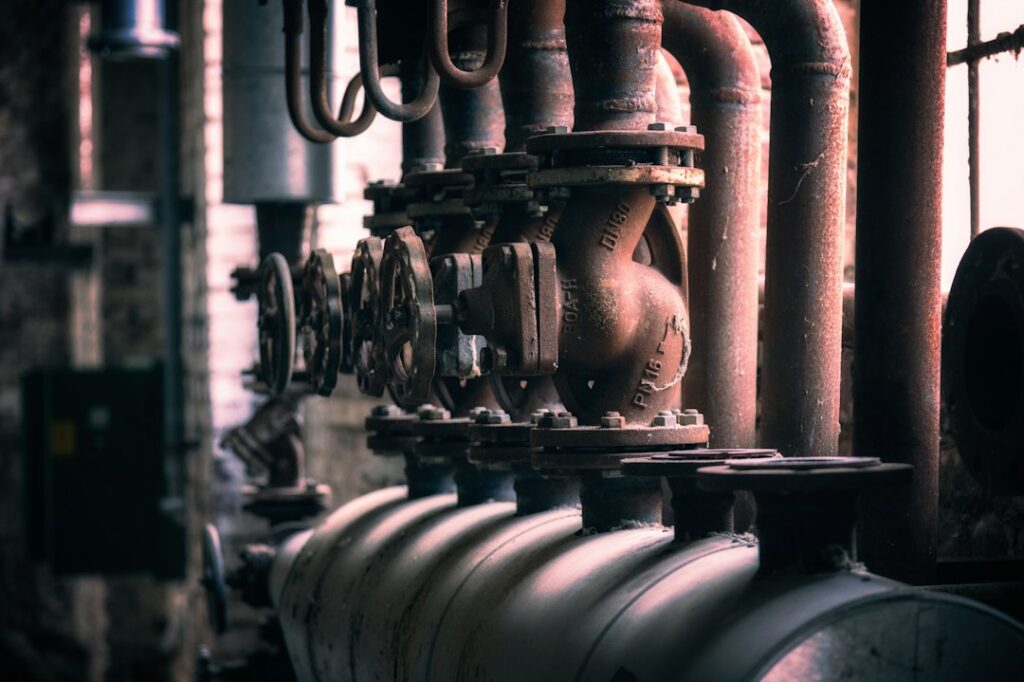
A boiler that quits on a January night along the Front Range is more than an inconvenience. Older homes in Denver, Boulder and Colorado Springs still rely on hot-water baseboard, cast-iron radiators and in-floor loops, and many newer custom homes use a boiler for radiant floors. When something goes wrong, homeowners usually see one of a short list of symptoms: no heat, a pressure gauge reading too low or too high, water dripping from a pipe on the side of the unit, banging and rumbling, or cold radiators upstairs. This guide explains how boilers work, what those symptoms often point to, which checks a homeowner can safely make, and which boiler repair jobs belong to a licensed heating contractor. Gas burners, venting and combustion adjustments are licensed work. If you ever smell gas, leave the house right away and call the gas utility or 911 from outside.
Part of our Heating, Cooling & Ventilation guide — start there for the full picture →
Heating or cooling trouble? Talk to a local HVAC technician.
📞 Call (833) 491-1876What Boiler Repair Usually Involves
Most boiler repair falls into four groups: restoring heat when the boiler will not fire or will not circulate water, correcting pressure problems, stopping leaks, and fixing noise or uneven heat. A technician typically starts by reading the pressure and temperature gauge, checking the thermostat call, confirming power and gas supply, and reading any fault code on the control board. From there the fix might be as simple as bleeding air from a radiator or as involved as replacing a circulator pump, a zone valve, an expansion tank or, in the worst case, a cracked heat exchanger.
Hot-Water vs Steam Boilers
Before troubleshooting, it helps to know which kind of boiler is in the basement. The U.S. Department of Energy’s Energy Renovations: HVAC guide describes hydronic systems as using steam or hot water heated by a boiler and distributed through pipes to radiators, baseboard convectors or radiant floor tubing. It also notes that steam boilers operate at a higher temperature than hot water boilers and are inherently less efficient.
Hot-water (hydronic) boilers
Most Front Range boilers are hot-water systems. Water is heated, then pushed by one or more circulator pumps through closed loops to baseboard, panel radiators or radiant floor tubing. The system is sealed and stays full of water under modest pressure.
Steam boilers
Steam boilers are more common in older urban housing, including some early twentieth-century homes and apartment buildings. They boil water and let the steam rise through piping to radiators, where it condenses and returns as water. Steam systems use a sight glass to show the water level, a low-water cutoff, and air vents on each radiator. The DOE guide notes that steam moves through piping without pumps, and that older, high-mass boilers can have a significant lag between when the burner turns on and when heat reaches the radiators.
Common Boiler Problems and What They Usually Mean
No heat at all
When nothing is warm, start with the simple checks a homeowner can make safely: confirm the thermostat is set to heat and calling for a temperature above the room reading, check that the boiler’s service switch (often a light switch near the unit) is on, look for a tripped breaker, and check that the gas valve to the boiler is open if you know where it is. Our guide to a thermostat that is not working covers control problems.
If the controls are fine, the problem is usually inside the boiler: a failed igniter or flame sensor, a pressure switch that will not close, a blocked condensate line on a high-efficiency unit, a lockout caused by low water pressure, or a failed control board. Those diagnoses require a technician with a meter and the manufacturer’s service manual.
Low pressure
Residential hot-water boilers commonly run at a cold fill pressure somewhere around 12 to 15 psi, rising as the water heats, although the right figure depends on the height of the building and the manufacturer’s instructions. A gauge that keeps falling means water is leaving the system somewhere: a slow leak at a fitting, a dripping relief valve, a leaking air vent, or a leak in buried radiant tubing. Many systems have an automatic fill valve, often called a pressure-reducing valve, that tops the system up from the domestic water supply. That concept is similar to the household pressure-reducing valve on a main water line, but the boiler version is set much lower.
Constant automatic makeup water is not harmless. Fresh water brings in dissolved oxygen and minerals, which can corrode iron components and scale heat exchangers over time. A boiler that needs frequent refilling should have the leak found rather than masked.
Pressure relief valve dripping
Every hot-water boiler has a relief valve, commonly rated at 30 psi on residential systems. If pressure climbs past its setting, the valve opens and discharges water through a pipe toward the floor. A valve that drips or spits when the boiler is hot is telling you something: the system pressure is rising too high, usually because the expansion tank has failed or the fill valve is letting in too much water. Occasionally the valve itself is worn and weeps below its rating.
Never cap, plug or remove a relief valve discharge pipe. The DOE guide’s tune-up list for hot-water systems specifically includes testing the pressure-relief valve and the high-limit control, and those are jobs for the annual service visit.
Waterlogged expansion tank
Water expands as it heats, and the expansion tank gives that extra volume somewhere to go. Modern tanks use a rubber diaphragm with an air charge on one side; older systems may use a plain steel tank hung from basement joists that slowly fills with water. When the air cushion is lost, the tank becomes waterlogged, pressure spikes every time the boiler fires, and the relief valve starts to drip. The DOE guide’s tune-up checklist includes confirming that the pressure tank is filled with air, not water. The same principle applies to domestic water heaters, which our guide to the water heater expansion tank explains in more detail. Diaphragm tanks can sometimes be recharged, but a ruptured diaphragm means replacement.
Kettling and banging
Kettling is a rumbling or whistling sound that resembles a kettle coming to a boil. In hot-water boilers it usually means water is flashing to steam on hot spots inside the heat exchanger, often because of scale buildup from hard water, restricted flow or a pump that is not moving enough water. A technician may flush the heat exchanger, check flow and pump sizing, or recommend a chemical cleaner and inhibitor.
Leaks
Leaks show up as puddles, crusty white or green deposits on fittings, rust streaks down the boiler jacket, or stained flooring under baseboard. Water coming from inside the boiler cabinet is more serious and may indicate a cracked heat exchanger or failed internal gasket. The DOE guide notes that hydronic systems can have problems with corrosion that clogs components, which is another reason to find and fix leaks rather than relying on automatic makeup water.
Circulator pump and zone valve failures
If the boiler fires and gets hot but some or all rooms stay cold, circulation is the usual suspect. Circulator pumps can seize, lose a coupling or burn out their motors. A failed pump may be silent, or it may hum without moving water. Many multi-zone homes use motorized zone valves controlled by separate thermostats; the DOE guide describes zoning by separate circulating lines, zone valves with their own thermostats, or a central electronic controller. A zone valve head can fail closed, leaving one area cold, or fail open, overheating a room. Replacement heads are often available without draining the system.
Cold radiators and trapped air
Air in a hot-water system collects at high points and blocks flow, leaving the tops of radiators cool or upstairs baseboard silent except for a gurgling sound. Bleeding a radiator with a radiator key at its bleed screw, while catching water in a cup, is one of the few hands-on repairs many homeowners do themselves. The DOE tune-up list includes bleeding air from each radiator at the start of each heating season. After bleeding several radiators, check the boiler pressure gauge, because releasing air also lowers system pressure. If air keeps returning, a technician should look for a failed automatic air vent, an air separator problem or a leak that is pulling in air.
Annual Service and Combustion Checks
Annual service is the most effective way to avoid surprise repairs. ENERGY STAR’s maintenance checklist recommends having a contractor check heating systems in the fall and says heating-specific checks should include gas or oil connections, gas pressure, burner combustion and the heat exchanger, noting that improperly operating gas or oil connections are a fire hazard and that a dirty burner or cracked heat exchanger can make equipment operate less safely and efficiently.
The DOE guide’s boiler tune-up sidebar lists tasks for both hot-water and steam systems, including:
- Testing for carbon monoxide spillage and remedying it if found.
- Checking the condition of the vent connection pipe and chimney.
- Checking the heat exchanger for cracks or leaks.
- Adjusting temperature controls for efficiency and comfort.
- For hot-water systems: bleeding radiators, testing the relief valve and high-limit control, confirming the expansion tank holds air, and cleaning the heat exchanger.
- For steam systems: draining sediment, testing the low-water cutoff and high-limit controls, checking air vents and steam traps.
A good technician will also use a combustion analyzer rather than adjusting the burner by eye. On high-efficiency boilers with plastic venting, the intake and exhaust terminals outside should be clear of snow drifts, leaves and insect nests, a recurring issue during heavy Front Range snowstorms.
Carbon Monoxide Risk With Boilers
Any fuel-burning boiler can produce carbon monoxide. The EPA’s page on carbon monoxide and indoor air quality describes CO as an odorless, colorless and toxic gas and lists worn or poorly adjusted and maintained combustion devices such as boilers and furnaces among its sources, especially when the flue is improperly sized, blocked, disconnected or leaking. The same page recommends having a trained professional inspect, clean and tune up central heating systems annually.
The CDC’s carbon monoxide basics page says the most common symptoms of CO poisoning are headache, dizziness, weakness, upset stomach, vomiting, chest pain and confusion, often described as flu-like. The CDC recommends battery-operated or battery-backup CO detectors near every sleeping area and annual service of heating systems, water heaters and other gas, oil or coal burning appliances by a qualified technician.
For homes with a gas or oil boiler, practical steps include:
- Install CO alarms on every level and near sleeping areas; our guide to carbon monoxide detector installation covers placement.
- Choose a listed alarm with a digital display if you want to see low-level readings; see our roundup of the best carbon monoxide detectors.
- Watch for soot around the boiler’s draft hood, rust or water at the vent connector, or a yellow, lazy flame where a crisp blue flame is expected.
- If a CO alarm sounds, get everyone outside to fresh air and call 911 or the fire department, then have the boiler checked before using it again.
Older Boilers and Asbestos Insulation
Many older boilers, especially large cast-iron units installed decades ago, were insulated with asbestos-containing materials. Common spots include the boiler jacket, the cement-like wrap on supply and return piping, elbow fittings that look like plaster casts, and gaskets around access doors. Intact material is usually considered lower risk than damaged or crumbling material, but repair work that cuts, scrapes or removes old insulation can release fibers.
Before a technician disturbs old pipe wrap to replace a pump, valve or section of piping, consider having suspect material tested by an accredited lab. The same concerns apply to older duct systems, which our guide to asbestos in HVAC ductwork discusses. If testing confirms asbestos, removal or encapsulation should be handled by trained abatement workers rather than the heating contractor.
Repair or Replace?
A boiler in reasonable shape can run for decades with good water chemistry and regular service. Replacement usually comes up when the heat exchanger cracks, the burner or control system is obsolete and parts are hard to find, repair costs climb year after year, or efficiency is poor enough that fuel savings would offset part of the cost.
ENERGY STAR’s boilers page says certified gas boilers have annual fuel utilization efficiency (AFUE) ratings of 90 percent or greater and certified oil boilers 87 percent or greater, achieved with features such as electronic ignition, newer combustion technologies and sealed combustion that uses outside air. ENERGY STAR estimates a certified gas boiler can save about $780 over the product’s lifetime compared with standard models. The DOE guide adds that the minimum federal rating for a fossil-fueled boiler is 80 percent and that high-efficiency versions of both steam and hot-water boilers are available.
Questions that help frame the decision:
- Is the repair to a replaceable component (pump, valve, igniter) or to the heat exchanger itself?
- How old is the boiler, and are parts still supported by the manufacturer?
- Has the system needed repeated service calls in the last few heating seasons?
- Would a new boiler require a chimney liner or new venting, which can add cost?
For comparison with forced-air systems, see our guide to furnace replacement cost. Boiler replacement is often more involved than furnace replacement because of piping, near-boiler controls and venting changes.
What Boiler Repair Typically Costs
Costs vary widely with region, boiler brand, access and whether the call is an after-hours emergency. Broad industry estimates suggest a basic service call or diagnostic visit commonly runs in the low hundreds of dollars, routine component repairs such as a relief valve, air vent or zone valve head often fall in the few-hundred-dollar range, and larger repairs such as a circulator pump, expansion tank or control board may cost several hundred to over a thousand dollars installed. Heat exchanger replacement, when parts are even available, can approach the cost of a new boiler. Treat these as rough ranges and get written quotes from licensed contractors.
Boilers During a Home Inspection
Buyers looking at a home with a boiler should expect the inspector to describe the heating system and its energy source, open readily openable access panels and inspect the installed heating equipment, vents and distribution system, as outlined in the ASHI Standard of Practice. That standard does not require inspectors to inspect heat exchangers or determine heat supply adequacy and distribution balance, so a clean inspection report is not the same as a full boiler service. Common report notes include missing relief valve discharge pipes, rusted vent connectors, active leaks, a waterlogged expansion tank and suspected asbestos pipe insulation.
When a report flags boiler concerns, a follow-up evaluation by a hydronic heating contractor before closing can help put a number on any repairs. Our guide to hiring a home inspector covers what to ask before booking, and the heating and cooling hiring hub collects related HVAC topics.
More Questions About Boiler Repair
Can you reset a boiler yourself?
Yes, homeowners can usually press the reset button once on a boiler that has locked out, but repeated lockouts mean something is wrong and a technician should diagnose it. Before resetting, check the obvious causes: the thermostat setting, the power switch and breaker, the gas supply valve, and whether system pressure is in the normal range on the gauge. Pressing reset over and over can flood a burner or mask a safety problem. If you smell gas, do not reset anything; leave the house and call the gas utility from outside.
Does a home warranty or homeowners insurance cover boiler repair?
A home warranty often covers boiler repairs from normal wear, within its limits and exclusions, while homeowners insurance generally does not pay for the boiler itself failing from age or wear. Insurance may cover damage caused by a sudden event, such as a pipe that bursts and floods a room, depending on the policy. Home warranties commonly cap payouts, exclude pre-existing conditions and require using their contractors. Some utilities and manufacturers offer service plans or extended warranties, so read terms carefully before relying on any of them.
How do you protect pipes when a boiler stops working in winter?
When a boiler stops working in freezing weather, protect pipes by keeping the house as warm as safely possible with electric space heaters, opening cabinet doors under sinks on exterior walls, and letting faucets drip slightly. Close off unused rooms and keep garage doors shut. Never use a gas oven, grill or unvented heater to warm the house because of carbon monoxide risk. If repairs will take days in a deep freeze, a heating contractor or plumber can drain the system or add freeze protection to prevent burst radiators and pipes.
How long does a boiler repair usually take?
Many boiler repairs, such as replacing an igniter, thermocouple, pressure relief valve, circulator pump or expansion tank, take a technician one to a few hours once the part is available. Delays usually come from parts: older or less common boilers may need parts ordered, which can take days. Diagnosing intermittent problems can require more than one visit. Larger jobs like repairing a cracked heat exchanger often lead to a replace-or-repair decision instead, since that part is expensive and its failure can raise carbon monoxide concerns.
References
- Carbon Monoxide’s Impact on Indoor Air Quality — U.S. Environmental Protection Agency
- Carbon Monoxide Poisoning Basics — Centers for Disease Control and Prevention
- Boilers — ENERGY STAR
- Energy Renovations: HVAC, A Guide for Contractors to Share with Homeowners — U.S. Department of Energy
- Maintenance Checklist — ENERGY STAR
Frequently asked questions
Why does my boiler pressure keep dropping?
A falling pressure gauge usually means water is leaving the system through a slow leak, a dripping relief valve, a leaking air vent or a hidden leak in piping or radiant tubing. Bleeding radiators also lowers pressure. A technician should find the source rather than relying on constant automatic refilling.
Why is water dripping from the pipe on the side of my boiler?
That pipe is usually the relief valve discharge. Dripping often means system pressure is climbing too high, commonly because the expansion tank is waterlogged or the fill valve is overfeeding. Never cap the pipe; have the boiler serviced.
What is kettling in a boiler?
Kettling is a rumbling or whistling noise caused by water flashing to steam on hot spots in the heat exchanger. Scale buildup and poor water flow are common causes, and a technician may flush or descale the boiler and check the circulator pump.
How often should a boiler be serviced?
EPA, CDC and ENERGY STAR guidance all point to annual professional service for fuel-burning heating equipment, ideally in the fall. Service should include combustion and carbon monoxide checks, a vent inspection, and testing of safety controls such as the relief valve.
Can a boiler leak carbon monoxide?
Yes. Any gas or oil boiler can produce carbon monoxide if the burner is poorly adjusted or the vent is blocked, disconnected or leaking. Install CO alarms near sleeping areas and on each level, and leave the house and call 911 if an alarm sounds.
What should you do if you smell gas near a boiler?
If you smell gas near a boiler, leave the house right away, avoid switching lights or appliances on or off, and call the gas utility or 911 from outside. Do not try to find the leak or relight the boiler. Return only after the utility says it is safe.
How do you find a qualified boiler repair technician?
A qualified boiler technician should hold the licenses your state or city requires for gas or hydronic heating work and have specific boiler experience, since many HVAC contractors focus on furnaces. Ask about the boiler type and brand, check reviews, and confirm they perform combustion testing during service.
Are parts still available for old boilers?
Common parts for old boilers, such as circulator pumps, expansion tanks, relief valves and many controls, are often still available as universal replacements. Brand-specific parts like burners, heat exchangers and control boards may be discontinued, and when they are, replacing the boiler can make more sense than a hard-to-source repair.
Buying an older Front Range home with a boiler and baseboard heat? Reach out through our contact page and we can connect you with an inspector who knows hydronic systems.