Boiler Pressure Relief Valves: Dripping, Testing, Replacing
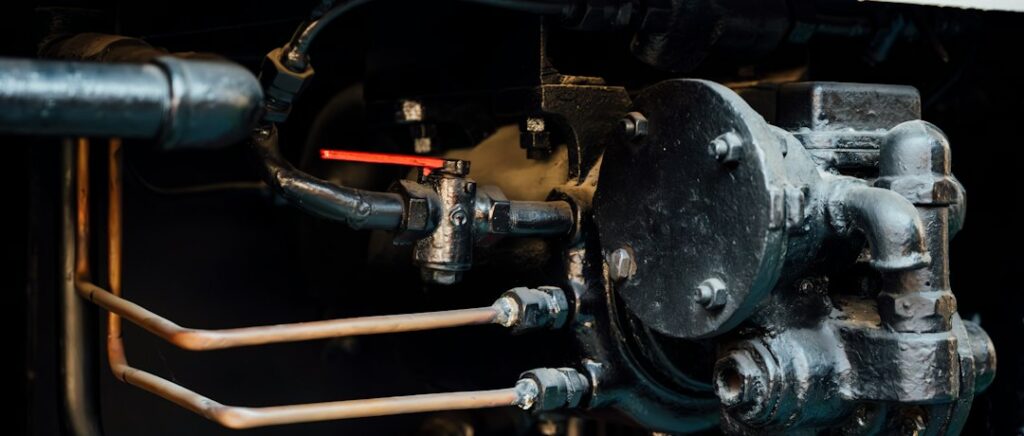
A small brass valve on the side of a hot water boiler is easy to ignore until it starts dripping onto the basement floor. That valve is the boiler’s last line of defense against excessive pressure, and a drip or a sudden gush of water from it is almost always a symptom of something else going wrong in the system. Older Denver bungalows, Victorian homes in Capitol Hill and Colorado Springs, and newer homes with radiant floors often rely on hydronic boilers, so the boiler relief valve is a common item in Front Range home inspection reports. This guide explains what the valve does, typical pressure settings, why it drips, how to read the pressure and temperature gauge, how the discharge pipe should be run, the difference between testing the lever and a valve that will not reseat, and what repairs typically cost. Boiler repairs and valve replacement belong with a qualified heating professional.
Part of our Heating, Cooling & Ventilation guide — start there for the full picture →
Heating or cooling trouble? Talk to a local HVAC technician.
📞 Call (833) 491-1876What a Boiler Relief Valve Does
A hydronic boiler heats water and circulates it through baseboard, radiators or radiant tubing. Water expands as it heats, and in a closed system that expansion raises pressure. The boiler relief valve is a spring-loaded safety device that opens when system pressure reaches its set point, releasing water until pressure drops, then closing again.
On most residential hot water boilers, the relief valve is commonly set at 30 psi, though the correct setting depends on the boiler’s rated maximum working pressure, and some boilers use different values. The rating is usually stamped on the valve body or its tag, along with a capacity rating. Relief valves on boilers are generally required to be listed or stamped to an ASME standard and sized to the boiler’s output; the exact requirements come from the boiler manufacturer, the mechanical code adopted locally and the installing contractor, so homeowners should not assume any valve that fits the threads is acceptable.
Steam boilers are a different system. They operate at much lower pressures and use a steam safety valve with a much lower setting, commonly around 15 psi on residential units. This guide focuses on hot water (hydronic) boilers.
Where to find it
The relief valve is usually threaded into the top or side of the boiler, or into the supply piping close to the boiler, with its outlet pointed downward and a pipe running from it toward the floor. It typically has a small lever on top. Nearby there is usually a combination pressure and temperature gauge, sometimes called a tridicator, and on many systems a fill valve and an expansion tank.
Reading the Pressure and Temperature Gauge
The gauge is the first tool for understanding what the relief valve is reacting to. Many residential hydronic systems are set up with a cold fill pressure in roughly the 12 to 15 psi range, which is enough to push water to the top of a two-story home’s piping, and pressure typically rises somewhat as the water heats. Exact targets vary with building height and the manufacturer’s instructions.
A rough way to interpret what the gauge shows:
- Pressure rises modestly as the boiler heats and settles back when it cools. This is normal behavior for a system with a working expansion tank.
- Pressure climbs quickly toward the relief setting whenever the boiler fires. This pattern often points to a waterlogged expansion tank.
- Pressure creeps up even when the boiler is cold or idle. This often points to a fill valve that is letting city water pressure leak through.
- Temperature well above the boiler’s normal operating range, with rising pressure. This can mean a control or limit problem and should be treated as urgent.
- Pressure near zero. The system may be low on water from a leak, which can also cause problems and needs attention.
Gauges themselves can stick or read inaccurately with age. A technician may verify readings with a separate test gauge before replacing parts.
Why a Boiler Relief Valve Drips or Discharges
A relief valve that opens is usually doing its job. The question is why pressure is reaching the set point. Replacing the valve without answering that question often means the new valve starts dripping too.
A waterlogged expansion tank
Closed hydronic systems use an expansion tank to absorb the extra volume of heated water. Modern diaphragm or bladder tanks hold an air cushion on one side of a rubber membrane. When the membrane fails or the air charge leaks away, the tank fills with water and stops cushioning expansion. Pressure then spikes every heating cycle, and the relief valve opens. Signs include a tank that feels full and heavy, water at the tank’s air valve, or a pressure gauge that swings sharply as the boiler fires. Older systems may have a plain steel tank in the ceiling or attic that needs periodic draining and recharging. Our boiler expansion tank guide covers both types.
A failing pressure-reducing fill valve
Most hydronic systems connect to the home’s water supply through a pressure-reducing valve, often called a fill or feed valve, which lowers incoming water pressure to the system’s fill pressure. When that valve wears or its seat gets debris on it, higher supply pressure can creep into the boiler loop. Pressure rises even when the boiler is off, eventually reaching the relief setting. Some Front Range neighborhoods have relatively high municipal water pressure, which makes a failing fill valve more noticeable.
Overfiring or a control problem
If the burner keeps firing past its normal limit because of a faulty aquastat, limit control or other control failure, water temperature and pressure both rise. A relief valve discharging hot water, sometimes with steam, is a serious warning sign in this situation. Turning the boiler off and calling a heating technician promptly is appropriate.
A worn or fouled valve
Relief valves can weep simply because they are old. Mineral deposits, corrosion or debris on the seat can keep the valve from sealing fully, especially after it has opened. A valve that drips steadily while the gauge reads well below the set point is a candidate for replacement.
Other system issues
A closed valve that isolates the expansion tank, an incorrectly sized tank after a system was expanded, or a circulator pump problem that leaves part of the system overheated can also contribute. These are diagnostic questions for a technician.
Discharge Piping: Where the Water Should Go
When a relief valve opens, it can release hot water quickly. The pipe attached to its outlet, called the discharge line, is meant to carry that water to a safe place where it will not scald anyone or cause damage.
Common expectations under many codes and manufacturer instructions include:
- The discharge pipe is the same size as the valve outlet, with no reductions along its length.
- It runs downward to a floor drain, an approved receptor or a location close to the floor where discharge is visible and will not scald someone standing nearby.
- It has no valve, cap, plug or threaded end that could block discharge.
- It is made of a material rated for hot water.
- It ends in a visible spot so that dripping is noticed rather than hidden.
Exact requirements vary by local code and the boiler’s installation manual, so a contractor or inspector should confirm what applies.
Never plug, cap or disable it
A dripping relief valve is annoying, and some homeowners or handymen respond by capping the discharge pipe, plugging the outlet or replacing the valve with one set at a higher pressure. Each of these removes the system’s protection against overpressure. Boilers and water heaters that cannot relieve pressure have been associated with serious explosions. If the valve is dripping, the right response is a bucket under the pipe for the short term and a call to a heating professional to find the cause.
Testing the Lever vs. a Valve That Will Not Reseat
Most relief valves have a test lever. Lifting it manually opens the valve and lets water flow through the discharge pipe, which confirms the valve is not seized. Many valve manufacturers recommend periodic manual testing, often around annual service, and their instructions describe how to do it safely.
Testing has a catch. A valve that has not opened in years may have mineral deposits on its seat. Lifting the lever can dislodge debris and leave the valve unable to close fully, so it keeps dripping after the test. That is not a reason to skip testing indefinitely, because a valve that is seized shut cannot protect anything. It is a reason to have the test done when a replacement valve and someone qualified to install it are available, often during an annual boiler service.
Some practical cautions:
- The discharge is hot. Keep hands, feet and pets clear of the outlet.
- Make sure the discharge pipe is intact and pointed where water can safely go before lifting the lever.
- If the valve does not reseat after a few gentle operations, leave it to a technician rather than forcing it.
- If the lever is stuck or produces no flow, treat the valve as suspect.
Replacement and Related Repairs
Replacing a boiler relief valve usually means isolating and partly draining the system, removing the old valve, installing a correctly rated new one, refilling, purging air and checking pressure. Because the rating must match the boiler and the system needs to be refilled and purged correctly, most homeowners hire a heating contractor. Our boiler repair guide covers how to evaluate repair quotes.
A technician will typically check the expansion tank charge, the fill valve, controls and the gauge at the same visit. Fixing the cause is what keeps the new valve from dripping.
What homeowners can safely do before the technician arrives
- Place a bucket or pan under the discharge pipe and check it periodically so water does not spread across finished flooring.
- Write down the gauge’s pressure and temperature readings when the boiler is cold, while it is firing and an hour after it shuts off. Those readings help a technician separate an expansion tank problem from a fill valve problem.
- Note whether the dripping happens only during heating cycles or around the clock.
- If the valve is discharging hot water or steam continuously, or the temperature reading is far above normal, turn the boiler off at its service switch and call for help.
- Avoid adjusting the fill valve, bleeding large amounts of water or lifting the test lever repeatedly, which can make the diagnosis harder.
Combi boilers
Wall-hung combi boilers, which make both space heating and domestic hot water, include their own built-in relief valve and often an internal expansion vessel. Pressure problems on these units usually involve the internal expansion vessel or the filling loop, and the manufacturer’s service procedures apply.
Domestic hot water and related valves
A boiler relief valve protects the heating loop. A water heater, or an indirect tank heated by the boiler, has its own temperature and pressure relief valve protecting the domestic water. The two are related but separate devices. Our guide to the water heater pressure relief valve explains the T&P valve. Where a boiler or indirect tank produces very hot domestic water, a thermostatic mixing valve can help limit scalding temperatures at the tap.
Radiators and baseboard
Leaks or air problems at hot water radiators can lower system pressure and lead the fill valve to keep adding water. That fresh water brings oxygen and minerals into the loop, which can contribute to corrosion and deposits over time, including on relief valve seats.
Typical Costs
Costs depend on the boiler, access, local labor rates and what else is found. These are general 2026 estimates, not quotes:
- Relief valve part: commonly tens of dollars for typical residential sizes, more for larger capacities.
- Relief valve replacement by a pro: often in the low hundreds of dollars including labor, draining and refilling.
- Expansion tank replacement: commonly a few hundred dollars installed for a residential diaphragm tank.
- Fill valve replacement: often in a similar range to a relief valve replacement.
- Diagnostic or service call: many contractors charge a visit fee, sometimes credited toward the repair.
- Annual boiler service: commonly a few hundred dollars, and a convenient time to test the relief valve and check tank charge.
Emergency or after-hours calls during a cold snap usually cost more. Replacing the whole boiler is a different decision, discussed below.
What Home Inspectors Look For
The American Society of Home Inspectors (ASHI) Standard of Practice says the inspector shall inspect installed heating equipment, vent systems, flues and chimneys, and distribution systems, and describe the energy source and heating system. It also says the inspector is not required to inspect heat exchangers or determine heat supply adequacy and distribution balance. Within that scope, inspectors commonly note visible conditions such as:
- A relief valve that is dripping, corroded or crusted with mineral deposits.
- A missing, capped, undersized or improperly terminated discharge pipe.
- A pressure gauge reading at or near the relief setting.
- Signs of past discharge, such as staining or corrosion below the valve.
- An expansion tank showing rust, leaks or signs of being waterlogged.
Inspectors generally do not lift relief valve levers during an inspection, because a valve that does not reseat would leave the seller with a leak. They typically recommend evaluation by a heating contractor when they see these conditions.
Maintenance and efficiency
ENERGY STAR recommends having heating systems checked by a contractor each year, ideally in the fall, with a check-up that includes gas or oil connections, gas pressure, burner combustion and the heat exchanger, along with controls and safe operation. The U.S. Fire Administration likewise advises having heating equipment and chimneys cleaned and inspected each year by a professional.
If the boiler is old and repairs are piling up, replacement may be worth comparing. ENERGY STAR says certified gas boilers have AFUE ratings of 90% or greater and certified oil boilers 87% or greater, and lists features such as electronic ignition and sealed combustion. For guidance on choosing a qualified heating professional, see our hiring guide and the heating and cooling hub.
More Questions About Boiler Relief Valves
Is a dripping boiler relief valve dangerous?
A dripping boiler relief valve is not an emergency by itself, but it is a warning that should be checked soon. The valve may be doing its job because system pressure is too high, often from a waterlogged expansion tank or a failing fill valve, or the valve itself may be worn and no longer sealing. Either way, the cause needs diagnosis. Never cap, plug or remove the valve to stop the drip, because it is the boiler’s last line of protection against dangerous overpressure.
What is the difference between a boiler relief valve and a water heater relief valve?
A boiler relief valve on a residential hot-water heating system is usually rated to open around 30 psi, while a water heater temperature and pressure (T&P) relief valve typically opens at about 150 psi or at roughly 210 degrees Fahrenheit. The two valves are not interchangeable. A boiler that also makes domestic hot water through an indirect tank or a combi unit may have both types of valve on different parts of the system. Each discharge pipe should run to a safe location within a few inches of the floor or to an approved drain.
What happens if a boiler relief valve fails to open?
If a boiler relief valve fails to open when pressure or temperature climbs too high, the boiler and piping can be pushed beyond their design limits, which risks burst components, scalding water and, in rare cases, a violent failure. Modern boilers also have high-limit controls and other safeguards, but the relief valve is the final mechanical backup. Valves can seize from mineral buildup after years of sitting closed, which is why technicians inspect them during annual service and replace any valve that is corroded, leaking or stuck.
How often should a boiler relief valve be replaced?
A boiler relief valve should be replaced whenever it leaks, fails to reseat after testing, or shows corrosion or mineral crust, and many technicians also replace older valves proactively during service, often after several years. Manufacturer guidance and local code take priority, so ask the technician what they follow. Replacement is a relatively inexpensive part of a service call. Because draining pressure and working on a hot, pressurized system can scald, replacement is generally a job for a qualified heating technician rather than a homeowner.
References
- ASHI Standard of Practice for Home Inspections — American Society of Home Inspectors
- Boilers — ENERGY STAR
- Maintenance Checklist — ENERGY STAR
- Heating Fire Safety — U.S. Fire Administration
Frequently asked questions
Why is my boiler relief valve dripping?
Common causes include a waterlogged expansion tank, a fill valve letting supply pressure into the loop, a control problem causing overheating, or debris on an old valve's seat. Check the pressure gauge and have a heating technician find the cause before replacing the valve.
What pressure should a residential boiler run at?
Many residential hydronic systems are filled in roughly the 12 to 15 psi range cold and rise modestly when hot, with relief valves commonly set at 30 psi. Exact targets depend on the building and the manufacturer's instructions.
Can I cap a dripping boiler relief valve?
No. Capping, plugging or disabling the valve removes protection against overpressure. Put a bucket under the discharge pipe and call a heating professional to fix the underlying cause.
Should I test my boiler relief valve?
Many manufacturers recommend periodic testing, often during annual service. Because an old valve may not reseat after testing, it is often best done when a technician and a replacement valve are on hand.
How much does it cost to replace a boiler relief valve?
The part is commonly tens of dollars, and professional replacement often runs in the low hundreds including draining and refilling. Expansion tank or fill valve repairs found at the same visit add to the total.
How do you raise boiler pressure after it drops?
Boiler pressure is usually raised by adding water through the fill valve or filling loop until the gauge reads the normal cold pressure, often around 12 to 15 psi for residential systems, then closing it. Follow the boiler manual. Pressure that keeps dropping points to a leak that a technician should find.
Does a dripping boiler relief valve raise water bills?
A slow drip from a boiler relief valve rarely changes a water bill much, but constant discharge can waste water and pull fresh, oxygen-rich water into the system, which speeds corrosion. The bigger concern is the underlying pressure problem, so schedule a repair rather than waiting it out.
Does a home inspector check the boiler relief valve?
A home inspector typically checks that a boiler relief valve is present, that its discharge pipe is the right material, size and termination, and that there are no signs of leaking or corrosion. Inspectors usually do not operate the valve, since an old valve may not reseat.
Looking at a Front Range home heated by an older boiler? Get in touch here and we can connect you with a local inspector who checks relief valves, gauges and expansion tanks.