Thermostatic Mixing Valves: Scald Protection at the Heater
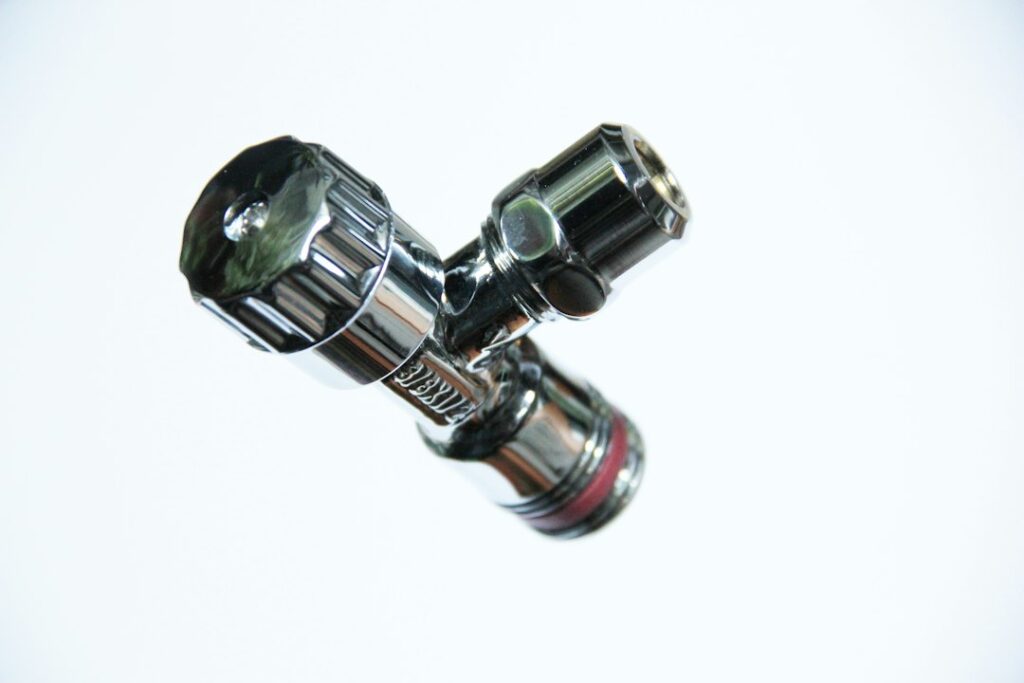
Hot water presents a genuine trade-off. Water stored hot enough to discourage bacterial growth is also hot enough to burn skin in seconds, and water delivered at a comfortable temperature may sit in the tank at a level where bacteria can survive. A thermostatic mixing valve is the device that lets a household have it both ways: the tank stays hotter, and the valve blends in cold water so what reaches the faucets is cooler and steady. These valves also stretch the usable capacity of a tank, which is one reason they appear in more Front Range homes than they once did. This guide explains how a thermostatic mixing valve for water heater installations works, what the CDC and CPSC say about Legionella and scald risk, how at-heater valves differ from point-of-use valves, why hard water matters for maintenance and what installation typically costs in 2026. It summarizes federal guidance; health questions about Legionella risk belong with a healthcare provider.
Part of our Plumbing & Water guide — start there for the full picture →
Heating or cooling trouble? Talk to a local HVAC technician.
📞 Call (833) 491-1876What a Thermostatic Mixing Valve Does
A thermostatic mixing valve, often shortened to TMV, has three ports: hot water in, cold water in and mixed water out. Inside, a temperature-sensitive element, typically a wax or bimetal thermostat, expands and contracts as the outlet temperature changes, moving a shuttle that adjusts the proportion of hot and cold water. If the outlet gets too hot, the element closes down the hot side and opens the cold side; if it cools, the reverse happens. The result is outlet water that stays close to the set temperature even as the tank temperature, supply pressure or flow rate changes.
Most thermostatic valves also include a fail-safe feature: if the cold supply is lost, the valve shuts down or sharply restricts the hot flow rather than sending straight tank-temperature water to the fixtures. Valve specifications describe how each model behaves on cold-water failure, and that behavior is one of the main differences between a thermostatic valve and a simple manual mixing valve.
This differs from adjusting the water heater thermostat. The heater thermostat controls the temperature of stored water. The mixing valve controls the temperature of delivered water. Used together, they can be set independently.
Legionella vs Scalding: The Trade-Off
The case for mixing valves rests on two federal sources that point in opposite directions on tank temperature.
The scald side
The U.S. Consumer Product Safety Commission’s publication on avoiding tap water scalds states that the majority of injuries and deaths involving tap water scalds are to the elderly and children under the age of five, and it urges users to lower their water heaters to 120 degrees Fahrenheit. CPSC gives specific exposure times: most adults will suffer third-degree burns if exposed to 150-degree water for two seconds, burns will also occur with a six-second exposure to 140-degree water or a thirty-second exposure to 130-degree water, and even at 120 degrees a five-minute exposure could result in third-degree burns. CPSC notes that a setting of 120 degrees Fahrenheit may be necessary for residential water heaters to reduce or eliminate the risk of most tap water scald injuries.
The Legionella side
The Centers for Disease Control and Prevention describes Legionnaires’ disease as a serious type of pneumonia caused by Legionella bacteria, which people can get by breathing in mist containing the bacteria. CDC notes that most healthy people exposed to Legionella do not get sick, but certain factors put people at increased risk, and about 1 out of every 10 people who get sick with Legionnaires’ disease will die from complications.
In its guidance on preventing waterborne germs at home, CDC states that keeping a home water heater between 130 and 140 degrees Fahrenheit can kill germs like Legionella in water, but also increases the risk of burns. CDC’s guidance is that if the water heater is set above 120 degrees, households should use valves that mix cold and hot water at the tap, which it calls thermostatic valves, to avoid burns, and that this is especially important if young children, older adults or other people at increased risk of burns live in the home. CDC also suggests asking a healthcare provider about personal Legionella risk and discussing whether a setting of 130 degrees or above is right for the household.
Reconciling the two
The two agencies are addressing different risks. CPSC’s 120-degree recommendation targets burns; CDC’s higher range targets bacteria and pairs it with mixing valves to manage burn risk. A thermostatic mixing valve is the mechanism that allows a higher storage temperature while keeping delivered water near a safer temperature. Whether a particular household should raise its tank temperature is a decision that depends on who lives there, including anyone immunocompromised, and the CDC’s advice to consult a healthcare provider applies.
Other Reasons Homes Use Mixing Valves
Scald and bacteria control are not the only motivations.
- Extended hot water capacity. Because stored water is hotter, each gallon drawn from the tank is blended with more cold water, so the tank delivers more mixed hot water before running out. Manufacturers market at-heater valves partly on this basis. It can help a household get more from an existing tank, though it does not replace correct water heater sizing.
- Steadier temperatures. A mixing valve smooths out the temperature swings that occur as a tank heats and cools.
- Solar and boiler systems. Solar thermal storage tanks and indirect tanks heated by a boiler can reach high temperatures, and mixing valves are standard on those systems.
- Equipment requirements. Some plumbing codes and some fixture manufacturers require temperature limiting at specific fixtures, such as bathtubs and showers. Requirements vary by jurisdiction and the code edition adopted.
At-Heater vs Point-of-Use Valves
Mixing valves are installed in two broad locations, and they do different jobs.
At-heater (point-of-distribution) valves
An at-heater valve is installed on the hot water outlet of the water heater, with a cold water connection teed in. It controls the temperature of all hot water leaving the heater, so every fixture in the house receives tempered water. These valves are commonly certified to industry standards such as ASSE 1017 for point-of-distribution temperature control. They are well suited to raising tank temperature for capacity or Legionella reasons while lowering delivered temperature house-wide.
The limitation is that an at-heater valve sets one temperature for everything. Dishwashers and some laundry cycles may perform better with hotter water, and the piping between the valve and the fixtures remains at the lower mixed temperature, which some guidance considers in Legionella control. An at-heater valve is also not designed to provide fine scald protection at an individual shower; if delivered water is set high for capacity, fixtures can still run hot.
Point-of-use valves
A point-of-use valve is installed close to a specific fixture, often under a sink or in the wall behind a tub or shower. It limits temperature at that fixture only. Valves for this purpose are commonly certified to standards such as ASSE 1070. They suit situations where a household wants hotter water generally but a safe temperature at a child’s bathtub or an older adult’s shower.
Shower valves are a separate layer
Modern shower and tub/shower valves are typically pressure-balancing or thermostatic, commonly certified to ASSE 1016, and they limit temperature swings when someone flushes a toilet or starts a dishwasher. Many also have an adjustable maximum-temperature stop. These valves complement rather than replace a mixing valve. The shower valve guide explains the types and how to check the limit stop.
In practice, many homes benefit from layered protection: a reasonable tank setting, an at-heater valve if the tank is set higher, properly adjusted shower valves and point-of-use valves at fixtures used by the most vulnerable household members.
Installation Details That Matter
A mixing valve is plumbing work, and in most Colorado jurisdictions plumbing changes at the water heater require a licensed plumber and a permit. Installation details that affect safety and performance include:
- Correct orientation and connections. Hot and cold inlets are clearly marked, and reversed connections can cause erratic behavior.
- Check valves. Many installations need check valves on the inlets to prevent crossflow between hot and cold lines, which can cause lukewarm water at taps and other problems. Some valves include them.
- Heat traps and recirculation. Homes with a hot water recirculation loop need the mixing valve and return line arranged according to the valve manufacturer’s diagrams, or the loop can defeat the valve.
- Accessible location. The valve should be reachable for adjustment and service, with isolation valves where the manufacturer recommends them.
- Setting and verifying temperature. The installer should set the outlet temperature and then confirm delivered temperature at the farthest fixtures with a thermometer. CPSC suggests checking temperature by holding a thermometer under the faucet.
- Relief valve unaffected. The mixing valve does not replace the water heater’s temperature and pressure relief valve, which must remain properly installed with its discharge pipe.
Gas and electric tanks both use the same valve types. Specifics for gas water heaters, including venting and clearances, are unaffected by the valve but are often inspected at the same time.
Maintenance, Scale and Colorado Water
A thermostatic valve has moving parts and a sensing element in direct contact with water, which means it can be affected by mineral scale and sediment. Water hardness varies widely across the Front Range, from relatively soft surface-water supplies in some cities to harder water from wells and some municipal sources, so the maintenance a valve needs depends on the home. Scale buildup can slow the valve’s response, cause it to stick or prevent it from reaching its set temperature.
Signs that a mixing valve needs attention include water that is not as hot as it used to be, temperature that drifts during use, reduced hot water flow and fluctuations that were not present before. Some valves have serviceable cartridges, screens or strainers that can be cleaned or replaced; others are replaced as a unit. Manufacturers typically recommend periodic temperature checks at fixtures and a service interval that varies with water quality.
The water heater itself benefits from the same attention. CDC notes that regularly flushing a water heater can prevent germs from growing and make it last longer, that most manufacturers recommend it, and that many manufacturers recommend flushing annually, before moving into a home, after plumbing work and if tap water is discolored. Homes with water softeners may see less scale, though softeners have their own maintenance needs.
Checking Delivered Water Temperature at Home
Whatever the tank and valve settings, the number that matters for scald risk is the temperature coming out of the tap. CPSC’s scald publication suggests holding a candy or meat thermometer under the faucet, and for the most accurate reading, checking first thing in the morning or at least two hours after hot water has been used. If the reading is too high, CPSC advises adjusting the thermostat according to the manufacturer’s instructions and checking again. The same approach works for verifying a mixing valve: run hot water at the fixture nearest the heater and at the farthest one until the temperature stabilizes, then compare readings with the valve’s setting.
A few practical notes:
- Test the bathtub. Tubs are where young children are bathed, and filling a tub means longer contact with the water than a quick hand-wash, so the tub spout is the most important reading.
- Test after changes. Recheck after any water heater replacement, valve service or thermostat adjustment.
- Test seasonally. Colder incoming water in winter can change how some systems behave, and Front Range municipal water temperatures vary through the year.
- Hand-test before bathing. CPSC advises never taking hot water temperature for granted and always hand-testing before use, especially when bathing infants and young children.
Readings well above the intended setting, or readings that climb over a few minutes, suggest the valve is not controlling properly and should be serviced.
What a Home Inspector May Note
The ASHI Standard of Practice directs inspectors to inspect water heating equipment and hot water supply systems and to describe the water heating equipment and its energy source. Inspectors are not required to evaluate mixing valve performance in detail, but they commonly note:
- The presence and type of mixing valve, and obvious installation issues such as missing cold-water connections.
- Delivered hot water temperature, measured at a fixture by some inspectors.
- Corrosion, leaks or mineral buildup on the valve and connections.
- The temperature and pressure relief valve and its discharge pipe.
- The age and condition of the water heater.
Buyers who learn the house has a mixing valve should ask the seller for the current tank and valve settings, and, after moving in, check the temperature at a bathtub with a thermometer.
Typical Costs
These are general 2026 ranges.
- At-heater thermostatic mixing valve, parts: often from roughly $50 to a few hundred dollars depending on brand, size and features.
- Professional installation at the heater: commonly a few hundred dollars including the valve, more if check valves, recirculation changes or repiping are needed.
- Point-of-use valve under a sink: often similar to or somewhat less than an at-heater installation, depending on access.
- Cartridge or valve replacement: varies by model; some cartridges are inexpensive, while some valves are replaced as a unit.
- Installing during a water heater replacement: usually adds less labor cost than a stand-alone visit, since the plumber is already at the heater.
When to Call a Professional
Call a licensed plumber when the delivered temperature cannot be controlled, when hot water runs out much faster than expected, when lukewarm water appears at cold taps, when the valve leaks or is heavily scaled, or before raising a tank setting above 120 degrees. For families with infants, older adults or immunocompromised members, a conversation with a healthcare provider about Legionella risk can inform the plan. Buyers can learn more in the hiring process guide and the plumbing and water hub.
More Questions About Thermostatic Mixing Valves
Can a mixing valve be used with a tankless water heater?
Yes, a thermostatic mixing valve can be installed with a tankless water heater, though it is often less necessary because many tankless units allow precise outlet temperature settings. A mixing valve still helps when the tankless heater is set high for a recirculation system, hydronic heating or a storage tank combination.
Tankless heaters need a minimum flow to fire, and a mixing valve can lower that flow through the heater when cold water is blended in. Matching the valve’s flow rating and minimum flow to the heater avoids temperature swings. A licensed plumber should size the combination.
What is the difference between ASSE 1017 and ASSE 1070 valves?
ASSE 1017 covers temperature-actuated mixing valves for hot water distribution systems, typically installed at or near the water heater to set the temperature sent through the house. They are not designed to be the final scald protection at a fixture.
ASSE 1070 covers water temperature limiting devices installed at or near fixtures, such as tubs and sinks, to limit the final delivered temperature. Many plumbing codes require ASSE 1070 devices on bathtubs and certain fixtures. Checking the certification marking on the valve body confirms which standard it meets.
What are signs a thermostatic mixing valve is failing?
Common signs of a failing thermostatic mixing valve include water temperature that drifts or swings, hot water that never gets fully hot, or water suddenly running hotter than the set point. Reduced flow from all hot taps can also point to a clogged valve.
Scale buildup on the thermostatic element is a frequent cause, especially in hard-water areas. Some valves can be cleaned or have a cartridge replaced, while others must be swapped entirely. A thermometer test at the nearest tap confirms whether delivered temperature has changed. Any sign of scalding temperatures should be addressed promptly.
Does a mixing valve need check valves?
Yes, most thermostatic mixing valve installations need check valves on the hot and cold inlets to prevent crossflow, where hot water is pushed into the cold supply or the other way around. Many valves include built-in checks, while others require separate ones.
Crossflow can cause warm water at cold taps, temperature swings and reduced performance. It is especially common in systems with recirculation pumps or single-handle fixtures. The valve’s installation instructions specify whether check valves are included and where they go, and a licensed plumber can confirm the setup meets local code.
References
- Preventing Waterborne Germs at Home — Centers for Disease Control and Prevention
- About Legionnaires’ Disease — Centers for Disease Control and Prevention
- Avoiding Tap Water Scalds (Publication 5098) — U.S. Consumer Product Safety Commission
- ASHI Standard of Practice for Home Inspections — American Society of Home Inspectors
Frequently asked questions
Does a water heater need a thermostatic mixing valve?
CDC advises that if a water heater is set above 120 degrees Fahrenheit, households should use thermostatic valves to avoid burns. Homes keeping tanks at 120 degrees may not need one, though some codes and systems, such as solar storage, require them.
What temperature should a water heater be set to?
CPSC urges 120 degrees Fahrenheit to reduce scald risk. CDC notes that 130 to 140 degrees can kill germs like Legionella but raises burn risk, and suggests discussing higher settings with a healthcare provider and pairing them with mixing valves.
What is the difference between an at-heater and a point-of-use mixing valve?
An at-heater valve tempers all hot water leaving the heater. A point-of-use valve limits temperature at a single fixture, such as a bathtub or sink, which allows hotter water elsewhere in the house.
How long do thermostatic mixing valves last?
It depends on water quality and the model. Hard water can scale the internal element and cause sluggish or erratic control. Periodic temperature checks and cleaning or cartridge replacement per the manufacturer extend service life.
Does a mixing valve give more hot water?
It can. With the tank set hotter, each gallon of stored water is blended with more cold water, so the tank delivers more tempered hot water. It is not a substitute for a correctly sized water heater.
Is a tempering valve the same as a thermostatic mixing valve?
The terms are often used interchangeably. Strictly, a tempering valve usually describes a simpler mixing valve, while a thermostatic mixing valve uses a temperature-sensing element to adjust the blend continuously. The certification standard on the valve shows its intended use.
Do mixing valves work with recirculation pumps?
Yes, but a mixing valve on a recirculation system needs a specific piping arrangement so return water does not upset the blend or cause crossflow. Manufacturers publish recommended layouts. Incorrect piping can cause lukewarm water or temperature swings, so plumber installation is advisable.
Can a thermostatic mixing valve be used with solar water heating?
Yes, thermostatic mixing valves are commonly installed on solar water heating systems, because solar storage tanks can reach very high temperatures on sunny days. The valve blends that water down to a safer temperature before it reaches fixtures. It must be rated for high inlet temperatures.
Want to know how the water heater in a home you are buying is set up? Reach our team to find a Front Range inspector who checks tank condition, relief valves and delivered water temperature.