Window Well Covers: Egress, Snow Loads and Leak Prevention
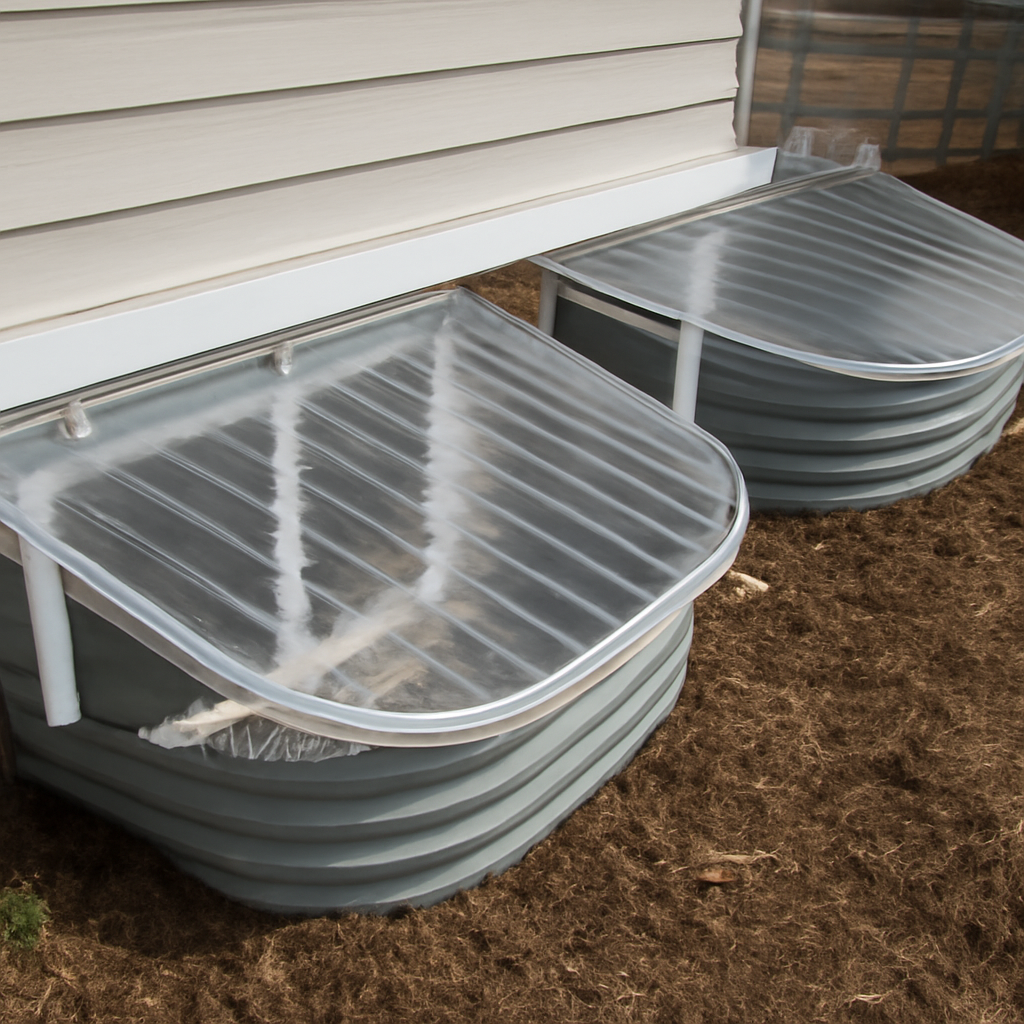
Basement window wells are everywhere along the Front Range, from 1970s split-levels in Littleton to new builds in Castle Rock with finished lower levels. The wells let light into the basement and, for bedroom windows, provide an emergency way out. They also collect leaves, snow, rainwater, the occasional rabbit and, without protection, can be a fall hazard for children and pets. Window well covers solve some of those problems and can create others if the wrong product is chosen. A cover that is bolted down or too heavy to push open can turn an emergency exit into a trap. This guide covers egress requirements and escape planning, fall protection, how covers handle Colorado snow, the trade-off between keeping water out and letting air in, the main materials, how covers relate to basement leaks, and what they typically cost.
Part of our Structure & Exterior guide — start there for the full picture →
Why Window Well Covers Must Open Easily From Inside
The most important rule for any cover over an egress window is that it must not block escape. Many basement bedrooms in Colorado rely on an egress window and well as the second way out in a fire. A cover that is locked, screwed down, frozen shut or too heavy for an occupant to lift from inside the well defeats the purpose of the window.
The U.S. Fire Administration’s home fire escape planning guidance advises households to find two ways out of every room and to make sure doors and windows are not blocked. It also notes that residents could have less than two minutes to escape a home fire once the smoke alarm sounds. In a basement bedroom, the window well is often that second exit, so the cover over it needs to work as quickly as a door.
Building codes adopted in many Colorado jurisdictions include requirements for emergency escape openings and the wells serving them, including provisions that well covers or grates be releasable or removable from inside without keys, tools or special knowledge. Exact wording depends on the code edition each city or county has adopted, so homeowners should confirm details with their local building department. Practical features that support easy egress include:
- Hinged covers that swing up and out of the way with modest effort.
- Gas struts or spring assists on heavier covers so a child or older adult can open them.
- Interior release mechanisms that are obvious and operable without tools.
- No padlocks or exterior-only latches on egress wells.
The well itself also matters. Egress wells typically need enough size for an occupant to climb out and, in deeper wells, a permanent ladder or steps. The guide to egress window installation cost explains window sizing and permit questions, and the guide to the window well covers well dimensions, materials and drainage.
Families can practice using the window as part of a home fire drill. Opening the cover from inside once a season, especially after a snowstorm, is a simple way to confirm it still works.
Fall Protection for Children and Pets
An uncovered window well is a hole in the yard, often three to six feet deep, with a hard bottom of gravel and a glass window at one side. Children playing in the yard, pets chasing a ball, and adults walking at night can step into one. Covers are one of the most common ways to address that risk.
The U.S. Consumer Product Safety Commission has emphasized a related principle for windows above grade. In its 2026 National Window Safety Week announcement, the CPSC recommends installing window guards to prevent children from falling out of windows and, for windows on the sixth floor and below, using guards that adults and older children can open easily in case of fire. It also advises never depending on screens to keep children from falling. Although that guidance concerns falls from windows rather than into wells, the same balance applies to window well covers: they should keep children out while still letting occupants get out quickly.
For fall protection, buyers often look for:
- Load ratings from the manufacturer stating how much weight the cover supports, since a cover that simply snaps under a child does little good.
- Secure seating on the well rim so the cover does not slide off when stepped on.
- Grate spacing narrow enough that small feet or paws cannot slip through.
Covers are one part of a broader childproofing approach. The guide to choosing a baby gate for stairs covers interior fall hazards that often come up in the same household checklist.
Snow Loads on Window Well Covers in Colorado
Front Range snowstorms can drop heavy, wet spring snow that weighs far more than the light powder of midwinter. A flat or slightly domed cover beside a foundation can collect drifted snow, snow sliding off a roof, and snow shoveled off a walkway. Over time, that weight can bow thin plastic, crack brittle panels, or push a cover into the well.
FEMA’s Snow Load Safety Guide explains that drifting and sliding snow create unbalanced snow loads, with drifts often forming in the wind shadow of higher parts of a building. It also cautions that roof snow loads differ from ground snow loads and that measuring ground snow and assuming the same load on a roof is incorrect. While that guide focuses on roofs, the same drifting and sliding behavior affects window wells tucked against a house below a roof edge, an inside corner or a deck.
Practical considerations for covers in snowy areas include:
- Manufacturer snow load ratings. Many heavy-duty covers advertise a rated load; lighter covers may carry no rating at all.
- Shape. Domed or sloped covers shed snow more readily than flat ones.
- Location under roof edges. Wells beneath valleys or eaves without gutters receive concentrated snow and ice sliding off the roof.
- Clearing after storms. Brushing snow off covers, particularly over bedroom egress windows, keeps them operable and reduces long-term stress.
The guide to roof snow load explains how snow weight builds up and why drift zones near walls carry heavier loads.
Keeping Water and Debris Out vs Allowing Ventilation
A well that fills with leaves, snowmelt and rain can let water reach the window frame and seep into the basement. Covers reduce that risk by shedding precipitation and blocking debris. A fully sealed cover, though, also cuts off fresh air if homeowners like to open basement windows, and it can trap humidity in the well, leading to condensation and algae on the inside of the cover.
Solid Covers
Solid clear covers made from polycarbonate or acrylic keep rain, snow and leaves out while letting light through. Many have a lip that overlaps the well rim and slopes away from the house. Some models include vent slots or a small gap at the rim to allow airflow without letting heavy rain in.
Open Grates
Steel or aluminum grates provide fall protection and strength while allowing air, light and some precipitation through. They do little to keep out rain, snow or fine debris, so the well’s own drainage has to handle water.
Combination Designs
Some systems pair a steel grate for strength and security with a clear polycarbonate panel on top for weather protection. These are common on egress wells where both load capacity and dryness matter.
No cover replaces a functioning well drain. Most wells are designed to drain water through gravel at the base into a perimeter drain system or to daylight. Covers simply reduce how much water reaches that drain.
Condensation and Algae Under Clear Covers
Clear covers on sunny south- and west-facing wells can act like small greenhouses. Moist air rising from damp gravel condenses on the underside of the panel, and over a season that moisture can support algae, mildew on the window frame, or a musty smell near the basement window. Covers with built-in vents, a small gap at the rim, or periodic removal on dry days help moisture escape. Keeping the gravel at the bottom of the well clean and free-draining reduces the amount of moisture available in the first place.
Polycarbonate vs Steel Grate Window Well Covers
The main material choice usually comes down to the trade-offs below:
- Polycarbonate covers. Clear and impact-resistant, they let light into the basement and shed rain and snow. Thinner products may yellow, scratch or crack over years of Colorado sun and hail, and some flex under weight unless reinforced. Many manufacturers rate heavier polycarbonate covers for snow and foot traffic.
- Acrylic covers. Less expensive and clear, but more brittle than polycarbonate and generally more prone to cracking from impact or cold.
- Steel grates. Strong and durable, often with high load ratings, but heavy. On egress wells, weight must be offset with hinges or assists so they open easily from inside. Steel can rust if coatings fail.
- Aluminum grates. Lighter than steel and resistant to rust, though usually less stiff for the same profile.
- Custom-fit covers. Odd-shaped or tiered wells may need covers made to measured dimensions, which tend to cost more but fit and seal better.
High-altitude ultraviolet exposure along the Front Range is hard on plastics, so buyers may want to look for UV-stabilized polycarbonate and check warranty terms for yellowing and cracking.
Window Wells, Covers and Basement Leaks
When basement windows leak, the window well is often the source. Common contributors include clogged well drains, wells that fill with leaves and snow, poorly sealed joints between the well and the foundation, and grading that slopes toward the house. A cover can reduce the water reaching the well but will not fix a missing drain or a foundation gap.
The American Society of Home Inspectors (ASHI) Standard of Practice requires inspectors to inspect vegetation, grading, surface drainage and retaining walls that are likely to affect the building adversely, which is where window wells often appear in an inspection report. Common observations include wells with standing water or debris, soil level close to the window sill, rusted or damaged well liners, and missing covers over deep wells. The structure and exterior inspection hub explains how inspectors evaluate foundations, grading and drainage, and the main guide to hiring a home inspector covers scope questions to raise before booking.
If water has already entered the basement, the EPA advises drying water-damaged areas and items within 24 to 48 hours to prevent mold growth. A window that has leaked repeatedly may have rotted frames or failed seals, and replacement may be the better long-term fix; the guide to basement window replacement compares options and costs.
Signs a Cover Needs Repair or Replacement
Window well covers sit outdoors year-round, exposed to hail, ultraviolet light, freeze-thaw cycles and the occasional lawn mower. Common signs that one is due for attention include:
- Cracks or crazing in polycarbonate or acrylic panels, especially near fasteners and corners.
- Yellowing or cloudiness that blocks light into the basement and often signals that the plastic is becoming brittle.
- Sagging or bowing after heavy snow, which suggests the cover is undersized for the load or has lost stiffness.
- Rust and flaking coating on steel grates, particularly at welds and hinge points.
- Hinges or struts that stick, making the cover hard to open from inside the well.
- Gaps at the rim where a cover has shifted, allowing leaves and water to collect in the well.
Any cover over a bedroom egress window that can no longer be opened quickly from inside should be repaired or replaced promptly rather than left until spring.
Questions for Buyers Touring Homes With Window Wells
Window wells are easy to overlook during a showing, particularly under snow. Buyers can ask a few targeted questions:
- Which basement rooms are marketed as bedrooms, and does each have an egress window with a properly sized well?
- Were the egress windows installed with permits, and are records available?
- Have the wells ever filled with water or leaked into the basement?
- Do the covers open easily from inside, and are any of them screwed or locked down?
- Where do the well drains discharge, and when were they last cleaned?
Answers to those questions, combined with the inspection report, give a clearer picture of whether the wells are an asset or a future repair.
Installing and Maintaining Window Well Covers
Many covers are designed for homeowner installation, especially standard sizes from home improvement stores. A basic process looks like this:
- Measure the well at its widest point, its projection from the foundation, and its shape, since steel corrugated wells are often semicircular or rectangular with flanges.
- Check the purpose of the window. If it serves a bedroom or is the only basement egress, choose a cover that opens easily from inside.
- Follow the manufacturer’s attachment method. Some covers clip to the well flange, others fasten to the foundation with brackets. Avoid fastening egress covers in a way that prevents opening from inside.
- Test opening from inside after installation by climbing into the well or reaching up from the window.
- Clean the well and cover each spring and fall, removing leaves and debris and checking the drain.
Over time, inspect covers for cracks, loose fasteners, rust on steel grates and seized hinges. Replace damaged covers before winter so they can handle snow load and remain operable.
Window Well Cover Costs
Costs vary with size, material, load rating and whether the cover is custom-made. Standard plastic covers for common well sizes are often available in the tens of dollars to low hundreds at home improvement stores. Heavy-duty polycarbonate covers with snow load ratings, steel grates and combination grate-and-panel systems generally cost more, frequently in the low to mid hundreds per well, and custom covers for oversized or tiered egress wells can cost more again.
Professional installation, when needed, adds labor for measuring, fitting and fastening. Homes with several wells, or wells needing drainage repairs at the same time, can see total project costs climb into the high hundreds or more. Written quotes that state the load rating, material, and how the cover opens from inside help homeowners compare products fairly.
References
- Home Fire Escape Plans — U.S. Fire Administration (FEMA)
- CPSC Urges Families to Protect Children During National Window Safety Week — U.S. Consumer Product Safety Commission
- Snow Load Safety Guide (FEMA P-957) — Federal Emergency Management Agency
- ASHI Standard of Practice for Home Inspections — American Society of Home Inspectors
- A Brief Guide to Mold, Moisture and Your Home — U.S. Environmental Protection Agency
Frequently asked questions
Can a window well cover be installed over an egress window?
Yes, as long as it can be opened easily from inside without keys, tools or special knowledge. Hinged covers with gas struts or simple interior releases are common choices. Local building departments can confirm the specific requirements of the code adopted in each jurisdiction.
Are polycarbonate window well covers strong enough for snow?
Some are. Heavy-duty polycarbonate covers often carry manufacturer snow load ratings, while thin or flat plastic covers may crack or sag. Checking the rating and choosing a domed or sloped shape helps in snowy Front Range locations.
Do window well covers prevent basement leaks?
They reduce the rain, snow and debris that reach the well, which can lower leak risk. They do not fix a clogged well drain, poor grading or a gap between the well and foundation, so those issues still need attention.
Will a child or pet fall through a window well cover?
A cover with an adequate load rating, secure seating on the rim and narrow grate spacing is designed to prevent that. Lightweight covers without load ratings may not support a person, so checking manufacturer specifications matters.
How much do window well covers cost?
Basic plastic covers for standard sizes are often in the tens of dollars to low hundreds. Heavy-duty polycarbonate, steel grates and custom egress covers generally cost more, and professional installation or drainage repairs add to the total.
Touring a Front Range home with a finished basement bedroom? Get in touch with our team and we can connect you with a local inspector who will look closely at egress windows, wells and drainage.