What Are Signs of Radon Poisoning: The Honest Answer
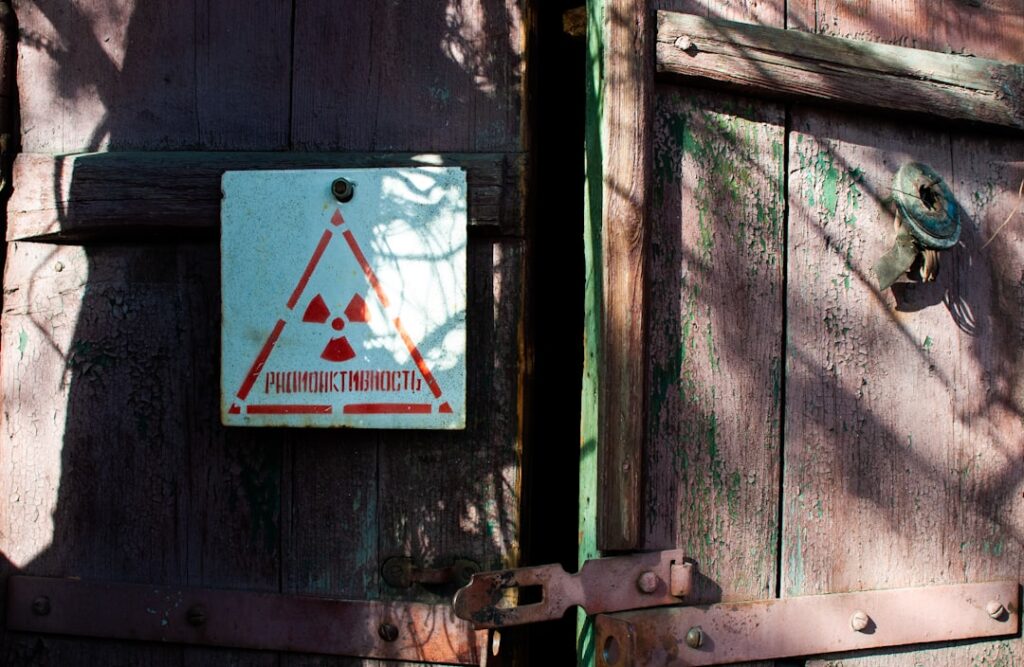
The honest answer to what are signs of radon poisoning surprises many homeowners. There are no acute, immediately recognizable signs of radon exposure. Radon is a colorless, odorless, tasteless radioactive gas. The body has no warning system for it. Unlike carbon monoxide, which produces headaches and nausea within hours of exposure, radon causes no symptoms at the time of exposure, no symptoms a week later, and no symptoms a year later. The harm radon does is cumulative and shows up many years later as an increased risk of lung cancer. This guide summarizes EPA and CDC guidance current as of 2026 — consult a certified radon professional for testing decisions and your physician for any persistent respiratory symptoms.
This is not a comforting answer for someone searching for signs of radon poisoning, but it is the truthful one, and understanding it changes what to do about radon at home.
The plain answer: radon produces no acute symptoms
The EPA, the CDC, the World Health Organization, and the National Cancer Institute all agree on the same point. There are no symptoms that confirm or rule out radon exposure. A person living in a home with radon levels well above the EPA action level feels exactly the same as a person living in a home with no radon at all. The damage is happening at the cellular level in lung tissue, where alpha particles from radon decay products break DNA strands, and the consequence shows up as cancer years or decades later.
The absence of symptoms is what makes radon dangerous. People do not seek medical attention for exposures they cannot feel. Radon mitigation is a preventive activity driven by measurement, not by symptoms.
Why people search for radon poisoning signs
The search query itself reveals confusion that the phrase radon poisoning encourages. Poisoning implies an acute event with recognizable symptoms. Radon does not produce an acute event. The accurate description is long-term exposure to a radioactive gas that increases lung cancer risk over decades. The framing matters because it points the homeowner toward testing rather than toward symptom-watching.
Carbon monoxide poisoning is a real condition with real symptoms: headache, dizziness, nausea, confusion. CO is sometimes called the silent killer because the symptoms are nonspecific, but they exist. Radon does not produce symptoms at all during the exposure period, which is a different and arguably more silent risk profile.
What radon actually does in the lungs
Radon is a noble gas. It is breathed in and exhaled out without chemical reaction. The cancer risk does not come from radon itself but from its decay products — polonium-218 and polonium-214 — which are radioactive solids that stick to lung tissue and emit alpha particles as they decay. Alpha particles travel only a short distance but cause concentrated DNA damage in the cells they hit.
The biology is well-documented. Each radon exposure produces a small probability of a DNA break in a lung cell that develops into cancer. Cumulative exposure over years raises the probability. The EPA estimates 21,000 lung cancer deaths per year in the United States are attributable to radon exposure, making it the second leading cause of lung cancer after smoking.
The actual signs to watch for
If there are signs to watch for, they relate to lung cancer that may develop after long-term radon exposure. These include persistent cough, coughing up blood, chest pain, hoarseness, unintentional weight loss, fatigue, and recurrent respiratory infections. None of these symptoms confirms radon caused the cancer; they confirm a lung problem warranting medical evaluation.
The right framing is that radon raises the lifetime probability of lung cancer. The medical signs of lung cancer remain the same whether radon was the cause, smoking was the cause, or another exposure was the cause. Treating symptoms early is always appropriate; using symptoms as a proxy for radon exposure is not.
How to actually know if you have a radon problem
Testing is the only way to know. The EPA recommends every home be tested for radon, and that homes with results at or above 4 picocuries per liter be mitigated. Short-term test kits using charcoal canisters or alpha track detectors are available for under 30 dollars at hardware stores or by mail. Continuous radon monitors give faster results and are available for purchase or rent.
Front Range Colorado has elevated radon prevalence because of the underlying geology. Many counties along the Front Range have a high percentage of homes testing above the action level. For more context, see this Colorado radon testing guide and the related signs of radon in your house piece in this batch.
Testing methodology
Short-term tests run for 2 to 7 days. They are placed in the lowest livable level of the home — typically a basement, family room, or first-floor bedroom — at a height of 2 to 6 feet above the floor, away from drafts, windows, and external doors. The test is conducted with the home in closed-house conditions, meaning windows and external doors are kept closed except for normal entry and exit.
Long-term tests run for 90 days to a year. They produce a more accurate annual average because they account for seasonal variation in radon levels. Long-term testing is the EPA’s preferred methodology for understanding actual annual exposure, but short-term testing is more practical for real estate transactions and initial screening.
Interpreting test results
A result below 2 pCi/L is consistent with low radon exposure. A result between 2 and 4 pCi/L is below the EPA action level but above outdoor average levels; some homeowners choose to mitigate at this range. A result of 4 pCi/L or higher meets the EPA action level and warrants mitigation. A result above 10 pCi/L is significantly elevated and warrants prompt action.
Single tests can produce variable results because of weather, season, and household behavior. Confirming an initial elevated result with a second test is standard practice before committing to mitigation, unless the initial result is dramatically elevated.
What mitigation actually does
Active soil depressurization is the most common mitigation method. A pipe penetrates the basement slab and a continuously running fan creates negative pressure under the slab, drawing radon out before it enters the home and venting it above the roofline. Typical residential mitigation system installation in 2026 runs 1,200 to 2,500 dollars on the Front Range.
Post-mitigation testing confirms the system reduced indoor radon to acceptable levels. Most mitigation systems reduce levels by 50 to 95 percent. The mitigation fan runs continuously and uses roughly 90 watts of electricity, adding a small amount to monthly bills.
Smoking and radon together
The combined risk of radon exposure and smoking is multiplicative, not additive. The EPA estimates that a smoker exposed to radon at the action level over a lifetime has a 62 in 1,000 lifetime risk of dying from lung cancer attributable to that exposure. A nonsmoker at the same exposure level has a 7 in 1,000 lifetime risk. Smoking elevates radon risk by an order of magnitude, and quitting smoking is the single most effective companion intervention to radon mitigation.
The CDC and the EPA both emphasize this point in radon education materials. Houses with smokers have a higher imperative to test and mitigate radon than houses without smokers, even at the same indoor radon level.
Children and radon exposure
Children breathe at a higher rate per unit body mass than adults, and their lung tissue is still developing. The cumulative exposure across a childhood spent in a radon-elevated home produces a higher lifetime risk than the same exposure in adulthood. The EPA does not publish separate action levels for households with children, but the cumulative reasoning supports prompt mitigation when children are present.
Schools and child care facilities have their own radon testing protocols. Homeowners with children in elevated-radon homes can ask the school about testing practices.
Radon in well water
Radon in groundwater is a separate concern from radon in indoor air. Well water can carry dissolved radon that releases into indoor air when the water is used for showering, dishwashing, and laundry. The EPA estimates that approximately 89 percent of indoor air radon comes from soil gas; the remainder may come from water and building materials.
Households on private wells in radon-prone areas can test the well water for radon. Treatment systems including aeration and granular activated carbon are available when waterborne radon is significant.
What to do if a test is elevated
The standard sequence is: confirm the result with a second short-term test or a long-term test, hire a certified radon mitigation professional, install an active soil depressurization system, and test post-mitigation to confirm reduction. The National Radon Proficiency Program and the National Radon Safety Board both certify mitigation professionals; the Colorado Department of Public Health and Environment publishes a list of certified providers.
The full sequence from initial elevated result to confirmed post-mitigation typically takes four to eight weeks. Most homeowners find the process less disruptive than expected, and the indoor air quality benefits extend beyond radon to general humidity and pressure control in the basement.
References
- EPA health risk of radon information — U.S. Environmental Protection Agency
- CDC radon information for the public — Centers for Disease Control and Prevention
- Colorado radon program — Colorado Department of Public Health and Environment
- NIEHS radon overview — National Institute of Environmental Health Sciences
Front Range homeowners with elevated radon results or who want a referral to a certified mitigation professional can reach out through our contact page.