Vinyl vs Fiberglass Windows: Cost, Lifespan and Fit
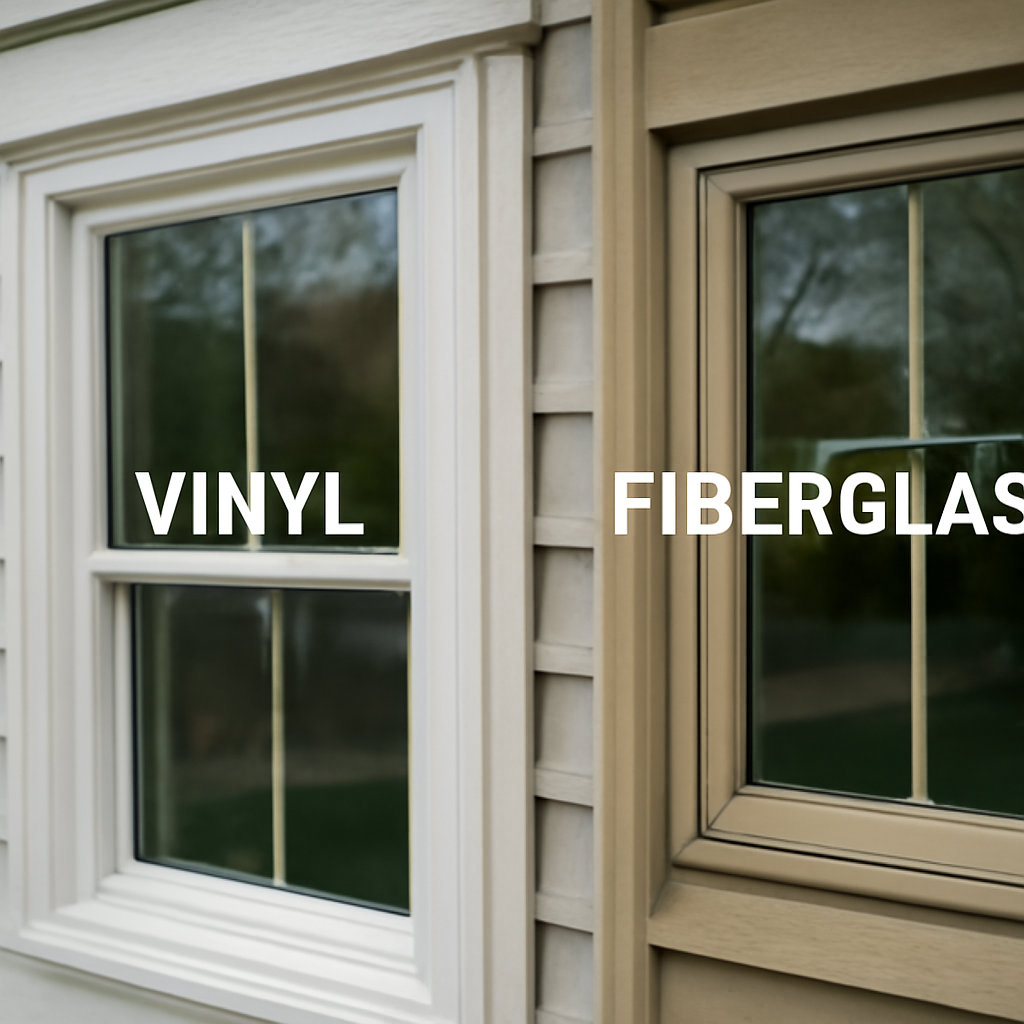
Choose vinyl windows if you want the lowest installed price for an energy-efficient replacement, you are happy with white or a light standard color, and the windows are mid-sized openings on a typical house. Choose fiberglass if you want slimmer, stiffer frames, darker or paintable colors, large openings, or a longer expected service life in a climate with intense sun and big temperature swings, and you are willing to pay more up front. That is the short version of vinyl vs fiberglass windows. Both frame materials can earn the ENERGY STAR label, both insulate well, and both are low maintenance compared with wood. The real differences are in stiffness, thermal expansion, appearance, price and how each holds up over decades. This guide compares them side by side, then walks through the factors that matter most on the Colorado Front Range, where high-altitude UV, hail and 40-degree daily temperature swings are hard on any window. Cost and lifespan figures here are typical national ranges as of 2026, not quotes; get written bids from local installers.
Part of our Structure & Exterior guide — start there for the full picture →
Vinyl vs Fiberglass Windows at a Glance
The table below summarizes the main trade-offs for replacement windows in a typical house. Figures are per window for a standard double-hung or slider of common size, installed.
| Factor | Vinyl windows | Fiberglass windows |
|---|---|---|
| Typical installed cost (national range, 2026 — get local quotes) | Roughly $400–$1,000 per window for a standard insert; more for full-frame or custom shapes | Roughly $700–$1,600+ per window for a standard insert; more for large or full-frame units |
| Operating cost / efficiency | Good; hollow or foam-filled chambers insulate well | Good to very good; hollow or foam-filled profiles insulate well |
| How efficiency is rated | NFRC-certified U-factor and SHGC; ENERGY STAR sets levels by climate zone (frame material is not a requirement) | |
| Typical lifespan | Roughly 20–30 years, depending on quality and exposure | Roughly 30–40+ years, depending on quality and exposure |
| Thermal expansion | High; frames grow and shrink noticeably with temperature | Low; expands at a rate close to glass |
| Strength and frame size | Thicker frames; large units may need metal reinforcement | Stiffer; slimmer frames and more glass area |
| Color and paint | Mostly white, tan or factory-applied colors; painting is limited | Wide factory color range; can usually be repainted |
| Maintenance | Wash, check weep holes and exterior caulk | Wash, check weep holes and caulk; repaint over decades if desired |
| Install needs | Correct flashing, sill pan, shims and sealant; insert or full-frame depending on the existing opening | |
| Best for | Budget-conscious replacements, rentals, standard openings | Long-term owners, dark colors, large openings, harsh sun exposure |
The price gap between the two shrinks at the premium end of the vinyl market and widens with large or specialty shapes. Composite frames and wood-clad windows are other options, but most replacement quotes in the Front Range come down to these two materials.
What Each Frame Material Is
ENERGY STAR’s description of window frame materials sums up the two options neatly. It says “fiberglass frames are strong, durable, low maintenance, and provide good insulation,” and “vinyl frames are low maintenance and provide good thermal insulation.” It also notes that both can be hollow or filled with foam insulation, and that wide vinyl sills “may be reinforced with metal or wood.”
Vinyl (PVC)
Vinyl window frames are extruded from polyvinyl chloride with stabilizers that resist sunlight damage. The frame profile has multiple internal chambers that trap air and reduce heat flow. Corners are typically heat-welded, which makes a watertight joint. Vinyl has become the dominant replacement window material because it is affordable, never needs paint, and performs well thermally. Our guide to vinyl windows covers vinyl construction, grades and common problems in more depth.
Fiberglass
Fiberglass frames are made by pulling glass fibers through resin (a process called pultrusion) to form a rigid, hollow profile. The finished material is much stiffer than vinyl and changes size with temperature at a rate close to that of the glass it holds. Many fiberglass frames come with a factory-applied finish, and some lines have wood interiors. Because the material is stronger, frames can be narrower, which gives more glass area in the same opening.
Energy Efficiency: Closer Than the Marketing Suggests
Window efficiency comes from the whole unit, not just the frame. ENERGY STAR certified windows must have performance ratings independently tested and certified by the National Fenestration Rating Council (NFRC), and they must meet U-factor and, where applicable, solar heat gain coefficient (SHGC) requirements based on climate zone. ENERGY STAR notes that it “does not require any specific technologies,” and that certified windows come in a variety of frame materials. In practice, that means a good vinyl window and a good fiberglass window can both qualify for the Northern zone that covers most of the Front Range.
The glass package usually matters more than the frame:
- Low-E coatings reduce radiant heat transfer and block much of the sun’s ultraviolet light.
- Gas fills such as argon between panes slow heat flow.
- Warm-edge spacers reduce cold edges where condensation forms.
- Double vs triple pane. Triple-pane glass lowers U-factor further but adds weight and cost; our guide to triple-pane windows explains when the upgrade pays off.
Compare windows by the numbers on the NFRC label, not by frame material. A lower U-factor means less heat loss; SHGC tells you how much solar heat comes through. ENERGY STAR estimates that replacing single-pane windows with certified windows lowers household energy bills by an average of up to 13 percent nationwide. Our broader guide to energy-efficient windows walks through how to read those labels.
Where fiberglass can edge ahead is in the long-term seal. Because it expands at a rate similar to glass, the seal between glass and frame and the weatherstripping between sash and frame are under less stress over thousands of hot-cold cycles. That does not show up on a new window’s label, but it can affect how airtight the window stays after 15 or 20 years.
Thermal Expansion, Sun and Front Range Temperature Swings
This is the factor that most separates the two materials in Colorado. Front Range weather routinely swings 30 to 40 degrees between a cold night and a sunny afternoon, and the sun at 5,000 to 6,500 feet carries more ultraviolet energy than it does at sea level. South- and west-facing windows can see frame surface temperatures far above the air temperature on a summer afternoon, then drop below freezing on a clear winter night.
How vinyl responds
Vinyl expands and contracts noticeably with temperature. Well-made vinyl windows are designed for that movement, with welded corners, reinforcement in larger sashes and installation gaps sized to accommodate it. Problems tend to show up when the window is a low-grade product, a very large unit, or a dark color that absorbs more heat. Over many years, signs of stress can include sashes that bind or rattle, gaps at corners, sealant that tears away from the frame and, eventually, failed insulated glass seals that fog between the panes.
Color matters. Dark vinyl frames run much hotter in the sun than white ones. Many manufacturers limit dark colors to exterior laminates or special formulations for that reason, and painting vinyl with an unapproved dark paint can void warranties and lead to warping.
How fiberglass responds
Fiberglass moves very little with temperature and stays rigid when hot. That makes it the safer choice for dark frames, large picture windows, tall casements and west-facing walls that bake in the afternoon. The factory finish can chalk or fade over many years of UV exposure, but it can usually be repainted rather than replaced.
For a Front Range home with big west-facing windows, dark trim, or a long expected ownership period, these stability advantages are the strongest argument for fiberglass. For a north-facing bedroom window in white, the difference is small.
Hail, Cold and Durability
Hail is a fact of life along the Front Range. Neither standard vinyl nor standard fiberglass windows are impact-rated, and large hail can break glass in either. The frames behave differently, though:
- Vinyl becomes more brittle in cold temperatures, and hard hits can crack or chip frames and exterior trim pieces, especially on older or thin profiles.
- Fiberglass is harder and stiffer and tends to shrug off impacts that would dent or crack vinyl, though the paint finish can chip.
- Screens on both are usually the first casualty and are inexpensive to replace.
After a hailstorm, check windows on the storm-facing side for cracked glass, broken seals (fogging that appears weeks later), cracked frame corners and torn screens, and note them for an insurance claim.
Dry air is generally kind to both materials, since neither rots. The weak point in a dry, freeze-thaw climate is usually the installation: exterior caulk joints that crack and pull away, and water that gets behind trim during spring storms and wet snow, then freezes. Proper flashing and a sloped sill pan matter more than frame material for keeping water out of the wall. Our guide to window flashing shows what correct installation looks like.
Cost: What Drives the Price
All figures in this guide are typical national ranges, not quotes. What you pay depends on these drivers more than on frame material alone:
- Insert vs full-frame replacement. An insert (pocket) replacement fits a new window inside the existing frame and costs less. Full-frame replacement removes the old frame down to the rough opening, allows new flashing and insulation, and costs more. Our guide to window inserts explains when each approach makes sense.
- Window size and style. Large picture windows, casements, bays and specialty shapes cost more in both materials.
- Glass package. Triple pane, special low-E coatings, laminated or tempered glass add cost.
- Color and finish. Exterior colors, laminates and wood interiors push prices up, more so on vinyl where dark colors need special formulations.
- Access and stories. Second-story and walkout-basement windows need ladders or staging.
- Trim and siding repair. Rotted sills, damaged stucco returns or brick molding add labor.
- Lead-safe work in older homes. Homes built before 1978 may have lead-based paint on existing window trim, which affects how work must be done.
- Permits. Many Front Range jurisdictions require a permit for window replacement, especially when the opening size changes; check with your city or county building department.
ENERGY STAR’s buying guidance recommends getting quotes from several installers and asking them to break down the price by labor and materials, since different dealers may quote different prices for the same product. Get two or three written quotes for the same window style, size and glass package so the frame material is the main variable.
A useful way to compare is cost per year of expected service. If a fiberglass window costs roughly 40 to 60 percent more but lasts noticeably longer and keeps its seals better, the annualized cost can be close. If you expect to sell within five to seven years, vinyl usually makes more financial sense. That is a rule of thumb, not a guarantee; actual lifespans depend heavily on product quality and installation.
Lead Paint and Older Homes
Many Front Range neighborhoods have homes built before 1978. The EPA notes that old or worn lead-based paint “especially on surfaces subject to constant friction like doors or window sills” can produce chips and dust that become a hazard, and that renovation in a pre-1978 home with lead-based paint “can easily create dangerous lead dust.” Under the EPA’s Renovation, Repair and Painting (RRP) Rule, anyone paid to perform work that disturbs painted surfaces in homes built before 1978 must be certified and use lead-safe work practices. ENERGY STAR’s window guidance says contractors must provide a lead brochure to homeowners before beginning a window replacement.
This applies equally to vinyl and fiberglass, since the issue is the old frames and trim being removed, not the new window. When reviewing quotes for an older home, ask whether the firm is RRP certified and how it will contain dust.
Which Should You Choose?
Use this list to narrow the choice, then compare specific products by NFRC ratings and warranty terms.
- Choose vinyl if budget is the top priority, the openings are standard sizes, you like white or a light color, and you may sell within the next several years.
- Choose vinyl if you are replacing many windows in a rental or a whole house at once and need to keep the project affordable.
- Choose fiberglass if you want dark exterior colors, slim sightlines or the option to repaint later.
- Choose fiberglass if the windows are large, tall or on sun-baked south and west walls where expansion and heat are the main stress.
- Choose fiberglass if you plan to stay 15 years or more and want windows that hold their seals and operation longer.
- Either works if the window is a modest-sized, light-colored unit on a north or east wall; spend the difference on better glass or full-frame installation instead.
Whatever you choose, the installer matters as much as the product. ENERGY STAR advises following the manufacturer’s installation instructions, noting that some manufacturers will void the warranty if they are not followed, and asking whether installers are certified for the product you choose. Our structure and exterior hiring guides cover how to vet contractors for this kind of work.
How a Home Inspector Evaluates Windows
A home inspection looks at a representative sample of windows, or all of them, depending on the inspector’s standards and the size of the home. The goal is to identify windows that are damaged, not operating, letting water in or creating safety concerns. Frame material is noted but rarely the main finding. Common items include:
- Failed insulated glass seals, shown by fogging or mineral haze between panes
- Operation: sashes that stick, will not stay up, or will not lock
- Frame damage: cracked vinyl corners, hail damage, warped frames, chipped fiberglass finish
- Water intrusion: stains on drywall below windows, soft sills, missing or cracked exterior caulk and blocked weep holes
- Condensation and mold on interior frames, which the EPA describes as a possible sign of high humidity; our guide to mold on windows from condensation covers causes and fixes
- Safety glazing near doors, tubs and stairs, and egress from bedrooms, including basement bedrooms that need a window large enough to escape through
Inspectors often can tell vinyl from fiberglass by look and feel: vinyl frames are thicker, slightly flexible and have visible welded corners, while fiberglass frames are slimmer, harder and often painted. Neither is a defect. What matters to a buyer is condition, age and whether the windows were installed with proper flashing. Where an inspector finds widespread seal failures, water damage or hail damage, the usual next step is evaluation by a window contractor for repair or replacement quotes.
References
- Residential Windows, Doors and Skylights — ENERGY STAR
- What Makes a Window ENERGY STAR (Key Product Criteria and Frame Materials) — ENERGY STAR
- Lead Renovation, Repair and Painting Program — U.S. Environmental Protection Agency
- A Brief Guide to Mold, Moisture and Your Home — U.S. Environmental Protection Agency
Frequently asked questions
Are fiberglass windows worth the extra cost over vinyl?
They often are for long-term owners, large or dark-colored windows, and sun-exposed walls, because fiberglass is stiffer and expands at a rate close to glass. For standard white windows in a home you may sell within several years, vinyl usually delivers similar efficiency for less money.
Which is more energy efficient, vinyl or fiberglass windows?
Both can be very efficient, and both can earn ENERGY STAR certification, which does not require a specific frame material. The glass package, low-E coating, gas fill and installation quality matter more than the frame, so compare NFRC U-factor and SHGC ratings directly.
How long do vinyl and fiberglass windows last?
Typical ranges are roughly 20 to 30 years for vinyl and roughly 30 to 40 or more years for fiberglass. Product quality, sun exposure, color and installation all affect the actual lifespan, and failed glass seals are often the first sign of age in either type.
Do vinyl windows warp in the Colorado sun?
Quality white or light-colored vinyl windows are designed to handle Front Range sun and temperature swings. Warping and binding are more likely with low-grade products, very large units and dark colors, which absorb more heat. Fiberglass is the safer choice for dark frames on south and west walls.
Can vinyl or fiberglass windows be painted?
Fiberglass windows can usually be repainted with suitable exterior paint. Vinyl is harder to paint well, and dark paint on vinyl can cause overheating and warping and may void the warranty, so check the manufacturer's guidance first.
Planning a window replacement or buying a Front Range home with aging windows? Reach out to our team to set up an inspection that checks seals, flashing and water damage before you commit.