Towel Warmer: Hardwired vs Plug-In, GFCI and Bathroom Safety
A towel warmer is one of those bathroom upgrades that feels like a luxury until you have one, especially during a Front Range winter when the bathroom floor is cold and towels never quite dry between showers. The basic idea is simple: a rack of metal bars warmed by electricity or by hot water from a heating system. The details are where the decisions live. Plug-in and hardwired electric models have different installation and safety requirements, hydronic units depend on how a boiler or radiant system is piped, and every option has to coexist with water, steam and wet hands. This guide covers the main types, ground-fault protection, timers and surface temperatures, placement near tubs and showers, rough energy use, how towel warmers fit into a remodel, what inspectors look at and the costs homeowners tend to see.
Part of our Heating, Cooling & Ventilation guide — start there for the full picture →
What a Towel Warmer Is and How It Works
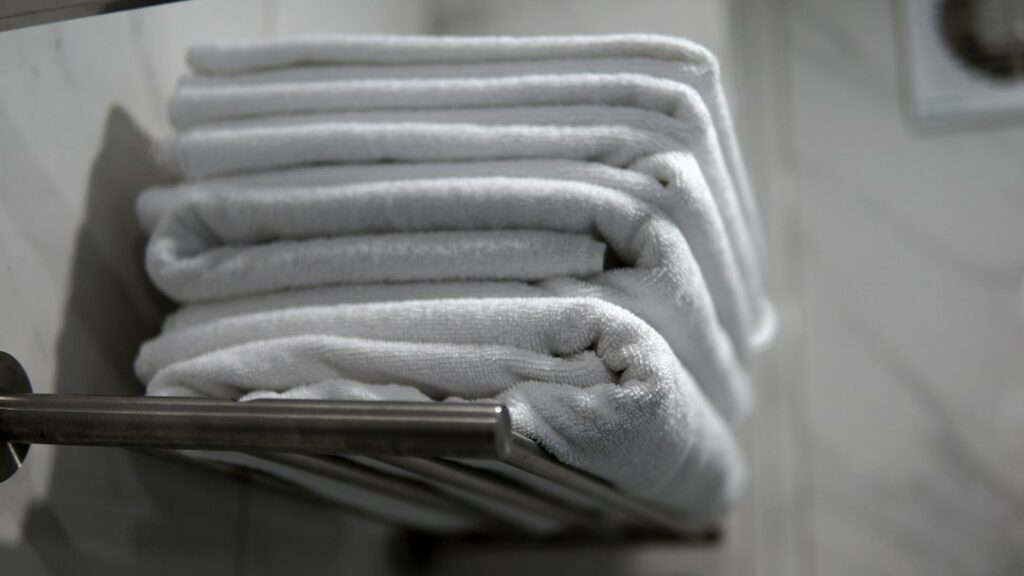
A towel warmer (often called a heated towel rail or towel radiator) is a wall-mounted or freestanding rack whose bars are warmed from the inside. There are two basic families:
- Electric towel warmers contain either a resistance heating element running through the bars or a sealed fluid (oil or a water-glycol mix) heated by an element. They run on household current and come in plug-in and hardwired versions.
- Hydronic towel warmers are piped into a hot-water heating system, typically a boiler loop or radiant floor system, and work like a small radiator.
Both types dry towels faster, which can help limit musty odors on damp cloth, and add a modest amount of warmth near the rack. They are not designed to heat a whole bathroom on their own. A small bathroom may feel noticeably warmer with a larger unit, but most rooms still need a primary heat source. Our guide to the bathroom heater options covers fan heaters, wall heaters and radiant floors for that job.
Hardwired vs Plug-In Electric Towel Warmers
Plug-in models
Plug-in towel warmers have a cord that goes into a standard receptacle. They are the easiest to install: mount the brackets to the wall, hang the rack and plug it in. Freestanding plug-in models need no mounting at all, which makes them popular with renters.
The trade-offs are visible cords near a wet area, dependence on the nearest receptacle, and the temptation to use an extension cord. The U.S. Fire Administration advises against overloading outlets and power strips and recommends replacing damaged cords right away. A towel warmer is better plugged directly into a properly protected wall receptacle than run through an extension cord across a bathroom floor.
Hardwired models
Hardwired towel warmers connect directly to a circuit inside a junction box behind the unit, with no visible cord. They are typically controlled by a wall switch, a built-in control or a separate timer. They look cleaner and avoid cords near water, but they require an electrician in most cases, a permit in many jurisdictions and a suitable circuit with ground-fault protection.
Many manufacturers sell the same model in both configurations. Some hardwired units can be converted, and some plug-in units ship with a concealed-cord option where the cord runs behind the wall to a receptacle positioned behind the rack. Local electrical codes and the manufacturer’s installation instructions decide which arrangements are allowed.
Dry element vs fluid-filled
Dry-element warmers heat up quickly and are usually lighter. Fluid-filled units take longer to warm but hold heat after they switch off and tend to produce more even warmth across the bars. Either can work well; the choice is mostly about warm-up time, weight and price.
Hydronic Towel Warmers on Boiler and Radiant Loops
Homes with hot-water heat, including older boilers in Denver bungalows and newer radiant floor systems, can use hydronic towel warmers that tie into the existing loop. The warmer acts as one more emitter on the system.
Hydronic units bring a few considerations that electric models do not:
- Seasonal operation. A hydronic warmer is only warm when hot water is flowing through it. On many systems that means it is cold during summer unless the warmer has its own zone and controls. Some manufacturers offer dual-fuel units with an electric element for the off season.
- Water temperature. A low-temperature radiant floor loop may make the rack only mildly warm. A boiler loop running hotter water makes the rack warmer and raises touch-temperature concerns.
- Plumbing details. Isolation valves, an air bleed vent, compatible materials and proper connections all matter. A weeping fitting or corroded valve behind a towel rack can go unnoticed until it stains drywall or flooring.
- Domestic hot water connections. Some warmers are designed to connect to the home’s potable hot water line instead of a heating loop. That approach has its own plumbing code and material requirements and is best left to a licensed plumber.
Adding a hydronic warmer generally means a heating contractor or plumber opening walls, extending supply and return lines and rebalancing the system, so it is most practical during a remodel.
GFCI Protection in Bathrooms
Water and electricity are a poor combination, and bathrooms put them side by side. The U.S. Consumer Product Safety Commission’s Home Electrical Safety Checklist recommends ground-fault circuit interrupters in bathrooms and other areas where the risk of shock is higher, notes that GFCIs can prevent electrocutions, and advises testing every GFCI once a month according to the manufacturer’s instructions.
For a towel warmer, that typically means:
- Plug-in units should be plugged into a GFCI-protected receptacle. Protection may come from the receptacle itself, from an upstream GFCI receptacle on the same circuit, or from a GFCI breaker in the panel.
- Hardwired units are commonly fed through GFCI protection as well, via a GFCI breaker or a GFCI device ahead of the warmer. Manufacturer instructions often specify it.
If a towel warmer trips the GFCI repeatedly, that is a signal to stop using it until the cause is found. Moisture in a connection, a damaged cord or a failing element can all cause nuisance trips, and some of those are genuine faults. Our guides to a GFCI outlet that is not working and to the GFCI breaker explain how protection is arranged and how to troubleshoot it. Electrical requirements for bathrooms change between code cycles, and the local building department determines what applies to a particular installation.
Timers, Thermostats and Surface Temperatures
Many electric towel warmers are designed to run continuously, but most homeowners do not need them warm 24 hours a day. Options include:
- Built-in timers that run the warmer for a set period, such as two hours.
- Programmable timers that warm the rack before the morning and evening showers.
- Thermostatic controls that hold a set temperature.
- Wall-switch or smart-switch control for hardwired units, where the manufacturer permits.
Surface temperature varies widely by model. Some racks stay pleasantly warm; others get hot enough to be uncomfortable to grip for long. Manufacturers list maximum surface temperatures in their specifications, and those numbers are worth comparing. For homes with young children, older adults or anyone with reduced sensation in the hands, a lower-temperature model, a timer and placement out of easy reach can reduce the chance of a burn. The Consumer Product Safety Commission’s childproofing guidance, written about water heaters, recommends setting hot water to 120°F or lower to help prevent burns; the same caution is worth keeping in mind for a hydronic rack connected to hot domestic water.
Towel warmers should not be covered with heavy piles of towels or clothing beyond what the manufacturer allows. Overloading the rack can trap heat, and items draped against the wall bracket or controls can interfere with them.
Placement and Clearances From Tubs and Showers
Where the towel warmer goes is a safety decision as much as a design one. General principles:
- Follow the manufacturer’s clearances. Instructions typically specify minimum distances from tubs, showers, floors, ceilings and adjacent surfaces, and some list which bathroom zones the unit may be installed in.
- Keep controls out of reach of someone in the tub or shower. Switches and plugs should not be reachable by a person standing in water.
- Mount to solid backing. A rack loaded with wet towels is heavier than it looks. Brackets anchored into studs or blocking hold better than hollow-wall anchors alone.
- Avoid direct spray. Positioning the rack where shower spray hits it, or where water runs down onto connections, invites corrosion and electrical faults.
- Mind the receptacle location. A plug-in unit’s receptacle should be accessible for testing the GFCI and unplugging the warmer.
Local codes and the manufacturer have the final word on exact distances. An electrician can confirm a proposed location before drywall goes up, which is far easier than moving a box afterward.
Energy Use: A Rough Estimate
Electric towel warmers are generally low-wattage appliances compared with space heaters. Many residential models fall roughly in the range of 50 to 200 watts, though larger units can draw more. A simple estimate shows how use patterns matter:
- A 100-watt unit running 4 hours a day uses about 0.4 kWh per day, or roughly 12 kWh per month.
- The same unit running around the clock uses about 2.4 kWh per day, or roughly 72 kWh per month.
Multiplying by the household’s electricity rate from a utility bill gives a monthly cost. At an illustrative rate of 15 cents per kWh, that works out to under $2 a month on a timer and roughly $11 a month running continuously. Actual rates in Colorado vary by utility and plan, so these figures are only a way to compare scenarios. The practical takeaway: a timer usually cuts the cost substantially. Hydronic warmers draw on the heating system instead, and their cost depends on the boiler and how the loop is controlled.
Choosing a Towel Warmer: Size, Materials and Features
Once the power source is settled, a few practical details separate a towel warmer that gets used every day from one that ends up switched off.
Size and bar layout
Count how many towels need to hang at once. A compact rack with five or six bars may hold one bath towel and a hand towel; a family bathroom may need a taller unit or two racks. Closely spaced horizontal bars dry towels evenly, while ladder styles with wider gaps are easier to drape thick towels over. Checking the overall width against the wall space, including clearance to door swings, avoids surprises.
Materials and finish
Stainless steel resists corrosion well in humid rooms and is common in mid- and upper-range models. Chrome-plated steel or brass is widespread and less expensive, though plating quality varies. Powder-coated and matte finishes can match other fixtures. Because bathrooms stay humid, finish durability matters more than it would for a hallway fixture.
Certification and controls
The CPSC checklist advises looking for heaters bearing the seal of a nationally recognized testing laboratory such as UL, ETL or CSA, and the same habit makes sense for any electric appliance installed in a bathroom. A listed product has been evaluated against a safety standard; unlisted, very low-cost imports offer less assurance. Built-in timers, an indicator light that shows when the rack is on, and an accessible on/off control are worthwhile features, particularly in a guest bath where visitors may not know the warmer is running.
Towel Warmers in a Bathroom Remodel
A remodel is the easiest time to add a hardwired or hydronic towel warmer. Walls are open, so an electrician can run a dedicated or shared circuit with ground-fault protection, set the junction box at the right height, and add blocking for the brackets. A plumber or heating contractor can extend loops for a hydronic unit. Our guide to bathroom remodel cost outlines where electrical and heating upgrades fit into the overall budget.
It is also a good moment to look at ventilation. Towels dry faster with a warmer, but moisture still needs to leave the room. An exhaust fan sized for the bathroom and run long enough after showers does that work; the warmer complements it rather than replacing it.
What Home Inspectors Look At
The ASHI Standard of Practice directs inspectors to inspect installed heating equipment and, in the electrical section, ground-fault circuit interrupters and a representative number of receptacles. In a bathroom, that usually means testing GFCI protection on receptacles and noting obvious defects. A towel warmer may be observed as part of that walk-through: whether it operates, whether a plug-in unit is fed from a protected receptacle, and whether there are signs of water damage, loose mounting or leaks around a hydronic unit. Inspectors generally do not disassemble fixtures, verify wattage or calculate whether the bathroom has enough heat.
Costs to Expect
Prices vary by brand, size, finish and installer, so these are broad planning ranges rather than quotes:
- Plug-in electric towel warmers: budget freestanding and wall-mounted models may start under $100, with mid-range units commonly in the low hundreds of dollars.
- Hardwired electric towel warmers: the unit itself often costs a few hundred dollars and up, with designer finishes considerably more.
- Electrical installation: an electrician’s fee for a hardwired unit varies with whether a circuit already exists and how much wall work is needed; a few hundred dollars is common for straightforward jobs, and more where a new circuit, GFCI breaker or drywall repair is required.
- Hydronic installation: tying into an existing boiler or radiant loop usually costs more than an electric install because of piping, valves and system adjustment.
- Permits: many Front Range jurisdictions require electrical or mechanical permits for hardwired and hydronic work.
When to Call a Professional
Plugging a freestanding unit into an existing GFCI-protected receptacle is a homeowner project. Hardwiring, adding circuits, relocating receptacles and tying into hydronic loops call for a licensed electrician, plumber or heating contractor. Our heating and cooling hiring guide explains which trades handle heating equipment, and the main guide to hiring a home inspector covers what a pre-purchase inspection includes.
Warning signs worth acting on right away include a scorched smell, discoloration around a plug or wall plate, a GFCI that trips each time the warmer runs, water stains under a hydronic unit, or a rack that has pulled away from the wall.
References
- Home Electrical Safety Checklist — U.S. Consumer Product Safety Commission
- Appliance and Electrical Fire Safety — U.S. Fire Administration
- Childproofing Your Home — U.S. Consumer Product Safety Commission
- ASHI Standard of Practice for Home Inspections — American Society of Home Inspectors
Frequently asked questions
Is a hardwired or plug-in towel warmer better?
Plug-in models are cheaper and easier to install, which suits renters and quick upgrades. Hardwired models hide the cord and look cleaner but usually need an electrician and often a permit. The best choice depends on budget, receptacle location and whether walls are open.
Does a towel warmer need to be on a GFCI?
The CPSC recommends GFCI protection in bathrooms, and many manufacturers specify it. Plug-in units should go into a GFCI-protected receptacle, and hardwired units are commonly fed through a GFCI breaker or device. Local code governs the exact requirement.
How much electricity does a towel warmer use?
Many electric models draw roughly 50 to 200 watts. A 100-watt unit on a 4-hour daily timer uses about 12 kWh a month, while running it nonstop uses about 72 kWh. Multiplying by the local electricity rate gives a rough monthly cost.
Can a towel warmer heat a bathroom?
A towel warmer adds some warmth, and a large unit may noticeably warm a small bathroom, but most are not sized as the primary heat source. A dedicated bathroom heater or radiant floor usually handles room heating.
Can a towel warmer burn a child?
Some models run hot enough to be uncomfortable or cause burns with prolonged contact. Checking the listed maximum surface temperature, using a timer and mounting the rack out of easy reach can lower the risk.
Planning to buy a home with a remodeled bathroom and want the electrical and heating work looked over? Get in touch and we will help you connect with a qualified Front Range inspector.