Test Asbestos: What Homeowners Need to Know in 2026

Homeowners looking to test asbestos in a pre-1990 home in 2026 generally have two paths: mail-in DIY kits with lab-accredited analysis, or a licensed asbestos inspector who collects samples and produces a chain-of-custody report. Both end at the same kind of laboratory and use the same analytical method (polarized light microscopy). The choice between them depends on what the homeowner plans to do with the result, the condition of the suspect material, and whether local code requires a licensed survey. This guide summarizes EPA, OSHA, and CDC guidance current as of 2026 — it is informational, not medical or legal advice. Hire a licensed consultant for friable materials and consult a physician for any health concerns related to potential exposure.
Part of our Asbestos in the Home guide — start there for the full picture →
Is this mold, asbestos, or water damage? Get a free instant screen
Upload a clear photo of the suspect area. You'll get an instant AI screening opinion and what to do next. This is screening guidance, not a professional determination.
Screening guidance only. AI can be wrong. Confirm asbestos, mold type, or lead with lab testing or a licensed professional before acting.
How to test asbestos: the practical overview
To test asbestos, a small sample of the suspect material is collected under controlled conditions and sent to an accredited laboratory for analysis. The lab determines whether asbestos is present, the type, and the percentage by weight. The federal regulatory threshold for an “asbestos-containing material” is greater than 1 percent. Anything above that is treated as asbestos under federal rules.
The standard analytical method for bulk building materials is polarized light microscopy (PLM), performed at NVLAP-accredited laboratories listed by the National Institute of Standards and Technology. Air samples — typically used after abatement to confirm clearance — are analyzed by phase contrast microscopy (PCM) for fiber count or by transmission electron microscopy (TEM) for specific asbestos identification. Most homeowner asbestos tests are bulk PLM analysis on a small piece of suspect material.
The parent guide to asbestos and lead in pre-1978 housing covers the broader context, including when materials should be left in place rather than tested or removed. Testing is typically warranted before renovation, demolition, or when materials show damage or deterioration.
What materials should be tested
Suspect materials in pre-1990 homes commonly include:
- Vinyl floor tiles (especially 9-by-9-inch tiles from before 1980) and the black mastic adhesive beneath them
- Popcorn or textured ceilings, particularly those installed before the late 1970s
- Pipe and duct insulation that looks white, chalky, or fibrous
- Drywall joint compound and certain plasters from before 1980
- Vermiculite attic insulation (loose-fill, pebbly, brown to gray)
- Exterior cement-based siding shingles
- Certain types of asphalt roofing materials
- HVAC duct wrap and tape
Visual identification is unreliable for almost all of these. Many materials that look identical contain very different compositions, and the only way to confirm or rule out asbestos is laboratory analysis. Homeowners planning major renovation often test five to fifteen materials at once to build a complete picture of the home before construction begins.
Best Asbestos Test Kit: our top 3 picks
| Product | Best for | Key features | Price | Buy |
|---|---|---|---|---|
| Seeml Labs Asbestos Inspector in a Box | Verifiable lab accreditation |
| $22.00as of Nov 4, 2026 6:40 pm GMT+0000 | Buy now →Check current price |
| SLGi 1-Pack (5 Day) | Single sample with return postage |
| $35.00as of Nov 4, 2026 5:32 pm GMT+0000 | Buy now →Check current price |
| Asbestos-Sampling.com 2-Sample | Type and percentage in the result |
| $59.95as of Nov 4, 2026 5:32 pm GMT+0000 | Buy now →Check current price |
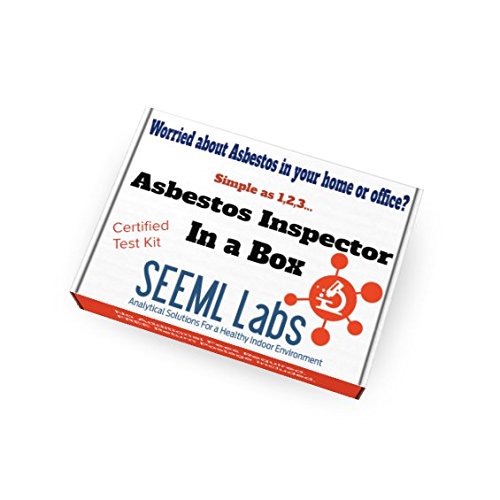

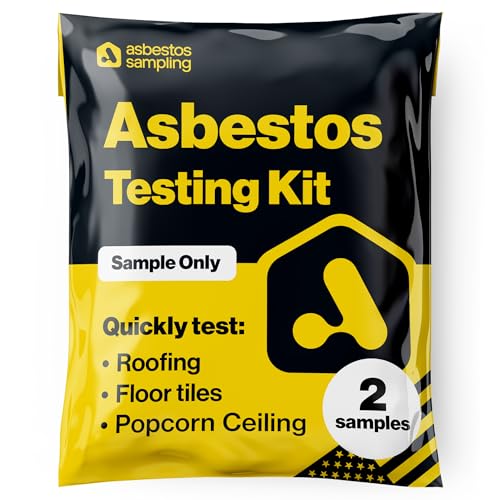
Prices are Amazon’s listed prices as of the time shown and change often; check Amazon for today’s price. As an Amazon Associate we earn from qualifying purchases.
DIY kits versus professional sampling
Two routes exist for collecting samples. DIY kits cost $30 to $80 with mailed-in lab analysis at an accredited facility. Professional sampling costs $300 to $700 for a small sample set including site visit, collection, lab analysis, and a written report. The lab analysis itself is identical between the two paths.
The trade-off is collection. EPA and OSHA recommend professional sampling because improper collection can release fibers. Homeowners doing DIY should follow kit instructions carefully: wear an N95 or P100 respirator, wet the material thoroughly before cutting, work in a small contained area, double-bag samples, and clean up with damp paper towels rather than vacuums or brooms. The cluster article on home asbestos testing walks through DIY collection in detail.
Professional sampling is recommended for friable materials (pipe insulation, vermiculite, damaged drywall compound), for pre-purchase real estate testing, for renovation projects requiring permits, and any time the homeowner is uncomfortable handling sample collection. The licensed inspector’s report carries documented chain of custody, which matters in negotiations, disclosures, and any insurance or legal contexts.
How to collect a sample safely (DIY procedure)
For homeowners using a DIY kit, the EPA-aligned procedure is:
- Set up the work area: clear a small zone around the sample point, lay down plastic sheeting if available, and have a sealed garbage bag ready for cleanup materials
- Put on PPE: an N95 or P100 respirator, disposable gloves, and clothing that can be laundered immediately afterward
- Wet the material with water mixed with a small amount of dish soap to suppress dust
- Use a wet utility knife or razor to cut a small sample (a few square centimeters is typically sufficient) from a low-traffic or hidden area
- Drop the sample directly into the kit’s sample bag without breaking it further
- Double-bag the sample, label with location and date, and seal in the lab’s prepaid envelope
- Clean the work area with damp paper towels and dispose of all cleanup materials in a sealed bag
- Wash hands and clothing thoroughly
Take photographs of the sample location before and after collection. Future renovations, future buyers, and any disclosure obligations will benefit from documented sampling.
Sending the sample and reading the result
Samples ship to an accredited laboratory in the kit’s prepaid envelope. Most labs require a chain-of-custody form with each sample listing location, date, collector name, and analytical request. Standard turnaround is two to ten business days; rush service is available at most labs for an extra fee.
The result reports whether asbestos is present, the type (chrysotile is most common in residential materials), and the percentage by weight or volume. A positive result (greater than 1 percent) classifies the material as asbestos-containing under federal regulations. Some materials test in the 1 to 5 percent range and are sometimes labeled “trace” but are still treated cautiously.
A positive result does not require immediate removal. EPA guidance favors leaving intact asbestos materials in place when they are in good condition. The fiber release risk comes from damage, deterioration, or disturbance. Homeowners with positive results have three main options: leave the material in place and monitor it, encapsulate (seal it), or remove through licensed abatement. The cluster article on asbestos abatement cost in 2026 covers detailed pricing.
When DIY testing is not the right call
Several scenarios call for professional inspection rather than DIY collection. Friable materials — those that crumble by hand — release fibers more easily and warrant professional containment. Pipe insulation in unfinished basements, vermiculite attic insulation, damaged drywall joint compound, and deteriorating duct wrap all fall in this category.
Real estate transactions favor professional testing because licensed inspector reports carry more weight in negotiation, disclosure, and any insurance or legal context. Buyers shopping pre-1978 Front Range homes routinely commission professional asbestos inspections during the contingency period; the documentation becomes the basis for negotiated repairs or credits.
Renovation and demolition above local thresholds typically require professional pre-renovation surveys by law. Colorado’s CDPHE Air Pollution Control Division publishes specific rules. Permit-pulled work involving suspect materials must include a certified inspector’s survey before demolition begins. Skipping the required survey can lead to fines, permit denial, and worker-exposure liability.
What to do after testing: action options
If testing confirms asbestos, the homeowner has three main paths. Leave the material in place and monitor it: appropriate when the material is intact, in good condition, and not in an area where it will be disturbed. Encapsulate: appropriate when the material is intact but in a location where additional protection is desired. Removal: appropriate when the material is damaged, when renovation will disturb it, or when it is in a high-exposure location.
Encapsulation typically costs $2 to $6 per square foot. Removal costs $5 to $25 per square foot for tile, ceiling, and pipe work, with vermiculite attic removal often running $5,000 to $15,000 for a typical attic. Licensed abatement contractors handle containment, removal, and clearance air sampling. In Colorado, residential abatement above certain thresholds requires CDPHE notification.
If testing confirms no asbestos, the homeowner can proceed with renovation using standard PPE and cleanup procedures. Reports should be saved indefinitely for future reference. The cluster article on testing asbestos in 2026 covers next steps in more detail.
References
- EPA asbestos in the home guidance — U.S. Environmental Protection Agency
- OSHA asbestos standards for general industry and construction — Occupational Safety and Health Administration
- CDC NIOSH asbestos hazard summary — Centers for Disease Control and Prevention
- CDPHE Colorado asbestos rules and certified consultant directory — Colorado Department of Public Health and Environment
Frequently asked questions
How do I test asbestos in my home?
Use a DIY kit ($30 to $80) following kit instructions for safe sample collection, or hire a licensed asbestos inspector ($300 to $700) for sampling and a chain-of-custody report. Both routes use NVLAP-accredited labs and the same polarized light microscopy method.
How long do asbestos test results take?
Standard turnaround is two to ten business days from when the lab receives the samples. Rush service is available for an extra fee with results in 24 to 48 hours. Add shipping time when mailing samples to a regional lab.
Is it safe to collect asbestos samples myself?
With proper PPE and procedure, DIY collection on intact materials can be relatively low-risk. Friable or damaged materials should be sampled by licensed professionals because the fiber release risk is higher. Always wear an N95 or P100 respirator and wet the material before cutting.
What if testing confirms asbestos in my home?
A positive result does not automatically require removal. EPA guidance favors leaving intact materials in place when they are in good condition. Encapsulation, monitoring, or licensed abatement are options depending on condition, location, and renovation plans.
Front Range homeowners weighing asbestos testing or remediation in a pre-1990 home can reach a vetted local inspector through our contact page for a referral to a licensed Colorado asbestos consultant.