Abating Asbestos: Homeowner Guide
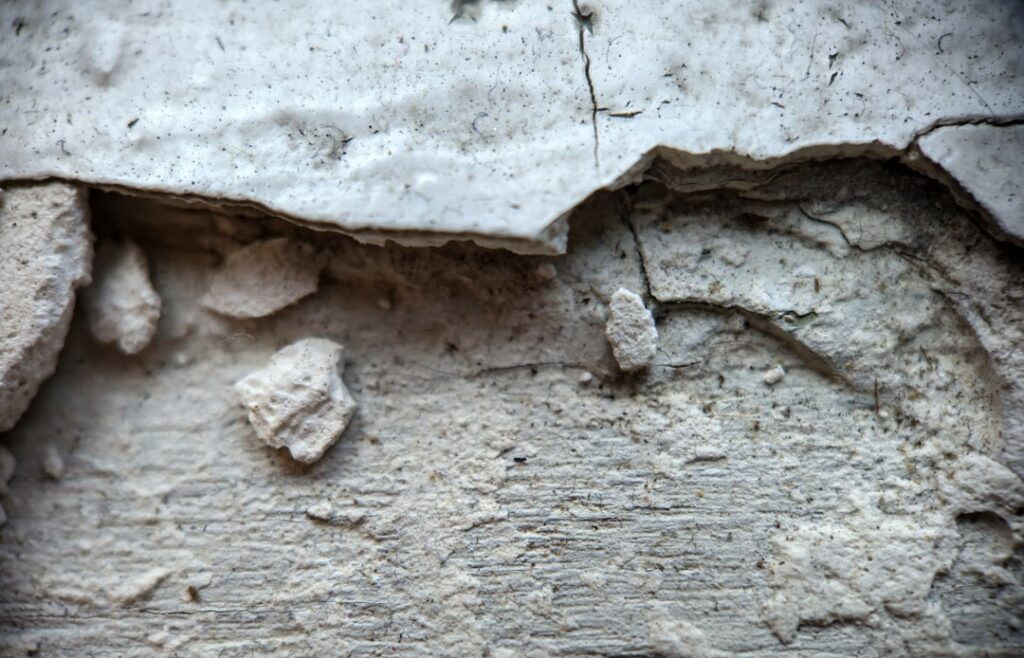
Abating asbestos is not a single procedure. It is a family of four EPA-recognized methods, each suited to a different condition of the asbestos-containing material and a different level of disturbance risk. The four methods are removal, encapsulation, enclosure, and operations and maintenance. A licensed abatement contractor selects the method after a building survey and after a friable-versus-nonfriable assessment of every suspect material. This guide summarizes EPA and OSHA guidance current as of 2026 — consult a state-licensed asbestos professional and your physician for any specific concern about exposure or testing.
Part of our Asbestos in the Home guide — start there for the full picture →
Is this mold, asbestos, or water damage? Get a free instant screen
Upload a clear photo of the suspect area. You'll get an instant AI screening opinion and what to do next. This is screening guidance, not a professional determination.
Screening guidance only. AI can be wrong. Confirm asbestos, mold type, or lead with lab testing or a licensed professional before acting.
What does abating asbestos actually mean?
Abatement, in the EPA’s NESHAP regulatory language, is any procedure that controls the release of asbestos fibers from asbestos-containing material. The goal is not always physical removal. A material that is intact, bonded, and unlikely to be disturbed is often safer left in place under a documented monitoring plan than it is when broken apart by an aggressive removal. The choice of method is governed by the condition of the material, the planned future use of the space, the friability of the suspect material, and the regulatory framework that applies in the jurisdiction.
Federal oversight comes from three statutes. NESHAP under the Clean Air Act governs the demolition and renovation of buildings containing regulated asbestos-containing material. AHERA covers schools. OSHA’s Construction Industry Standard at 29 CFR 1926.1101 governs worker exposure during the work itself. Colorado layers state oversight on top through the Colorado Department of Public Health and Environment, which licenses individual workers and certifies abatement firms operating in the state.
Method 1: Removal
Removal is what most homeowners picture when they hear the word “abatement.” A licensed crew sets up an isolated containment, puts the work area under negative air pressure with HEPA-filtered fans, wets the material to suppress fiber release, and physically extracts the asbestos-containing material into double-bagged 6-mil polyethylene. The bags are labeled, manifested, and transported to a permitted Class II or Class III landfill that accepts asbestos waste.
Removal is the most expensive method and the highest-disturbance method. It is selected when the material is friable and damaged, when the planned renovation will disturb the material regardless, or when the building will be demolished. EPA NESHAP requires removal of all regulated asbestos-containing material before any demolition activity that would render the material friable. Removal is appropriate for damaged thermal system insulation, deteriorated sprayed-on surfacing, and any material in the path of a planned structural change.
Method 2: Encapsulation
Encapsulation seals the surface of the asbestos-containing material with a bonding agent that penetrates the matrix or coats it with a tough film. Two sub-types exist. A penetrating encapsulant soaks into the material and binds the fibers internally. A bridging encapsulant coats the surface with a flexible sealant film that prevents fiber release without altering the material itself.
Encapsulation works only when the underlying material is in good condition. A deteriorated, water-damaged, or impact-damaged material cannot be reliably encapsulated because the substrate is no longer sound. The classic application is intact sprayed-on fireproofing on steel beams above a finished ceiling — material that is structurally functional, unlikely to be disturbed, and not in a routine traffic pattern. Encapsulation is significantly cheaper than removal and generates a small fraction of the fiber-release risk during the work itself, but it leaves the asbestos in the building and requires an ongoing operations-and-maintenance program to monitor the encapsulant’s condition over time.
Method 3: Enclosure
Enclosure builds a permanent, airtight, impact-resistant barrier around the asbestos-containing material. The barrier might be a new gypsum-board chase around an old pipe wrap, a new ceiling below an asbestos-sprayed structural deck, or a sealed wood-framed enclosure around an asbestos floor tile that will be left in place under a new floor system. The enclosure is engineered to prevent both routine and incidental contact with the asbestos behind it.
Enclosure is appropriate when removal would be excessively disruptive, when the material is in good condition, and when the new enclosure will not itself need to be opened for maintenance access in the future. The enclosed material has to be labeled inside the cavity so that any future contractor opening the assembly knows what is behind the wall. Enclosures also require an operations-and-maintenance plan to track the structural integrity of the barrier and any future renovation activity.
Method 4: Operations and Maintenance (O&M)
O&M is the systematic management of asbestos-containing material that is left in place. It is the right answer for material that is intact, in good condition, and not in the path of any planned renovation. The program documents the location of every asbestos material in the building, defines a periodic visual-inspection schedule, trains custodial and maintenance staff to recognize asbestos and avoid disturbing it, and establishes a response procedure for any accidental damage or fiber release.
For a single-family homeowner, an informal O&M approach is functionally what most pre-1978 owners are doing without realizing it: leaving vinyl floor tiles under newer flooring, leaving textured ceilings untouched, and avoiding renovations that would disturb the material. The formal O&M framework matters most in commercial, institutional, and multi-family settings where multiple maintenance workers might encounter the material. Homeowners interested in the broader asbestos and lead hazard framework should treat O&M as the baseline default when the material is in good condition.
How a contractor chooses among the four methods
The decision is driven by the condition of the material and the planned future use of the space. A typical decision sequence runs as follows:
- Is the material friable and damaged? If yes, remove.
- Will the planned renovation disturb the material? If yes, remove.
- Will the building be demolished? If yes, remove before demolition begins.
- Is the material intact but in a traffic pattern or impact-exposed area? If yes, enclose.
- Is the material intact, in a low-disturbance location, and on a sound substrate? If yes, encapsulate or leave in place under O&M.
The contractor’s pre-abatement survey identifies every asbestos-containing material in the building, classifies its condition, and recommends a method for each one. The homeowner or building owner reviews the recommendation, signs off on the scope of work, and the contractor files the required NESHAP notification with the state agency 10 working days before the work begins.
What the homeowner sees during a removal project
A removal project for a single-room asbestos floor tile or pipe wrap typically runs one to three working days. The crew sets up plastic containment with zippered entry doors, posts danger signage at every entry, runs HEPA-filtered negative-air machines for the full duration, suits up in disposable Tyvek with half-face or full-face respirators, and works inside the contained space with the building owner kept out. After the physical removal, a final visual inspection and an air-clearance sample are taken inside the containment. The containment is dismantled only after the clearance air sample returns below the EPA threshold of 0.01 fibers per cubic centimeter.
The homeowner receives a final clearance certificate, a copy of the waste manifest showing landfill disposal, and a copy of the air-sample results. These documents should be kept permanently with the home file. Future buyers, real-estate agents, and lenders may request them.
Cost and timing expectations
Costs vary substantially by scope. A small single-room floor-tile removal runs $1,500 to $3,500 on the Front Range. A pipe-wrap removal in a single basement runs $2,500 to $6,500. A whole-house textured-ceiling removal can exceed $15,000 to $25,000 depending on square footage and access. Encapsulation runs roughly one-third to one-half the cost of equivalent removal. Enclosure cost varies widely based on the carpentry and finish work involved.
Timing is driven by the NESHAP 10-working-day notification window plus the physical work itself. Homeowners scheduling abatement should expect at least three weeks from initial survey to final clearance for a typical residential project.
When abating asbestos is not the right answer
Material that is intact, undamaged, in a low-traffic location, and outside the path of any planned renovation generally does not need to be abated at all. The EPA’s longstanding guidance is that asbestos-containing material in good condition is not a hazard unless and until it is disturbed. The cheapest, lowest-risk option is often leaving the material alone, documenting its location, and not disturbing it. A homeowner decision guide on what to do with asbestos walks through this calculation in more detail. Abatement is the right answer when disturbance is unavoidable, when damage has already occurred, or when ongoing exposure risk cannot be managed.
Pre-abatement survey and lab confirmation
Every abatement project starts with a survey. A state-accredited asbestos inspector walks the building, identifies every suspect material, and collects bulk samples for laboratory analysis. The samples are analyzed by Polarized Light Microscopy under EPA Method 600/R-93/116. A material that returns at greater than 1 percent asbestos by weight is regulated under NESHAP. The survey report identifies each material by location, condition, friability classification, and recommended abatement method. The report is the document that the abatement contractor’s scope of work is built on, and it is the document that the state regulator references when reviewing the NESHAP notification.
Homeowners should not skip the survey step. Visual identification alone is not sufficient under federal regulation. Lab confirmation is required before any abatement contractor can scope and price the work, and it is required before any landfill will accept the waste.
Air monitoring during and after the work
Three categories of air sampling typically run during a project. Pre-abatement background sampling establishes the baseline fiber count in the building before work begins. Personal sampling on workers and area sampling outside the containment confirm that fiber concentrations are not escaping during the project. Final clearance sampling inside the containment, after cleanup, confirms that the work area is safe to release back to the building owner.
Clearance is governed by EPA’s standard of 0.01 fibers per cubic centimeter measured by Phase Contrast Microscopy, with Transmission Electron Microscopy used for higher-rigor clearance projects. The clearance certificate is the homeowner’s documentation that the work area returned to a fiber level lower than the regulatory threshold before containment was dismantled.
How abatement intersects with renovations and remodels
Many homeowners discover asbestos when planning an unrelated renovation. A kitchen remodel uncovers vinyl asbestos tile under the existing flooring. A basement finish project exposes wrapped pipes in the joist bay. A roof replacement reveals an asbestos-cement underlayment. In every one of these cases, the renovation has to pause while a pre-renovation asbestos survey is performed, and the abatement scope has to be sequenced into the renovation timeline. Skipping the survey to “save time” creates significant regulatory exposure and very real fiber-release risk to workers and household occupants.
Contractors working in pre-1978 housing are required under OSHA 29 CFR 1926.1101 to assume that suspect materials contain asbestos unless and until a lab analysis proves otherwise. Reputable general contractors will refuse to disturb suspect material without lab clearance. Homeowners should treat any contractor willing to skip this step as a significant red flag.
References
- EPA learn about asbestos resource — U.S. Environmental Protection Agency
- OSHA asbestos construction industry standard — Occupational Safety and Health Administration
- CDPHE asbestos abatement program — Colorado Department of Public Health and Environment
- InterNACHI asbestos identification guide — International Association of Certified Home Inspectors
Frequently asked questions
What are the four methods of abating asbestos?
Removal, encapsulation, enclosure, and operations and maintenance. Removal physically extracts the material. Encapsulation seals it with a bonding agent. Enclosure builds an airtight barrier around it. Operations and maintenance leaves intact material in place under a documented monitoring plan.
When does the EPA require removal?
NESHAP requires removal of all regulated asbestos-containing material before any demolition activity that would render the material friable. Removal is also typical when the material is damaged, in the path of planned renovation, or in a high-disturbance location.
Can a homeowner abate asbestos themselves?
No. Friable asbestos abatement must be performed by a state-licensed abatement contractor under EPA NESHAP and OSHA 29 CFR 1926.1101. Colorado requires both worker certification and firm certification through CDPHE.
How long does a typical residential abatement project take?
From initial survey to final clearance, expect roughly three weeks. The NESHAP notification window alone is 10 working days. Physical work for a single-room project usually runs one to three working days inside containment.
Homeowners along the Front Range who suspect asbestos in a pre-1978 home and want a connection to a vetted licensed abatement firm can get in touch through our contact page.