Radon Mitigation in Littleton, Colorado | InspectandTest
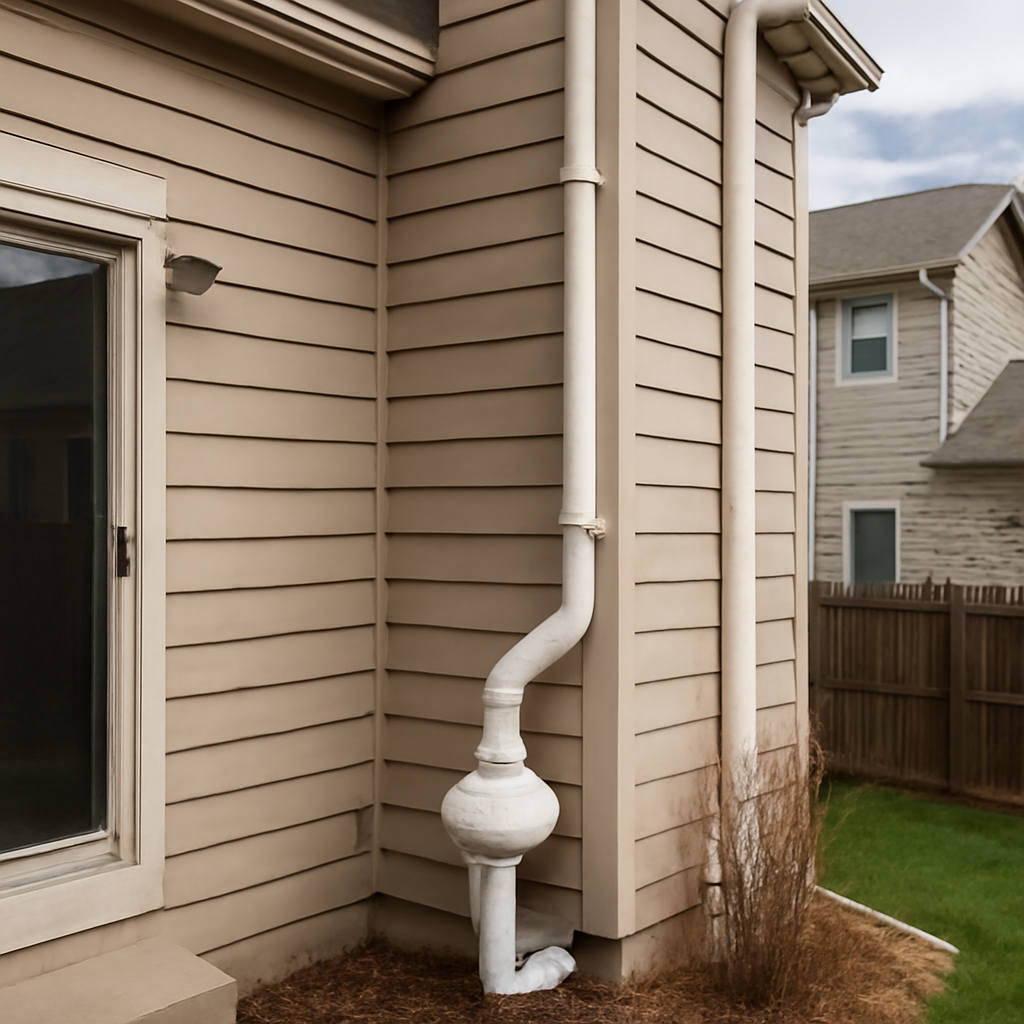
When a Littleton radon test comes back at or above the EPA’s 4 pCi/L action level, mitigation is the next step, and in a city that sits entirely in EPA Radon Zone 1 across Arapahoe, Jefferson, and Douglas counties, that outcome is common. Radon mitigation littleton homeowners install reduces the gas by venting it from beneath the foundation to above the roofline before it enters living space. From finished-basement ranches in Ketring to newer tract homes near Ken Caryl, a properly designed system reliably brings most homes well below the action level. This page summarizes EPA and CDPHE guidance current as of 2026; consult a certified mitigation professional for design decisions.
Radon mitigation in Littleton: what to know
Mitigation is the active reduction of indoor radon, and the proven method along the Front Range is active sub-slab depressurization. A vent pipe draws soil gas from beneath the foundation slab and a continuous inline fan pushes it up and out above the roof, where it disperses harmlessly. Done correctly, this approach routinely cuts indoor radon by 80 to 99 percent and brings most Littleton homes below 4 pCi/L, often well below 2.
Mitigation follows testing, never replaces it. A test establishes the starting number, the system is designed to that number and the home’s foundation, and a post-mitigation test confirms it worked. If you have not yet tested, start with our guide to radon testing in Littleton before booking a mitigation contractor.
The reason active sub-slab depressurization works so reliably along the Front Range is worth understanding. Radon enters a home because the soil beneath the slab is at a higher pressure than the air inside, especially in winter when a warm, sealed house draws air upward. By placing a fan on a pipe that pulls from beneath the slab, the system reverses that pressure relationship, so soil gas flows into the pipe and out the roof instead of seeping through every crack. It is a pressure problem with a pressure solution, which is why a correctly designed system addresses the cause rather than chasing individual cracks.
Passive systems sometimes appear in newer Littleton-area construction, where a vent pipe was roughed in during the build but no fan was installed. A passive stack relies on the natural stack effect to vent radon and often is not enough on its own in a Zone 1 area. Converting a passive system to an active one by adding an inline fan is usually inexpensive because the pipe route already exists, and it is a common first step for a homeowner whose test came back high despite a passive provision. A mitigator can advise whether activation alone will reach the target or whether additional suction points are needed.
The system also needs verification afterward. A manometer on the vent pipe shows the fan is pulling suction, and a follow-up radon test confirms the actual reduction. EPA guidance recommends re-testing every couple of years even after mitigation, because fans wear out and foundations change over time.
Why Littleton homes need radon mitigation
The same Zone 1 geology that produces high test results is what makes mitigation necessary. Radon comes from uranium decay in the soil and rock beneath the Front Range, and the formations under Arapahoe, Jefferson, and Douglas counties release it readily. A home cannot change the soil it sits on, so the only durable fix is to intercept the gas before it enters and route it outside.
Littleton’s housing stock makes sub-slab depressurization a good fit. Mid-century ranches in Ketring and Highland and later tract homes commonly have full or partial basements over a slab, which is the foundation type the standard system is designed for. Finished basements, where families add bedrooms and offices, are exactly the spaces that need protecting, and they are also where a mitigation pipe can often be routed discreetly through a closet or utility chase.
Climate is the reason an untreated Littleton home stays elevated year-round. Cold winters keep the house sealed and the furnace running, which creates negative pressure that actively draws soil gas up through slab cracks. The river-corridor moisture near the South Platte and seasonal freeze-thaw cycles can open new entry points over time. A mitigation system counteracts that pressure permanently, rather than relying on a homeowner remembering to ventilate.
Littleton’s older housing adds a wrinkle that affects mitigation design. Homes near Historic Downtown may have stone or rubble foundations, partial basements, or crawl spaces rather than the clean poured slab a standard system assumes, and those conditions call for a tailored approach, sometimes a sub-membrane system over a crawl space rather than sub-slab suction. A contractor experienced with the range of Littleton foundations diagnoses which method fits before quoting, whereas one who installs the same system everywhere may underperform on an atypical older home.
It is also worth knowing that mitigation does more than lower radon. The same sealing and depressurization that vents soil gas can reduce the entry of other soil-borne moisture and vapors, which in a river-corridor neighborhood can mean a slightly drier basement as a side benefit. The primary goal remains the radon reduction, but a well-installed system in a Littleton home near the South Platte sometimes improves overall basement air quality at the same time.
What a Littleton radon mitigation system covers
A standard active sub-slab system has a few core parts: a suction point cut through the basement slab, a sealed PVC vent pipe routed up through the home or along an exterior wall, an inline radon fan, and a manometer that shows the system is running. The contractor also seals major slab cracks, control joints, and the sump lid to improve suction.
Sub-slab depressurization
The fan creates a low-pressure zone under the slab so soil gas flows into the pipe instead of into the basement. Suction-point placement depends on the sub-slab material; well-drained gravel lets one point serve the whole slab, while tighter fill may need a second point. A competent contractor diagnoses this rather than guessing.
Sealing and verification
Sealing slab penetrations, the sump, and large cracks makes the fan more effective and quieter. After installation, the contractor confirms suction on the manometer and a post-mitigation radon test verifies the result. A system that runs but never gets re-tested is an unverified system.
Radon mitigation cost in Littleton
A typical active sub-slab radon mitigation system in the Littleton market runs about $1,200 to $2,500 installed, with most straightforward basement homes landing near the middle of that range. Homes that need a second suction point, a longer or more complex pipe route, or work over a crawl space sit at the higher end. The inline fan draws modest electricity and lasts many years before replacement.
Set that against the alternative. The cost of a one-time mitigation install is small compared to the long-term lung-cancer risk of living for years in a finished basement reading 7 or 8 pCi/L. The EPA links thousands of radon-related lung-cancer deaths a year to long-term exposure, and a mitigation system that cuts levels by 90 percent or more directly lowers that risk for everyone in the home.
Mitigation can also be a transaction tool. A seller who installs a system and documents a clean post-mitigation result removes a common negotiation sticking point, and a buyer who negotiates a mitigation credit gets the work done on the seller’s dime. Either way the fix is modest relative to the home’s value.
Ongoing costs are minimal, which is part of what makes mitigation a sound investment. The inline fan runs continuously and adds a small amount to a Littleton home’s electric bill, comparable to a low-wattage appliance, and fans typically last a decade or more before needing replacement at modest cost. Beyond that, a mitigation system is largely maintenance-free; a homeowner only needs to glance at the manometer occasionally to confirm the fan is still pulling suction. Against that low running cost sits a permanent, substantial reduction in a serious health risk.
Colorado regulations and disclosure
Colorado requires radon disclosure in residential transactions, and the Seller’s Property Disclosure asks sellers to report known radon results and whether a mitigation system is installed. CDPHE runs the state radon program and references the 4 pCi/L action level. Colorado does not license radon mitigators, so confirm a contractor follows nationally recognized standards such as those from AARST for system design and installation.
Disclosure makes a documented system an asset. A Littleton seller who can hand a buyer a mitigation install record plus a post-mitigation test below the action level turns a potential deal-breaker into a selling point. A buyer should ask for that documentation and confirm the system has a working fan and current verification rather than assuming an installed pipe means a solved problem.
Neighborhoods and areas served
Mitigation work spans Littleton’s housing types. Finished-basement ranches in Ketring, Highland, and Columbine are common candidates, as are older homes near Historic Downtown and tightly built newer homes toward Ken Caryl that trap radon once it enters. Service typically extends to adjacent Ken Caryl, Columbine, Highlands Ranch, and Centennial, all in the same Zone 1 footprint.
Because Littleton spans three counties that share the same radon-prone geology, the system design that works in one neighborhood generally applies across the city. What varies is the foundation and finish: an open unfinished basement allows a simple interior pipe route, while a fully finished lower level may call for an exterior route to avoid disturbing living space. A good contractor tailors the route to the specific home.
How to choose a Littleton radon mitigation provider
Hire a mitigator who tests before and after, follows AARST or equivalent standards, and guarantees the system will bring the home below 4 pCi/L. A reputable contractor inspects the foundation, explains where the suction point and pipe will go, and provides a written post-mitigation result rather than just an installed system. For broader context on hiring qualified trades, our Front Range radon guide for Colorado homeowners covers what to expect from a competent provider.
Ask about fan warranty, expected noise, and how the pipe route preserves the look of a finished basement. A quality install is quiet, unobtrusive, and clearly labeled with a manometer the homeowner can read. Avoid a contractor who skips the post-mitigation test, because without that confirmation there is no proof the system actually reduced the radon level.
For a home sale, coordinate the mitigation timeline with inspection deadlines so the post-mitigation result is in hand before closing. A documented, verified system reassures buyers and keeps a radon finding from stalling a Littleton transaction.
Get the warranty and the guaranteed-result terms in writing. A reputable Littleton mitigator commits to bringing the home below 4 pCi/L and will return to adjust the system, often by adding a suction point or upsizing the fan, if the first post-mitigation test misses that target at no extra charge. Ask what happens if the home is one of the rare cases that needs a second suction point to hit the goal, and confirm that follow-up is covered. A clear written guarantee is the difference between buying a finished result and buying a pipe and a fan.
References
- Consumer’s guide to radon reduction — U.S. Environmental Protection Agency
- Colorado radon program and mitigation — Colorado Department of Public Health and Environment
- Radon and lung cancer — Centers for Disease Control and Prevention
If your Littleton test came back above 4 pCi/L, the fix is straightforward and permanent. Reach out through our contact page to connect with a vetted local mitigation contractor and get a verified result before your next deadline.