Radon Mitigation in Berthoud, Colorado | InspectandTest
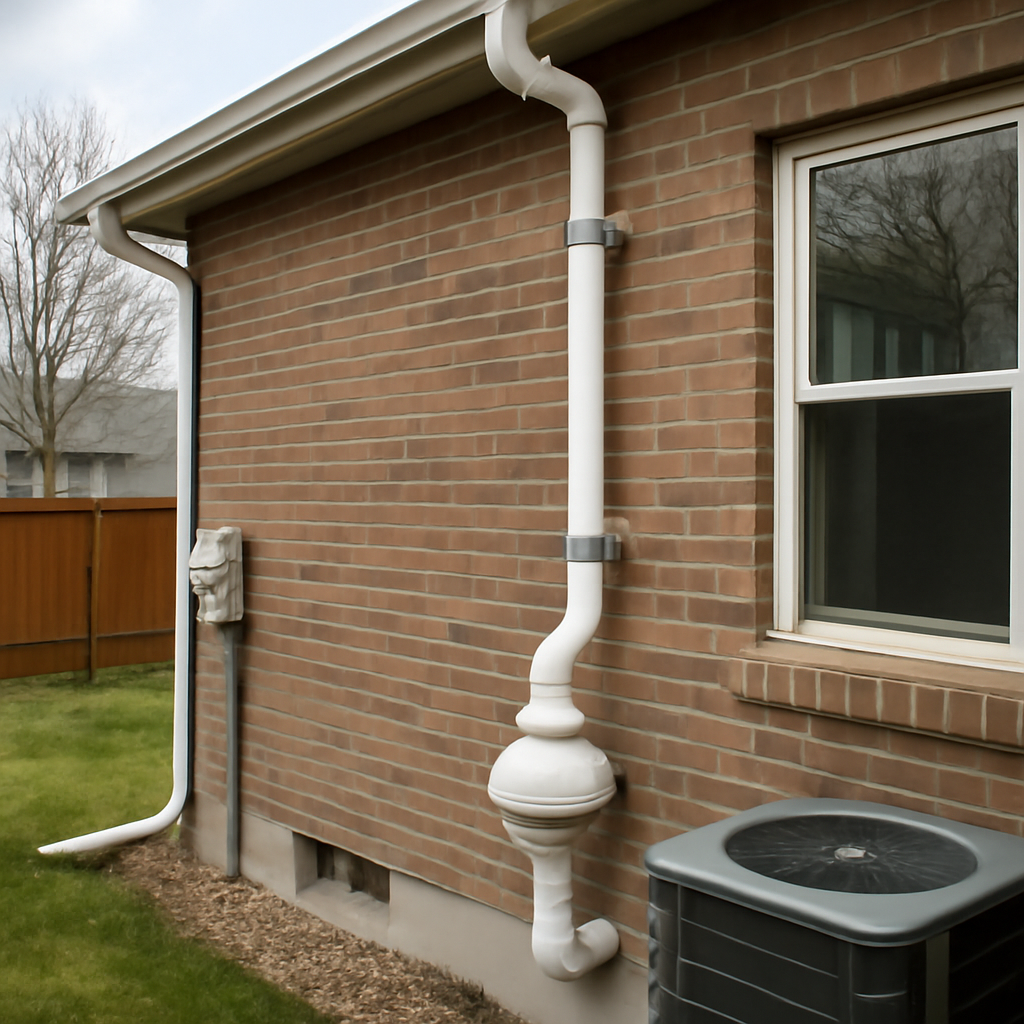
Berthoud sits in EPA Radon Zone 1, the highest-risk category, where indoor radon commonly meets or exceeds the 4 pCi/L action threshold. When a test in this Larimer County town, the “Garden Spot of Colorado” between Loveland and Longmont, comes back at or above that level, radon mitigation is the engineered fix that lowers it. Berthoud’s mix of early-1900s historic downtown homes and tight new subdivisions like Heron Lakes and Hammond Farm means mitigation systems here are installed in foundations of every type. This page explains how radon mitigation berthoud homeowners should approach the work, why the local picture calls for it, and what it costs. This summary reflects EPA and CDPHE guidance current as of 2026; consult a certified mitigation professional for system design.
Part of our Radon Mitigation Systems guide — start there for the full picture →
Radon mitigation in Berthoud: what to know
Radon mitigation is the installation of a system that reduces indoor radon to a safe level, most commonly a sub-slab depressurization system. A pipe is sealed into the foundation slab, and an inline fan draws soil gas from beneath the home and vents it above the roofline before it can enter the living space. Done correctly, this approach routinely cuts radon by 90 percent or more, often bringing a home from well above 4 pCi/L down to 2 pCi/L or lower.
Mitigation follows testing: a home is mitigated because a test showed an elevated level, and a post-installation test confirms the system worked. The two steps are inseparable, which is why mitigation always references the result that prompted it. For the testing side and what the numbers mean, our plain-language radon guide for Front Range homeowners explains the measurement process, and our companion page on radon testing in Berthoud covers local testing specifics.
It helps to understand that mitigation is an engineered solution, not a sealant or a gadget. Sealing foundation cracks alone rarely solves a radon problem because soil gas finds new pathways, the EPA is clear that sealing is a supplement to, not a substitute for, an active depressurization system. A properly designed Berthoud system addresses the pressure dynamics that pull radon indoors, which is why professional design and a confirming post-test matter so much more than a quick patch.
Why Berthoud homes need radon mitigation
Every Berthoud home shares the same Zone 1 risk, so mitigation is a common outcome across the whole town. The plains soils beneath the Front Range are uranium-bearing and release radon readily, and because the designation covers the historic downtown, the new subdivisions, and the rural farm parcels alike, elevated test results, and the mitigation systems that follow, turn up in homes of every era. A high reading in a 1905 downtown home and a 2021 Hammond Farm build call for the same engineered response.
Foundation type shapes the system design. Older downtown Berthoud homes may have fieldstone or rubble foundations, cracked slabs, or crawl spaces that complicate a standard sub-slab approach and sometimes require sub-membrane depressurization or sealing combined with active suction. The tight new subdivision homes usually have clean poured slabs that suit straightforward sub-slab systems, but their energy-efficient sealing means radon concentrates effectively once inside, so an undersized fan leaves the problem unsolved. A mitigator who knows Berthoud’s range of foundations designs to the specific structure.
Climate reinforces the need. Berthoud’s cold winters keep homes sealed and furnaces running, creating the negative pressure that draws soil gas indoors, while Chinook winds and freeze-thaw cycles keep opening new foundation cracks over time. A finished basement, increasingly common in both old and new Berthoud homes, is the lowest, most soil-contacted living space, so it is both where radon is highest and where families spend time. Mitigation protects exactly that occupied lower level, which is the point of fixing an elevated reading rather than living with it.
What a Berthoud radon mitigation system involves
A mitigation contractor evaluates the foundation, designs an active depressurization system suited to it, and confirms the result with a post-installation test.
Sub-slab depressurization
In the most common design, the contractor cores a hole through the slab, runs a sealed PVC pipe down into the gravel or soil beneath, and connects it to an inline fan that vents soil gas above the roofline. The fan creates a low-pressure zone under the slab so radon is drawn out and exhausted rather than seeping up into the home. Existing foundation cracks and the sump pit are sealed to make the system more efficient.
System design for older and crawl-space foundations
Berthoud’s historic downtown homes with crawl spaces or irregular foundations often need a sub-membrane system, in which a sealed membrane is laid over the crawl-space floor and suction is drawn beneath it. The mitigator selects fan size and suction points based on the foundation’s structure and the starting radon level. A manometer on the pipe lets a homeowner confirm at a glance that the fan is running, and a post-installation test verifies the level has dropped below 4 pCi/L.
Radon mitigation cost in Berthoud
A typical residential radon mitigation system in the Berthoud market runs about $1,200 to $2,500, with most standard sub-slab installations landing in the middle of that range. Older downtown homes with complex foundations, crawl spaces, or multiple suction points sit toward the higher end, while a straightforward new-subdivision slab is often at the lower end. The cost includes the system, the fan, sealing, and a confirming post-installation test.
Weigh that one-time cost against the protection it buys. The EPA links thousands of lung-cancer deaths a year to radon, and a mitigation system that cuts a 9 pCi/L basement down to 2 pCi/L reduces that risk for as long as the family lives in the home, with only modest ongoing fan electricity and an occasional fan replacement over the years. Against the lifetime health stakes of leaving a Zone 1 finished basement untreated, a one-time investment in the low thousands is a sound trade.
For a home sale, mitigation cost is often shared or negotiated. When a pre-purchase test comes back high, buyers and sellers frequently agree on a mitigation credit, and a documented post-installation test below 4 pCi/L resolves the issue cleanly for both parties. A seller who mitigates proactively can market a clean post-mitigation result, while a buyer who inherits an unmitigated high reading should budget for the system as a known, bounded cost rather than an open-ended risk.
Berthoud regulations and disclosure
Colorado now regulates radon mitigation professionals, and as of recent state rules, radon measurement and mitigation work in Colorado generally requires appropriate certification, so confirm a contractor holds current credentials and follows EPA and AARST mitigation standards. The state’s seller’s property disclosure asks sellers to report known radon results and any existing mitigation system, which makes a documented system and post-test valuable in a transaction.
Because disclosure follows the home, a properly installed and documented mitigation system becomes part of the property’s record. A Berthoud seller benefits from being able to show a permitted, professionally installed system with a confirming post-test, and a buyer benefits from verifying that any existing system actually works rather than assuming a visible pipe and fan are doing their job. Asking for the original post-installation test result is a simple way to confirm an inherited system is effective.
Neighborhoods and areas served
Radon mitigation demand in Berthoud spans the early-1900s homes of Historic Downtown Berthoud, the newer subdivisions of Heron Lakes, Prairie Star, Hammond Farm, and Vantage, and the rural farm parcels near the Little Thompson River and toward Carter Lake. Service typically extends to adjacent Loveland, Longmont, Johnstown, Mead, and Campion, all within the same Zone 1 footprint where elevated readings and mitigation systems are common.
Because foundation type drives system design, the mitigation approach shifts by neighborhood: straightforward sub-slab systems in the new subdivisions, sub-membrane or hybrid designs in the older downtown homes and crawl-space properties. The county-wide context appears in our guide to radon mitigation in Larimer County, and the same engineered approach applies across nearby communities in the Zone 1 footprint.
How to choose a Berthoud radon mitigation provider
Choose a certified mitigation professional who follows EPA and AARST standards, designs the system to your specific foundation, and includes a post-installation test to confirm the result. A good contractor explains the design choices, fan sizing, suction-point placement, and where the pipe will vent, rather than installing a one-size template. For Berthoud’s older downtown homes, ask specifically about experience with fieldstone foundations and crawl spaces, which demand more than a standard slab system.
Confirm the quote includes the post-mitigation test, system sealing, and a manometer so you can monitor the fan, and ask about the warranty on both the fan and the guaranteed radon reduction. A credible mitigator guarantees the system will bring the home below 4 pCi/L and re-balances or upgrades it if the first design falls short. Beware of any quote that omits the confirming test, since an installed system that is never verified is just a pipe and a fan.
Finally, ask for documentation suitable for disclosure: the system design, the permit if required, and the post-installation test result. In Berthoud’s active market of historic and new homes, that paperwork lets a seller market a clean post-mitigation home and gives a buyer confidence that the system genuinely solved the problem rather than merely appearing to. That verified, documented outcome is the real product of good mitigation.
Living with a Berthoud mitigation system
A radon mitigation system is largely maintenance-free, but it is not entirely set-and-forget. The inline fan runs continuously and typically lasts several years to over a decade before it needs replacement, and the manometer mounted on the pipe is the homeowner’s at-a-glance check that the system is working. The two liquid columns in the manometer should sit at different heights when the fan is drawing properly; if they level out, the fan has likely failed and the system has stopped protecting the home. Checking that gauge occasionally is the main ongoing responsibility.
Fan placement and noise are practical considerations Berthoud homeowners ask about. EPA and AARST standards generally call for the fan to be located outside the living space, in an attic, garage, or on the home’s exterior, so that any leak from the pressurized side vents harmlessly rather than back into the home. A well-installed system is quiet, with only a faint airflow hum, and the exhaust point is positioned above the roofline and away from windows to keep vented soil gas from re-entering. A homeowner bothered by noise or a poorly placed vent should raise it with the installer, since both are correctable.
The system also interacts with other home changes. Finishing a basement, adding a sump, or altering the foundation can affect how well an existing mitigation system performs, so a post-change re-test is wise. Likewise, a new high-efficiency furnace or major air-sealing project shifts a home’s pressure balance and can change radon dynamics. For a Berthoud homeowner, treating the mitigation system as part of the home’s living infrastructure, monitored, occasionally re-tested, and re-evaluated after major renovations, ensures it keeps delivering the protection it was installed to provide.
References
- Consumer’s guide to radon reduction — U.S. Environmental Protection Agency
- Colorado radon program and mitigation — Colorado Department of Public Health and Environment
- Radon and lung cancer — Centers for Disease Control and Prevention
Frequently asked questions
How much does radon mitigation cost in Berthoud?
A typical residential system runs about $1,200 to $2,500, with most standard sub-slab installations in the middle of that range. Older downtown homes with crawl spaces or complex foundations sit higher, while straightforward new-subdivision slabs are often at the lower end.
How much can mitigation lower my radon level?
A properly designed sub-slab depressurization system routinely cuts radon by 90 percent or more, often bringing a home from well above 4 pCi/L down to 2 pCi/L or lower. A post-installation test confirms the result.
Is sealing cracks enough to fix radon?
No. The EPA is clear that sealing alone rarely solves a radon problem because soil gas finds new pathways. Sealing supports an active depressurization system but is not a substitute for one.
Do older downtown Berthoud homes need a different system?
Often yes. Fieldstone foundations, irregular slabs, and crawl spaces in early-1900s homes can require sub-membrane depressurization or hybrid designs rather than a standard sub-slab system, so foundation-specific design matters.
Should I ask for the post-installation test on an existing system?
Yes. A visible pipe and fan don't prove a system works. Asking for the original post-installation test result, or running a fresh test, confirms that an inherited mitigation system is actually holding the home below 4 pCi/L.
If a Berthoud test came back at or above 4 pCi/L, a properly designed mitigation system reliably brings it down and keeps it there. To connect with a vetted, certified Front Range mitigation professional, get in touch through our contact page.
Test your home for radon
Radon is invisible and odorless, so a test is the only way to know your level. A short-term kit gives a first reading in days; a digital monitor tracks it over time.
| Product | Why | Buy |
|---|---|---|
 AirChek Charcoal Radon Test Kit AirChek Charcoal Radon Test Kit | Lab fee usually included; EPA short-term protocol. | Amazon — $21.95 |
 First Alert RD1 Radon Test Kit First Alert RD1 Radon Test Kit | Widely stocked; 48-hour charcoal test. | Amazon — $16.98 |
 Airthings Corentium Home Airthings Corentium Home | Digital monitor with a long-term average. | Amazon — $143.65 |