Mold Inspection in Berthoud, Colorado | InspectandTest
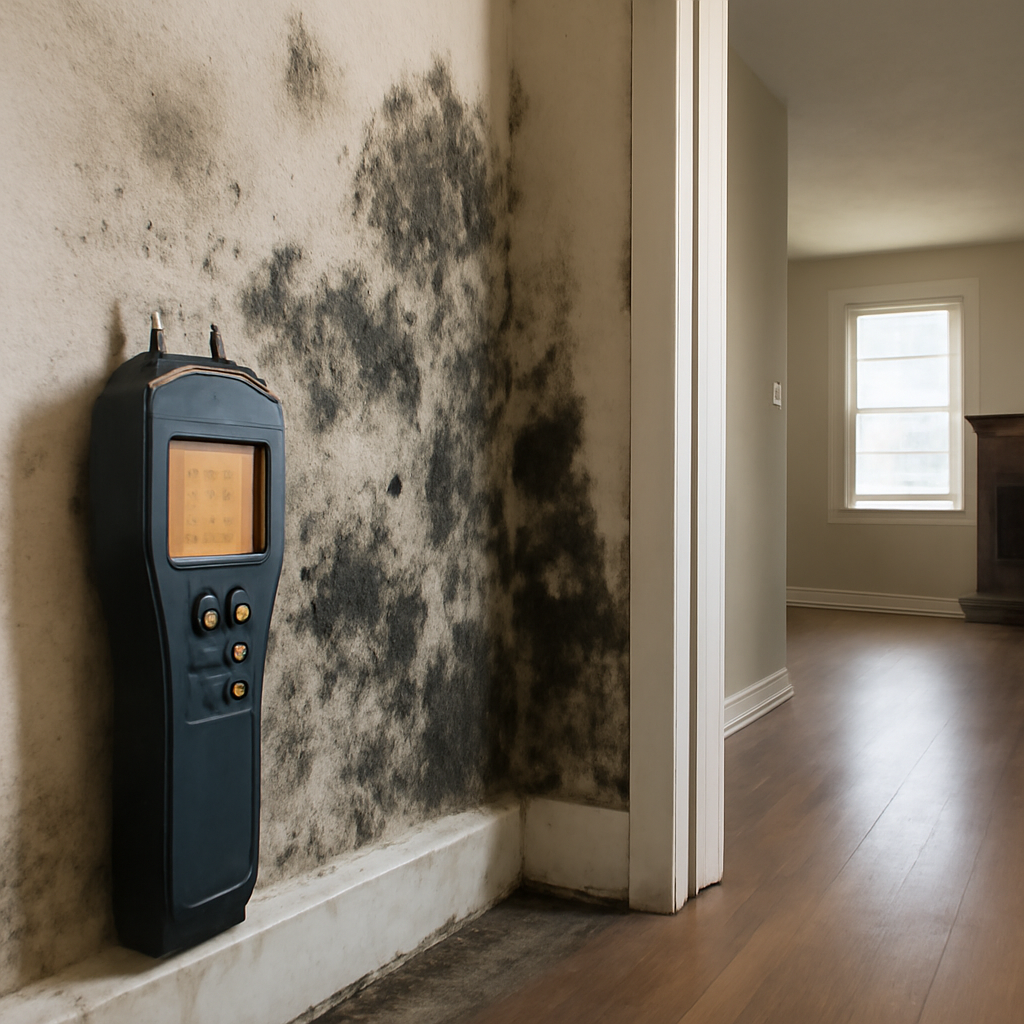
Berthoud, the “Garden Spot of Colorado,” is a small Larimer County farm town between Loveland and Longmont, with a walkable early-1900s historic downtown wrapped by heavy 2010s-and-2020s subdivision growth around Heron Lakes, Prairie Star, and Hammond Farm. That split, century-old downtown buildings alongside brand-new construction, gives Berthoud two very different mold profiles in one town: aging materials and dated waterproofing in the old core, and tight, sealed building envelopes in the new neighborhoods. This page explains what a mold inspection berthoud homeowners should expect, why the local setting drives moisture problems, and what an inspection covers. This summary reflects EPA and CDC guidance current as of 2026; consult a qualified professional for decisions about a specific property.
Is this mold, asbestos, or water damage? Get a free instant screen
Upload a clear photo of the suspect area. You'll get an instant AI screening opinion and what to do next. This is screening guidance, not a professional determination.
Screening guidance only. AI can be wrong. Confirm asbestos, mold type, or lead with lab testing or a licensed professional before acting.
Mold inspection in Berthoud: what to know
A mold inspection is a visual and moisture-focused assessment of a building to find active mold growth and, just as important, the water source feeding it. Mold needs moisture to grow, so a competent inspection is really a hunt for water intrusion: roof and flashing leaks, plumbing seepage, foundation dampness, poor drainage, and condensation. The EPA’s guidance is consistent on this point, controlling moisture is the key to controlling mold, which is why an inspection that finds growth but ignores the water source solves nothing.
An inspector documents visible mold, traces the moisture pathway with meters and sometimes infrared, and recommends both remediation and the repair that stops the water. Testing, air or surface sampling sent to a lab, is a separate step that confirms or characterizes growth but is not always necessary when mold is already visible. For the underlying science of how mold behaves and when testing helps, our plain-language mold hub for homeowners walks through the full picture.
It helps to understand Colorado’s particular mold context. The Front Range is dry, which leads some homeowners to assume mold is not a local concern, but that is a misconception. Mold here is almost always driven by a specific indoor moisture source, a leak, a plumbing failure, poor bathroom ventilation, or a sealed new home trapping humidity, rather than by ambient outdoor humidity. That makes Berthoud mold problems highly localized and source-specific, which is exactly why a targeted inspection is so effective at finding and fixing them.
Why Berthoud homes need mold inspection
Berthoud’s housing split is the first driver. In the historic downtown, early-1900s buildings carry aging roofs, original or dated plumbing, limited foundation waterproofing, and basements that were never built to modern moisture standards. These older structures develop the slow leaks and damp lower levels where mold takes hold, and decades of renovations can hide past water damage behind newer finishes. An inspection in the old core focuses on these aging-building moisture pathways.
The new subdivisions present the opposite problem. Tightly sealed homes in Heron Lakes, Prairie Star, and Hammond Farm hold heat and moisture efficiently, which is good for energy bills but means that any interior moisture, a plumbing leak, a bathroom with weak ventilation, or construction moisture in a new build, has little chance to escape. Sealed envelopes can trap humidity against drywall and in finished basements, creating mold conditions in homes only a few years old. New construction is not immune to mold; it simply gets mold for different reasons than the old downtown.
Berthoud’s agricultural setting and climate add local moisture drivers. The town sits near the Little Thompson River with Carter Lake and the foothills to the west, and some rural properties rely on wells and septic systems where plumbing and drainage issues can introduce moisture. Chinook winds and hard freeze-thaw cycles stress roofs, flashings, and foundation perimeters, opening the gaps where water enters. An inspector familiar with Berthoud knows to check both the obvious indoor sources and the building-envelope failures that local weather tends to create.
What a Berthoud mold inspection covers
A mold inspection combines a visual survey with moisture diagnostics, prioritizing the areas where water collects and growth begins.
Moisture mapping and visual survey
The inspector examines basements, crawl spaces, bathrooms, kitchens, around windows, and beneath roof penetrations, using moisture meters and sometimes infrared to find damp materials behind finishes. In a historic downtown Berthoud home, that means scrutinizing the basement and aging plumbing; in a newer subdivision home, it means checking sealed wall cavities, bathroom ventilation, and finished-basement humidity.
Source identification and testing options
Finding the water source is the central task, because remediation without repair invites the mold back. Where the cause or extent is unclear, the inspector may recommend laboratory sampling, which is covered in detail through our companion service on mold testing in Berthoud. For a broader county view of how moisture and mold present across the region, our guide to mold inspection in Larimer County frames the same drivers across nearby communities.
Mold inspection cost in Berthoud
A visual mold inspection in the Berthoud market typically runs about $300 to $500 depending on the size of the home and the complexity of the moisture investigation. Adding laboratory air or surface sampling raises the total, since each sample carries a lab fee, often $100 to $200 per sample or more depending on how many areas are tested. A larger historic home with multiple suspect areas or a finished basement sits toward the higher end.
Weigh the cost against what unaddressed mold can do. Beyond the health concerns the CDC and EPA associate with damp, moldy environments, especially for people with asthma or allergies, unchecked moisture quietly damages structure and finishes. A few hundred dollars spent identifying the source of a basement leak in a downtown Berthoud home or a hidden bathroom leak in a Heron Lakes home is far cheaper than the remediation and repair bill that follows months of undetected growth.
The decision to test versus simply inspect usually depends on whether mold is visible and the cause is clear. When growth is obvious and the water source is identified, a visual inspection plus a repair-and-remediation plan may be all that is needed. When mold is suspected but unseen, when occupants have unexplained symptoms, or when a real-estate transaction calls for documentation, laboratory testing adds the confirmation worth its added cost.
Berthoud regulations and disclosure
Colorado does not license mold inspectors or remediators, so credentials are voluntary and the homeowner carries the responsibility of vetting them. Reputable Berthoud inspectors hold certifications from recognized bodies and follow EPA remediation guidance. Colorado’s seller’s property disclosure asks sellers to report known water damage and mold, which makes a documented inspection useful both for sellers who want to disclose accurately and for buyers verifying a property’s condition.
Because the state does not regulate the field, the quality of a Berthoud mold inspection depends entirely on the professional’s training and honesty. A credible inspector ties every finding to a moisture source and a recommended repair rather than steering a homeowner straight into an expensive remediation contract. For a town with both fragile historic structures and tight new builds, that source-first discipline is what separates a useful inspection from an upsell.
Neighborhoods and areas served
Mold inspection demand in Berthoud spans Historic Downtown Berthoud with its early-1900s buildings, the newer subdivisions of Heron Lakes, Prairie Star, Hammond Farm, and Vantage, and the rural properties scattered through the surrounding agricultural land near the Little Thompson River and toward Carter Lake. Service typically extends to adjacent Loveland, Longmont, Johnstown, Mead, and Campion, which share the same Larimer-area climate and mix of old and new housing.
Because Berthoud holds two distinct building types, the inspection approach shifts by neighborhood: aging-building moisture pathways in the historic core, sealed-envelope humidity in the new subdivisions, and well-and-septic considerations on rural parcels. Homeowners weighing a downtown property against a new subdivision home benefit from an inspector who understands both, and the same moisture-first logic that applies in nearby Loveland mold inspections applies across the Berthoud area.
How to choose a Berthoud mold inspection provider
Ask whether the inspector is certified through a recognized body, uses moisture meters and infrared, and, critically, focuses on finding the water source rather than just confirming mold. A good Berthoud inspector explains how the moisture is entering and what repair will stop it, because remediation without that repair simply resets the clock on the next outbreak.
Be cautious of any provider who both inspects and sells remediation without independent testing, since that arrangement can create pressure toward unnecessary work. A credible inspector is comfortable recommending the smallest effective fix, and for ambiguous cases will suggest laboratory sampling to confirm the problem before anyone commits to costly remediation. That restraint is especially valuable in Berthoud’s historic homes, where over-aggressive work can damage irreplaceable original materials.
Finally, confirm the inspector will provide a written report that documents the moisture source, the extent of any growth, and a clear remediation-and-repair plan. In a town where buyers and sellers move between century-old downtown homes and brand-new subdivision builds, that documentation supports honest disclosure and gives a homeowner a defensible record of the property’s condition and what was done about it.
What happens after a Berthoud mold inspection
An inspection’s value is realized in what follows it. When mold and its moisture source are identified, the inspector’s report should lay out a two-part plan: remediation to remove the existing growth, and repair to stop the water that fed it. The EPA’s guidance frames small areas, roughly under ten square feet, as often manageable by a careful homeowner with proper precautions, while larger contamination or any growth tied to sewage or persistent leaks warrants professional remediation. For a Berthoud homeowner, knowing which category a problem falls into prevents both unnecessary expense and dangerous underreaction.
Remediation done without the accompanying repair is the most common way mold returns. If a downtown Berthoud basement is cleaned but the foundation seepage that caused the dampness is never addressed, the growth comes back within months. A credible inspection report therefore treats the moisture repair, regrading for drainage, fixing a roof or plumbing leak, improving bathroom ventilation, sealing a foundation, as the essential half of the solution rather than an afterthought. This source-first discipline is what distinguishes a lasting fix from a cosmetic one.
Prevention is the long game, and Berthoud’s climate makes it manageable. Because Front Range air is dry, controlling indoor humidity, keeping basements and bathrooms ventilated, running exhaust fans, addressing leaks promptly, and maintaining gutters and grading, goes a long way. The CDC and EPA both emphasize that keeping indoor humidity in a moderate range and fixing water problems quickly is the durable answer to mold. For owners of both century-old downtown homes and tight new subdivision builds, those habits, paired with an inspection when a problem is suspected, keep mold from gaining a foothold in the first place.
Seasonal awareness helps too. Berthoud’s snowmelt in spring and the occasional heavy plains thunderstorm can overwhelm gutters and grading on an older downtown home, pushing water toward a foundation that was never sealed to modern standards. In winter, ice dams on aging roofs and condensation against single-pane windows add moisture exactly when homes are sealed tight. A homeowner who knows these seasonal patterns can watch the vulnerable spots, a downtown basement after a wet spring, a sealed new-build bathroom in deep winter, and bring in an inspection at the first sign of a musty smell or visible dampness rather than waiting for growth to spread behind a finish.
References
- Mold and moisture control in homes — U.S. Environmental Protection Agency
- Mold and your health — Centers for Disease Control and Prevention
- Mold and indoor health research — National Institute of Environmental Health Sciences
Whether you own a century-old downtown Berthoud home or a new subdivision build, finding the moisture source is the key to controlling mold for good. To connect with a vetted Front Range mold inspector, reach out through our contact page.