Mold Inspection in Loveland, Colorado
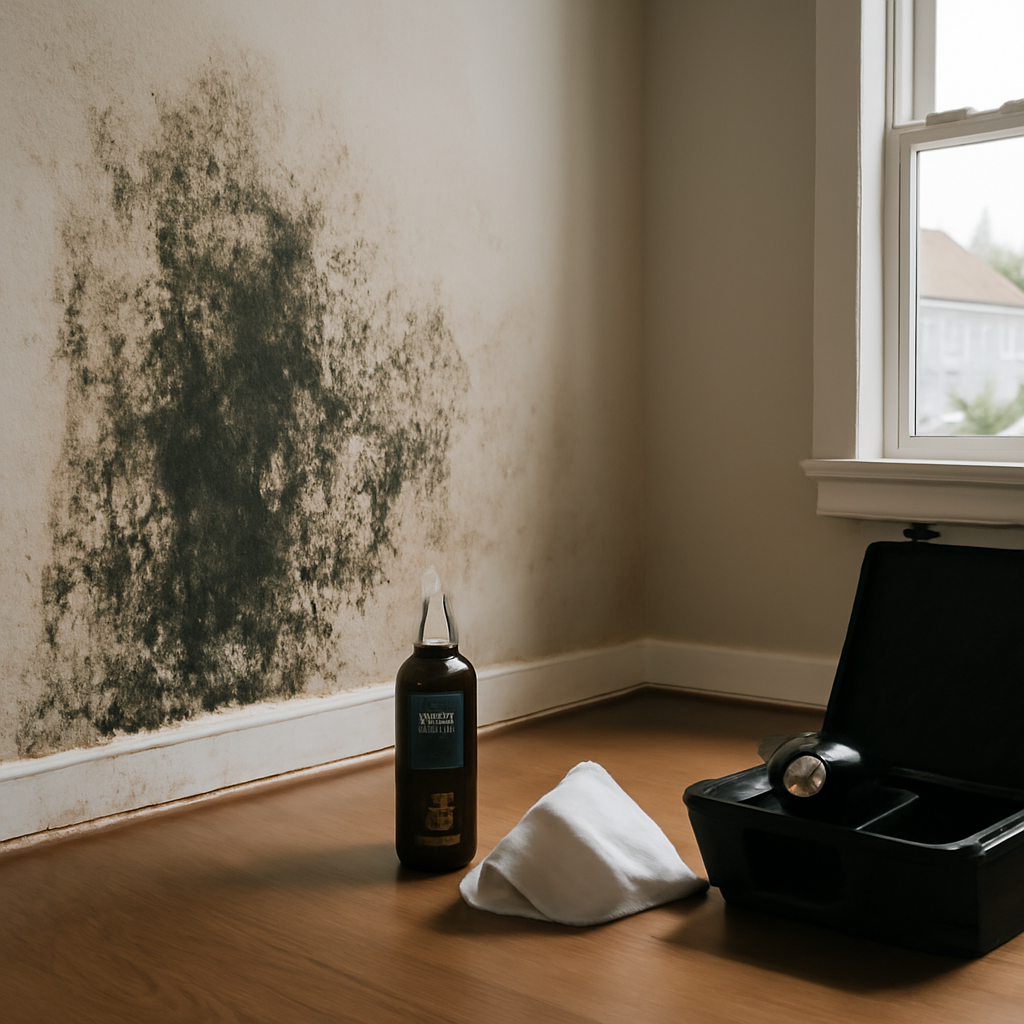
A mold inspection in Loveland is a visual and moisture-focused evaluation that locates active mold growth and the water source feeding it. Loveland, Larimer County’s “Sweetheart City,” sits on the Big Thompson River, and the catastrophic 2013 Big Thompson flood left a genuine basement-moisture and mold legacy in parts of town that still surfaces during inspections. Downtown and Old Town hold older homes, while the east side around Centerra has grown quickly. This page explains what a mold inspection loveland residents should expect, why local conditions raise the risk, what the inspection covers, and costs. This summary reflects EPA guidance current as of 2026; consult a physician for health symptoms and a certified professional for remediation decisions.
Is this mold, asbestos, or water damage? Get a free instant screen
Upload a clear photo of the suspect area. You'll get an instant AI screening opinion and what to do next. This is screening guidance, not a professional determination.
Screening guidance only. AI can be wrong. Confirm asbestos, mold type, or lead with lab testing or a licensed professional before acting.
Mold inspection in Loveland: what to know
A mold inspection is a structured search for visible mold, hidden growth, and the moisture conditions that allow it. An inspector reviews the home’s history, scans for water staining and elevated humidity, uses a moisture meter on suspect surfaces, and often follows infrared leads to dampness behind finishes. The deliverable is a report identifying where mold is present, how extensive it appears, and what water source is driving it.
The distinction worth understanding is that inspection finds the problem and its cause, while testing quantifies spore types and concentrations. For homeowners deciding which they need, our plain-language mold inspection and testing hub walks through both, and our companion page on mold testing in Loveland covers the sampling side.
Mold needs three things: moisture, an organic food source like drywall paper or wood, and time. In Loveland, the moisture is the variable that tips homes into growth, and it has unusually specific local sources. Finding and fixing that water, not just wiping the visible growth, is what an inspection is built to accomplish, because mold cleaned without addressing its source returns within weeks.
Why Loveland homes are prone to mold
The Big Thompson River runs through Loveland, and the 2013 Big Thompson flood pushed water into basements and crawl spaces across low-lying parts of the city. More than a decade later, homes that were inundated, or that sit in the floodplain, can carry a lingering moisture legacy: saturated subslab soil, lingering crawl-space dampness, and remediated areas where growth quietly returned. A mold inspection in those neighborhoods specifically traces whether past flood moisture is still feeding growth behind finished basement walls.
Beyond the flood legacy, Loveland’s climate and elevation shape the risk. At roughly 5,000 feet, winters are cold and homes stay sealed for months, trapping indoor humidity from cooking, showering, and any unaddressed leak. Many homes use evaporative coolers in summer that add moisture to the air, and the snowmelt-and-freeze-thaw cycle stresses roofs, flashing, and foundations until water finds a path in. Snowmelt around foundations and poor grading are common entry points across older and newer neighborhoods alike.
Housing stock adds another layer. Downtown and Old Town hold older homes with original basements, crawl spaces, and sometimes outdated drainage, all of which favor moisture accumulation. Newer east-side growth around Centerra, The Lakes at Centerra, and Seven Lakes is built tighter, which traps indoor humidity efficiently once it enters and can concentrate moisture in unventilated bathrooms and laundry areas. Whether the home is a century-old Old Town bungalow or a five-year-old build, the common thread is moisture management, which is exactly what a mold inspection evaluates.
What a Loveland mold inspection covers
A thorough inspection works from visible signs back to the water source rather than stopping at the first patch of growth.
Visual and moisture assessment
The inspector examines basements, crawl spaces, bathrooms, attics, around windows, and beneath sinks for staining, warping, and visible growth, then uses a moisture meter to find elevated readings in walls and floors. In flood-legacy neighborhoods near the Big Thompson, the basement and crawl space get extra attention because that is where flood moisture lingered.
Source identification and infrared
Because mold is a symptom of a water problem, the inspector traces the source, a roof or flashing leak, foundation seepage, snowmelt grading issues, a plumbing leak, or lingering flood-related dampness. Infrared imaging often guides this search by revealing the cool evaporative signature of hidden moisture behind drywall, which a moisture meter then confirms before remediation is recommended.
Mold inspection cost in Loveland
A professional mold inspection in the Loveland market typically runs about $300 to $600, depending on home size, basement and crawl-space access, and whether infrared imaging is included. A larger east-side home or one with a finished basement and multiple suspected areas lands at the higher end.
If air or surface samples are collected and sent to a lab, sampling adds roughly $100 to $300 in lab fees depending on the number of samples. A homeowner who already sees and smells mold may skip sampling and go straight to source-and-extent inspection, while a buyer or someone with health concerns often wants the lab data to confirm spore types.
Set against remediation costs, the inspection is inexpensive. A focused inspection that pinpoints a snowmelt grading problem or a lingering flood-legacy leak lets a homeowner fix the source and remediate a contained area, instead of paying for repeated cleanups that fail because the water was never addressed. In flood-affected neighborhoods especially, identifying the true source is what makes remediation stick.
The size of the affected area also changes what the next step costs. The EPA’s general guidance treats a contaminated area under about ten square feet as something a homeowner can often handle with proper precautions, while larger areas, or any growth tied to sewage or persistent flooding, point toward professional remediation. A Loveland inspection that maps the true extent of growth, not just the visible patch, tells you which side of that line you are on. That matters in flood-legacy basements, where what looks like a small stain on finished drywall can sit in front of a much larger wet area behind it.
Colorado regulations and disclosure
Colorado does not license mold inspectors or remediators, and there is no state mold exposure standard, so the relevant credentials are recognized certifications such as those tied to the IICRC or ACAC and adherence to EPA mold remediation guidance. With no state license, a homeowner should weigh the inspector’s training, methodology, and sample reports rather than any official-sounding title.
Mold can become a disclosure issue in a sale. Colorado’s Seller’s Property Disclosure asks sellers to report known water damage and mold, which matters acutely in Loveland given the 2013 flood, a buyer of a floodplain-adjacent home should ask directly about flood history and any past remediation. The seller’s disclosure reflects only what they know, so an independent mold inspection during the inspection objection period is the buyer’s protection against undisclosed or unnoticed growth.
Neighborhoods and areas served
Mold inspection serves all of Loveland, with the Big Thompson corridor and low-lying flood-legacy areas warranting the closest look at basements and crawl spaces. Downtown and Old Town’s older homes carry moisture risk from aging drainage and original construction, while newer developments at Centerra, The Lakes at Centerra, and Seven Lakes carry tight-construction humidity risk. Mariana Butte and the river-adjacent west side sit closest to the floodplain influence.
Service typically extends to adjacent Fort Collins, Berthoud, Windsor, and Johnstown, all sharing the same Front Range climate, elevation, and snowmelt-driven moisture patterns. A homeowner near the Big Thompson and one across the line in Berthoud face the same fundamental question, where is the water coming from, which a mold inspection is designed to answer in either location.
How to choose a Loveland mold inspection provider
Choose a provider who follows EPA mold remediation guidance, uses a moisture meter and ideally infrared, and, critically, focuses on finding the water source rather than just documenting growth. Be cautious of any company that both inspects and sells remediation, since that arrangement creates an incentive to over-diagnose; an independent inspection or clear separation of roles protects you.
For a Loveland home, ask specifically whether the provider accounts for flood history near the Big Thompson and snowmelt grading around the foundation, local factors a generic checklist might miss. If hidden moisture turns up behind finishes, pairing the inspection with a mold testing in Loveland workup gives lab confirmation of spore types before remediation begins.
Finally, expect a clear written report with photos, moisture readings, an identified source, and a proportionate recommendation, contained cleanup for a small area, professional remediation and source repair for a larger one. A provider who explains findings plainly and does not inflate the scope is the one worth hiring.
References
- Mold cleanup and remediation guidance — U.S. Environmental Protection Agency
- Mold and moisture in the home — Centers for Disease Control and Prevention
- Moisture control to prevent mold — U.S. Environmental Protection Agency
- Healthy homes and indoor moisture — Colorado Department of Public Health and Environment
Worried about basement dampness or a musty smell in your Loveland home, especially near the Big Thompson? Get in touch through our contact page to connect with a vetted local inspector who can find the source before it spreads.