Lead Testing in Berthoud, Colorado | InspectandTest
Berthoud, the “Garden Spot of Colorado,” wraps a walkable early-1900s historic downtown in heavy new subdivision growth, set in Larimer County farm country between Loveland and Longmont. That historic core is exactly the kind of pre-1978 housing where lead-based paint is a real concern, since the federal government did not ban lead paint for residential use until 1978, and Berthoud’s century-old downtown homes predate that line by decades. This page explains what lead testing berthoud families should know, why the local stock matters, and what testing costs. This summary reflects EPA, HUD, and CDC guidance current as of 2026; consult a certified professional before making decisions about a specific property.
Asbestos or biohazard concern? Speak with a certified contractor.
📞 Call (877) 742-8496Lead testing in Berthoud: what to know
Lead testing identifies lead in a home’s materials and dust, most commonly in paint applied before 1978. Building age is the single strongest predictor of risk: the older the home, the more likely it carries lead-based paint somewhere in its finish history. In Berthoud, that points squarely at the historic downtown, where early-1900s homes were painted and repainted through the leaded-paint era. Lead is a serious neurotoxin, especially for young children and pregnant women, and the CDC stresses that there is no safe blood-lead level, which is why testing rather than assuming is the responsible course.
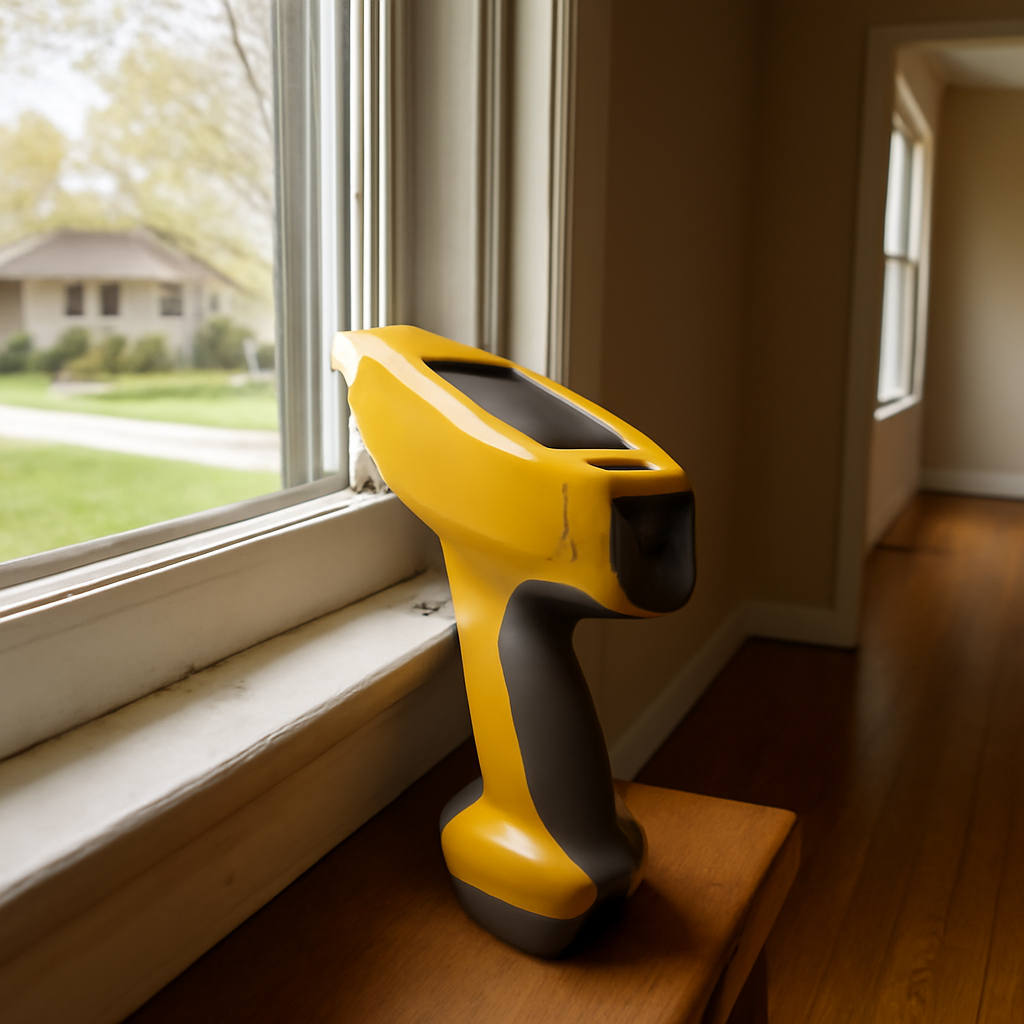
Two main methods dominate residential lead testing. An XRF (X-ray fluorescence) analyzer reads the lead content of painted surfaces in place without damaging them, and paint-chip or dust-wipe samples sent to an accredited laboratory confirm results with quantitative numbers. For families with small children, dust-wipe sampling of floors and window troughs is often the most useful first step, because lead dust, not intact paint, is the most common exposure route. For the broader picture of how lead and asbestos coexist in older housing, our pre-1978 housing hazard guide walks through both.
Understanding why intact paint is less dangerous than deteriorating paint helps frame the risk. A well-maintained painted surface that is not chipping, chalking, or rubbing keeps its lead locked in place, while aging, peeling, or disturbed paint sends fine lead dust into the air and onto floors where toddlers crawl and put hands in their mouths. In a century-old downtown Berthoud home where many coats may have layered newer paint over original lead, friction surfaces like window sashes and door jambs are where that buried lead grinds back into circulation.
Why Berthoud homes need lead testing
Housing era is the driver. Berthoud’s historic downtown holds the town’s concentration of pre-1978 homes, and those early-1900s and mid-century structures are presumed to contain lead-based paint somewhere in their layered finish history unless testing proves otherwise. The new subdivisions, Heron Lakes, Prairie Star, Hammond Farm, are well past the leaded-paint era, so the lead question in Berthoud is overwhelmingly a downtown and older-home concern rather than a town-wide one.
Renovation and restoration activity raise the stakes in exactly those older homes. Berthoud’s historic properties are frequently updated and restored, and each project that sands a window frame, scrapes a door, or strips old trim without lead-safe precautions can spread contaminated dust through a home in an afternoon. Families with young children buying or renovating a downtown Berthoud home are the households most exposed to that risk, and renovation is one of the most common ways stable lead paint becomes airborne dust.
Local conditions add an indirect factor. Berthoud’s freeze-thaw cycles, Chinook winds, and the moisture that collects on window troughs and sills can accelerate paint deterioration on older homes, and cold winters keep any lead dust generated by friction or repair circulating indoors rather than venting outside. None of this creates lead, but each factor can move existing lead from a stable painted surface into the breathing space of an older home, which is why testing the friction surfaces and floor dust matters most.
What a Berthoud lead test covers
A professional lead assessment examines the surfaces and dust most likely to carry lead in a pre-1978 building, documenting the home’s age and the components most at risk.
Paint, dust, and soil pathways
Painted friction and impact surfaces come first: window sashes and troughs, door edges and jambs, stair treads, and porch floors, the components where paint wears and sheds dust. Floor and windowsill dust-wipe samples reveal whether lead has already settled into the living space, the most direct measure of a child’s exposure. In older downtown Berthoud homes with bare-soil yards, soil near the foundation drip line can also carry lead from decades of exterior paint weathering, so a thorough assessment may include a soil sample.
XRF analysis versus laboratory samples
An XRF analyzer gives an immediate, non-destructive reading of painted surfaces, efficient for surveying many components, while laboratory dust-wipe and paint-chip analysis returns quantitative numbers against federal hazard standards and confirms borderline results or documents a clearance after lead-safe work. For a family deciding whether a downtown home is safe for a toddler, the combination of an XRF survey plus targeted dust wipes usually answers the question with confidence. The regional context appears in our guide to lead testing in Larimer County.
Lead testing cost in Berthoud
A focused lead inspection or risk assessment in the Berthoud market typically runs from roughly $300 to $600 depending on the size of the home and the number of surfaces and samples involved. A simple set of dust-wipe samples sent to a lab can cost less, while a full whole-home XRF survey with a written risk-assessment report sits at the higher end. DIY swab kits sold at hardware stores cost only a few dollars but give a presence-or-absence screen, not a quantitative result, and they miss lead dust entirely.
Weigh the cost against what it protects. Childhood lead exposure causes irreversible neurological harm, and the CDC stresses that prevention is far cheaper and more effective than treating an elevated blood-lead level after the fact. For a family buying or renovating an older downtown Berthoud home, a few hundred dollars spent confirming that window troughs and floors are clean is small against the lifetime stakes for a child. Pairing lead testing with asbestos testing during a renovation often makes sense, since the same pre-1980 homes frequently carry both hazards.
The choice between a DIY swab and a professional assessment comes down to purpose. A hardware-store swab can confirm that a suspect surface contains lead, occasionally useful before a small repair, but it cannot tell a parent whether lead dust has already reached the floor where a child plays. For any decision affecting a child’s environment, the professional dust-wipe and XRF assessment is the standard because it measures actual exposure pathways and produces documentation a buyer, contractor, or seller can act on.
Berthoud regulations and disclosure
Federal rules govern lead in housing regardless of city. Under the EPA and HUD Lead Disclosure Rule, sellers and landlords of most pre-1978 housing must disclose known lead-based paint and hazards, provide any available reports, and give buyers and tenants the federal lead-hazard pamphlet. The EPA Renovation, Repair, and Painting (RRP) Rule requires contractors who disturb paint in pre-1978 homes and child-occupied facilities to be certified and to follow lead-safe work practices. Colorado follows these frameworks, and the state seller’s property disclosure asks about known lead conditions.
Disclosure shapes buying and renovating in Berthoud’s historic core, where so much stock predates 1978. A seller who has tested and can document a home as lead-safe offers real reassurance to a family with children, while one who has never tested leaves the question open. Buyers of older downtown homes should not waive the federal 10-day lead inspection opportunity the disclosure rule grants them; it is a low-cost window to confirm the condition of a century-old property before committing.
Neighborhoods and areas served
Lead risk in Berthoud tracks building age and centers on Historic Downtown Berthoud and the older homes around the core, where early-1900s and mid-century pre-1978 stock is concentrated. The newer subdivisions, Heron Lakes, Prairie Star, Hammond Farm, and Vantage, are past the leaded-paint era and generally not a lead concern. Service typically extends to adjacent Loveland, Longmont, Johnstown, Mead, and Campion, which share the same mix of historic and new housing.
Because lead risk follows construction date, the testing focus in Berthoud falls squarely on the downtown and older homes rather than the new subdivisions. A family buying or renovating a century-old downtown property faces a far higher likelihood of encountering lead paint than someone in a 2020 build, which is why the age of the home, not its neighborhood alone, determines whether lead testing is warranted across the Berthoud area.
How to choose a Berthoud lead testing provider
Choose an EPA or state-certified lead inspector or risk assessor who uses a calibrated XRF analyzer alongside accredited-lab dust and paint analysis. A good assessor documents the home’s age, the components tested, and the results against federal hazard standards so the report stands up for a buyer, seller, or RRP-certified contractor. Confirm they collect floor and windowsill dust wipes, not just paint readings, because dust is the exposure route that matters most for children.
For renovation work in an older downtown Berthoud home, confirm that any contractor disturbing paint is RRP-certified and follows lead-safe practices, since improper sanding or scraping is one of the fastest ways to create a hazard where none existed. If a result comes back borderline, a competent assessor explains the options, including a clearance test after lead-safe repairs, rather than pushing unnecessary full abatement, which can needlessly damage a historic home’s original features.
Finally, ask for a written report with the laboratory results and XRF readings against federal standards. In Berthoud’s market of frequently restored historic homes, that documentation supports honest disclosure in a sale, guides safe renovation, and gives a family confidence that the older home they are moving into is safe for children rather than a hidden source of exposure.
Renovating a historic Berthoud home safely
Berthoud’s downtown is a place where people lovingly restore old homes, and renovation is exactly where lead risk turns from latent to active. Sanding, scraping, and demolition in a pre-1978 home can release lead dust throughout the living space in a single afternoon, contaminating floors, furniture, and the air a family breathes. The EPA’s Renovation, Repair, and Painting Rule exists precisely for this reason, requiring certified contractors to contain the work area, control dust, and clean up to verifiable standards when disturbing painted surfaces in older homes.
For a homeowner planning their own work, lead-safe practices matter just as much. Wetting surfaces before sanding, using HEPA-filtered vacuums, sealing off the work area with plastic, and cleaning thoroughly afterward all limit the dust that does the harm. Dry sanding or power-sanding old paint without containment is the single most damaging thing a do-it-yourself renovator can do in a downtown Berthoud home. Testing the surfaces first tells a homeowner exactly where these precautions are essential, so restoration enhances the home without quietly poisoning it.
A clearance test after the work confirms the home is safe to reoccupy. Dust-wipe sampling of floors and sills after a renovation verifies that lead dust was actually controlled rather than merely assumed to be, which is the final step that protects a family returning to a freshly restored space. For Berthoud’s frequently renovated historic homes, that test-renovate-safely-and-verify sequence is what allows owners to preserve century-old character while meeting the modern standard of a lead-safe home for children.
References
- Lead in paint, dust, and soil — U.S. Environmental Protection Agency
- Lead disclosure and healthy homes — U.S. Department of Housing and Urban Development
- Childhood lead poisoning prevention — Centers for Disease Control and Prevention
In Berthoud’s historic downtown and older homes, testing for lead before children move in or before a renovation begins is basic protection, not overcaution. To connect with a vetted local lead assessor, reach out through our contact page.