Asbestos Testing in Berthoud, Colorado | InspectandTest
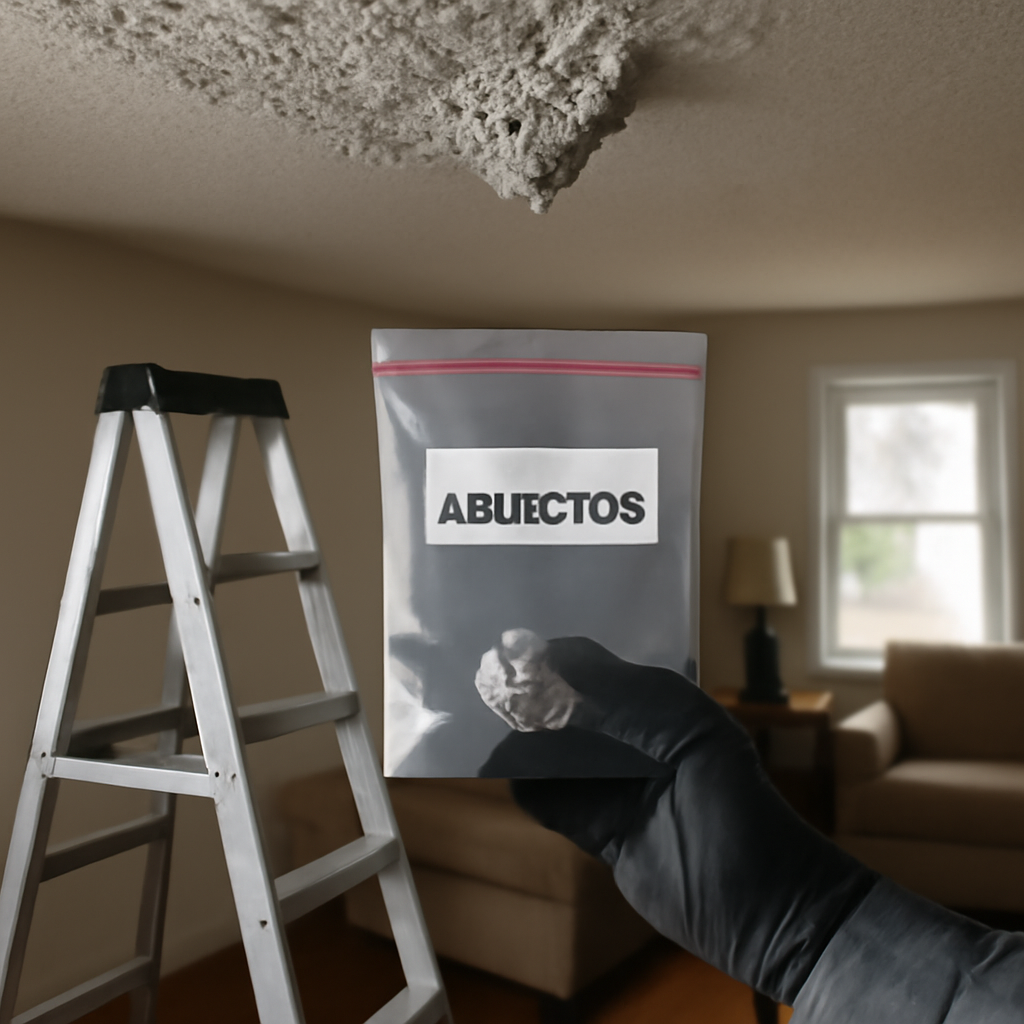
Berthoud, the “Garden Spot of Colorado,” carries a walkable early-1900s historic downtown alongside heavy new subdivision growth, set in Larimer County farm country between Loveland and Longmont. That historic core, along with the town’s mid-century homes, means a meaningful share of older Berthoud buildings were constructed when asbestos was a standard ingredient in dozens of building materials. Asbestos was used widely in residential construction well into the late 1970s and lingered in some products into the 1980s, so any pre-1980 Berthoud home can hold it. This page explains what asbestos testing berthoud homeowners should know, where asbestos hides locally, and what testing costs. This summary reflects EPA, OSHA, and Colorado guidance current as of 2026; consult a certified professional before disturbing suspect materials.
Is this mold, asbestos, or water damage? Get a free instant screen
Upload a clear photo of the suspect area. You'll get an instant AI screening opinion and what to do next. This is screening guidance, not a professional determination.
Screening guidance only. AI can be wrong. Confirm asbestos, mold type, or lead with lab testing or a licensed professional before acting.
Asbestos testing in Berthoud: what to know
Asbestos testing means collecting a small sample of a suspect material and sending it to an accredited laboratory that uses microscopy to confirm whether asbestos fibers are present and at what concentration. The key fact about asbestos is that it is dangerous only when disturbed: intact, undisturbed asbestos-containing material generally poses little risk, but cutting, sanding, drilling, or demolishing it releases microscopic fibers that, once inhaled, are linked to mesothelioma and other serious lung diseases. That is why testing matters most before a renovation, not after a problem appears.
Because the hazard comes from disturbance, the trigger for testing is usually a planned project: remodeling a downtown Berthoud home, removing old flooring, scraping a popcorn ceiling, or replacing pipe insulation. A certified inspector identifies suspect materials, collects samples safely, and the lab confirms whether asbestos is present so the work can proceed correctly. For the broader picture of how asbestos and lead sit together in older housing, our pre-1978 housing hazard guide covers both hazards in plain language.
It is worth emphasizing that homeowners should not collect asbestos samples themselves. Breaking a suspect material to grab a piece is exactly the disturbance that releases fibers, so sampling is a job for a trained professional who uses proper containment and protective equipment. The age of a Berthoud building, not its appearance, is the best first indicator: in a pre-1980 home, a wide range of materials should be treated as suspect until tested.
Why Berthoud homes may need asbestos testing
Building age and the town’s historic character are the drivers. Berthoud’s early-1900s downtown buildings and its mid-century homes were built and repeatedly renovated during the decades when asbestos was standard, so they can contain it in original materials and in mid-century repairs layered on top. The “Garden Spot” downtown’s older commercial and residential structures, and the modest homes around the core, are exactly the stock most likely to hold asbestos somewhere in their construction history.
Renovation activity is what turns that latent presence into a real exposure risk. Berthoud’s historic homes are frequently remodeled, updated, and restored, and each project that opens walls, removes flooring, or strips ceilings risks disturbing asbestos-containing material. A homeowner sanding old vinyl floor tile, scraping a textured ceiling, or tearing out aging pipe wrap can release fibers throughout a home in an afternoon without knowing it, which is why pre-renovation testing is the responsible default in older Berthoud properties.
Local conditions add context. Berthoud’s freeze-thaw cycles and Chinook winds age and crack building materials over time, and some older downtown structures have seen decades of patchwork repair that mixed eras and materials. Even the new subdivision homes can be affected indirectly when older properties nearby are demolished or renovated. The practical rule is simple: in any Berthoud building constructed before 1980, suspect materials should be tested before they are disturbed, because the age, not the look, determines the risk.
What a Berthoud asbestos test covers
A certified asbestos inspector surveys the home for suspect materials, collects samples safely, and submits them to an accredited laboratory for analysis.
Where asbestos commonly hides
In older Berthoud homes, suspect materials include vinyl floor tile and the mastic beneath it, sheet flooring, textured “popcorn” ceilings, pipe and duct insulation, joint compound and drywall texture, plaster, roofing and siding materials, and old window glazing. An inspector targets the materials relevant to the planned project, since a flooring remodel and a ceiling scrape involve different suspect components.
Sampling and laboratory analysis
The inspector collects small samples under controlled conditions, using wetting and containment to avoid releasing fibers, and the lab analyzes them, typically by polarized light microscopy, to confirm presence and concentration. Results then guide the project: if asbestos is found, the material is either left undisturbed or removed by a licensed abatement contractor. Many Berthoud homeowners pair this with lead testing in Berthoud, since the same pre-1980 homes often carry both hazards, and review the regional context through our guide to asbestos testing in Larimer County.
Asbestos testing cost in Berthoud
Asbestos testing in the Berthoud market is typically priced per sample plus an inspection or service fee. Individual laboratory samples often run about $30 to $100 each, and a focused inspection with several samples commonly totals $300 to $600 depending on the number of materials and the size of the project. A whole-home survey before a major renovation, with many samples, sits toward the higher end.
Weigh the cost against the stakes. Asbestos-related diseases like mesothelioma are incurable and develop decades after exposure, and OSHA and the EPA treat fiber release as a serious health hazard. A few hundred dollars spent confirming whether a downtown Berthoud home’s flooring or ceiling contains asbestos before a remodel is small against the cost, financial and human, of an uncontrolled fiber release that contaminates a home and exposes a family and contractors.
Testing also controls renovation cost and risk. Knowing in advance whether a material contains asbestos lets a homeowner plan the project correctly, either leaving intact material undisturbed or budgeting for licensed abatement, rather than discovering the problem mid-demolition and facing emergency cleanup. In a town where historic homes are frequently renovated, that planning value is part of why pre-project testing is worth its modest cost.
Berthoud regulations and disclosure
Colorado regulates asbestos through the state health department, and asbestos abatement in Colorado must be performed by state-certified contractors when amounts exceed defined trigger levels. The EPA and OSHA set federal standards for handling and worker protection. For Berthoud renovations, this means a homeowner generally must use certified professionals for both inspection and any abatement beyond the smallest quantities, and disturbing regulated amounts without proper procedure can carry penalties as well as health risk.
Colorado’s seller’s property disclosure asks sellers to report known asbestos, so a documented test result supports honest disclosure in a transaction. For buyers of older Berthoud homes, confirming the asbestos status of suspect materials before purchase, or at least before any planned renovation, prevents an expensive surprise. Because the state requires certified handling, working with a credentialed inspector from the start keeps a project compliant rather than risking a stop-work situation later.
Neighborhoods and areas served
Asbestos testing demand in Berthoud centers on Historic Downtown Berthoud and the older homes around the core, where early-1900s and mid-century construction is concentrated, along with any pre-1980 properties scattered through the surrounding area. Newer subdivisions like Heron Lakes, Prairie Star, and Hammond Farm are generally past the asbestos era, though renovation of nearby older structures can still be a consideration. Service typically extends to adjacent Loveland, Longmont, Johnstown, Mead, and Campion.
Because asbestos risk tracks building age, the testing focus in Berthoud falls on the historic downtown and older homes rather than the new subdivisions. A homeowner renovating a century-old downtown property faces a far higher likelihood of encountering asbestos than someone updating a 2020 build, which is why the age of the structure, not its neighborhood alone, determines whether pre-project testing is warranted across the Berthoud area.
How to choose a Berthoud asbestos testing provider
Choose a Colorado-certified asbestos inspector who collects samples safely using wetting and containment, submits them to an accredited laboratory, and explains which materials are suspect for your specific project. A good inspector targets sampling to the planned work rather than over-sampling, and is clear that intact, undisturbed material may be safest left in place rather than removed unnecessarily.
Confirm that testing is kept appropriately separate from abatement, or that any abatement is performed by a separately certified contractor following state procedures, so a homeowner is not steered into unnecessary removal. A credible provider explains the options, leave it, encapsulate it, or abate it, based on the material’s condition and the project, and references the Colorado trigger levels that determine when certified abatement is legally required.
Finally, ask for a written report with the laboratory results identifying which materials contain asbestos and at what concentration. In Berthoud’s market of frequently renovated historic homes, that documentation lets a homeowner plan the renovation correctly, supports accurate disclosure in a sale, and gives any abatement contractor the information needed to handle regulated materials safely and legally.
Leave it, encapsulate it, or remove it
A common misconception is that confirmed asbestos always means removal, but that is rarely the best first answer. The EPA’s guidance is that intact, undisturbed asbestos-containing material often poses little risk and may be safest left in place, since removal itself disturbs the material and can release fibers if done improperly. For a Berthoud homeowner, a positive test on a stable, well-bonded material like intact floor tile under newer flooring may call for nothing more than leaving it undisturbed and noting its presence for future work.
Encapsulation is the middle option. Where a material is in good condition but might be bumped or worn over time, sealing or covering it, encapsulating pipe insulation, or installing new flooring over intact asbestos tile, can lock the fibers in place without the disruption of full removal. This approach is often more practical and less expensive than abatement for a historic Berthoud home, and it preserves original materials while controlling the hazard. The decision depends on the material’s condition and whether a planned renovation will disturb it.
Removal, or abatement, becomes the answer when the material is damaged, deteriorating, or directly in the path of a renovation. In Colorado, abatement above defined trigger levels must be performed by state-certified contractors using containment, negative air pressure, and proper disposal, which is both a legal requirement and a genuine safety measure. For a downtown Berthoud remodel that will tear out asbestos-containing flooring or ceiling texture, professional abatement is not optional, and budgeting for it early, once testing confirms the material, keeps the project compliant and the household safe rather than triggering an emergency mid-demolition.
Timing the test before the contractor arrives is what makes these options available. A homeowner who tests a downtown Berthoud home weeks ahead of a planned remodel can weigh leave-it, encapsulate, and abate calmly, line up a certified abatement contractor if needed, and design the project around what the lab found. A homeowner who skips testing and discovers suspect material mid-demolition faces a stopped project, a contaminated work area, and the expense of emergency cleanup. In a town where historic homes are renovated constantly, that difference, planning around a known result versus reacting to an uncovered surprise, is the strongest practical argument for testing first.
References
- Asbestos in homes and renovations — U.S. Environmental Protection Agency
- Asbestos standards and worker protection — Occupational Safety and Health Administration
- Colorado asbestos regulations — Colorado Department of Public Health and Environment
Before renovating an older Berthoud home, confirming whether suspect materials contain asbestos protects your family and your contractors from an avoidable fiber release. To connect with a vetted, certified Front Range asbestos professional, reach out through our contact page.