Home Inspection in Littleton, Colorado | InspectandTest
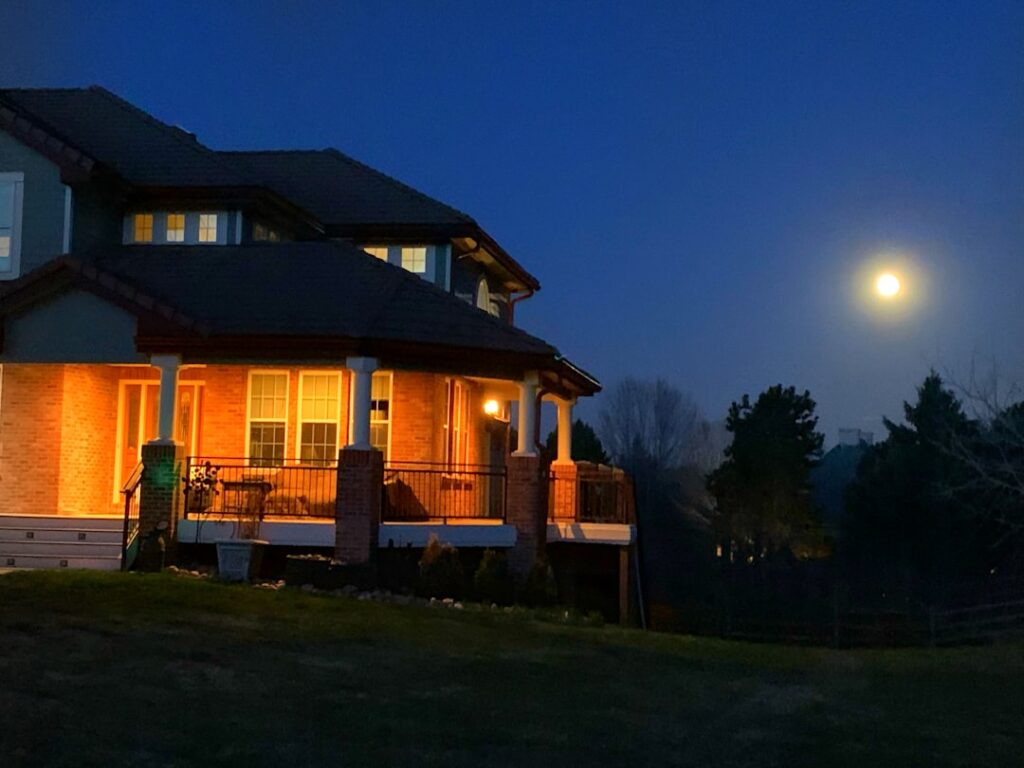
Littleton’s housing runs the full range, from brick Victorians near Historic Downtown to mid-century ranches in Ketring and newer builds toward Ken Caryl, and that variety is exactly why a thorough home inspection matters here. Spread across Arapahoe, Jefferson, and Douglas counties along the South Platte River, the city presents inspectors with everything from aging plaster and original wiring to tightly sealed modern construction. A home inspection littleton buyers commission is a top-to-bottom evaluation of a property’s condition before they commit. This page explains what a local inspection covers, what it costs, and how to choose a qualified inspector for the Front Range.
Part of our Home Inspections Explained guide — start there for the full picture →
Home inspection in Littleton: what to know
A home inspection is a visual, non-invasive evaluation of a home’s major systems and structure: roof, foundation, framing, electrical, plumbing, HVAC, insulation, and built-in appliances. The inspector documents defects, safety issues, and items nearing the end of their service life, then delivers a written report with photos. It is a snapshot of condition, not a pass-fail test or a code-compliance audit.
In Littleton, the inspection has to account for a wide age range. A 1900s downtown home and a 2005 Ken Caryl home have entirely different failure points, so a good inspector adjusts focus accordingly. For the full picture on what to expect and how to vet a professional, our buyer’s guide to hiring a home inspector on the Front Range covers the process end to end.
The inspection is most valuable during the purchase contingency, when a buyer still has the leverage to negotiate repairs or walk away. It also serves current owners planning major maintenance and sellers who want to address issues before listing. The deliverable is information, and that information drives the next decision.
A growing number of Littleton sellers order a pre-listing inspection of their own. Having the home inspected before it goes on the market lets a seller fix or disclose issues on their own terms, price the home realistically, and avoid the renegotiation that follows a buyer’s inspection surprise. For an older downtown home with predictable age-related findings, a pre-listing inspection can smooth the entire transaction by putting the home’s condition on the table from the start. The same thorough walk-through serves both sides of the deal; only the timing and the audience differ.
Why Littleton homes need a thorough inspection
Housing age is the first reason. The pre-1978 homes around Historic Downtown can carry knob-and-tube or early wiring, galvanized plumbing, original windows, and plaster walls that hide moisture damage. A general inspection flags these conditions and points toward specialist follow-up, including the lead-paint and asbestos concerns common in that era.
Local environmental factors add specific concerns. Littleton sits in EPA Radon Zone 1, so finished-basement homes warrant radon testing as part of due diligence, which buyers can arrange through our coverage of radon testing in Littleton. The South Platte River corridor raises moisture and basement-water risk in lower-lying neighborhoods, so a Littleton inspector pays close attention to grading, drainage, and signs of past water intrusion.
Colorado’s climate is the third driver. Intense sun degrades roofing faster than in milder climates, hail is a recurring threat to roofs and siding, and freeze-thaw cycles stress foundations and exterior surfaces. An inspector who knows the Front Range looks specifically for hail bruising on shingles, foundation cracking from expansive soils, and the wear that high-altitude UV inflicts on exterior materials.
Expansive clay soils deserve special mention in Littleton. Parts of the Front Range sit on bentonite-rich clay that swells when wet and shrinks when dry, and that movement can crack foundations, heave basement slabs, and rack door frames over time. An inspector evaluating a Littleton home looks for the telltale signs, stair-step cracks in masonry, sticking doors, sloping floors, and separation at wall-ceiling joints, and distinguishes cosmetic settling from movement that warrants a structural engineer. This is one area where local experience genuinely changes what an inspector notices.
Hail history is also worth understanding here. The Front Range sees some of the most frequent and damaging hail in the country, and a Littleton roof that looks fine from the ground may carry bruising that shortens its life and can support an insurance claim. An inspector who knows what hail damage looks like on different roofing materials can flag a roof nearing the end of its service life, which is often one of the most expensive items a buyer needs to plan for.
What a Littleton home inspection covers
A standard inspection follows a recognized standards of practice and walks every accessible system. The inspector evaluates the roof and attic, exterior cladding and grading, foundation and structure, electrical panel and outlets, plumbing supply and drainage, heating and cooling, water heater, and interior finishes, doors, and windows.
Structure, roof, and moisture
In Littleton the inspector checks the roof for hail and UV damage, the attic for ventilation and insulation, and the foundation for cracking tied to expansive Front Range soils. Near the South Platte corridor, drainage and basement-moisture signs get extra scrutiny, since a wet basement here often traces to grading or a high water table.
Systems and safety
Electrical and plumbing get close attention in older downtown homes, where outdated panels and galvanized pipe are common. The inspector tests representative outlets and fixtures, checks the furnace and water heater for age and safety, and notes any condition that could be a hazard or a near-term expense.
Home inspection cost in Littleton
A standard home inspection in the Littleton market typically runs about $350 to $600, with price driven mainly by square footage, age, and add-on services. Larger homes, older downtown properties, and homes with detached structures or crawl spaces sit at the higher end. Add-ons like radon testing, sewer scoping, or mold sampling carry separate fees but are often more affordable when bundled.
That fee is modest against the purchase it informs. An inspection that surfaces a failing furnace, a compromised roof, or foundation movement gives a buyer the leverage to renegotiate or the information to walk away, easily saving many times the inspection cost. Skipping the inspection to win a competitive offer can mean inheriting expensive, hidden problems.
For an older Historic Downtown home, budget for likely specialist follow-up. A general inspection that flags possible asbestos, lead paint, or a sewer-line concern points the buyer toward targeted testing, and planning for those add-ons up front keeps the due-diligence timeline on track.
Colorado regulations and disclosure
Colorado does not license home inspectors, which means the credential bar is set by the inspector, not the state. Reputable Littleton inspectors hold certification through InterNACHI or ASHI and follow those organizations’ standards of practice. Because there is no state license, vetting an inspector’s training, sample reports, and insurance matters more here than in licensed states.
Colorado’s Seller’s Property Disclosure requires sellers to report known material defects, but a disclosure is not a substitute for an independent inspection. The disclosure reflects what the seller knows; the inspection reveals what a trained professional finds. Buyers should treat the two as complementary and rely on the inspection for an objective condition assessment.
A home inspection is intentionally non-invasive, and understanding that limit shapes realistic expectations. The inspector evaluates what is visible and accessible, but does not open walls, move heavy furniture, or dig up the yard, so genuinely concealed defects can escape even a thorough inspection. That is why a good Littleton inspector recommends targeted follow-up, a sewer scope, a radon test, an asbestos or lead assessment, when the home’s age or condition raises a specific question the visual inspection cannot answer. The inspection is the map that tells a buyer where deeper investigation is worth the cost.
Newer construction is not automatically problem-free, a point worth making for buyers looking toward Ken Caryl and other later developments. Production homes built quickly can carry workmanship issues, improper grading that directs water toward the foundation, missed flashing details, or rushed finish work, that surface only after a few seasons. An inspector who has seen the common shortcuts of Front Range tract building knows where to look, and a buyer of a newer Littleton home benefits from that scrutiny as much as a buyer of a century-old downtown property does.
Neighborhoods and areas served
Inspectors serve Littleton’s full range of housing. Historic Downtown and the surrounding blocks bring older brick and Victorian homes with age-related systems. Ketring, Highland, and Columbine hold mid-century ranches, many with finished basements that warrant radon and moisture attention. Newer construction toward Ken Caryl shifts the focus to builder defects, drainage, and tight-envelope ventilation.
Service typically extends to adjacent Ken Caryl, Columbine, Highlands Ranch, and Centennial, all sharing the same Front Range climate stresses of hail, intense sun, and freeze-thaw. Buyers comparing a standalone inspection with a pre-purchase package can review our guidance on pre-purchase inspection in Littleton to decide what scope fits their transaction.
Littleton’s topography varies enough that drainage deserves neighborhood-specific attention. Homes on the slopes rising away from the South Platte may shed water well but face their own runoff and grading challenges, while properties in the flatter, lower areas near the river corridor are more prone to standing water and basement seepage. An inspector familiar with the city reads the lot, the grading, and the gutter and downspout layout against the home’s position, because a drainage problem that is trivial on a well-drained lot can be chronic on a low-lying one. That contextual judgment is part of what a knowledgeable local inspection provides.
How to choose a Littleton home inspector
Because Colorado does not license inspectors, vet credentials yourself. Look for InterNACHI or ASHI certification, errors-and-omissions and general-liability insurance, and a sample report that is detailed, photo-rich, and readable rather than a generic checklist. Ask how many inspections the person performs and whether they have experience with both older downtown homes and newer construction.
Confirm the inspector welcomes your attendance. Walking the home with the inspector lets a buyer see issues firsthand and ask questions in context, which a written report alone cannot match. Ask about turnaround time on the report, since tight contingency windows leave little room for delay.
Clarify scope and add-ons up front. A Littleton buyer often wants radon testing and may want sewer scoping on an older home, so confirm what the base fee includes and what costs extra. An inspector who explains the limits of a visual inspection and recommends specialist testing when warranted is giving honest guidance rather than overselling.
Sewer scoping deserves particular attention on older Littleton homes. Properties near Historic Downtown may have clay or cast-iron sewer laterals that are decades old, prone to root intrusion from mature street trees, cracking, or collapse, and a failed sewer line is among the most expensive surprises a buyer can inherit. A camera scope of the lateral from the home to the city main reveals the line’s condition before closing, and on an older home it is often money far better spent than skipped. Many Littleton inspectors offer it as an add-on or partner with a company that does.
References
- Residential standards of practice — International Association of Certified Home Inspectors
- Home inspection standard of practice — American Society of Home Inspectors
- Radon risk and EPA zone maps — U.S. Environmental Protection Agency
Frequently asked questions
How much does a home inspection cost in Littleton?
A standard inspection typically runs $350 to $600, driven by square footage, age, and add-ons. Larger or older downtown homes and add-ons like radon testing or sewer scoping push the total higher.
Are home inspectors licensed in Colorado?
No. Colorado does not license home inspectors, so the credential bar is set by the inspector. Look for InterNACHI or ASHI certification, insurance, and a detailed sample report when vetting a Littleton inspector.
Should a Littleton inspection include radon testing?
Often yes. Littleton sits in EPA Radon Zone 1, so radon testing is recommended due diligence, especially for finished-basement homes. It is usually more affordable when bundled with the inspection.
Does a seller's disclosure replace a home inspection?
No. Colorado's disclosure reports only what the seller knows about material defects, while an independent inspection reveals what a trained professional finds. Buyers should treat the two as complementary.
Before you commit to a Littleton home, get an objective read on its true condition. Reach out through our contact page to connect with a vetted Front Range inspector who knows the local housing and climate.