Home Inspection in Golden, Colorado | InspectandTest
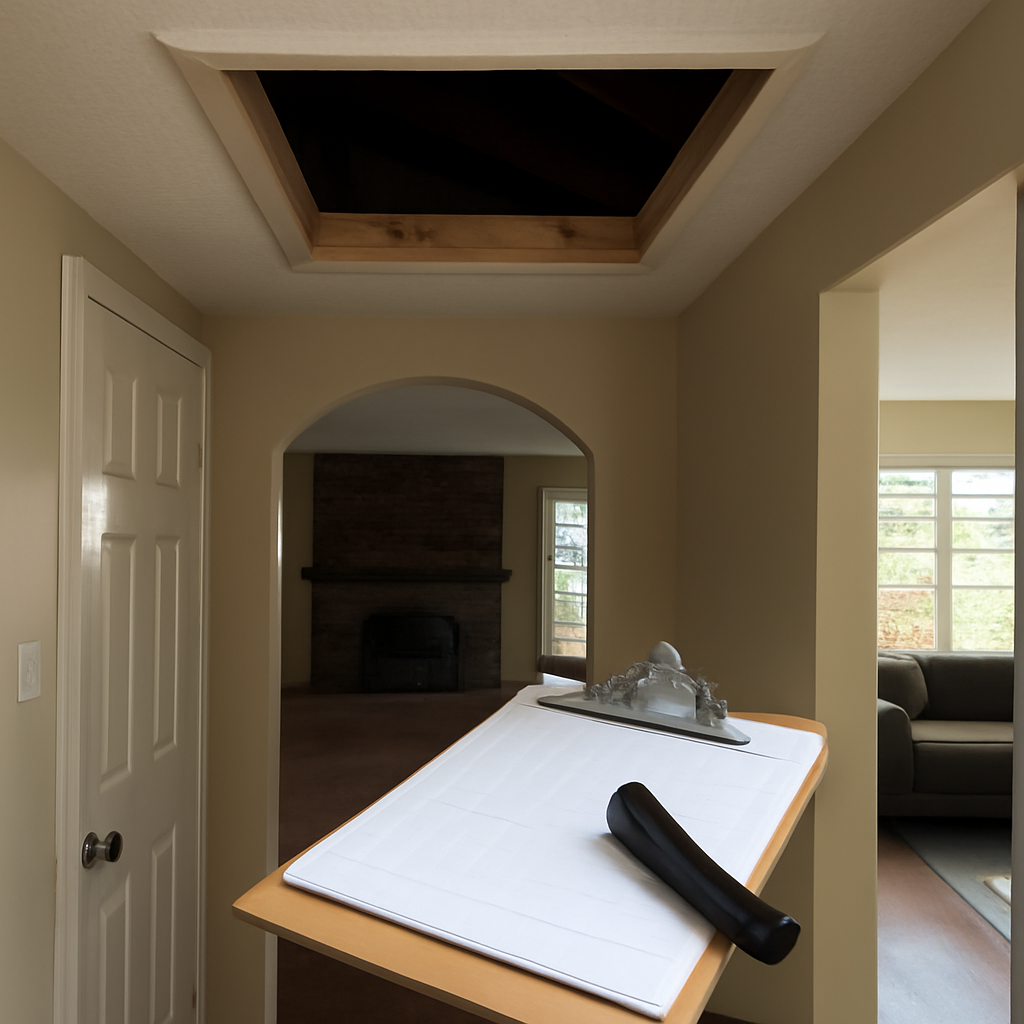
Golden, the Jefferson County seat at the base of the foothills, blends a historic Gold Rush-era downtown founded in 1859 with newer foothills developments and homes near the Clear Creek corridor. Its housing ranges from pre-1900 brick and frame to modern hillside builds, each with distinct inspection priorities. A home inspection is an independent, top-to-bottom evaluation of a property’s condition before you buy. This page explains what a home inspection golden buyers should expect, what local conditions deserve attention, and what it costs. The guidance here is educational; engage a qualified inspector for any specific property.
Home inspection in Golden: what to know
A home inspection is a visual, non-invasive examination of a home’s major systems: roof, structure, foundation, electrical, plumbing, heating and cooling, insulation, and built-in appliances. The inspector reports on each system’s condition and flags defects, safety issues, and items needing repair. It is not a pass/fail test or an appraisal; it is information that helps a buyer understand the purchase and negotiate accordingly.
In Golden, an inspection often weighs the aging systems of historic downtown homes against the site and drainage concerns of foothills properties. For buyers new to the process, our buyer’s guide to hiring a home inspector walks through how to find a qualified inspector and what to expect on inspection day, especially useful when evaluating older or hillside homes.
An inspection is a snapshot of a single day. It documents conditions the inspector can see and safely access, not hidden defects behind walls or future failures. That is why a thorough inspector uses moisture meters and thermal cameras to extend what visual inspection reveals, and why a buyer should read the full written report rather than relying on a verbal summary.
Why Golden homes need a thorough inspection
Aging housing is the first driver. Golden’s historic downtown is full of pre-1900-to-pre-1978 homes whose original electrical, plumbing, and structural systems may be near or past their service life. An inspector checks for outdated wiring, galvanized or aging supply lines, foundation movement in old stone and masonry, and the pre-1978 material concerns these homes carry, all things a casual walk-through would miss.
Geology and climate add layers. Golden sits in EPA Radon Zone 1 on uranium-bearing foothills rock that drives some of the metro’s higher radon readings, so a radon test is a common companion to the inspection. The foothills setting brings slope, drainage, and rockfall considerations, while cold winters and freeze-thaw cycles stress roofs and flashing. Homes near the Clear Creek corridor face a higher water table and occasional flood risk worth evaluating.
The mix of old and new housing means the inspection priorities shift by property. A century-old downtown home calls for attention to aging systems and original materials, while a newer foothills build calls for attention to site drainage, slope stability, and construction quality. An independent inspection reads each home against the specific risks its age and location present, which is why a one-size checklist is not enough in Golden.
What a Golden home inspection covers
A standard inspection follows a recognized standards of practice, such as those published by InterNACHI or ASHI, covering the home’s major systems from roof to foundation.
Structure, roof, and exterior
The inspector evaluates the roof covering, flashing, and drainage; the foundation and visible structural elements; grading, slope, and site drainage; and exterior cladding, windows, and doors. In Golden, freeze-thaw roof wear, foothills drainage and slope, and the condition of old masonry and stone foundations in downtown homes are particular points of attention.
Systems and interior
Electrical panels and wiring, plumbing supply and drainage, the furnace and air conditioning, water heater, insulation, ventilation, and interior finishes are all examined, with extra care for the aged systems in historic homes. A thermal camera helps spot hidden moisture or missing insulation, an add-on detailed in our coverage of thermal imaging inspection in Golden. Radon and other specialized tests are usually arranged alongside the inspection.
Home inspection cost in Golden
A standard home inspection in the Golden market typically runs about $400 to $650, depending on the home’s size, age, and complexity. Older downtown homes with aging systems and more to evaluate, and larger foothills properties, sit at the higher end. Add-on services like radon testing, sewer scoping on older homes, or a detailed thermal scan add to the base fee.
Set the cost against the purchase. A few hundred dollars of inspection on a home that may cost hundreds of thousands is modest insurance against buying a property with an undisclosed foundation, roof, electrical, or moisture problem. In Golden, where housing age and foothills geology both raise the odds of significant issues, the inspection is the buyer’s main independent check before committing.
Bundling related services is efficient. Because Golden sits in Zone 1 on higher-radon geology and many homes are old, pairing the inspection with a radon test and, where age warrants, a pre-1978 hazard check gives the buyer one coordinated picture rather than several separate visits. The combined cost is still small against the value of knowing the home’s true condition.
What a home inspection focuses on by Golden neighborhood
A Golden inspection shifts its emphasis with the home’s age and terrain, even though the standards of practice stay constant. In Downtown Golden and North Golden, the inspector’s attention falls on the aging systems of pre-1900-to-pre-1978 homes: remnants of older wiring such as knob-and-tube or ungrounded two-prong circuits, an undersized electrical panel, galvanized or older supply lines that corrode from the inside, foundation movement in old stone and masonry, and the pre-1978 lead-paint and asbestos concerns these homes carry. A buyer who learns during the contingency that a charming downtown home needs a panel upgrade or a repipe can budget or negotiate, rather than discovering it after closing.
The foothills neighborhoods, Genesee, Pleasant View, Mesa Meadows, and the Apex and South Table Mountain areas, call for a site-focused lens. Here the inspection weighs how the lot sheds water, whether grading and drainage direct runoff away from the foundation, and whether slope or retaining features show movement, because Golden’s foothills terrain means two homes of the same age can face very different site risks depending on where they sit on the hillside. A sound structure on a poorly drained slope can still develop foundation and moisture problems over time, so an inspector who reads the lot as carefully as the house gives a foothills buyer the full picture.
Geology and climate cut across both. Golden sits in EPA Radon Zone 1 on uranium-bearing foothills rock that drives some of the metro’s higher readings, so a radon test is a common companion to the inspection regardless of neighborhood. Cold winters and freeze-thaw cycles wear roofs and flashing town-wide, and Clear Creek-corridor homes add a higher water table and flood risk. Matching the inspection’s focus to whether a home is a historic downtown property or a newer foothills build is what gives a Golden buyer the most relevant evaluation.
Colorado regulations and disclosure
Colorado does not license home inspectors, so credentials and standards vary, and buyers should confirm an inspector follows a recognized standards of practice and carries appropriate insurance. The Colorado Seller’s Property Disclosure requires sellers to report known material defects, but it does not replace an independent inspection, since sellers disclose only what they know, which can be limited in a home that has changed hands many times over a century.
For Golden buyers, the inspection contingency in a purchase contract is the window to evaluate the home and negotiate repairs or credits based on findings. Because the state does not license inspectors, vetting an inspector’s certification, sample reports, and experience with historic and foothills homes matters more here. The disclosure and the inspection work together: disclosure tells you what the seller knows, the inspection tells you what an expert sees.
Neighborhoods and areas served
Home inspection demand in Golden spans the historic core and the foothills. Downtown Golden and North Golden’s older homes call for attention to aging systems and pre-1978 materials, while Pleasant View, Genesee, Mesa Meadows, and the Apex and South Table Mountain areas raise foothills-drainage, slope, and radon-geology concerns. Clear Creek-corridor properties warrant attention to water table and flood risk. Service typically extends to adjacent Lakewood, Arvada, Wheat Ridge, and Morrison.
Because Golden sits in Jefferson County at the foothills edge, an inspector works across a wide range of home ages and terrains, but the core concerns, aging systems in old homes, radon on uranium-bearing rock, freeze-thaw wear, and foothills drainage, recur across the city. The neighborhood mostly changes which of these dominates for a given home, not whether an inspection is worthwhile.
How to choose a Golden home inspector
Look for certification through InterNACHI or ASHI, errors-and-omissions and general liability insurance, and a sample report you can review before hiring. A good inspector welcomes you to attend, explains findings in plain language, and produces a detailed written report with photos. Experience with Golden’s historic downtown homes and foothills properties is a real plus given how different their issues are.
Ask what tools and add-ons the inspector offers. Moisture meters and thermal imaging extend what a visual inspection catches, and the ability to coordinate radon testing in a Zone 1 town on higher-radon geology is valuable. For a purchase specifically, our coverage of pre-purchase inspection in Golden explains how the inspection fits the transaction timeline and contingency.
Be wary of an inspector who rushes, skips the attic, crawl space, or basement, or hands over a checklist without explanation. In a town with so many old homes, thoroughness and clear communication are the entire value, so a slower, more communicative inspector who documents everything is worth more than the cheapest or fastest option.
Ask how the inspector handles aging electrical and plumbing in historic homes. Many of Golden’s downtown houses still carry remnants of older wiring, knob-and-tube, ungrounded two-prong circuits, or an undersized panel, and galvanized or even older supply lines that corrode from the inside. An inspector experienced with century-old homes knows where these systems hide and what their presence means for safety, insurability, and renovation cost. A buyer who learns during the contingency that a charming downtown Golden home needs a panel upgrade or a repipe can budget or negotiate accordingly, rather than discovering it after closing.
Factor in the foothills site, not just the structure. For homes in Genesee, the Apex area, or along the South Table Mountain slopes, the inspection should weigh how the site sheds water, whether grading and drainage direct runoff away from the foundation, and whether slope or retaining features show movement. Golden’s foothills terrain means two homes of the same age can face very different site risks depending on where they sit on the hillside. An inspector who reads the lot as carefully as the house gives a foothills buyer the full picture, since a sound structure on a poorly drained slope can still develop foundation and moisture problems over time.
References
- Standards of Practice for home inspectors — International Association of Certified Home Inspectors
- Finding a qualified home inspector — American Society of Home Inspectors
- Radon and home transactions — U.S. Environmental Protection Agency
Buying in Golden means weighing historic charm against aging systems and foothills geology, and an independent inspection is your best protection. To connect with a vetted local inspector who knows old and foothills homes, reach out through our contact page.