Home Inspection in Northglenn, Colorado | InspectandTest
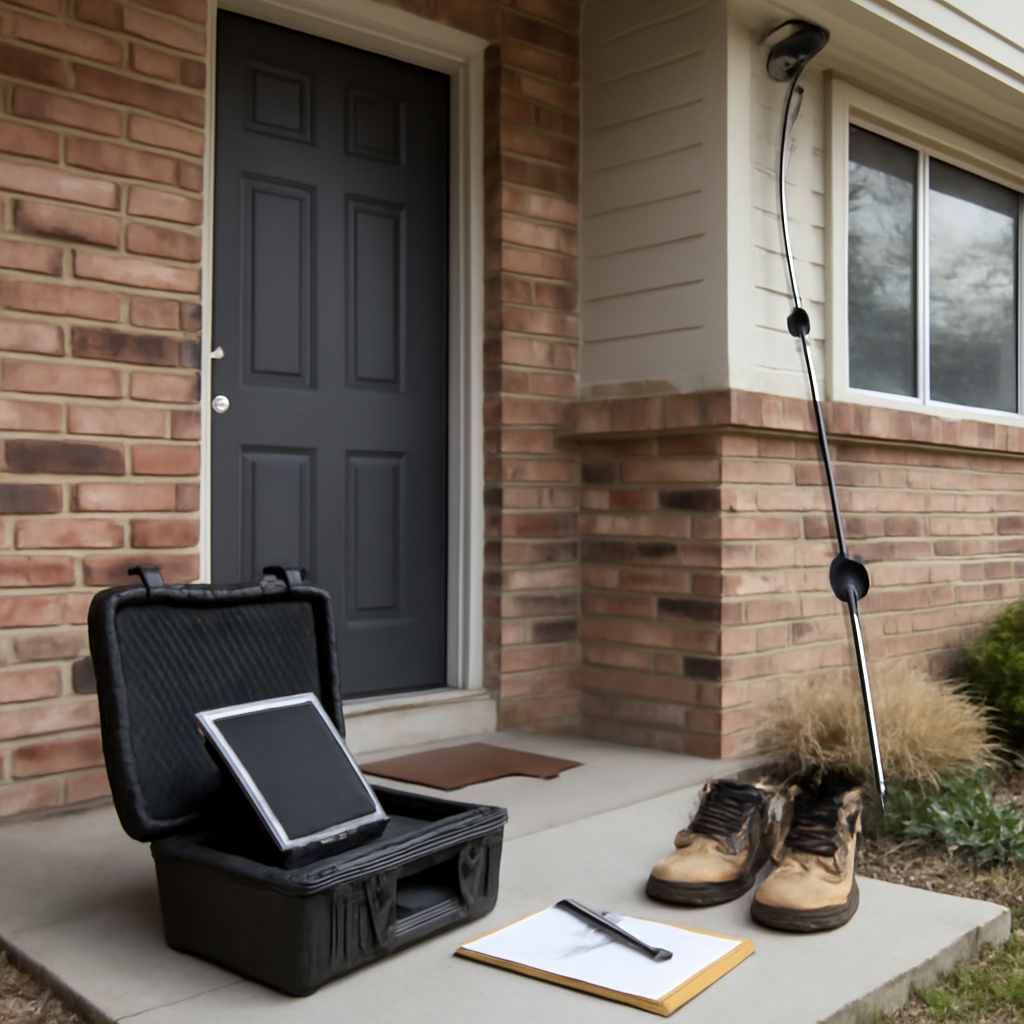
A home inspection northglenn buyers commission is a top-to-bottom evaluation of a property’s condition before they commit to the purchase. Northglenn’s housing stock, built quickly during the suburb’s planned post-war boom in the 1950s and 1960s, brings specific things to watch: aging slab-and-basement foundations, evaporative coolers, original electrical and plumbing, and the radon risk that comes with sitting in EPA Zone 1. This page explains what a Northglenn home inspection covers, what it costs locally, and how to choose an inspector. A general inspection is visual and non-invasive; specialized concerns like radon, mold, or asbestos call for dedicated testing covered on our related pages.
Part of our Home Inspections Explained guide — start there for the full picture →
Home inspection in Northglenn: what to know
A home inspection is a visual, non-invasive assessment of a home’s major systems and structure: roof, foundation, framing, electrical, plumbing, heating and cooling, insulation, and the visible interior and exterior. The inspector produces a written report flagging defects, safety issues, and items nearing the end of their service life, so a buyer understands what they are taking on.
The value of the inspection rises with the age of the home, and most of Northglenn qualifies. A newer build might reveal little beyond minor punch-list items, but a 1950s or 1960s home has had time to accumulate deferred maintenance, dated systems, and the quiet consequences of settling. For Northglenn’s older stock, the inspection is where decades of wear surface. Our broader guide to hiring a home inspector on the Front Range explains how the process fits into a purchase. An inspection is not a pass-fail test and not a code compliance check; it is a snapshot of condition to inform negotiation and planning.
What an inspection does not do is open walls or guarantee hidden systems. It is non-invasive by design. That is why specialized risks common in Northglenn, radon in finished basements, mold around swamp coolers, asbestos and lead in pre-1978 materials, are handled by dedicated tests the inspector can recommend or coordinate.
Setting expectations this way protects buyers from disappointment. An inspection is a thorough visual evaluation by a trained generalist, not a guarantee that nothing will ever go wrong, and it cannot predict a failure inside a sealed wall or under a slab. What it does deliver is an informed, documented picture of condition on the day of the inspection, with the inspector flagging where deeper investigation, a radon test, a sewer scope, an asbestos sample, is warranted. For a Northglenn buyer, understanding that boundary makes the report more useful, not less.
Why Northglenn homes need a careful inspection
The age of the housing is the headline. A large share of Northglenn homes date to the 1950s and 1960s, so a buyer is often looking at original or first-replacement roofs, sixty-year-old electrical panels, galvanized or early copper plumbing, and slabs that have settled over decades. Neighborhoods like Original Northglenn, Stonehocker, and Hillcrest are full of this stock.
The cooling and moisture picture is local. Evaporative swamp coolers are common across Northglenn, and they need their own assessment for condition and the moisture they add. Finished basements, frequent in these homes, can hide seepage from a settled foundation or from the plains soil that drains slowly near Grange Hall Creek and Webster Lake after snowmelt.
Radon is the invisible factor. Northglenn sits in EPA Radon Zone 1, where finished-basement homes commonly test at or above the 4 pCi/L action level. A general home inspection does not measure radon, but a good inspector flags the Zone 1 context and offers a radon test, since the gas is a real occupancy concern in exactly the finished lower levels these homes feature.
The systems clock is the other quiet issue in mid-century stock. A roof, furnace, water heater, and electrical panel all have service lives, and in a home built in the 1950s or 1960s, several of these may be at or past their expected end even if they currently function. An inspection that notes the age and condition of each major system gives a Northglenn buyer a maintenance and replacement timeline, turning a list of “works for now” items into a realistic budget for the first few years of ownership.
What a Northglenn home inspection covers
A standard inspection follows a recognized standard of practice, working through the home’s systems in order and documenting condition with photos.
Structure and exterior
The inspector examines the roof covering, flashing, and gutters, then the foundation, grading, siding, windows, and drainage. For a 1960s Northglenn slab home, settling cracks, lot grading that sends water toward the foundation, and the condition of original windows are common findings.
The roof gets close attention because it is both costly to replace and exposed to Colorado’s weather extremes. Hail, intense sun, and freeze-thaw cycles age a roof faster than in milder climates, and a Northglenn home on its original or first-replacement covering may be near the end of its service life. An inspector estimates the remaining life and flags hail damage or worn flashing, giving a buyer a sense of whether a major roof expense looms in the near term.
Systems and interior
Inside, the inspector checks the electrical panel and visible wiring, the plumbing supply and drains, the furnace and any evaporative cooler, the water heater, insulation, and the visible condition of walls, floors, and the finished basement. Aging panels, mixed-era plumbing, and the swamp cooler’s condition are the items that frequently drive follow-up in this stock.
Certain panel brands and wiring practices common in mid-century homes deserve special attention. An inspector familiar with Front Range housing knows to look for outdated or recalled panel types, aluminum branch wiring, and overfused circuits, any of which can be a safety concern a buyer will want addressed. The same goes for the swamp cooler, which an inspector evaluates not just for whether it cools but for the moisture it introduces and the condition of its ductwork, a Northglenn-specific item a generic checklist might gloss over.
Home inspection cost in Northglenn
A standard single-family home inspection in the Northglenn market typically runs about $350 to $550, scaling with the home’s size, age, and whether it has a finished basement or crawlspace. Larger or more complex homes cost more, and add-on tests like radon, mold sampling, or a sewer scope carry separate fees.
Bundling makes sense in Northglenn because the local risks cluster. Adding a radon test to the inspection often costs less than a separate visit, and given the Zone 1 status, many buyers do exactly that. A sewer scope is worth considering on older homes where original clay or cast-iron lines may be failing.
The sewer scope is an underrated add-on for mid-century homes. Original clay or cast-iron sewer lines from the 1950s and 1960s can crack, sag, or be invaded by tree roots, and a failure means an expensive dig that a visual inspection cannot foresee. A camera run through the line during the inspection reveals its condition before closing, and on an older Northglenn home the few hundred dollars it costs can flag a four- or five-figure repair while the buyer still has room to negotiate.
Set the fee against the purchase. A $450 inspection that uncovers a failing furnace, an over-fused panel, or a seeping finished basement gives a buyer leverage to negotiate repairs or a credit worth far more, or to walk away from a money pit. On a mid-century home, the inspection is the cheapest insight a buyer will get into what they are actually buying.
Colorado regulations and disclosure
Colorado does not license home inspectors, so credentials come from national associations rather than the state. That makes an inspector’s affiliation with ASHI or InterNACHI, both of which set a standard of practice and a code of ethics, a meaningful signal of competence in the absence of a license.
Colorado sellers complete a Seller’s Property Disclosure listing known defects, including water damage, roof issues, and any known radon, mold, asbestos, or lead. A buyer’s inspection independently verifies condition rather than relying on the disclosure alone, and in Northglenn’s older stock, the inspection routinely surfaces items a seller may not have known about.
The disclosure and the inspection serve different purposes and should not be confused. A disclosure reflects only what the seller is aware of, which in an older home that has changed hands several times may be very little about its hidden history. The independent inspection is the buyer’s own due diligence, and it frequently turns up conditions, an aging panel, a settling crack, a tired furnace, that a long-time owner had simply stopped noticing. Relying on the inspection rather than the disclosure alone is what protects a Northglenn buyer.
Neighborhoods and areas served
Inspections cover Northglenn’s full range: the 1950s and 1960s homes of Original Northglenn, Stonehocker, and Hillcrest, the Fox Run area, and homes near Grange Hall Creek and Webster Lake where drainage matters. The mid-century slab-and-basement pattern is consistent across the town.
Attending the inspection is one of the most valuable things a Northglenn buyer can do. Walking the home with the inspector turns a written report into a hands-on education: where the main water shutoff is, how the swamp cooler is winterized, which crack is cosmetic settling and which warrants a structural opinion. For a first-time buyer of a mid-century home especially, that walkthrough builds the familiarity that makes the first year of ownership far less daunting, and it lets the buyer ask about anything in the listing that concerned them.
Service typically extends to adjacent Thornton, Westminster, Federal Heights, and Broomfield, which share Northglenn’s Adams County housing era. Buyers comparing the wider picture can read our overview of home inspection across Adams County, or look at the related pre-purchase inspection in Northglenn page for how the inspection fits a transaction timeline.
How to choose a Northglenn home inspector
Because Colorado does not license inspectors, look for ASHI or InterNACHI membership, a sample report you can review, and experience with mid-century Front Range homes. A good inspector welcomes you to attend, explains findings in plain language, and distinguishes a cosmetic issue from a safety or budget concern.
Ask how the inspector handles the local specifics: do they assess evaporative coolers, flag the Zone 1 radon context and offer a test, and note pre-1978 materials that may warrant asbestos or lead testing. An inspector who knows Northglenn’s housing era and coordinates the right add-on tests gives a buyer a complete picture rather than a generic checklist. Clear reporting and straight talk are the marks of one worth hiring.
Report quality varies more than price, so it is worth asking to see a sample before booking. A strong report uses clear photos, plain-language descriptions, and a summary that separates safety issues from maintenance items, so a buyer and their agent can act on it quickly within the inspection contingency. A report that buries a major finding in a wall of boilerplate, or that hedges everything, is harder to use at the negotiating table. For a Northglenn purchase on a deadline, a clear, well-organized report is part of what you are paying for.
References
- Standard of practice for home inspections — International Association of Certified Home Inspectors
- Home inspection standard of practice — American Society of Home Inspectors
- Radon zones and home risk — U.S. Environmental Protection Agency
Frequently asked questions
How much does a home inspection cost in Northglenn?
A standard single-family inspection typically runs $350 to $550, scaling with size, age, and whether there is a finished basement or crawlspace. Add-ons like radon, mold sampling, or a sewer scope cost extra.
Does a home inspection include radon testing?
No, a general inspection is visual and does not measure radon. Because Northglenn is in EPA Zone 1, many buyers add a radon test, which often costs less when bundled with the inspection.
What do Northglenn home inspections commonly flag?
Common findings in 1950s-60s stock include aging roofs and electrical panels, mixed-era plumbing, settled slabs, swamp-cooler condition, and seepage in finished basements. The report distinguishes safety items from cosmetic ones.
Are home inspectors licensed in Colorado?
No. Colorado does not license home inspectors, so look for ASHI or InterNACHI membership, which set a standard of practice and a code of ethics, as a signal of competence.
Should I attend the Northglenn inspection?
Yes, if you can. Attending lets you see findings firsthand, ask questions about the home's mid-century systems, and understand which issues are urgent versus routine maintenance.
A careful inspection of a mid-century Northglenn home reveals what a listing photo cannot, from aging systems to Zone 1 radon risk. To connect with a vetted local inspector before your deadline, get in touch through our contact page.