Pre-Purchase Inspection Northglenn, CO | InspectandTest
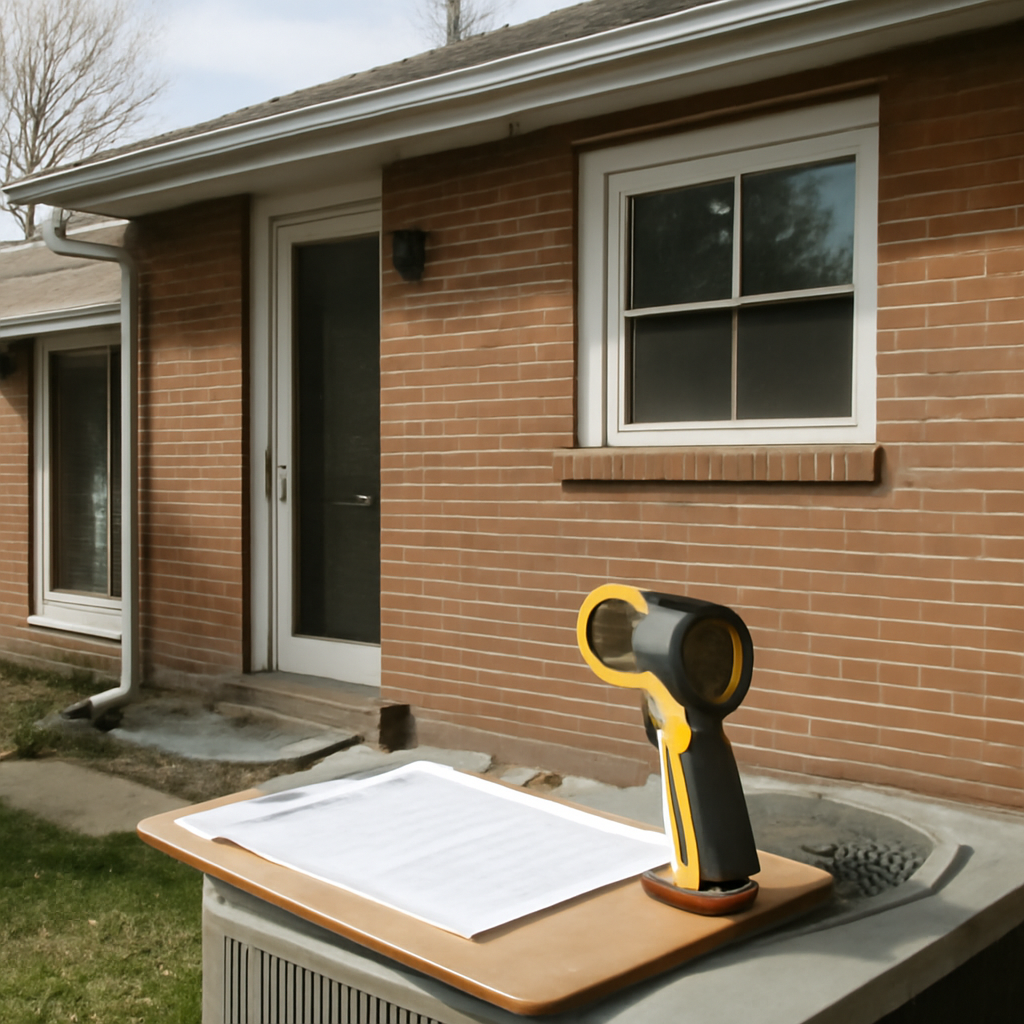
A pre-purchase inspection northglenn buyers schedule happens during the contract contingency period, after an offer is accepted but before closing, and it is the buyer’s main chance to learn a home’s true condition while they can still negotiate or walk away. Northglenn’s mid-century housing, built fast during the planned post-war boom of the 1950s and 1960s, makes this step especially valuable: aging slabs, swamp coolers, original systems, and EPA Zone 1 radon all reward a careful look. This page explains how the pre-purchase inspection works, what it covers in this Adams County suburb, and what it costs. Specialized concerns like radon, mold, and asbestos are covered by dedicated tests on our related pages.
Part of our Home Inspections Explained guide — start there for the full picture →
Pre-purchase inspection in Northglenn: what to know
A pre-purchase inspection is a home inspection timed to a real-estate transaction. It is the same visual, non-invasive evaluation of structure and systems, but its purpose is to inform a buyer’s decision before closing, while the inspection contingency still gives room to renegotiate, request repairs, or terminate the contract.
The timing is what makes it powerful. Our guide to hiring a home inspector on the Front Range walks through how the contingency window works. Once that window closes, the buyer loses much of their leverage, so scheduling the inspection promptly after going under contract is essential in a competitive Northglenn market.
The deliverable is a written report a buyer uses at the negotiating table. It distinguishes safety issues and major defects from routine maintenance, so a buyer can prioritize what to ask the seller to address. In Northglenn’s older stock, that report often becomes the basis for a repair credit or a price adjustment.
How a buyer uses the report matters as much as the findings themselves. A long list of minor items can sink a deal if a buyer treats every note as a demand, while a focused request on the genuine safety and big-ticket issues tends to get results. A good inspector helps with that triage, marking what is urgent versus what is normal for a sixty-year-old home, so the buyer and their agent can craft a reasonable objection rather than an unrealistic one. In Northglenn’s mid-century market, that judgment often makes the difference between a renegotiated price and a collapsed contract.
Why a Northglenn pre-purchase inspection matters
The housing age raises the odds of surprises. With much of Northglenn built in the 1950s and 1960s, a buyer in Original Northglenn, Stonehocker, or Hillcrest is often looking at aging roofs, original or first-replacement electrical panels, mixed-era plumbing, and slabs that have settled. These are exactly the items a pre-purchase inspection is designed to catch before the money changes hands.
The moisture and cooling picture is local. Evaporative swamp coolers are common here and need their own condition check, and finished basements can hide seepage from a settled foundation or from plains soil that drains slowly near Grange Hall Creek and Webster Lake. A buyer who learns about a damp basement during the contingency can negotiate; one who discovers it after closing cannot.
Radon adds urgency. Northglenn sits in EPA Zone 1, and finished-basement homes commonly test at or above 4 pCi/L. A pre-purchase window is the ideal time to run a radon test, because a high reading lets the buyer request a mitigation credit before closing rather than paying for the fix themselves later. The combination of old stock and Zone 1 risk is why a thorough pre-purchase inspection earns its cost in Northglenn.
The economics of timing are stark. A radon system that costs a buyer fifteen hundred to two thousand dollars out of pocket after closing can instead become a seller-paid credit if the elevated reading surfaces during the contingency. The same is true of a failing furnace or a cracked sewer line: discovered before closing, it is a negotiation; discovered after, it is the new owner’s bill. The few hundred dollars a Northglenn buyer spends on the inspection and its add-ons is small against the repairs it can shift onto the seller while there is still leverage to do so.
What a Northglenn pre-purchase inspection covers
The inspection works through the home’s major systems and documents condition for the buyer’s report, with the transaction timeline in mind.
The structural and systems walkthrough
The inspector evaluates the roof, foundation and grading, framing where visible, electrical, plumbing, heating and cooling including any swamp cooler, the water heater, and insulation. For a 1960s Northglenn home, settling cracks, aging panels, and the cooler’s condition are common report items that feed negotiation.
Drainage and grading get particular attention, since they matter more than buyers expect in Northglenn. A lot that slopes toward the foundation, or downspouts that dump water against the slab, is a leading cause of the basement seepage common in this stock, and it is often a low-cost fix a buyer can request. Catching a grading problem during the contingency, before it becomes a finished-basement water event, is exactly the kind of forward-looking finding that makes the pre-purchase inspection worth its fee.
Recommended add-on testing
During the contingency, buyers often add a radon test given the Zone 1 status, a sewer scope on older clay or cast-iron lines, and where pre-1978 materials are present, asbestos or lead testing. These dedicated tests cover what a visual inspection cannot, and the contingency window is the right time to run them so results can shape the deal.
Coordinating these tests on a single visit keeps the timeline tight. A radon monitor placed at the inspection runs over the same 48-hour-plus window the buyer is already waiting through, a sewer camera can run while the inspector works the rest of the home, and any asbestos or lead samples go to the lab in parallel. For a Northglenn buyer racing a contingency deadline, having one provider orchestrate the inspection and the specialty tests, rather than chasing separate appointments, is often the difference between getting results in time and running out of clock.
Pre-purchase inspection cost in Northglenn
A pre-purchase home inspection in the Northglenn market typically runs about $350 to $550 for a standard single-family home, with size, age, and a finished basement or crawlspace driving the figure. Add-on tests carry separate fees: radon often $100 to $175 when bundled, a sewer scope a similar range, and asbestos or lead testing more depending on samples.
Bundling during the contingency is efficient because the inspector is already on site, and it gives the buyer one coordinated set of results to negotiate from. Many Northglenn buyers pair the inspection with a radon test as a matter of course given the Zone 1 footprint.
Skipping the inspection to win a bid is a gamble that rarely pays. In a competitive market, some buyers waive the inspection contingency to make an offer more attractive, but on a sixty-year-old Northglenn home that can mean inheriting an undisclosed furnace failure, a seeping basement, or an elevated radon reading with no recourse. A buyer who wants to strengthen an offer has better tools, such as a faster inspection turnaround or a tighter contingency window, than giving up the inspection entirely on aging stock.
Measure the cost against the purchase price. A few hundred dollars spent during the contingency can reveal a failing furnace, a seeping basement, or an elevated radon reading, each of which can support a repair credit or a renegotiated price worth thousands. The pre-purchase inspection is the highest-leverage spending a Northglenn buyer does before closing.
Confused by your home inspection report? Decode it free in plain English
Upload your inspector's PDF and get a plain-English summary, what actually matters, rough repair costs, and negotiation talking points. Educational only — not a professional re-inspection. Your file is analyzed and discarded, never stored.
Educational summary only. AI can be wrong and cost figures are rough estimates. This is not a professional re-inspection, appraisal, or legal/financial advice — confirm major items with your inspector or a licensed contractor.
Colorado regulations and disclosure
Colorado contracts use an inspection contingency that gives the buyer the right to inspect and to object to or terminate based on the findings within a set period. The Seller’s Property Disclosure lists known defects, but the buyer’s pre-purchase inspection independently verifies condition, which matters in older Northglenn homes where issues may be unknown to the seller.
Colorado does not license home inspectors, so a buyer relies on national credentials. For radon, Colorado requires disclosure of known results and any mitigation system, so a pre-purchase radon test that turns up a high reading gives the buyer a documented basis to request a fix before closing. Acting within the contingency deadlines is what preserves these rights.
The deadlines are firm, which is why scheduling early matters so much. A Colorado inspection objection generally must be delivered within the contracted period, and a result that arrives after the window has closed loses its leverage even if it reveals a serious problem. A Northglenn buyer who books the inspection and any radon test immediately after going under contract leaves room for the lab and the monitor to finish and still gives their agent time to draft an objection. Procrastination, not the home’s condition, is what most often costs buyers their negotiating position.
Neighborhoods and areas served
Pre-purchase inspections cover Northglenn’s mid-century range: Original Northglenn, Stonehocker, Hillcrest, and the Fox Run area, plus homes near Grange Hall Creek and Webster Lake where drainage is a factor. The 1950s and 1960s slab-and-basement pattern is consistent town-wide.
The new-build exception is worth noting even in an older suburb. Pockets of newer construction exist around Northglenn, and a recently built home still benefits from a pre-purchase inspection, since builder defects and incomplete work are real, but the emphasis shifts from aging systems to workmanship and code-era details. For the bulk of Northglenn’s mid-century stock, though, the inspection’s value lies squarely in catching the wear and dated systems that decades of occupancy leave behind.
The takeaway for a Northglenn buyer is to treat the inspection as the centerpiece of due diligence, not a formality. The home’s mid-century age, finished-basement habit, swamp-cooler moisture, and Zone 1 radon all argue for a thorough look during the only window when the findings still carry negotiating weight. Spending a few hundred dollars and a couple of days to inspect, test, and review before the contingency closes is the single best investment a buyer makes in the whole transaction.
Service typically extends to adjacent Thornton, Westminster, Federal Heights, and Broomfield, sharing the same Adams County housing era. Buyers comparing the wider picture can read our overview of pre-purchase inspection across Adams County, or look at the related home inspection in Northglenn page for the full scope of a general inspection.
How to choose a Northglenn pre-purchase inspector
Look for ASHI or InterNACHI membership, a sample report, and availability that fits your contingency deadline, since a slow turnaround can cost you the negotiating window. A good inspector explains findings against the transaction, helping you separate must-fix safety issues from items you can address later.
Ask whether the inspector coordinates the add-on tests a Northglenn purchase often needs, radon given Zone 1, a sewer scope on older lines, and asbestos or lead testing in pre-1978 homes, so you get one coordinated set of results before your deadline. An inspector who delivers a clear report on time, knows the mid-century stock, and helps you use the findings at the table is the kind worth hiring.
Availability is part of competence in a fast market. The best inspector in the metro is no help if they cannot fit your home in before the objection deadline, so ask about turnaround when you book, not after. A provider who can inspect within a day or two of the request and deliver the report the same evening gives a Northglenn buyer the room to act, while a slow one quietly erodes the negotiating window. Pairing a prompt, thorough inspector with an early booking is the surest way to keep the contingency working in your favor.
References
- Home inspection standard of practice — International Association of Certified Home Inspectors
- Standard of practice and ethics — American Society of Home Inspectors
- Radon and real-estate transactions — U.S. Environmental Protection Agency
Frequently asked questions
What is a pre-purchase inspection in Northglenn?
It is a home inspection timed to the contract contingency period, after an offer is accepted but before closing. It lets a buyer learn a home's true condition while they can still negotiate repairs or terminate.
How much does a pre-purchase inspection cost in Northglenn?
A standard inspection typically runs $350 to $550, with add-ons like radon, a sewer scope, or asbestos and lead testing carrying separate fees. Bundling during the contingency is efficient.
Should I add a radon test to a Northglenn pre-purchase inspection?
Yes, given the Zone 1 status. A high reading during the contingency lets you request a mitigation credit before closing rather than paying for the fix yourself afterward.
When should I schedule the inspection?
Promptly after going under contract, so results arrive within the inspection contingency window. Missing that deadline forfeits much of your leverage to renegotiate or walk away.
What do Northglenn pre-purchase inspections commonly find?
In 1950s-60s stock, common findings include aging roofs and panels, mixed-era plumbing, settled slabs, swamp-cooler condition, and basement seepage. These feed repair-credit negotiations.
A pre-purchase inspection during your Northglenn contingency turns a mid-century home’s unknowns into negotiating power before you close. To connect with a vetted local inspector who can meet your deadline, get in touch through our contact page.