Radon Mitigation in Monument, Colorado | InspectandTest
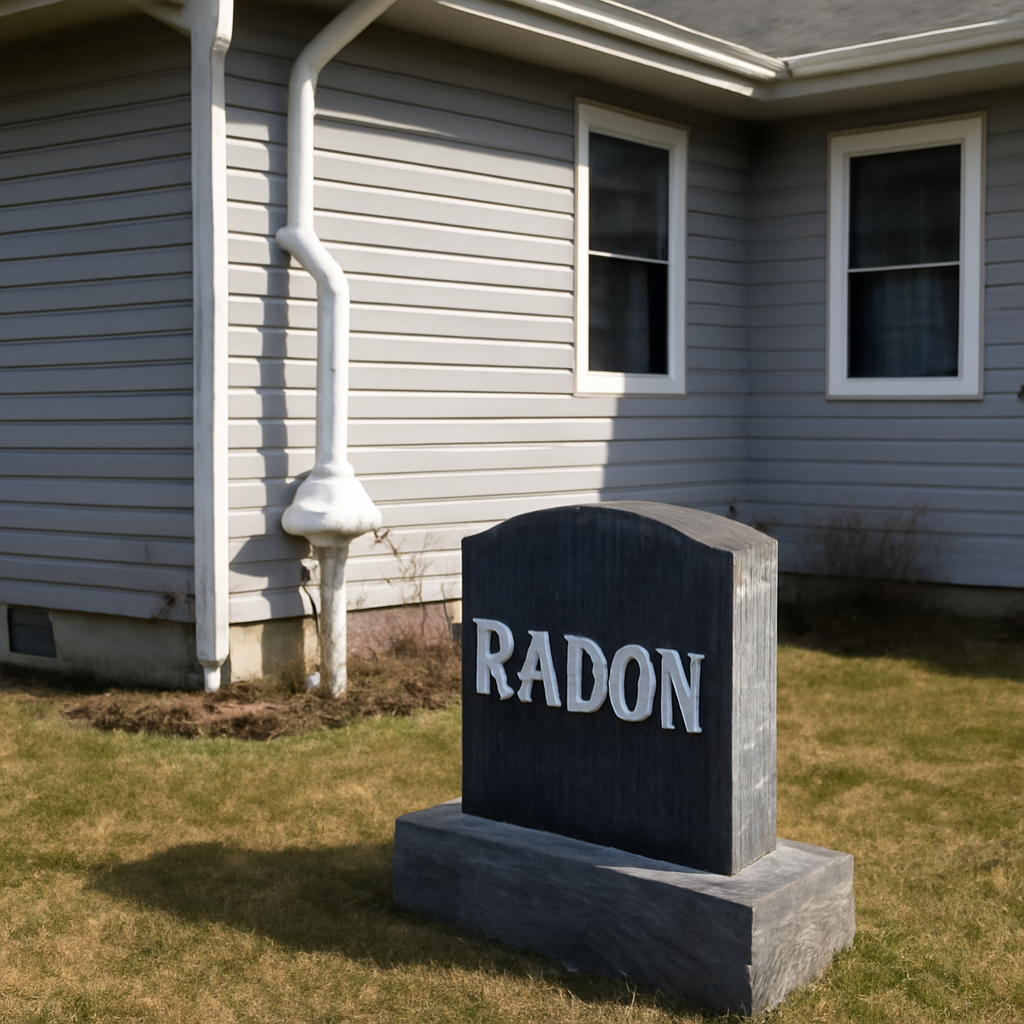
Monument sits in EPA Radon Zone 1, the highest-risk category, where the predicted average indoor radon level meets or exceeds the 4 pCi/L action threshold. At roughly 7,000 feet on the Monument Divide in El Paso County, the town sits over Pikes Peak batholith granite that drives radon, and its finished and walkout basement homes in Jackson Creek, Woodmoor, and Kings Deer regularly test high. When a test comes back at or above 4 pCi/L, mitigation is the fix. Radon is a colorless, odorless radioactive gas and the second-leading cause of lung cancer after smoking. This page explains how radon mitigation in Monument works, what a system costs, and how to vet an installer. This summary reflects EPA and CDPHE guidance current as of 2026; consult a certified professional for design and installation.
Radon mitigation in Monument: what to know
Radon mitigation is the engineered reduction of indoor radon, most commonly through an active sub-slab depressurization system. A fan draws soil gas from beneath the foundation slab and vents it above the roofline before it can enter living space. Properly designed, these systems routinely cut indoor radon by 90 percent or more and bring high readings well below the 4 pCi/L action level.
In Monument, mitigation usually follows a high reading in a finished or walkout basement in Jackson Creek or Woodmoor. Because those lower levels are occupied living space, getting radon out of them is the whole point. For the science of why levels run high over the area’s granite and how testing feeds the mitigation decision, our plain-language radon guide for Front Range homeowners sets the context, and radon testing in Monument covers how to get the number that triggers a fix.
It is worth understanding that mitigation is a system, not a one-time treatment. The fan runs continuously, the system carries a manometer to confirm it is working, and a post-mitigation test verifies the result. After installation, EPA guidance is to re-test every couple of years and after any major change, because a system can lose performance if a fan ages or the slab is altered.
Design depends heavily on the foundation, which matters more in Monument than in flatter suburbs. A standard full-basement home takes a fairly conventional sub-slab system, but a walkout or garden-level home built into a hillside, common here, may need additional suction points and careful sealing of the below-grade wall and any sub-slab voids. A competent installer diagnoses the specific foundation before quoting rather than applying one template to every house.
It helps to understand how the system actually lowers the reading. Soil gas enters because the air inside the home is slightly warmer and at lower pressure than the soil beneath the slab, so the house gently draws gas up through cracks and openings. Sub-slab depressurization reverses that relationship: the fan keeps the space directly under the slab at lower pressure than the living area, so soil gas follows the path of least resistance into the pipe and out the roof instead of into the basement. That is why sealing matters as much as suction, in a Monument walkout, every unsealed crack and the joint where the slab meets the below-grade hillside wall is a leak that makes the fan fight the house rather than work with it.
Why Monument homes need radon mitigation
Geology sets the baseline. The granite of the Pikes Peak batholith beneath the Monument Divide releases uranium-derived radon readily, and the town’s finished and walkout basement housing puts living space in direct contact with that rock and soil. Radon enters through slab cracks, control joints, and sump openings, then collects in the lower levels where families spend time.
Climate and elevation concentrate it. At about 7,000 feet, Monument’s cold, long winters keep homes sealed for months while furnaces create slight negative pressure that pulls soil gas indoors. The energy-efficient, tightly built newer homes that dominate Jackson Creek and Kings Deer trap radon especially well once it enters, because limited air exchange means what comes in stays in. That combination of Zone 1 granite geology and sealed, finished basements is why elevated readings are common across the town.
Walkout designs are the Monument-specific challenge for mitigation. On sloped, forested lots, a walkout has one fully below-grade hillside wall and often a more complex sub-slab layout, which increases both the radon entry area and the engineering needed to depressurize it. A walkout system may require more than one suction point and careful sealing where the slab meets the hillside wall, which is why foundation-specific design matters so much here.
What a Monument radon mitigation system covers
A standard active sub-slab depressurization system has a few core components, each chosen for the specific foundation.
Suction point and fan
The installer cuts a suction point through the slab, often in a utility area, and connects PVC piping to a continuously running fan mounted outside the living space, typically in the attic, garage, or on an exterior wall. The fan creates negative pressure under the slab so soil gas is drawn out rather than seeping up. A walkout home may need an additional suction point to cover the full sub-slab area.
Vent stack, sealing, and monitoring
Piping carries the gas above the roofline, where it disperses safely. The installer seals major slab cracks, the sump lid, and the slab-to-wall joint, especially important against a walkout’s below-grade hillside wall, so the fan can depressurize efficiently. A manometer gives the homeowner a visual confirmation the system is running, and a post-mitigation radon test confirms the reading dropped below the action level. The manometer is a simple U-tube of liquid whose offset shows the fan is maintaining suction beneath the slab; if the two columns ever level out, that signals the fan has failed or the pipe is blocked and the system needs service, which a homeowner can spot at a glance. Pairing the project with a mold inspection in Monument can be efficient, since walkout basements carry both soil-gas and moisture risk.
Radon mitigation cost in Monument
A typical residential radon mitigation system in the Monument and El Paso County market runs roughly $1,200 to $2,500 installed, with most standard homes landing near the middle of that range. Simpler full-basement installations sit at the low end, while the larger walkout and acreage homes common in Kings Deer and Red Rock Ranch cost more because they often require additional suction points and more extensive sealing of the below-grade hillside wall.
Homes built with a radon-resistant passive vent stack, increasingly common in newer Monument construction, can sometimes be mitigated more cheaply by activating that stack with a fan rather than retrofitting a full system. Annual operating cost for the fan and the slight heating-energy effect is modest, generally a few dollars a month.
Weigh that against the benefit. A roughly $1,500 system that cuts a 10 pCi/L walkout basement to under 2 pCi/L reduces a documented lung-cancer risk for as long as the family lives there, and it adds a verifiable safety feature when the home is later sold. Against the lifetime health stakes and Monument’s Zone 1 status, mitigation is one of the better-value home-safety investments available.
Colorado regulations and disclosure
Colorado requires radon disclosure in residential real-estate transactions, and the Seller’s Property Disclosure asks sellers to report known radon results and any existing mitigation system, including whether it is active and functioning. CDPHE runs the state radon program and references the 4 pCi/L EPA action level. Colorado does not license radon mitigators, so confirm an installer follows recognized national standards such as ANSI/AARST mitigation protocols.
A documented, working system is an asset in a Monument sale. Buyers see a clean post-mitigation result as reassurance, and an existing system that meets current standards removes a common negotiation point. For a newer home, El Paso County permitting records may show whether radon-resistant features were part of construction, which informs whether a fan activation or a full system is the right path.
Neighborhoods and areas served
Mitigation demand in Monument follows the high-reading housing: finished and walkout basements throughout Jackson Creek and Woodmoor, larger acreage homes in Kings Deer and Red Rock Ranch, and older foundations around Downtown Monument and the Tri-Lakes area. Each foundation type points the design toward a different solution, from a single suction point in a simple basement to multiple points in a complex hillside walkout.
Service typically extends to adjacent Palmer Lake, Colorado Springs, and Black Forest, which share Monument’s Zone 1 granite geology. Homeowners comparing the regional picture can review our radon mitigation guidance for El Paso County for the broader local context.
How to choose a Monument radon mitigation provider
Ask whether the installer diagnoses the foundation before quoting, follows ANSI/AARST standards, installs a manometer, and includes a post-mitigation test to verify the reading dropped below 4 pCi/L. A capable provider explains where the suction point or points will go, where the vent will terminate, and how they will seal a walkout’s below-grade wall, rather than quoting a flat price sight unseen.
For a walkout or acreage home, confirm the installer has experience with multi-suction-point designs on hillside foundations, since a single point may not depressurize the whole sub-slab area. Confirm the system carries a workmanship warranty and the fan its own warranty. An installer who guarantees the post-mitigation result rather than just the hardware is the one to trust in Monument.
Ask about the practical details of living with the system too. Where the fan and vent are placed matters, since a well-planned install routes the pipe discreetly and terminates the vent above the roofline and away from windows, while a careless one leaves an exterior eyesore. A quality fan runs quietly, but a poorly sized or mounted one can hum through a finished walkout that the family uses daily. And ask what happens if the post-mitigation test does not fall below 4 pCi/L: a reputable Monument installer returns to add a suction point or improve sealing of the hillside wall at no extra charge rather than calling the job finished. Those answers separate an installer who delivers a verified result from one who merely mounts hardware.
References
- Consumer’s guide to radon reduction — U.S. Environmental Protection Agency
- Colorado radon program — Colorado Department of Public Health and Environment
- Radon and lung cancer — Centers for Disease Control and Prevention
If a Monument test came back at or above 4 pCi/L, a properly designed mitigation system, sized for your foundation, is the fix and stays valuable when you sell. To connect with a vetted El Paso County installer, reach out through our contact page.