Radon Mitigation Indianapolis: What Homeowners Know

Indianapolis sits in a part of the country where elevated indoor radon is common, and many homes across Marion County and the surrounding suburbs test above the level at which the EPA recommends action. Radon mitigation Indianapolis homeowners arrange follows the same engineering principles used nationwide, but local geology and the prevalence of basements make it a frequent necessity rather than a rare one. This guide explains how mitigation works, what it costs, how to hire a qualified contractor, and why testing is the non-negotiable first step before any system goes in.
Part of our Radon Mitigation Systems guide — start there for the full picture →
This guide summarizes EPA guidance on radon current as of 2026. It offers general information, not professional advice; the EPA recommends mitigating homes at or above 4 pCi/L, and a certified radon professional should perform testing and design any system. Consult your physician about health concerns related to radon exposure.
Why radon mitigation matters in Indianapolis
Indiana contains many counties the EPA classifies in its highest radon-potential category, and the Indianapolis metro is squarely within radon country. Radon is a naturally occurring radioactive gas produced by the decay of uranium in soil and rock; it seeps into homes through foundation cracks, slab penetrations, sump pits, and crawl-space openings. Because the region’s geology generates radon and so many local homes have basements that sit deep in contact with soil, elevated readings are routine.
The health stakes drive the urgency. Radon is the leading cause of lung cancer among non-smokers, according to federal health agencies, and the risk accumulates with long-term exposure. That is why the EPA sets an action level of 4 pCi/L and recommends mitigation at or above it. The mechanism by which radon enters a home is the same everywhere, detailed in this guide on how radon gets into homes, and Indianapolis’s soils simply produce more of it than many regions.
How radon mitigation works
The standard and most effective approach for an Indianapolis home is active sub-slab depressurization. A contractor installs a suction point through the basement slab, connects sealed PVC piping, and mounts a continuously running fan that pulls radon-laden soil gas from beneath the foundation and vents it above the roofline. By keeping the pressure under the slab lower than indoor pressure, the system reverses the flow that would otherwise carry radon into the living space.
Variations address different foundations. Homes with crawl spaces often use sub-membrane depressurization, where a sealed plastic barrier covers the soil and the fan draws gas from beneath it. Homes with sump pits or drain-tile systems can sometimes tie into those for suction. The unifying principle is suction-based removal at the source, the same approach described in this guide on how to mitigate radon. The right design depends on the specific home, which is why a site assessment precedes installation.
What radon mitigation costs in Indianapolis
The installed cost of a radon system in the Indianapolis area depends on the foundation type, the home’s layout, soil conditions, and the routing the homeowner prefers. A straightforward basement slab system costs less than a complex installation involving multiple suction points, crawl-space membranes, or concealed interior piping. Most residential systems fall within a range that homeowners find reasonable against the long-term health benefit.
Activating an existing passive system — adding a fan to piping that was roughed in during construction — is generally cheaper than a full installation. Ongoing costs include the small amount of electricity the fan uses and eventual fan replacement after years of continuous running. National pricing factors that apply to Indianapolis are surveyed in this guide on the average cost of a radon mitigation system. Quotes vary, so comparing two or three is sensible, but the cheapest bid is not automatically the best if it cuts corners on design.
Testing must come first
No reputable contractor installs a system without a test confirming the home needs one. Radon testing establishes the baseline level, identifies whether mitigation is warranted, and gives the design a target to beat. Short-term tests run for a few days under closed-house conditions, while long-term tests over months capture seasonal variation more accurately. For a purchase decision, a short-term test during the inspection period is common; for a homeowner assessing their own home, a longer test gives a truer average.
Testing is also how a homeowner avoids paying for an unnecessary system or, worse, skipping a necessary one. A home in a high-radon Indianapolis neighborhood can still test low, and a home in a lower-risk pocket can test high — the only way to know is to measure. The testing process and its role in a transaction are covered in the radon testing pillar, which applies directly to Indianapolis buyers and owners.
How to hire a qualified mitigation contractor
Radon mitigation is a specialized trade, and hiring a certified professional matters. Look for a contractor certified through a recognized national radon program (such as the NRPP or NRSB credentials), confirm they carry appropriate insurance, and ask whether they follow the consensus standards for radon mitigation system design and installation. Certification signals that the contractor knows how to size a fan, locate suction points, and seal a foundation correctly.
Beyond credentials, evaluate the proposal. A good contractor performs a site assessment, explains the proposed design and routing, provides a written quote, and commits to a post-installation test verifying the system reduced radon below the action level. Ask about the warranty on the fan and the workmanship, and request references or examples of prior installations. A contractor who guarantees a result below 4 pCi/L and backs it with a verification test is demonstrating confidence in the design.
Verifying the system after installation
Installation is only successful if it lowers radon, and that requires a post-mitigation test. After the system has run for the standard verification period, a follow-up test confirms the level dropped below 4 pCi/L. A reputable Indianapolis contractor includes this test and provides documentation. If the level remains elevated, the system may need a larger fan, an additional suction point, or improved foundation sealing before it meets the goal.
Because radon fluctuates with weather and season, periodic retesting over the system’s life is wise even after a successful initial reading. Homeowners should also monitor the manometer on the pipe — offset columns mean the fan is working, level columns mean it has failed and needs replacement. Treating the system as something to verify and maintain, not install and forget, keeps an Indianapolis home protected for the long term.
Foundation types and how they affect the design
The right mitigation design depends heavily on a home’s foundation, and Indianapolis housing includes several types. Full-basement homes, the most common in the area, suit standard sub-slab depressurization: the contractor cores a suction point through the basement slab, and the fan draws gas from the gravel or soil beneath. The relatively continuous slab makes it straightforward to establish negative pressure across the whole footprint from one or two suction points.
Crawl-space homes call for a different approach. Because there is no continuous slab to depressurize, contractors typically install sub-membrane depressurization — sealing the exposed soil under a heavy plastic membrane and drawing radon from beneath it with the fan. A poorly sealed membrane leaks suction and underperforms, so installation quality matters especially here. Homes with a mix of basement and crawl space may need a combined approach addressing each area.
Slab-on-grade homes and those with sump pits or drain-tile systems present their own opportunities. A sump pit can sometimes be sealed and used as a suction point, and an interior drain-tile loop can be tied into the system. An experienced Indianapolis contractor assesses the foundation during the site visit and proposes the design that fits, which is why a one-size quote over the phone is less trustworthy than a quote following an in-person assessment.
Radon and home sales in the Indianapolis market
Radon frequently enters the picture during real-estate transactions in the Indianapolis area, where buyers commonly request a radon test as part of their inspection. A test at or above the action level can become a negotiation point, with buyers asking sellers to install mitigation or provide a credit toward it. Sellers, in turn, sometimes test and mitigate proactively before listing to avoid surprises and smooth the sale.
For buyers, including a radon test in the inspection period is inexpensive insurance against inheriting a hidden hazard. Because the result can affect negotiation, scheduling the test early in the due-diligence window leaves room to respond. A short-term test is typical in a transaction’s compressed timeline, though buyers should understand it captures a brief snapshot that weather can influence, and a follow-up long-term test after moving in confirms the true average.
For sellers, a pre-listing test and, if needed, a mitigation system can be a selling point rather than a cost, signaling to buyers that the home’s radon has been addressed. Either way, treating radon as a normal, manageable part of an Indianapolis transaction — tested, disclosed, and mitigated when warranted — keeps deals moving and protects the eventual occupants from a documented health risk.
Maintaining the system over the long term
An installed radon system in an Indianapolis home is low-maintenance but not maintenance-free, and a homeowner has a small ongoing role in keeping it effective. The most important habit is glancing at the manometer — the U-tube pressure gauge on the system pipe — periodically. Offset liquid columns indicate the fan is producing suction and the system is working; columns that have leveled out signal the fan has lost suction, usually because it has failed and needs replacement.
Radon fans run continuously and have a finite service life, typically several years before wearing out. Replacing a worn fan is a routine service that restores the system’s performance, and many systems include a warning device that alerts the homeowner to a pressure loss so a failed fan does not go unnoticed. Keeping the exhaust path clear and watching for new foundation cracks that could create fresh radon entry routes round out the homeowner’s responsibilities.
Periodic retesting confirms the system is still doing its job. Because radon levels shift with seasons, weather, and changes to the home such as new HVAC equipment or a finished basement, an Indianapolis homeowner should retest every couple of years and after any major foundation or mechanical change. Treating the system as something to monitor and maintain, rather than install and forget, ensures the home stays protected long after the installer leaves.
Putting it together for Indianapolis homeowners
Radon mitigation in Indianapolis is common because the region’s geology produces high indoor radon and basements are widespread. The path is clear: test first to confirm the need and establish a baseline, hire a certified contractor who performs a proper site assessment and proposes a sound design, verify with a post-installation test, and maintain the system over time. The most common and effective design is active sub-slab depressurization, with variations for crawl spaces and sump systems.
Given that radon is the leading cause of lung cancer among non-smokers, the investment in a properly designed and verified system is modest against the risk it reduces. For Indianapolis homeowners and buyers, treating radon as a measurable, fixable hazard — rather than an abstract worry — is the practical and protective approach.
References
- Consumer’s Guide to Radon Reduction — U.S. Environmental Protection Agency
- Health Risk of Radon — U.S. Environmental Protection Agency
- Radon and Lung Health — American Lung Association
Frequently asked questions
Is radon a problem in Indianapolis?
Yes. Many Indiana counties, including the Indianapolis metro, fall in the EPA's highest radon-potential category, and the prevalence of basements means elevated readings are common. The only way to know your home's level is to test, since results vary house by house.
How does radon mitigation work in an Indianapolis home?
The standard method is active sub-slab depressurization: a fan creates suction beneath the basement slab through a sealed pipe and vents radon above the roofline. Crawl-space homes use a sealed membrane, and some homes tie into sump or drain-tile systems.
Do I need a radon test before mitigation?
Yes. A reputable contractor will not install a system without a test confirming the home needs one and establishing a baseline to beat. A short-term test is common during a purchase, while a long-term test gives a truer year-round average.
How much does radon mitigation cost in Indianapolis?
Cost depends on foundation type, layout, soil, and routing, with simple basement systems costing less than complex installations. Activating an existing passive system by adding a fan is generally cheaper than a full new installation.
Indianapolis-area homeowners with an elevated radon reading who want a connection to a certified mitigation professional can get in touch through our contact page to discuss testing and system options.
Test your home for radon
Radon is invisible and odorless, so a test is the only way to know your level. A short-term kit gives a first reading in days; a digital monitor tracks it over time.
| Product | Why | Buy |
|---|---|---|
 AirChek Charcoal Radon Test Kit | Lab fee usually included; EPA short-term protocol. | Amazon |
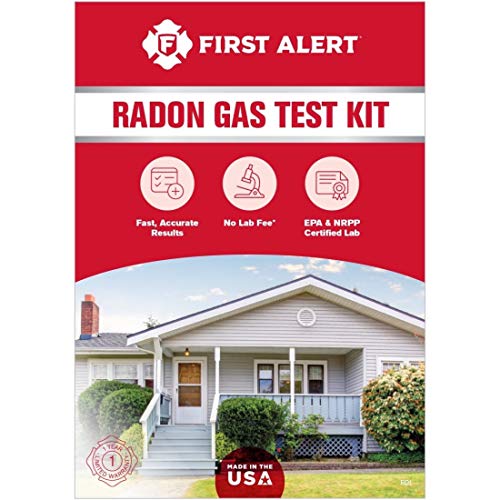 First Alert RD1 Radon Test Kit | Widely stocked; 48-hour charcoal test. | Amazon — $17.95 |
 Airthings Corentium Home | Digital monitor with a long-term average. | Amazon — $142.99 |