Indianapolis Mold Inspection: Process and What to Expect
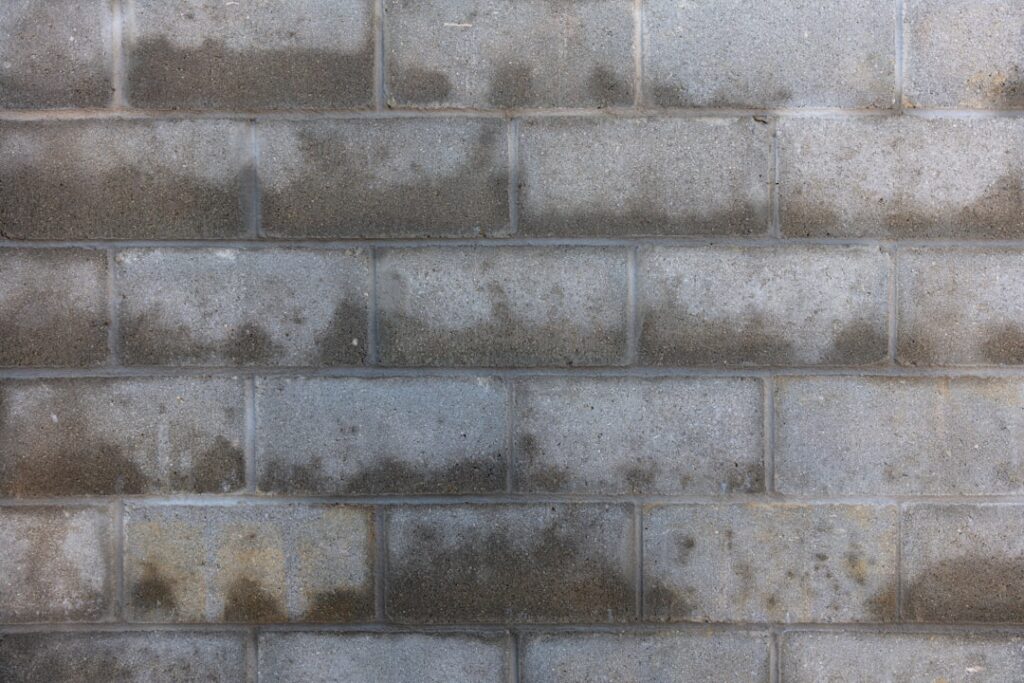
An Indianapolis mold inspection is shaped by the city’s humid continental climate, the prevalence of full basements across Marion County neighborhoods, and freeze-thaw cycles that work their way through older foundations every winter. This guide focuses on the inspection process itself — what a credentialed assessor actually does on site, what tools they bring, what the report should include, and how to read the findings. The information here summarizes EPA, CDC, and InterNACHI mold guidance current as of 2026 and is written from the Colorado Front Range; Indiana licensing and state programs are referenced by name only. Consult your physician for symptoms and a locally credentialed assessor for testing decisions on the ground in Indianapolis.
Is this mold, asbestos, or water damage? Get a free instant screen
Upload a clear photo of the suspect area. You'll get an instant AI screening opinion and what to do next. This is screening guidance, not a professional determination.
Screening guidance only. AI can be wrong. Confirm asbestos, mold type, or lead with lab testing or a licensed professional before acting.
What does an Indianapolis mold inspection actually include?
A standard inspection in Indianapolis follows the same general scope used by credentialed assessors nationally, with climate-specific adjustments. The visit begins with a homeowner interview covering known leaks, prior basement flooding, occupant health symptoms, recent renovations, and any insurance claim history. The assessor then performs a systematic visual walk-through: exterior grading and drainage, roof transitions visible from grade, attic ventilation and bathroom-fan termination, interior living spaces, kitchen and bath wet zones, HVAC system review, and finally the basement or crawl space — usually the longest portion of the visit in Indianapolis homes.
Tools in a typical kit include a pinless moisture meter for sweeping walls and floor edges, a pin meter for confirmation at depth, a thermal camera for finding hidden cold-surface condensation, a flashlight, a borescope where access requires it, and air-sampling cassettes plus tape lifts when sampling is part of the scope. The written report combines visual findings, moisture-meter readings against known-dry reference areas, thermal images, and lab data into a prioritized action plan. For a general overview of the broader process, our mold inspection hub walks through each stage in detail.
Indianapolis climate factors the assessor pays attention to
Indianapolis summers are hot and humid. July averages above 75 degrees Fahrenheit with extended periods of dew points in the upper 60s to low 70s. Spring brings heavy rain events, and snowmelt can produce some of the wettest soil conditions of the year right when basement perimeters are most vulnerable. Winters bring repeated freeze-thaw that cracks parging, opens mortar joints in older foundations, and damages exterior drainage features. The combination produces predictable moisture patterns the inspector knows to look for.
Housing stock varies widely. Older neighborhoods — Meridian-Kessler, Irvington, Broad Ripple, Fountain Square — carry pre-1940 inventory with stone or unparged brick foundations and limited perimeter drainage. Newer suburbs in Hamilton County (Carmel, Fishers, Westfield) have poured concrete foundations and modern drainage but builder-finished basements that often lack adequate dehumidification.
Step-by-step: how the visit unfolds
1. Interview and history review
Before any walking, the assessor asks structured questions: when did the symptom or staining first appear, what triggered it, what’s been done so far, is there a prior insurance claim or remediation history. This shapes the rest of the visit. Without context, sampling locations and visual scope become guesswork.
2. Exterior walk-down
The assessor evaluates lot grading, downspout discharge distance, sump-pump exterior discharge location, exterior cladding condition, window-well integrity, and foundation parging. Indianapolis homes commonly fail at downspout extensions — a five-foot extension instead of a two-foot splash block is one of the cheapest fixes that reduces basement moisture meaningfully.
3. Attic and top-floor cavity
The attic check covers insulation depth, baffles at the eaves, soffit-vent obstruction, bathroom-fan termination (frequently misrouted into the attic rather than through a roof or soffit jack), and any roof-leak staining on the sheathing. Indiana winters create conditions for ice-dam-related leaks at the eaves, and the attic is where evidence often shows first.
4. Main living levels
Kitchen base cabinets, dishwasher connections, refrigerator water lines, all bathroom fixtures, laundry connections, and any prior-loss areas the homeowner flagged. The assessor uses the moisture meter to sweep walls beneath windows where condensation may form during heating season and behind upper cabinets where ice-maker water lines run.
5. Basement or crawl space
This is the longest portion of most Indianapolis inspections. The assessor checks foundation walls for efflorescence, peeling paint, staining patterns, finished-wall conditions at the base, sump pit and pump operation, perimeter drain access (if any), rim-joist insulation condition, and HVAC system mechanicals. Moisture-meter readings get compared against a known-dry reference area in the same building.
6. Sampling if scoped
If the homeowner contracted for a sampled inspection, the assessor takes one or two indoor air samples in the area of concern plus an outdoor control. Tape lifts or swabs from visible growth identify the genus. Bulk samples cut from suspect porous material offer the most definitive identification when removal is being scoped. The EPA notes that sampling is generally unnecessary when visible growth exists; the priority is identifying the moisture source.
What the written report should include
A useful report photographs each finding, records moisture-meter readings with locations, includes thermal images where they help interpretation, summarizes lab data with the lab’s accreditation letter attached, and prioritizes recommendations by severity. The report should clearly identify the moisture source for any growth found — not just “mold present, recommend remediation.” Generic remediation recommendations without a moisture diagnosis tend to recur within months because the underlying problem wasn’t addressed.
Ask for the report format before booking. Reputable Indianapolis assessors often provide a sample report on request. The report is what you’ll share with contractors, insurance adjusters, and any post-remediation clearance assessor, so its quality matters more than the inspection-day site time.
Hiring a credentialed assessor in Indianapolis
Indiana does not require state-level licensing of mold assessors. That makes voluntary credentialing the homeowner’s main vetting tool. Look for InterNACHI’s Certified Indoor Air Consultant credential, IICRC’s S520 mold remediation training and AMRT credentials, and ASHI or InterNACHI membership for general home-inspection training. Confirm errors-and-omissions insurance and request a sample report.
One specific question matters: does the firm offer both assessment and remediation, and will they perform both on your home? The EPA recommends keeping those roles separate where possible. For the broader vetting playbook, our hiring a home inspector guide covers the universal checklist.
Common Indianapolis findings
Several patterns repeat. The most common is summer humidity driving surface mold on basement joists and walls when dehumidification isn’t keeping pace with outdoor dew points. Second is sump-pump area moisture, especially when the exterior discharge is too close to the foundation. Third is bathroom-fan ductwork terminating in the attic instead of through the roof or soffit. Fourth is washer/dryer connection leaks reaching the wall cavity.
Each pattern has a different fix, and the report should make the path forward obvious enough that the homeowner can ask a contractor for a targeted scope.
After the inspection: next steps
Most Indianapolis inspections end with one of three outcomes. First, no significant growth found, just humidity-control recommendations — the cheapest and most common ending. Second, localized growth with a clear moisture source — fix the source, then either clean or remediate depending on the extent. The EPA’s residential guidance describes homeowner cleanup for under one square foot of growth on non-porous surfaces. Third, larger-scale growth or HVAC-system contamination — engage a licensed remediator using IICRC S520 protocols, then schedule independent clearance testing once work is complete.
Clearance testing after remediation
After any meaningful remediation, an independent clearance test confirms the work was effective. The clearance assessor (someone other than the remediation firm) does a visual inspection, takes air samples for accredited-lab analysis, and produces a written clearance report. Indianapolis clearance work typically runs $300 to $600 depending on sample count.
HVAC system review during the inspection
Heating and cooling systems often play a larger role in Indianapolis mold problems than homeowners expect. Summer cooling produces condensation on cold supply registers and around evaporator coils; winter heating dries indoor air to levels that aren’t supportive of growth but drives moisture toward cold building surfaces. The inspector should review the air handler’s interior for visible biofilm at the cooling coil, examine the condensate drain pan and line for blockage, check the filter housing for dust accumulation that traps moisture, and look at ductwork for condensation staining where it passes through unconditioned attic or crawl space. Older homes with retrofitted central air sometimes have undersized return-air paths that create pressure imbalances and pull humid outdoor air through wall cavities — a chronic moisture source that takes a careful inspector to identify.
Sampling: when air vs. surface vs. bulk fits the case
Air sampling pulls a measured volume of indoor air through a cassette that traps spores for lab counting. The lab compares indoor counts and genera to an outdoor control taken the same day. Surface samples — tape lifts and swabs — identify what’s growing on a specific surface and help confirm whether discoloration is mold or non-mold staining like efflorescence or soot. Bulk samples cut a small piece of suspect porous material for the most definitive identification when removal is being scoped. Each method answers a different question, and a careful Indianapolis assessor explains which method fits the homeowner’s situation before collecting samples. The CDC’s position is that sampling is generally not necessary when visible growth exists and the moisture source is known; the priority is fixing the moisture.
What the inspector won’t be able to tell you
Even credentialed Indianapolis assessors have limits. The inspection identifies present conditions and likely moisture sources; it doesn’t predict future growth in areas where current conditions are normal. It doesn’t determine medical causation between mold exposure and specific occupant symptoms — that’s a physician’s domain. It doesn’t typically include destructive testing (cutting into walls) unless specifically contracted, and it doesn’t replace code-compliance inspection or full plumbing-leak investigation. A good report is explicit about scope limits so homeowners know what additional services might be needed depending on findings.
References
- Mold Remediation in Schools and Commercial Buildings — EPA
- About Mold — CDC
- A Brief Guide to Mold, Moisture, and Your Home — EPA
- Mold Inspection Standards of Practice — InterNACHI
Front Range homeowners can connect with a vetted Colorado inspector through our contact page; Indianapolis readers should hire a locally credentialed assessor in Indiana.