Radon Be Gone: What Front Range Homeowners Should Know

Homeowners searching “radon be gone” usually want one thing: a reliable way to get radon out of their house. The phrase captures a real goal, but reducing radon is a measured process, not a single spray or gadget. Radon be gone happens through testing to learn your level, then mitigation that vents the gas before it accumulates. This guide summarizes EPA and Colorado state guidance current as of 2026; consult a certified radon professional for testing and mitigation decisions specific to your home.
Part of our Radon Levels guide — start there for the full picture →
How to actually make radon “be gone”
There is no product that simply eliminates radon on contact. Radon is a radioactive gas produced continuously as uranium in soil and rock breaks down, so it keeps entering a home as long as the source is below it. The practical answer is a two-step process: test the home to measure the radon level, and if it is elevated, install a mitigation system that redirects soil gas to the outdoors before it can build up indoors.
The EPA recommends taking action at 4.0 picocuries per liter (pCi/L) and considering action between 2 and 4 pCi/L. Colorado is a high-radon state, with many Front Range counties showing average indoor levels above the action threshold, so testing is the essential first move. The full picture sits in the Colorado radon testing guide, and homeowners who want a sense of pricing can review what a radon test costs.
Step one: test before you treat
You cannot fix what you have not measured. Radon is invisible and odorless, so testing is the only way to know a home’s level.
Short-term and long-term tests
Short-term tests run from two to seven days and give a quick snapshot, useful during a real-estate transaction. Long-term tests run more than 90 days and better reflect the year-round average, because radon levels swing with season, weather, and how the home is operated. Colorado’s cold winters, when homes are sealed and heating systems pull air, often push levels higher, which is why a long-term or repeated test gives a truer picture.
Where to test
Test the lowest lived-in level of the home, typically the basement or a ground-floor room. Continuous radon monitors and lab-analyzed charcoal kits both work; the key is following the test protocol closely, keeping windows shut during short-term testing.
Step two: mitigation that works
When a test confirms an elevated level, mitigation is what makes radon “be gone” from the living space. The proven method for most homes is active soil depressurization. A pipe is run from beneath the foundation slab to above the roofline, and a continuously running fan draws soil gas up through the pipe and vents it outside, where it disperses harmlessly.
This approach is well documented and effective, routinely cutting indoor radon by 50 to 99 percent when designed and installed correctly. Sealing foundation cracks and the sump pit helps the system work better but is not a standalone fix. Passive features alone rarely reach the reductions an active fan delivers. Homeowners can see how the parts fit together in the explainer on how a radon mitigation system works.
Why radon keeps coming back
The reason “radon be gone” requires a system rather than a one-time fix is that the source never stops producing. Radon forms continuously from the radioactive decay of uranium and radium in the soil and bedrock beneath a home. As long as that geology sits below the foundation, fresh radon migrates upward every day, finding its way in through the smallest openings.
Homes pull soil gas indoors partly through a phenomenon called the stack effect. Warm air rises and escapes through the upper levels, creating a slight negative pressure at the base of the house that draws air, and radon with it, up through foundation cracks, control joints, sump pits, and gaps around pipes. This effect intensifies in winter, when the indoor-outdoor temperature difference is largest and homes stay sealed. That is precisely the Front Range’s coldest season, which is why a system that runs continuously, rather than a one-time treatment, is the only durable answer. Stopping the fan would simply let the soil gas resume its climb.
Front Range geology and radon
Colorado’s elevated radon is not bad luck; it reflects the region’s geology. The Front Range and much of the state sit on soils and rock formations relatively rich in uranium, the parent element in radon’s decay chain. The result is that a large share of homes across Denver, Douglas, Jefferson, Boulder, and El Paso counties test above the action level, far more than the national average.
Elevation and soil permeability add to the picture, allowing gas to move through the ground and into homes efficiently. This regional reality is why Colorado public health agencies push testing so consistently, and why a Front Range homeowner should treat radon as a likely issue rather than a remote one. The geology does not make a home unsafe; it makes testing and, where needed, mitigation a sensible default. Homeowners wanting the broader regional context will find it in the explainer on radon in the basement, where the gas tends to concentrate first.
What does not make radon be gone
Several quick fixes circulate that do not solve the problem. Air purifiers and HVAC filters capture particles but do not meaningfully remove a soil gas that keeps entering. Opening windows can temporarily dilute radon, but levels rebound as soon as the home is closed up, and it is impractical through a Colorado winter. Houseplants and consumer “radon eliminator” gadgets have no evidence behind them for reducing whole-home radon.
The reliable path is the one the Colorado Department of Public Health and Environment and EPA both endorse: test, and if the level is elevated, install a properly designed mitigation system through a certified professional, then re-test to confirm the reduction. That sequence is what genuinely gets radon out of a home and keeps it out, season after season.
The health stakes behind getting radon gone
The reason to bother with testing and mitigation is straightforward: radon is the leading cause of lung cancer among people who have never smoked, and the second-leading cause overall in the United States. The EPA attributes thousands of lung cancer deaths each year to radon exposure. The mechanism is radiation; radon and its decay products lodge in lung tissue and emit alpha particles that damage cells over years of exposure, occasionally triggering the changes that lead to cancer.
The risk is cumulative and long-term rather than acute, which shapes how a homeowner should think about it. Breathing elevated radon for a week does little measurable harm; breathing it for years steadily raises lifetime lung cancer risk, and that risk multiplies sharply for smokers, whose lungs are already compromised. This is why “radon be gone” is worth pursuing even though no symptoms announce the problem. The gas is invisible and odorless, so the only way to know a home’s level is to test, and the only way to reduce a confirmed elevation over the long run is a mitigation system that keeps working season after season.
Confirming the job is done
Making radon “be gone” is not complete until a post-mitigation test confirms the level actually dropped. A reputable mitigation service includes or arranges this re-test, because installing a system without verifying its result leaves the homeowner guessing. The follow-up test, run after the system has operated for a set period, should show a level comfortably below the action threshold, ideally as low as the system can reasonably achieve.
Verification does not end there. Because soil conditions, home modifications, and equipment wear can change performance over time, periodic re-testing keeps a homeowner honest about whether the system still holds the level down. The manometer gauge on the system’s pipe gives an at-a-glance indication that the fan is pulling suction, and a re-test every couple of years confirms the result that gauge implies. Finishing a basement, repairing a foundation, or replacing a furnace can all alter how radon enters and how the home holds it, so re-testing after major changes is prudent. Treating radon reduction as an ongoing condition rather than a one-time project is what genuinely keeps the gas gone for good.
When to test and who should do the work
Timing and qualifications both matter. Any home can be tested at any time, but a long-term test or a winter test gives a more representative picture in Colorado, where sealed-up cold months push levels to their seasonal peak. Buyers in a transaction usually rely on a short-term test for speed, while homeowners assessing their own residence benefit from a longer window. Whatever the format, testing the lowest lived-in level and following the protocol closely produces a trustworthy number.
For mitigation, the work belongs to a certified radon professional rather than a general handyman, because system design depends on foundation type, suction-point selection, and proper venting above the roofline away from windows. The Colorado Department of Public Health and Environment provides resources for finding qualified professionals in the state. A properly designed and verified system, installed by someone who follows established mitigation standards, is what turns the goal of “radon be gone” into a durable reality for a Front Range home.
Radon and the home transaction in Colorado
Radon frequently enters the conversation during a home sale, and Colorado buyers should understand how it fits. Because the Front Range tests high so often, radon testing is a common part of the inspection period, typically a short-term test run under closed-house conditions to meet the transaction timeline. An elevated result becomes a negotiation point: buyers may request that the seller install a mitigation system before closing, provide a credit toward one, or handle it themselves after purchase.
A mitigation system is a selling point as well as a fix. A home with a properly installed and verified system, documented with a post-mitigation test, reassures buyers that the radon issue is already handled. Sellers who test proactively and mitigate when needed often smooth the transaction rather than facing last-minute renegotiation. For buyers, confirming whether a home has an existing system, and asking for its test history, is a sensible step in a region where elevated radon is the norm rather than the exception. Understanding the gas and the fix turns radon from a deal obstacle into a manageable, well-understood item.
A realistic plan to keep radon gone
Achieving and maintaining low radon comes down to a repeatable plan rather than a single purchase. Test the home, focusing on the lowest lived-in level and ideally capturing a winter or long-term reading in Colorado. If the level is at or above the action threshold, hire a certified professional to install an active mitigation system suited to the foundation. Verify the result with a post-mitigation test, and watch the manometer gauge to confirm the fan keeps pulling suction.
From there, maintenance is light: glance at the gauge periodically, replace the fan when it eventually wears out after several years, and re-test every couple of years and after major renovations that could change how radon enters. Following this cycle, the goal of “radon be gone” becomes a stable, lasting condition rather than a one-time effort. The combination of testing, a properly designed system, verification, and periodic re-checks is what the EPA and Colorado public health guidance both endorse, and it is what genuinely keeps the gas out of a Front Range home’s living space year after year. The broader regional guidance lives in the Colorado radon testing guide for homeowners who want the full picture.
References
- Health Risk of Radon — EPA
- Radon in Colorado — Colorado Department of Public Health and Environment
- Radon and Lung Health — American Lung Association
Frequently asked questions
Is there a product that makes radon be gone instantly?
No. No spray or gadget eliminates radon, because it is a gas produced continuously by soil beneath the home. The reliable approach is to test, and if levels are elevated, install a mitigation system that vents soil gas outdoors.
What radon level requires action?
The EPA recommends fixing a home at 4.0 pCi/L or higher and considering action between 2 and 4 pCi/L. Colorado is a high-radon state, so many Front Range homes test above the action threshold.
Do air purifiers remove radon?
Not effectively. Air purifiers and HVAC filters capture particles but do not meaningfully remove a soil gas that keeps entering the home. Active soil depressurization is the proven method for whole-home radon reduction.
How much can mitigation reduce radon?
A properly designed active soil depressurization system routinely cuts indoor radon by 50 to 99 percent. Sealing cracks and the sump pit helps, but the continuously running fan venting gas outdoors does the heavy lifting.
Front Range homeowners who want to test their radon level or arrange mitigation can reach out through our contact page to connect with a certified local radon professional.
Test your home for radon
Radon is invisible and odorless, so a test is the only way to know your level. A short-term kit gives a first reading in days; a digital monitor tracks it over time.
| Product | Why | Buy |
|---|---|---|
 AirChek Charcoal Radon Test Kit | Lab fee usually included; EPA short-term protocol. | Amazon — $21.95 |
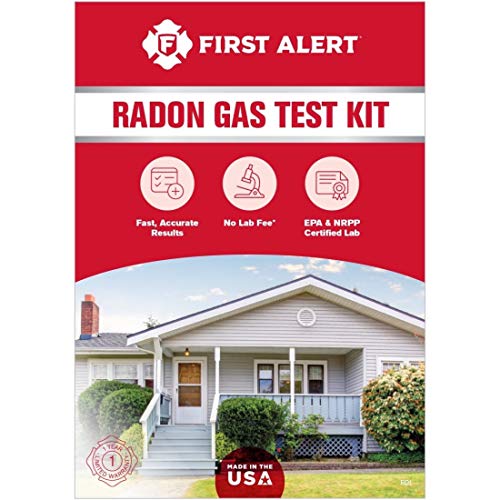 First Alert RD1 Radon Test Kit | Widely stocked; 48-hour charcoal test. | Amazon — $17.95 |
 Airthings Corentium Home | Digital monitor with a long-term average. | Amazon — $142.99 |