Pop-Up Countertop Outlets: Island Power Done Safely
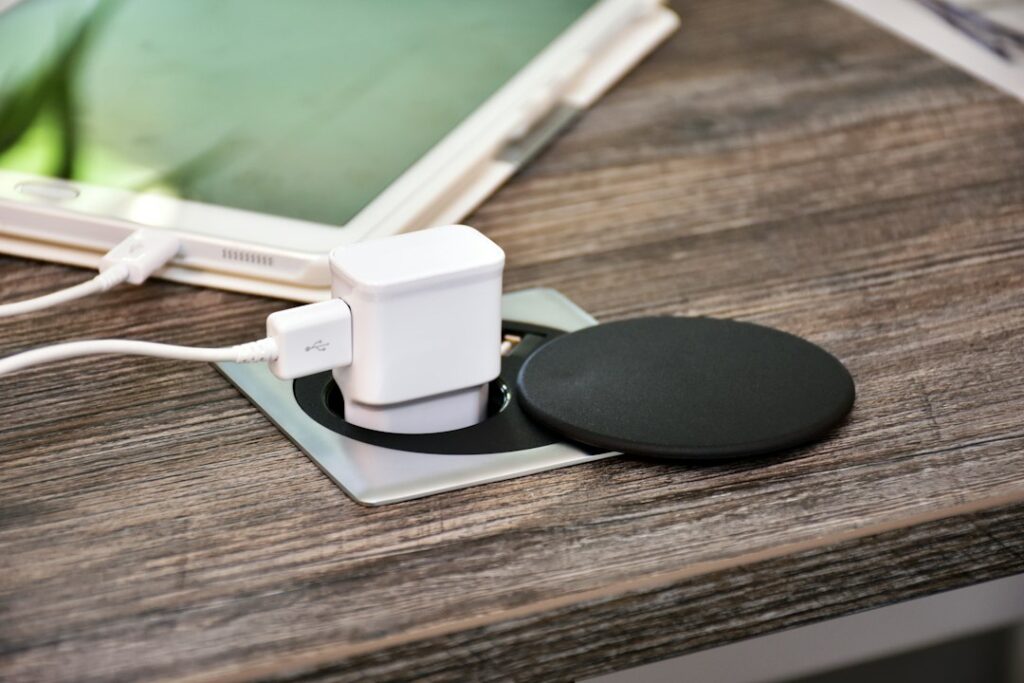
Kitchen islands have become work surfaces, homework desks, coffee stations and charging spots, and all of those uses want power. The traditional answer is a receptacle on the side of the island cabinet, but many homeowners dislike how it looks and how cords drape over the counter edge. A pop up outlet set into the countertop is the alternative: a cylinder or box set into a hole in the counter that sits nearly flush when closed and rises to expose receptacles, and sometimes USB ports, when pressed or pulled. They look clean and keep cords on top of the counter, but they put electrical devices in the one place most likely to see spilled water, crumbs and dishwashing. This guide explains how pop-up outlets work, how island receptacle requirements have been changing, why ground-fault protection matters, the spill and water intrusion risks, what installing one into stone involves, why the job belongs with a licensed electrician, what an inspector looks for and what the work typically costs.
Part of our Home Electrical guide — start there for the full picture →
How a Pop-Up Outlet Works
A pop-up outlet is a receptacle assembly designed to mount vertically through a countertop. The main styles are:
- Push-to-raise towers. Pressing the cap releases a spring or gas strut, and the tower rises to expose two to four receptacles around its sides. Pushing it back down retracts it.
- Motorized towers. A button or touch control raises and lowers the tower electrically. These are less common and cost more.
- Flip-up or hinged lids. A flush plate with a lid that opens to reveal receptacles in a shallow box below the counter surface.
- Under-cabinet and edge alternatives. Not pop-ups at all, but receptacle strips or angled boxes mounted under the counter overhang or on the cabinet face. They are often discussed alongside pop-ups as ways to hide island power.
Most pop-ups have a housing that extends below the counter into the cabinet, where the wiring connects. That housing takes up space inside a drawer or cabinet, so the location needs planning before the island is built or the countertop is fabricated. Some models include a drain path or a gasket around the cap meant to limit how much liquid can reach the receptacles when closed.
The important technical point is that not every receptacle that faces up is suitable for a countertop. Electrical products are listed, meaning tested and certified by a recognized laboratory, for particular uses. A pop-up outlet intended for kitchen counters should be listed for that application, and the listing and the manufacturer’s instructions determine how it may be installed.
Island Receptacle Requirements and Code Changes
For many years, the National Electrical Code required at least one receptacle on most kitchen islands and peninsulas of a certain size, and many homes built during that period have a receptacle on the end or side of the island cabinet. Recent editions of the code have revised those requirements, including how islands and peninsulas are treated, whether a receptacle must actually be installed or provisions made for one in the future, and where receptacles may be located relative to the countertop surface. Rules for receptacles installed face-up in a countertop have also been addressed, generally limiting them to assemblies listed for that use.
Because the details have changed across code cycles, and because each Colorado city and county adopts a particular edition with its own local amendments, the requirements for a specific kitchen depend on which code is in force where the house is and when the work is permitted. A remodel in one Front Range city may be inspected under a different edition than a remodel a few miles away. This is one of the main reasons island power is a job for an electrician who works in that jurisdiction and pulls a permit: the electrician and the local electrical inspector will know which version applies.
For a buyer looking at an existing home, the practical takeaway is that a kitchen built under an older code may not match what a new kitchen would look like, and that is not automatically a defect. What matters more is whether the receptacles that are present are safe, protected and installed in a way that suits the location.
GFCI Protection and Other Electrical Safety
Kitchen countertop receptacles are among the places where codes have long called for ground-fault circuit interrupter protection, and an island receptacle, pop-up or not, is no exception. The National Fire Protection Association describes GFCIs as devices used to reduce the risk of shock and designed to protect people from hazardous ground faults, such as those that can come from plugging in defective appliances. NFPA advises that GFCIs, whether receptacle-type or breaker-type, be installed by a qualified electrician, that they be tested after installation and monthly thereafter according to the manufacturer’s recommendations, and that defective devices be replaced immediately because a failed device can create a false sense of security.
Many pop-up towers do not include a GFCI receptacle within the tower itself. Protection may come from a GFCI breaker in the panel, a GFCI receptacle elsewhere on the same circuit, or a dead-front GFCI device installed nearby. That arrangement is legitimate, but it means the person using the island may not know where to reset a tripped circuit. Labeling the pop-up as GFCI protected and noting where the reset is located avoids confusion. If an island outlet stops working, a tripped upstream device is a common cause; our guide to GFCI outlets that are not working walks through how to find and reset it.
Newer codes have also expanded arc-fault circuit interrupter requirements in kitchens. NFPA describes AFCIs as devices that shut off power when they detect dangerous arcing, such as from a damaged cord. Combination AFCI and GFCI breakers or devices are often used on kitchen circuits where both are required.
The U.S. Fire Administration’s electrical safety guidance reinforces habits that matter on a busy island: do not overload outlets, insert plugs fully, replace receptacles that no longer grip plugs snugly, and unplug small appliances when not in use. A pop-up tower whose receptacles feel loose or warm should be taken out of service until an electrician looks at it.
Spills, Crumbs and Water Intrusion
The concern most people raise with pop-up outlets is liquid. A closed pop-up is not a sealed, waterproof device. Its cap has a gap around the edge so it can move, and liquid spilled on the counter can run down that gap. Better designs direct that liquid past the receptacles or include gaskets and drain channels, but none are intended to be submerged.
Practical precautions include:
- Placement. Keep the pop-up away from the sink, dishwasher and prep areas where liquids are poured and splashed. Locations near the seating side or the end of the island usually see less water.
- Closing it when not in use. An open tower exposes receptacles to splashes and steam.
- Cleaning carefully. Wipe around the cap rather than flooding the counter with spray cleaner.
- Keeping crumbs out. Debris that falls into the mechanism can jam it partly open or prevent it from closing fully.
- Watching for trouble. A tower that trips the GFCI after a spill, sticks, or shows discoloration or corrosion should be inspected before further use.
Mechanisms also wear. Springs weaken, plastic latches break and gas struts lose pressure. A tower that no longer stays up or closes fully is a maintenance item, and replacement parts or towers are often available from the manufacturer.
Installing Into Stone and Other Countertops
A pop-up requires a round or rectangular hole through the countertop, sized to the specific model. In laminate or wood, the hole can be cut on site with ordinary tools. In quartz, granite and other stone, the cutout is usually made by the fabricator with diamond tooling, ideally at the shop before installation. Cutting stone in place is possible but generates fine dust; engineered quartz and many natural stones contain crystalline silica, and dry cutting in an occupied kitchen is best avoided. Fabricators typically use water-cooled tools or controlled dust collection.
Points to settle before the cutout is made:
- The exact model, because hole sizes and below-counter depths vary.
- The location relative to cabinet framing, drawers and dishwasher, so the housing fits.
- Whether the stone has enough material around the hole, especially near seams and edges, to avoid cracking.
- How the cable will reach the island, which often means running through the floor or a crawl space and up into the cabinet.
Adding a pop-up to an existing stone counter is riskier than adding it during a replacement, because a crack during cutting can mean a new slab. If the counters are already due for replacement, it can make sense to coordinate the two projects; our guide to countertop replacement cost outlines what drives those prices. Lighting changes over an island are often planned at the same time, and our guide to kitchen lighting covers that side of the project.
Choosing a Pop-Up Outlet
Once the location and power source are settled, the product itself makes a real difference in how well the outlet holds up. Features worth comparing include:
- Listing and markings. Look for a listing mark from a recognized testing laboratory and documentation stating the unit is intended for countertop or work surface installation. Products sold online without clear listing information are best avoided.
- Receptacle count and orientation. Two receptacles facing opposite directions suit a narrow island; four suit a large work surface. Consider how bulky plugs, such as those on stand mixers and transformers, will fit side by side.
- USB ports. Built-in USB-A or USB-C ports are convenient for charging devices at seating areas, though their charging output varies, and they add electronics that can fail.
- Liquid management. Gaskets, drain paths and a cap that sits tightly when closed reduce the chance that a spill reaches the receptacles.
- Mechanism quality. Metal housings and replaceable lift mechanisms generally outlast thin plastic designs. Reviews from installers can be more informative than marketing claims.
- Finish. Stainless steel, black, white and brushed finishes are common; matching the cap to the faucet or hardware keeps the outlet discreet.
- Below-counter depth. Measure the drawer or cabinet space before buying; some towers need more depth than a shallow drawer allows.
Some homeowners decide after comparing options that an under-overhang receptacle strip or a receptacle on the cabinet end is the better fit, particularly on islands that see heavy prep work and frequent spills. Those locations keep devices off the work surface entirely, at the cost of cords running over the counter edge.
Living With an Island Outlet
Day-to-day habits keep a pop-up working safely. Avoid running high-draw appliances, such as an electric griddle and a kettle, from the same tower at once, since a single island circuit can be overloaded. Keep cords away from cooktops and sinks, and do not leave a tower raised with cords plugged in while the counter is being washed. Test the ground-fault protection monthly as the manufacturer recommends, and remember where its reset is. If the tower is in a household with small children, consider whether exposed receptacles at counter height pose a temptation, and close it when not in use.
Why an Electrician Should Do the Work
Installing a pop-up outlet is not just swapping a device. It typically involves extending or adding a circuit, routing cable to an island that may sit in the middle of a floor, providing the right type of ground-fault and possibly arc-fault protection, securing the housing and connections inside a cabinet where they will be bumped, and meeting whatever code edition the jurisdiction has adopted. NFPA’s home electrical safety guidance recommends having all electrical work done by a qualified electrician, and most Colorado jurisdictions require a permit and inspection for new circuits and kitchen remodel wiring.
A permitted installation also creates a record that is useful when the home is sold. Buyers and inspectors are more comfortable with an island outlet that was inspected than one installed during an unpermitted weekend project.
What a Home Inspector Checks
The American Society of Home Inspectors Standard of Practice calls for inspecting a representative number of installed receptacles along with ground fault and arc fault circuit interrupters. For a pop-up outlet, an inspector will usually raise the tower, plug in a tester to check for correct wiring and ground, test GFCI protection, and note whether the mechanism works, whether receptacles grip plugs securely, and whether there are signs of moisture, scorching or damage. An inspector may also look inside the cabinet below for the housing and wiring, where accessible.
An inspector generally will not determine which code edition applied when the island was built or verify that the specific model is listed for the installation. Questions like those, or any defect found, usually lead to a recommendation for a licensed electrician. For more on the electrical portion of an inspection, see our electrical inspections section; for help choosing an inspector, see our guide to hiring a home inspector.
Pop-Up Outlet Costs
Costs depend on the product, the countertop material and how hard it is to get power to the island. These are rough 2026 ranges for the Front Range; local quotes will vary.
- The pop-up unit: basic push-to-raise towers are often modestly priced; models with USB-C, wireless charging, stainless finishes or motorized lifts cost considerably more.
- Countertop cutout: often a small fee when done by the fabricator during a new install; cutting an existing stone top on site costs more and carries some risk.
- Electrical work where a circuit already reaches the island: commonly a few hundred dollars plus permit fees.
- Running a new circuit to an island: can range from several hundred to over a thousand dollars, depending on floor access, distance to the panel and panel capacity.
- Replacing a worn tower: generally the cost of the replacement unit plus a short service call.
For outdoor kitchens and patio islands, products and protection requirements differ, and weather-resistant, in-use covers come into play. Our guide to outdoor outlets covers those requirements.
References
- Electrical Safety in the Home — National Fire Protection Association
- Appliance and Electrical Fire Safety — U.S. Fire Administration
- ASHI Standard of Practice for Home Inspections — American Society of Home Inspectors
Frequently asked questions
Are pop up outlets allowed in kitchen countertops?
Generally yes when the assembly is listed for countertop use and installed according to the code edition your jurisdiction has adopted. Rules for island and countertop receptacles have changed in recent code cycles, so a local licensed electrician should confirm what applies.
Does a pop-up outlet need GFCI protection?
Kitchen countertop receptacles are typically required to have ground-fault protection. It may come from a GFCI breaker or another GFCI device upstream rather than the tower itself, so label where the reset is.
What happens if water gets into a pop-up outlet?
A closed pop-up is not waterproof. Spills can run around the cap, and a ground-fault device should trip if a fault occurs. Dry and inspect it before use, and have an electrician check any tower that trips repeatedly or shows corrosion.
Can a pop-up outlet be added to an existing granite or quartz counter?
Often, but cutting installed stone carries a risk of cracking and creates silica dust, so it is usually done by a fabricator with wet or dust-controlled tools. Adding it during a countertop replacement is simpler.
How much does it cost to install a pop up outlet in an island?
Where power already reaches the island, electrical labor is commonly a few hundred dollars plus the unit and cutout. Running a new circuit can push the total past a thousand dollars. These are general 2026 ranges.
Planning a kitchen purchase and want the island wiring and GFCI protection checked? Contact our team to connect with a Front Range inspector who tests receptacles, protection devices and more.