Mold Stain Removal Products: 2026 Homeowner Reference
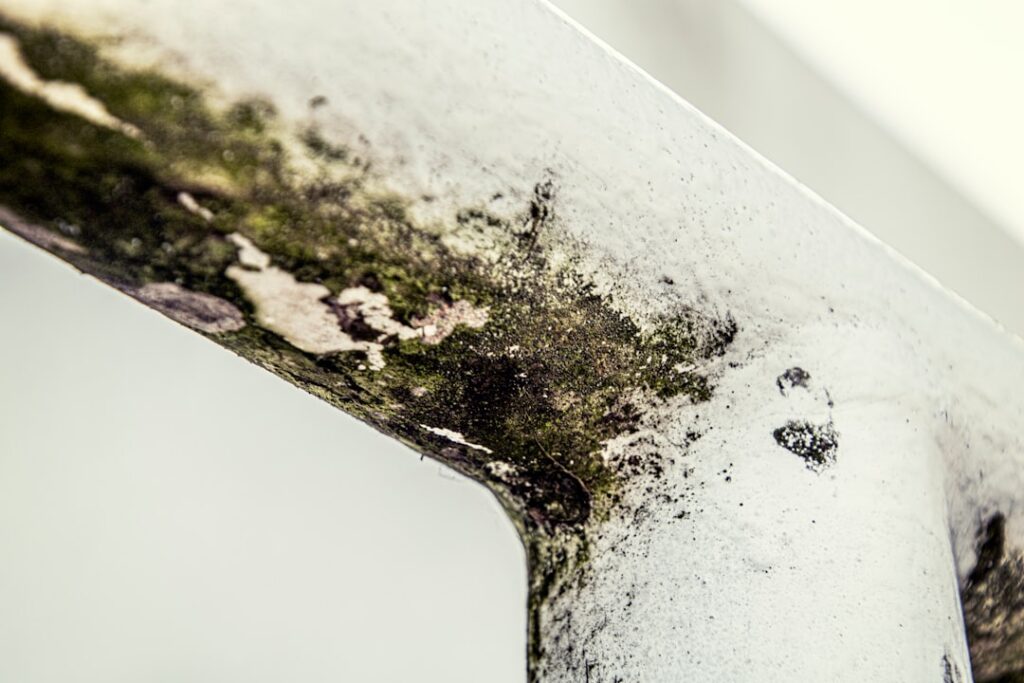
Mold stain removal products tackle the cosmetic problem that remains after mold itself has been killed: the dark pigmentation that mold leaves behind on porous surfaces. Killing mold and removing the stain are two different jobs. A bleach spray kills surface mold on contact but may not fully remove embedded pigment in wood or grout. A specialized stain remover, often based on hydrogen peroxide, oxalic acid, or sodium percarbonate, addresses what the disinfectant cannot. This guide summarizes EPA, CDC, and OSHA guidance current as of 2026 and walks through how stain-removal chemistry works, which products fit which surfaces, and the situations where a stubborn stain is actually telling you to call a remediator. Consult your physician for symptoms and a certified inspector for documentation-grade work.
Part of our Mold Removal & Remediation guide — start there for the full picture →
Is this mold, asbestos, or water damage? Get a free instant screen
Upload a clear photo of the suspect area. You'll get an instant AI screening opinion and what to do next. This is screening guidance, not a professional determination.
Screening guidance only. AI can be wrong. Confirm asbestos, mold type, or lead with lab testing or a licensed professional before acting.
Why mold leaves stains
Fungal colonies produce pigment compounds — melanin and related polymers — that bind to porous substrates and resist surface cleaning. Stachybotrys produces a characteristic dark green-black pigment. Cladosporium produces gray-green. Aspergillus niger produces black. Aureobasidium produces black on bathroom caulk. These pigments penetrate the substrate, which is why scrubbing the surface with detergent often does not fully remove them. A stain-removal product chemically oxidizes or lifts the pigment from the substrate.
For broader cleanup context, the mold inspection and testing hub covers when surface cleaning is appropriate versus when materials must be replaced.
The four main active ingredients in mold stain removal products
Sodium hypochlorite (chlorine bleach)
The most common active ingredient. Diluted bleach at 1 cup per gallon of water (EPA’s general recommendation) oxidizes mold pigment effectively on hard non-porous surfaces — tile, fiberglass, glass, painted concrete. On grout, wood, and fabric, bleach can lighten or eliminate the stain but may also damage the substrate. Commercial products sold as “mold stain removers” often use 3-6% sodium hypochlorite with thickeners and surfactants.
Hydrogen peroxide
3% household peroxide oxidizes mold pigment more gently than bleach and is safer for fabric and wood. Commercial mold stain products often use 3-7% peroxide with stabilizers. Peroxide breaks down into water and oxygen, making it environmentally friendlier than bleach. Stain removal is slower but more substrate-compatible.
Oxalic acid
Used in deck cleaners and wood brighteners, oxalic acid removes dark mold stains from raw or weathered wood without bleaching the wood itself. Cost is higher than bleach or peroxide products, but the wood-color preservation makes it the right choice for cedar decks, log siding, and unfinished wood interiors with mold staining.
Sodium percarbonate
“Oxygen bleach” — releases hydrogen peroxide and sodium carbonate when dissolved in water. Marketed as a fabric-safe stain remover. Effective on grout, tile, and many fabrics. Slower than chlorine bleach but does not produce respiratory irritants the way bleach does.
Matching product to surface
- Bathroom tile and grout: Chlorine bleach gel products are most effective; sodium percarbonate for color-sensitive grout
- Fiberglass tub and shower surrounds: Chlorine bleach spray; peroxide-based products as fabric-safe alternative
- Painted drywall and ceiling: 3% hydrogen peroxide spray to preserve paint finish
- Unfinished or weathered wood: Oxalic acid for color-preserving cleaning
- Concrete and masonry: Chlorine bleach diluted per EPA guidance, or sodium percarbonate
- Fabric and upholstery: Sodium percarbonate or 3% peroxide; chlorine bleach permanently bleaches color
- Vinyl siding: Sodium percarbonate or peroxide-based outdoor cleaners
The sibling guide on spray mold cleaner covers the spray-format products in more depth.
How to use mold stain removal products safely
OSHA general industry guidance and EPA cleanup recommendations converge on the same procedure:
- Ventilate the area — open windows and run exhaust fans
- Wear nitrile gloves, eye protection, an N95 respirator, and long sleeves
- Apply the product per label directions until the surface is visibly wet
- Allow the label-specified contact time (typically 5-15 minutes)
- Scrub gently with a brush or cloth if needed; do not over-disturb dry growth
- Wipe clean and discard the cloth
- Dry the surface completely
- Fix the underlying moisture source — leaks, condensation, ventilation
What a stain-removal product cannot do
- Reach mold that has penetrated past the surface into porous substrates
- Restore drywall paper, ceiling tile, or insulation that has been saturated
- Address mold inside walls or above ceilings
- Replace moisture-source repair
- Prevent return of mold if humidity remains elevated
When a stain means deeper trouble
Stains that return within weeks of removal indicate either a persistent moisture source or mold growing inside the substrate that surface treatment cannot reach. Stains that cover more than 10 square feet trigger EPA’s professional-remediation threshold. Stains on porous materials — drywall paper, ceiling tile, paper-backed insulation, carpet padding — usually require material replacement rather than chemical cleaning. The cluster guide on mold spore testing covers when testing is needed before remediation.
Cost ranges for mold stain removal products in 2026
- Chlorine bleach concentrate (1 gallon): $4-8
- Ready-to-use bleach mold spray (32 oz): $6-12
- 3% hydrogen peroxide household bottle (32 oz): $3-5
- Commercial peroxide-based mold cleaner (32 oz): $10-18
- Oxalic acid wood brightener (1 gallon): $20-35
- Sodium percarbonate concentrate (5 lb): $15-25
- Specialty mold-stain gel products (16-32 oz): $12-25
Common mistakes with mold stain removal products
- Mixing bleach and ammonia-based cleaners — generates toxic chlorine gas
- Using bleach on color-sensitive grout or fabric — permanent discoloration
- Skipping the label contact time — the active ingredient needs time to penetrate
- Treating the stain without fixing the moisture source — mold and stains return
- Spraying drywall and assuming the problem is solved when stain returns within weeks
- Using oxalic acid without gloves and eye protection — it is corrosive to skin and eyes
- Sealing mold under paint — paint over mold rarely holds and traps moisture
Safety and PPE
OSHA recommends an N95 respirator minimum for any mold disturbance over a few square feet, nitrile gloves for chemical contact, and chemical splash goggles. Long sleeves prevent skin irritation from bleach or oxalic acid overspray. Ventilation is mandatory for bleach products. Anyone with asthma or compromised immunity should avoid mold-disturbing work entirely.
Front Range homeowner context
Colorado’s dry climate means mold returns slower than in humid regions, which makes surface stain removal more durable on the Front Range than in coastal states. Common applications include bathroom grout cleaning after winter humidifier-related mold growth, finished-basement perimeter wall stain removal after foundation seepage repair, evaporative-cooler ductwork cleaning before fall shutdown, and cedar-deck cleaning after spring snowmelt.
Eco-friendly and low-toxicity options
For households where chlorine bleach is unacceptable (children, pets, asthma sensitivity, septic concerns), the practical alternatives are:
- 3% hydrogen peroxide — kills mold and lifts stains with no toxic residue
- Sodium percarbonate — color-safe, fabric-safe oxygen bleach
- Distilled white vinegar (5% acetic acid) — antimicrobial, less aggressive on stains but safer to use
- Botanical sprays with thymol or citric acid — vary in performance, look for EPA registration numbers
When to skip stain removal entirely
Skip stain removal and remove the material when:
- Mold has penetrated porous substrate (drywall paper, ceiling tile, insulation, carpet padding)
- Affected area exceeds 10 square feet
- Stachybotrys has been confirmed and the substrate is porous
- Stain returns within weeks of repeated treatment
- Occupants have health vulnerabilities making disturbance risky
Surface compatibility quick reference
Picking the right product for the substrate prevents collateral damage:
- Glazed ceramic tile: Bleach products safe; rinse thoroughly
- Unglazed tile or stone: Avoid bleach (can lighten color); use peroxide or sodium percarbonate
- Colored grout: Sodium percarbonate or peroxide; bleach lightens permanently
- White grout: Bleach products safe; preserve sealed-grout status by resealing after cleaning
- Painted drywall (latex paint): 3% peroxide; avoid bleach which damages paint film over time
- Painted drywall (oil-based paint): Bleach acceptable but test first
- Bare wood (interior): Oxalic acid for color preservation; bleach lightens wood permanently
- Stained or finished wood: Peroxide or specialty wood cleaners; bleach damages finish
- Concrete masonry: Bleach or sodium percarbonate; both work
- Vinyl flooring: Peroxide or vinyl-safe cleaners; avoid prolonged bleach contact
- Fabric upholstery: Sodium percarbonate; bleach destroys color
What to do when stains return repeatedly
Persistent stain return is the clearest signal that the underlying problem is moisture rather than the visible mold. Common diagnostic steps when stains keep returning:
- Measure relative humidity in the affected room with a $15 hygrometer; target 30-50%
- Run a moisture meter on adjacent walls, floors, and ceilings to find hidden moisture
- Check exterior walls for leaks during heavy rain
- Inspect plumbing supply lines and drains in the wall cavity behind the stain
- Verify that bathroom and kitchen exhaust fans actually vent to outdoors (not into the attic)
- Look for vapor migration through concrete floors in basements
- Check HVAC equipment for condensation problems
Without finding and fixing the moisture source, even the most thorough stain removal is a temporary fix. EPA’s cleanup guidance repeats this point because it is the single most common homeowner mistake.
Specific surface protocols
Bathroom tile and grout
Apply a bleach gel or paste, leave for 5-10 minutes contact time, scrub with a stiff brush, rinse with clean water. For colored grout where bleach lightening is unwanted, use sodium percarbonate dissolved in warm water at the label dilution. Reseal grout after cleaning to slow future mold colonization.
Fiberglass tub and shower surrounds
Bleach spray is the standard choice. Apply, let sit 5 minutes, scrub, rinse. Watch for caulk lines where mold often returns first — replace caulk if mold cannot be fully removed from the joint.
Painted drywall and ceiling
3% hydrogen peroxide preserves paint finish better than bleach. Spray lightly, let sit 5-10 minutes, wipe with a clean cloth. Multiple light applications work better than one heavy soak, which can soften the paint film.
Weathered wood and decking
Apply oxalic acid wood brightener per label directions, scrub with a stiff brush, rinse thoroughly. Wear chemical splash goggles — oxalic acid is corrosive to eyes. Allow wood to dry fully before staining or sealing.
Disposal considerations
Cleaning rags and cloths used on mold should be sealed in plastic bags and discarded with regular trash. Do not launder mold-cleaning rags with regular laundry. Personal protective equipment (gloves, respirators, coveralls) should be disposed of after use unless designed as reusable. Cleaning solution residue in buckets can be poured down household drains in most jurisdictions, but check local water-quality regulations for restrictions on chlorine bleach disposal in areas with septic systems or sensitive watersheds.
When to call a professional
Call a certified mold remediator when affected area exceeds 10 square feet, when the substrate is porous, when HVAC contamination is suspected, when Stachybotrys has been confirmed, or when occupants have health vulnerabilities. Look for IICRC S520 certification, InterNACHI mold credentials, and verify the remediator does not also test the home — the conflict of interest is structural.
References
- EPA: Mold cleanup in your home — Environmental Protection Agency
- CDC: About mold — Centers for Disease Control and Prevention
- OSHA: Mold in the workplace — Occupational Safety and Health Administration
- InterNACHI mold inspection standards — International Association of Certified Home Inspectors
Frequently asked questions
What is the best mold stain removal product?
For non-porous surfaces, EPA-recommended diluted chlorine bleach (1 cup per gallon) removes both mold and stain reliably. For color-sensitive grout and fabric, sodium percarbonate or 3% hydrogen peroxide is the safer alternative. For unfinished wood, oxalic acid preserves wood color while removing stain.
Can mold stain removal products kill mold or just remove the stain?
Most products do both — the oxidizing chemistry that lifts pigment also kills viable spores and surface hyphae. EPA-registered antimicrobials are required to legally claim mold-killing performance; look for the EPA registration number on the label.
How do I remove mold stains from wood?
Oxalic acid wood brightener removes dark mold pigment without bleaching the wood itself. Sodium percarbonate is a milder alternative. Chlorine bleach removes stain but lightens wood color, which may not be desirable on cedar or other naturally colored woods.
Why do mold stains keep coming back after I clean them?
Persistent stain return indicates either ongoing moisture (the mold is still growing) or growth inside porous substrate that surface treatment cannot reach. Fix the moisture source first. If stains return on porous materials, replace the material rather than continuing to treat the surface.
Front Range homeowners dealing with mold stains that keep returning despite repeated cleaning can reach out through our contact page for a referral to a vetted local mold inspector who can identify the moisture source feeding the return.
Mold removal & cleanup picks
For a small, contained patch (under ~10 sq ft) these EPA-friendly removers handle surface mold. Larger or recurring growth warrants a professional assessment first.
| Product | Why | Buy |
|---|---|---|
 RMR-86 Instant Mold Stain Remover | Fast-acting on stains; ventilate and wear PPE. | Amazon — $29.99 |
 Concrobium Mold Control | No-bleach formula that also helps prevent regrowth. | Amazon — $11.26 |
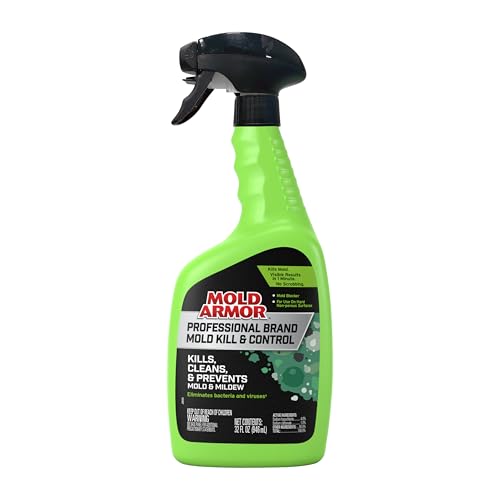 Mold Armor Mold & Mildew Remover | Widely stocked bathroom/surface remover. | Amazon — $22.98 |