Mold Removal Product: How to Choose One
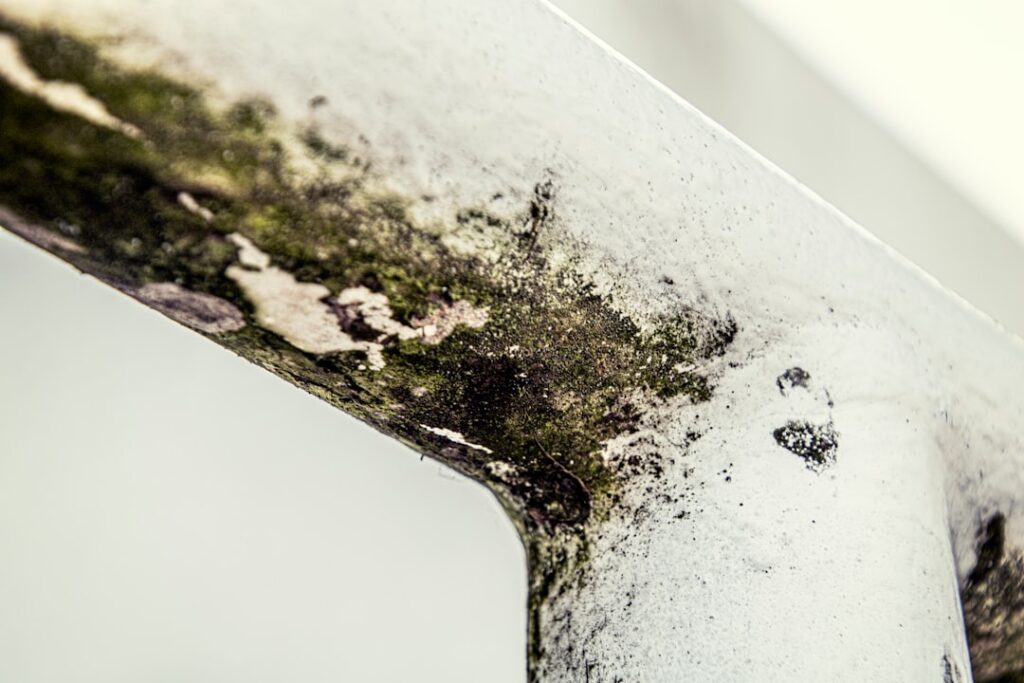
A mold removal product is any item sold to take mold off household surfaces, a category broad enough to include sprays, foams, gels, concentrates, and wipes. With so many formats competing for the same shelf, the useful question is not which brand wins but which type fits your surface and situation. This guide is neutral and educational. It summarizes EPA and CDC guidance current as of 2026 and does not replace a physician for health symptoms or a certified professional for testing and remediation decisions.
Part of our Mold Removal & Remediation guide — start there for the full picture →
Is this mold, asbestos, or water damage? Get a free instant screen
Upload a clear photo of the suspect area. You'll get an instant AI screening opinion and what to do next. This is screening guidance, not a professional determination.
Screening guidance only. AI can be wrong. Confirm asbestos, mold type, or lead with lab testing or a licensed professional before acting.
The Main Types of Mold Removal Product
Removal products come in formats that suit different jobs. Ready-to-use sprays are convenient for small, occasional spots. Foams cling to vertical surfaces and increase contact time, which helps on shower walls. Gels target grout lines and caulk where a thin liquid would run off. Concentrates dilute for larger or repeat jobs at lower cost per use. Wipes handle quick, small touch-ups.
Within those formats, the active chemistry varies: chlorine bleach, hydrogen peroxide, quaternary ammonium, and botanical actives such as thymol. The EPA’s guiding principle cuts across all of them: the goal is to remove mold and its spores, not merely to kill it in place, because dead spores can still cause allergic reactions. A product that leaves dead growth embedded in porous material has not finished the job.
Reading a Mold Removal Product Label
Two label details separate a serious product from a deodorizer. An EPA registration number indicates the product is registered as an antimicrobial pesticide with submitted efficacy data. A stated dwell time tells you how many minutes the surface must stay wet for the active ingredient to work. A product wiped off too soon rarely delivers its claim.
Efficacy percentages like “removes 99.9% of mold” reflect controlled lab tests on clean surfaces, not the porous, dirty conditions of a real home, so read them as a ceiling. Pay attention to surface warnings as well, since bleach corrodes metal and discolors grout, and some products damage finishes. Choosing a product compatible with your surface matters more than chasing the highest advertised percentage.
Matching Format to Job
For a small spot on flat tile, a ready-to-use spray is simplest. For a shower wall where liquid runs off, a foam holds contact longer. For grout and caulk lines, a gel stays put. For a large or recurring project, a concentrate is the better value if you dilute it to label directions. Matching the format to the geometry of the job improves results as much as the chemistry does.
Matching the Product to the Surface
On non-porous surfaces, a removal product can do most of the work because the growth sits on top. Glazed tile, sealed counters, glass, and finished metal can be treated, allowed to dwell, agitated, and wiped clean; the EPA notes hard surfaces can generally be cleaned and reused once dry.
On porous surfaces the product disappoints. Drywall paper, bare wood, grout, ceiling tile, and fabric let mold root below the surface, so the product lightens the stain but leaves the structure intact and the growth returns. For these materials the EPA leans toward removing and replacing rather than repeated treatment. Knowing your surface type before you buy prevents wasted money and false confidence.
Using a Removal Product Safely
Applying any removal product disturbs the mold and releases spores, so the CDC recommends gloves, eye protection, and an N-95 respirator, plus ventilation. Spray and aerosol formats put mist and spores into the breathing zone, so protection matters even for quick jobs.
Never mix chlorine and ammonia products, which create toxic gas. Use one product, rinse, and dry before introducing another. People with asthma, allergies, or weakened immunity should avoid doing the work, since the CDC notes these groups face higher exposure risk.
A Product Is One Step, Not the Whole Fix
A mold removal product works best inside a sequence. First locate and fix the moisture source. Second, dry the area within the EPA’s 24-to-48-hour window. Third, remove colonized porous materials. Treating salvageable hard surfaces with a product is the finishing step. Skip the moisture repair and even the best product only buys time before the growth returns.
Homeowners weighing a do-it-yourself approach can start with the broader mold inspection and testing hub, which covers assessment and when professional help pays off. For format and chemistry comparisons, our guides to mold removal spray types and mold removal solution options go into more depth.
Preventing Regrowth
No product prevents mold; moisture control does. The CDC and EPA point to keeping indoor humidity below roughly 50 percent, ventilating bathrooms and kitchens, and fixing leaks promptly. After treating an area, dry it thoroughly and watch it over the following weeks. Quick recurrence in the same spot means the moisture source remains and no product will resolve it until the water is addressed. In Front Range homes, finished basements and winter humidifier use are common sources worth monitoring.
Comparing the Chemistry Behind the Formats
Beneath the format choices, the active chemistry shapes how a product behaves. Chlorine bleach oxidizes pigment fast and costs little, but it corrodes metal, discolors materials, carries harsh fumes, and performs poorly on porous surfaces because it is mostly water. Hydrogen peroxide oxidizes with less odor and breaks down into water and oxygen, leaving little residue, which suits indoor use. Quaternary ammonium leaves an antimicrobial residue and resists evaporation, giving it longer working time on a surface.
Botanical actives such as thymol or citric acid market a lower-toxicity profile for households sensitive to chemicals, generally at the cost of longer dwell times. None is universally best; the right choice weighs the surface, the size of the job, how enclosed the space is, and who will occupy the room afterward. A buyer who matches both the format and the chemistry to the specific situation gets a better result than one who chases the highest advertised kill percentage.
What a Product Cannot Do
A removal product addresses the visible growth on a surface, and that is the boundary of its usefulness. It cannot find the leak feeding the mold, determine which materials are colonized below the surface, or confirm that an area has dried enough to stay clear. Those steps decide whether the growth returns, and they fall outside what any bottle delivers. Recognizing this keeps expectations realistic and points a homeowner toward the moisture work that actually ends the problem.
The product also cannot judge scope. From the shelf, there is no way to tell whether a stain marks a trivial surface issue or the visible edge of a larger hidden colony. That assessment requires looking behind the growth at home, checking for moisture, and measuring the affected area. Used as one tool within that larger process, a removal product earns its place; treated as the whole answer, it usually disappoints.
Front Range Moisture Patterns Behind Mold
In Colorado homes, the growth that prompts a removal-product search usually traces to local moisture patterns. Finished basements collect condensation against cool foundation walls. Summer swamp coolers raise indoor humidity, and winter humidifiers set too high do the same against dry air, supporting growth on cooler surfaces and window frames. Ice dams can force meltwater into attics and walls, where mold appears weeks later.
A removal product treats the result, but understanding the cause helps a homeowner decide whether a product will suffice. Recurrent growth in a damp basement signals a humidity problem better solved with a dehumidifier and improved drainage than with any bottle. A simple hygrometer shows whether indoor humidity is the underlying driver. Reading the local pattern behind the stain turns a reactive purchase into an informed part of a real fix.
When a Product Is Not Enough
Some situations call for a professional rather than a retail product. Growth larger than about ten square feet, mold inside walls or HVAC systems, contamination from flood or sewage water, and households with respiratory conditions all warrant professional remediation. A specialist brings containment, HEPA filtration, safe removal, and verification that no shelf product can match, and they trace the hidden moisture path keeping the problem alive.
The deciding advantage is the diagnostic and verification work a product cannot perform. A specialist locates the moisture source, removes colonized materials behind containment, and confirms the space is dry before rebuilding. When a problem is large or keeps returning despite repeated treatment, that recurrence is the clearest signal that the answer lies beyond any product on the shelf.
Application Technique That Improves Results
How a product is applied often matters more than which product it is. The single most common failure is insufficient dwell time: most people spray and wipe within seconds, far short of the minutes the label specifies for the active ingredient to work. Keep the surface visibly wet for the full labeled time, re-applying if it dries early. Agitate stubborn growth with a brush after the product has had time to act, then wipe or rinse as directed.
Work systematically to avoid spreading the problem. Move top to bottom so runoff lands on areas you have not yet cleaned, and clean from the edges of growth inward to limit how much you disturb at once. On vertical surfaces, a foam or gel format holds contact better than a thin liquid that drains away. On grout and caulk, let the product sit in the joint rather than wiping it off immediately. These habits cost nothing and lift the performance of an ordinary product above that of a premium one applied carelessly, which is why technique deserves as much attention as the purchase decision itself.
Safe Use and Health Considerations
Using a removal product safely protects both the person doing the work and the household. Because applying any product disturbs mold and releases spores, the CDC recommends gloves, eye protection, and an N-95 respirator, plus ventilation, with extra caution for spray and aerosol formats that put mist into the breathing zone. Never mix chlorine and ammonia products, which create toxic gas.
The deeper reason for care is health. The CDC notes that damp, moldy environments can cause a range of effects and that sensitive groups, including people with allergies, asthma, or weakened immune systems, may react more strongly. A product that fades a stain without removing the growth or controlling moisture leaves a spore source behind. For healthy people, a brief, well-ventilated cleanup carries limited risk, while ongoing exposure from a cosmetically treated but unresolved problem is the greater concern. Anyone with symptoms they suspect are mold-related should consult a physician. The product handles the surface, a doctor addresses symptoms, and a professional addresses the source.
Cost, Value, and Realistic Expectations
Removal products are inexpensive, which makes them an easy purchase and an easy crutch. A small outlay buys real help on a small, hard-surfaced spot, and for that use the value is genuine. The risk is treating low cost and convenience as proof the product can replace moisture repair and material removal. Buying product after product to fight the same recurring spot is a clear sign the real problem lies in the moisture, not the cleaning.
Honest expectations make the product useful rather than disappointing. Expect it to lighten or remove staining on hard surfaces, to require its full dwell time, and to accomplish nothing lasting on porous materials or active leaks. Measured against those limits, a mold removal product earns a place in the cleaning cabinet while the durable work of keeping a home clear happens through humidity control and prompt repairs.
More Questions About Choosing a Mold Removal Product
Do mold removal products work on fabric or carpet?
Most mold removal products are made for hard surfaces and work poorly on fabric or carpet, where mold grows into fibers and backing.
Washable fabrics usually respond better to a hot laundry cycle than to a spray. Small spots on rugs or upholstery may lighten with a fabric-safe cleaner, but carpet that stayed wet for more than a day or two often has growth in the padding beneath. The EPA generally recommends discarding moldy carpet and padding that cannot be thoroughly cleaned and dried. Always spot-test, since bleach-based products will discolor most fabrics.
Can you use a mold removal product on wood?
A mold removal product can be used on sealed or painted wood, but unfinished wood is harder to treat because mold can grow into the grain.
Pick a product labeled for wood and avoid strong bleach, which can discolor and dry out wood fibers. Scrub, wipe, and dry thoroughly. For framing or subfloor, professionals often clean, sand, or HEPA vacuum the surface rather than relying on chemicals alone. Wood that feels soft or crumbles has rot, which needs repair or replacement beyond any cleaning product.
Do natural mold removal products like vinegar or tea tree oil work?
Natural options such as white vinegar can help clean light mold on hard surfaces, but results are less consistent than with EPA-registered products, and claims about tea tree oil are mostly based on limited evidence.
Vinegar’s mild acidity loosens surface growth and residue, which suits small spots on tile or glass. Natural products should still be used with gloves and good ventilation. Whatever is used, physical removal and drying matter more than the active ingredient, and none of these options reach mold growing inside drywall or insulation.
Do mold removal products expire?
Yes, many mold removal products lose strength over time, and bleach-based products are among the quickest to degrade, often losing noticeable potency within about a year.
Check the bottle for an expiration or manufacture date and store products in a cool, dark place with the cap tightly closed. Heat and sunlight speed the breakdown of bleach and hydrogen peroxide. A product past its date may clean less effectively and may no longer meet its labeled claims, so replacing an old bottle is usually worth it for anything beyond a light wipe-down.
Is a mold removal product enough for black mold?
A mold removal product can handle small patches of black mold on hard, non-porous surfaces, but it is not enough for large areas, mold inside walls, or growth on porous materials.
Black mold is cleaned the same way as other mold colors; the color alone does not identify a species or change the approach. Above about 10 square feet, or where growth follows a major leak, professional remediation with containment is the safer choice. People with respiratory conditions should avoid doing the cleanup and can ask a doctor about exposure concerns.
References
- Mold Cleanup in Your Home — U.S. Environmental Protection Agency
- About Mold and Your Health — Centers for Disease Control and Prevention
- A Brief Guide to Mold, Moisture and Your Home — U.S. Environmental Protection Agency
Frequently asked questions
What type of mold removal product should I choose?
Match the format to the job: sprays for small flat spots, foams for vertical surfaces, gels for grout and caulk, and concentrates for large or repeat jobs. Then match the chemistry to your surface and check for an EPA registration number.
Do mold removal products work on drywall?
On porous drywall paper, products lighten the stain but cannot reach the growth rooted below the surface, so it returns. The EPA generally recommends removing and replacing visibly moldy porous materials rather than treating them.
Is it safe to use a mold removal product at home?
Yes, with gloves, eye protection, an N-95 respirator, and ventilation. Never mix chlorine and ammonia products, and keep at-risk occupants out of the work area.
Why does mold return after using a removal product?
Recurrence means the moisture source is still active or the material is porous and colonized below the surface. Fix the leak, control humidity, and replace saturated porous materials.
Can you combine two different mold removal products?
No, two different mold removal products should not be combined or used back-to-back without rinsing. Bleach reacts dangerously with ammonia, acids such as vinegar, and some other cleaners. Use one product at a time, rinse and dry the surface, and ventilate the room between products.
Do you need to rinse after using a mold removal product?
Many mold removal products need rinsing or wiping after the dwell time, especially on food-contact surfaces and anywhere children or pets touch. Some are labeled as no-rinse. The label is the guide; when in doubt, wipe with clean water and dry the surface thoroughly.
Do mold removal products work on concrete basement floors?
Mold removal products can clean surface mold on bare concrete basement floors, since concrete is hard and fairly durable. Scrub with a stiff brush, rinse, and dry with fans or a dehumidifier. Recurring growth points to moisture coming through the slab or poor drainage outside.
Front Range homeowners who want a vetted inspector to find the moisture behind a recurring mold problem can reach out through our contact page.
Mold removal & cleanup picks
For a small, contained patch (under ~10 sq ft) these EPA-friendly removers handle surface mold. Larger or recurring growth warrants a professional assessment first.
| Product | Why | Buy |
|---|---|---|
 RMR-86 Instant Mold Stain Remover | Fast-acting on stains; ventilate and wear PPE. | Amazon — $29.99 |
 Concrobium Mold Control | No-bleach formula that also helps prevent regrowth. | Amazon — $11.26 |
 Mold Armor Mold & Mildew Remover | Widely stocked bathroom/surface remover. | Amazon — $22.98 |