Mold Removal Sprays: Types and What Each Is For
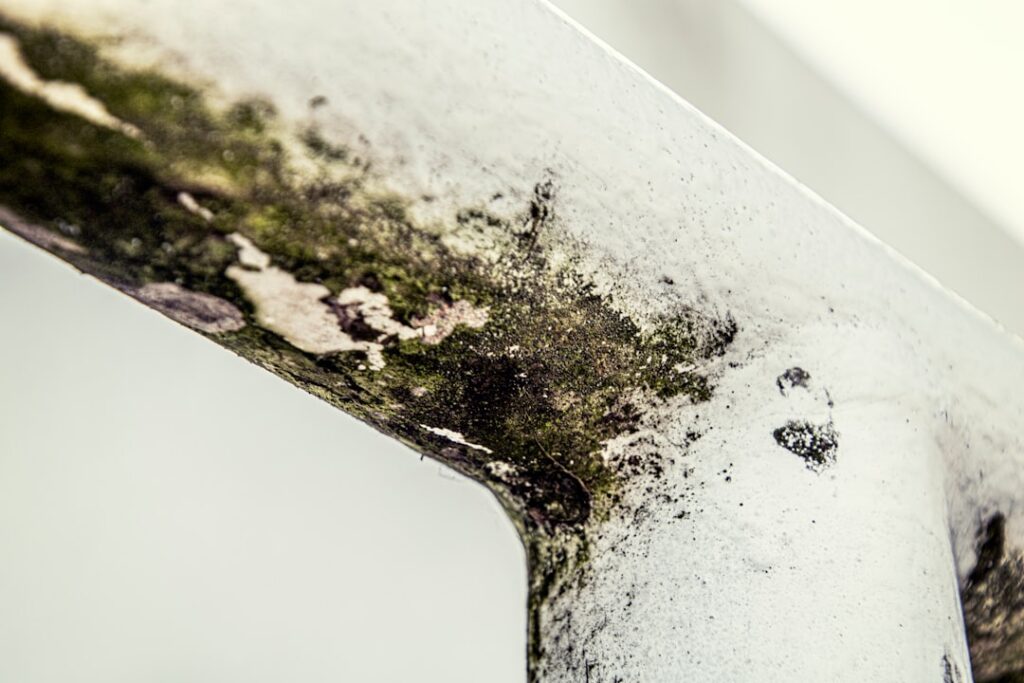
The market for mold removal sprays is wide, and the labels rarely make it clear how the products differ. Bleach-based, peroxide-based, botanical, biocidal, and “natural” sprays all sit on the same shelf making similar promises. Sorting them by chemistry and intended use helps a homeowner pick the right one for a given surface, and just as importantly, recognize the situations where no spray is the answer. This guide summarizes EPA and CDC guidance current as of 2026; consult your physician for any health symptoms and a certified professional for larger contamination or testing decisions.
Part of our Mold Removal & Remediation guide — start there for the full picture →
Is this mold, asbestos, or water damage? Get a free instant screen
Upload a clear photo of the suspect area. You'll get an instant AI screening opinion and what to do next. This is screening guidance, not a professional determination.
Screening guidance only. AI can be wrong. Confirm asbestos, mold type, or lead with lab testing or a licensed professional before acting.
What mold removal sprays have in common
Before the differences, the shared truth. Every spray, regardless of chemistry, only acts on the surface it contacts. None of them addresses the moisture that causes growth, and none can reach mold rooted inside porous materials. The EPA’s cleanup guidance is consistent across product types: fix the moisture source first, then physically remove contaminated material. A spray is a cleaning aid, not a cure for the underlying condition. With that framing set, the type you choose still matters for the jobs a spray can legitimately handle. Our mold inspection and testing hub lays out where cleaning fits in the bigger picture.
The main types of mold removal sprays
Detergent-based sprays
The simplest category is soap and water in a spray form. The EPA considers detergent and water adequate for most hard-surface mold cleanup, because the mechanical action of scrubbing does the real work. These sprays carry no harsh fumes and suit routine bathroom and kitchen maintenance. They are the safest starting point and the most underrated.
Chlorine bleach sprays
Sodium hypochlorite sprays are the most familiar mold product. They kill mold cells and lift staining on hard, non-porous surfaces like tile and glass. Their weakness is that they are mostly water, so on porous materials the water content can feed mold while the chlorine evaporates. EPA guidance no longer recommends routine bleach use for most residential mold cleanup. Bleach sprays also produce fumes and must never be mixed with ammonia or acidic cleaners.
Hydrogen peroxide sprays
A 3 percent hydrogen peroxide spray kills mold on contact and breaks down pigments that cause staining. It is gentler than chlorine, leaves no chlorine residue, and works well on tile, grout, and many sealed surfaces. For homeowners who want an effective oxidizer without bleach fumes, peroxide is a common choice.
Botanical and acid-based sprays
This group includes white vinegar, citric acid blends, and plant-derived products marketed as natural. White vinegar’s mild acidity can address light surface growth on some hard materials. These sprays appeal to households avoiding harsh chemistry, though they are best matched to small, light jobs rather than heavy contamination.
Quaternary ammonium biocide sprays
Many commercial “mold and mildew” sprays use quaternary ammonium compounds, biocides formulated to kill a range of microorganisms. They are designed for hard surfaces and are common in both consumer and janitorial products. As with all biocides, killing the mold does not remove the allergenic material, which still needs to be wiped away.
Foaming and clinging sprays
Some products are formulated to foam or cling rather than run off, which matters on vertical surfaces. A spray that drips off a wall before its dwell time elapses does less work than one that stays in place. Foaming formulas extend contact time on tile walls and shower surrounds, which can improve results on staining. The clinging property is a delivery feature, not a different chemistry; the underlying active ingredient still belongs to one of the families above, and the same surface and moisture limits apply.
Comparing the spray types at a glance
Each type trades off effectiveness, gentleness, fumes, and cost. Detergent sprays are the gentlest and safest, with no harsh fumes, and are well suited to routine maintenance and most hard surfaces. Hydrogen peroxide sits in the middle: effective on staining, no chlorine fumes, and reasonably gentle. Bleach sprays are strong on hard non-porous surfaces but produce fumes, can discolor materials, and are a poor fit for anything porous. Biocidal sprays are formulated for broad antimicrobial action on hard surfaces and are common in commercial settings. Botanical and acid sprays are the gentlest of the active options but are best reserved for light growth. The right choice weighs the surface, the people in the home, and the severity, and in most household cases the gentler options handle the job without the downsides of bleach.
Matching the spray to the surface
The right choice depends mostly on what the mold is growing on.
- Tile, grout, glass, glazed surfaces. Detergent, peroxide, bleach, or biocide sprays all work; scrubbing matters most.
- Sealed wood and finished metal. Detergent or peroxide are gentler and less likely to damage finishes.
- Plastic and fiberglass (tubs, shower surrounds). Detergent or peroxide; check the label for material compatibility.
- Drywall, ceiling tile, insulation, carpet, upholstery. No spray is appropriate. These porous materials usually need removal, not treatment.
That last row is the one homeowners most often get wrong. A spray on a moldy drywall surface removes the visible color while the colony continues inside. For interior wall growth specifically, our guide on removing mold from walls explains why material removal is usually the real answer.
Matching also means respecting finishes. Bleach can fade colored grout and damage some fabrics and metals, so on anything with a finish you care about, a gentler peroxide or detergent product is the safer test. When in doubt, spot-test in an inconspicuous area before treating the whole surface. The few minutes this takes can prevent a discolored patch that is harder to live with than the original staining.
The “kills mold” claim, decoded
A spray that advertises “kills 99.9% of mold” has not necessarily solved anything. Killing mold and removing it are different outcomes. Dead spores and fragments can still trigger allergic and irritant reactions, which is why the EPA frames cleanup as removal rather than sterilization. The practical takeaway: whatever the spray’s kill claim, you still have to physically scrub and wipe the growth away and dispose of it. The active ingredient assists; it does not replace the scrubbing.
The “prevents regrowth” claim deserves the same scrutiny. Some sprays leave a residue marketed as inhibiting future growth, but regrowth is governed by moisture far more than by any residual chemistry. On a surface that stays damp, growth returns regardless of residue; on a surface that stays dry, it would not return anyway. The honest reading is that no spray prevents regrowth in the presence of a moisture problem, and none is needed in its absence. The variable that decides recurrence is water, and that sits outside what any spray controls.
Using any mold removal spray safely
The chemistry varies, but the safety rules are universal. Disturbing mold sends spores into the air, and the products themselves can irritate skin, eyes, and lungs. The Occupational Safety and Health Administration’s mold cleanup guidance scales down to home use.
- Wear PPE. Nitrile or rubber gloves, unvented goggles, and an N95 respirator at minimum.
- Ventilate. Open a window and run an exhaust fan; never spray biocides in a sealed room.
- Never mix products. Bleach with ammonia or acids releases toxic gases.
- Confirm the scope is small. The EPA’s rough threshold for DIY is under about 10 square feet on hard surfaces.
- Dry thoroughly. Residual moisture invites regrowth no matter which spray you used.
When a spray is the wrong tool entirely
Some situations call for assessment, not a product. Growth larger than roughly 10 square feet, contamination on porous materials, a persistent musty smell with no visible source, mold that returns after cleaning, and any growth following flooding or sewage all point to professional evaluation. Households with asthma, allergies, or immune concerns should favor assessment over repeated DIY. On the Colorado Front Range, recurring bathroom and basement mold in counties like Denver, Jefferson, and Arapahoe usually traces to a humidity or drainage issue that outlasts any spray. A professional finds the moisture source so the cleanup holds. For a broader comparison of removal approaches, see our overview of what gets rid of mold.
Application technique that improves results
How a spray is applied affects how well it works on the jobs it can handle. Dwell time matters: most products need to sit on the surface for a stated period to let the active ingredient act, and wiping too soon wastes it. On vertical surfaces, a spray that runs off before its dwell time elapses does little, which is why foaming or clinging formulas exist. Applying enough product to keep the surface wet for the full dwell time, then scrubbing, gives the best result the chemistry can offer.
Scrubbing is where most of the actual removal happens. The spray loosens growth; the brush lifts it off the surface. Working in a way that captures material rather than smearing it, rinsing or replacing the cloth frequently, and keeping the surface damp to limit airborne spores all improve the outcome. A common mistake is treating the spray as the whole job and skipping the mechanical work, which leaves growth and allergenic material in place. The product and the scrubbing work together; neither alone finishes the job.
Reading the label before you buy
The label carries the information that matters most for a sound purchase. Check which surfaces the product is rated for, since a spray formulated for one material may damage another. Note the dwell time, the period the product must remain on the surface to work, because cutting it short wastes the active ingredient. On biocidal products, an EPA registration number indicates the product is registered for its stated antimicrobial use. And treat any claim of preventing future growth with skepticism, since recurrence is governed by moisture rather than by residue. Reading the label this way turns a guess into an informed choice and steers you toward the product that actually fits your surface and your situation.
Storage, safety, and disposal
Mold removal sprays are household chemicals and deserve the same care as any other. Store them out of reach of children and pets, keep them in their original labeled containers, and never decant a product into an unmarked bottle. Keep incompatible chemicals apart, since the danger of accidentally combining bleach with an ammonia or acid product is real. Check labels for storage temperature guidance, as some products degrade in extreme heat or cold.
Disposal also matters. Follow label instructions and local regulations for discarding leftover product and empty containers; do not pour large quantities down drains. After a cleaning job, bag the used cloths, brushes, and disposable protective gear before carrying them through the house, so settled spores do not spread to clean areas. These habits are simple, but they close the loop on a safe cleanup and prevent the project from creating new problems elsewhere in the home.
How sprays fit into routine prevention
Beyond reacting to visible growth, mold removal sprays have a modest role in routine prevention on hard surfaces. Regularly cleaning bathroom and kitchen surfaces removes the soap film, grease, and dust that mold and mildew feed on, which makes growth less likely to take hold in the first place. A detergent spray used as part of ordinary cleaning is well suited to this. The aim is not to chemically protect the surface but to keep it free of the organic residue and standing moisture that growth needs. Paired with good ventilation, squeegeeing wet surfaces, and controlling humidity, this kind of routine upkeep does more to prevent recurring mold than any reactive treatment. The spray, in this preventive role, is simply a cleaning aid that helps maintain the dry, clean conditions in which mold cannot establish.
References
- Mold Cleanup in Your Home — U.S. Environmental Protection Agency
- About Mold and Your Health — Centers for Disease Control and Prevention
- Mold Hazards and Cleanup Guidance — Occupational Safety and Health Administration
If you are on the Front Range and a spray keeps falling short, get in touch through our contact page to connect with a vetted inspector who can find the moisture source.
Mold removal & cleanup picks
For a small, contained patch (under ~10 sq ft) these EPA-friendly removers handle surface mold. Larger or recurring growth warrants a professional assessment first.
| Product | Why | Buy |
|---|---|---|
 RMR-86 Instant Mold Stain Remover RMR-86 Instant Mold Stain Remover | Fast-acting on stains; ventilate and wear PPE. | Amazon — $29.99 |
 Concrobium Mold Control Concrobium Mold Control | No-bleach formula that also helps prevent regrowth. | Amazon — $11.26 |
 Mold Armor Mold & Mildew Remover Mold Armor Mold & Mildew Remover | Widely stocked bathroom/surface remover. | Amazon — $22.98 |