Spray for Mold: What Homeowners Should Know
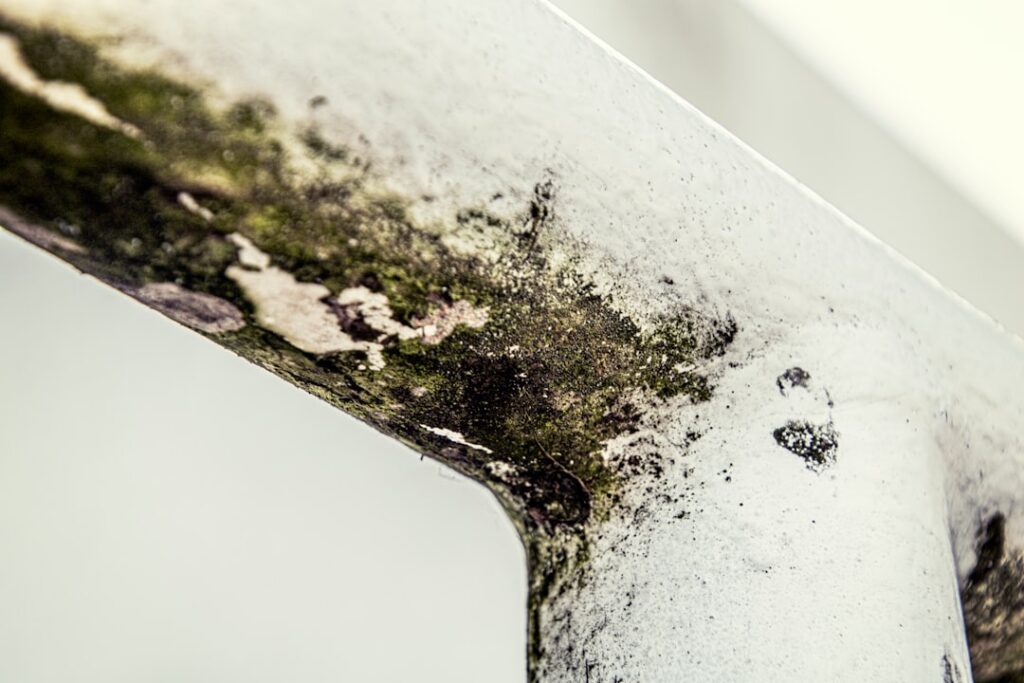
Reaching for a spray is most people’s first instinct when they spot mold, and for a small patch on the right surface that instinct is sound. The catch is that no single spray fits every situation, and a spray alone never solves the moisture problem that grew the mold. Choosing the right spray for mold — and knowing what it can and cannot do — saves money and prevents the frustration of growth that keeps returning. This guide compares the common options and explains how to use one well. It summarizes EPA and CDC guidance current as of 2026 — consult a physician about symptoms and a certified professional for larger or recurring problems.
Part of our Types of Mold guide — start there for the full picture →
Is this mold, asbestos, or water damage? Get a free instant screen
Upload a clear photo of the suspect area. You'll get an instant AI screening opinion and what to do next. This is screening guidance, not a professional determination.
Screening guidance only. AI can be wrong. Confirm asbestos, mold type, or lead with lab testing or a licensed professional before acting.
Which spray for mold should you use?
The best spray depends on the surface, not the color of the mold. The core distinction is porous versus non-porous material, because mold sits on top of hard surfaces but roots into porous ones.
For hard, non-porous surfaces — tile, glass, sealed metal, tubs — diluted bleach or an EPA-registered bathroom cleaner sanitizes well. For porous surfaces — painted drywall, wood, grout, concrete — white vinegar or hydrogen peroxide penetrates better and physically addresses more of the growth. For people avoiding harsh chemicals, botanical sprays based on tea tree or thyme oil work on small surface patches with adequate dwell time. The EPA’s overarching point is that physically removing mold matters more than the specific killing agent, so any spray should be paired with scrubbing and thorough drying. Our comparison of the best ways to kill mold lays the options side by side.
Store-bought versus homemade mold sprays
Homeowners frequently weigh a commercial product against a homemade solution, and both have a legitimate place. The choice comes down to surface, severity, and personal preference rather than one being universally better.
Homemade options are inexpensive and effective for small jobs. Undiluted white vinegar kills many mold species and penetrates porous surfaces; a 3 percent hydrogen peroxide solution does likewise with low fumes; and a baking soda paste adds mild scrubbing and deodorizing. These suit chemical-sensitive households, small patches, and routine maintenance. Their limits show on heavy staining and stubborn textured surfaces, where they may need repeated application.
Commercial EPA-registered sprays cost more but combine a tested biocide with surfactants that lift staining, often with less scrubbing, and some include a residual film meant to slow regrowth. They shine on grout, caulk, and persistent growth where homemade mixes struggle. The tradeoff is stronger fumes and the need to follow label directions and dwell times closely.
A reasonable approach is to keep both: a bottle of vinegar or peroxide for small, routine spots and an EPA-registered product for tougher jobs. Whichever you reach for, the rules are the same — never mix bleach with ammonia or vinegar, respect dwell time, scrub to physically remove growth, and dry thoroughly. The product matters less than the technique and the moisture fix behind it.
Common mold sprays compared
Bleach spray
Diluted bleach (about one cup per gallon of water) sanitizes hard surfaces effectively and removes staining. Its weakness is porous material, where the chlorine stays on the surface while the water carries it down, leaving rooted mold alive. It produces strong fumes and must never be mixed with ammonia or vinegar.
Vinegar spray
Undiluted white vinegar kills many mold species, penetrates porous surfaces, and is low-toxicity. Spray it on, let it dwell about an hour, then scrub and wipe. It is a good general-purpose choice for painted walls and wood.
Hydrogen peroxide spray
A 3 to 10 percent solution kills mold, is gentler on lungs than bleach, penetrates reasonably well, and breaks down into water and oxygen with little residue.
Commercial and botanical sprays
EPA-registered commercial sprays combine a biocide with surfactants that lift staining and are worth the cost on stubborn textured surfaces. Botanical sprays suit chemical-sensitive households on small patches. For a closer look at formulated products, our guide to choosing a mold remediation spray covers ingredients and claims in detail.
Matching the spray to the surface and situation
The most useful way to think about mold sprays is by scenario rather than brand. A few common situations map cleanly to the right choice.
For shower tile and tubs, where the surface is hard and non-porous, diluted bleach or an EPA-registered bathroom spray sanitizes well and lifts staining. For grout lines, which are porous, vinegar or a commercial gel cleaner that clings to vertical surfaces reaches into the lines better, and a grout brush does the mechanical work. For painted drywall, vinegar or hydrogen peroxide outperforms bleach because it penetrates rather than sitting on top. For wood trim and framing, a wood-safe cleaner or vinegar avoids the surface damage harsher products can cause, with light sanding for set-in stains.
For concrete basement walls, the surface tolerates aggressive cleaners, but the spray is almost beside the point compared with controlling the condensation or seepage wetting the wall. And for fabric, washable items respond to a vinegar additive in the laundry rather than a surface spray. Reading the situation first — porous or not, structural or cosmetic, wet source resolved or not — leads to a better choice than grabbing whatever bottle is closest.
How to use a mold spray safely and effectively
Technique determines whether a spray works or just spreads spores. Start with protective gear: an N95 respirator, gloves, and eye protection, plus ventilation from an open window and an outward-venting fan.
Fix the moisture source before you spray — a leak, condensation, or high humidity — because spraying a wall that stays wet only delays the regrowth. Pre-clean heavy growth with detergent and water so the spray reaches live mold rather than sitting on debris. Apply the spray to fully wet the surface and let it dwell for the full label time, often 10 minutes or more, which is where many homeowners cut corners. Scrub porous-but-cleanable surfaces like grout, wipe clean, and then dry the area completely with a fan or dehumidifier. Do not paint or seal until the surface is dry and the growth is gone.
Safety cautions for mold sprays
Mold sprays are chemicals, and a few cautions prevent the cleanup from causing a different problem. The most important rule is to never mix products. Bleach combined with ammonia or with vinegar releases toxic gases that can cause serious respiratory harm in an enclosed bathroom. Use one product at a time, and rinse a surface before switching cleaners.
Ventilate aggressively whenever you spray, since even vinegar and commercial cleaners produce fumes that are unpleasant and irritating in a closed room. Keep sprays away from children and pets, and store them in their original labeled containers. Wear gloves to protect skin and goggles to protect eyes, particularly with bleach, which can cause burns and damages fabrics on contact. Test any spray on an inconspicuous spot first when treating finished wood, painted surfaces, or colored materials, because bleach in particular discolors and degrades many finishes. Finally, respect the respirator: the spraying and scrubbing stage is when airborne spores peak, so an N95 or better belongs on your face the entire time, not just while mixing the solution.
What a spray cannot do
A spray is a cleaning tool, not a moisture fix or a substitute for material removal. It cannot reach mold rooted deep in porous building materials, which often need to be cut out and replaced. It cannot reduce the humidity that feeds growth, and it cannot reach hidden mold inside walls or HVAC systems.
The EPA and CDC both stress that controlling moisture and removing affected materials matter more than any product. If your indoor humidity sits above 50 percent, if a leak keeps the area wet, or if condensation forms on cold walls, the mold returns no matter how often you spray. Dead mold left in place can also still trigger health reactions, so spraying without removing the residue is incomplete. Recognizing these limits keeps a spray in its proper role as one step in a larger process.
Pairing the spray with prevention
A spray’s results only last as long as the conditions that allowed mold stay corrected, so pairing the cleaning with prevention is what makes the effort worthwhile. The spray handles the existing growth; prevention keeps it from returning to the same spot.
Start with humidity. Keep indoor levels below 50 percent, which the CDC recommends, using ventilation and a dehumidifier in damp areas like basements and bathrooms. Run exhaust fans during and after moisture-generating activities, and confirm they vent outside. Fix leaks — plumbing, roof, or window — within a day or two, since a steady water source defeats any spray. Improve air circulation around furniture on cold exterior walls to limit the winter condensation common in tightly built Front Range homes.
For surfaces you have already treated, an antimicrobial or mold-resistant product can add a margin of protection on a clean, dry surface, though it is no substitute for moisture control. After cleaning, monitor the spot for several weeks; regrowth signals that the moisture problem is unresolved and that more spraying will not help until the water is addressed. The homes that stay mold-free are not the ones with the strongest spray but the ones where the moisture conditions never let mold establish in the first place. Viewing a spray as the cleanup half of a two-part job — clean, then prevent — turns it from a recurring chore into a one-time fix.
When to skip the spray and call a professional
Set the bottle down and call a professional when mold covers more than about 10 square feet, grows inside walls or ductwork, returns repeatedly after cleaning, or followed flooding or a sewage backup. A persistent musty smell with no visible source suggests hidden growth a spray cannot reach; our guide to signs of mold behind drywall covers what to look for. Anyone in the home with asthma or a weakened immune system is also a reason to avoid the spore exposure of DIY spraying.
A professional contains the area, uses HEPA filtration, removes affected materials, and verifies the result — work no spray can replicate. For the full picture across inspection, testing, and remediation, the mold inspection and testing hub connects the guidance so you can match the tool to the problem. Used realistically — on a small, surface-level patch on a sound material, paired with a real moisture fix — a spray for mold does exactly what it should. The disappointment people feel with mold sprays almost always traces to asking one product to do three jobs: kill the growth, remove material it cannot reach, and fix the moisture. Keep the spray to the one job it does well, and pair it with material removal and moisture control where those are needed, and it becomes a genuinely useful tool rather than a false promise in a bottle.
References
- Mold Cleanup in Your Home — U.S. Environmental Protection Agency
- About Mold and Your Health — Centers for Disease Control and Prevention
- Mold and Your Health — Colorado Department of Public Health and Environment
Frequently asked questions
What is the best spray for mold on walls?
It depends on the surface. White vinegar or 3 percent hydrogen peroxide penetrates porous painted drywall and wood better, while diluted bleach suits hard non-porous surfaces like tile. EPA-registered commercial sprays work on stubborn textured areas. The EPA stresses that physical scrubbing and drying matter more than the specific spray.
Can a spray alone get rid of mold permanently?
No. A spray cleans the surface but does not fix the moisture that grew the mold, reach growth rooted in porous materials, or address hidden mold in walls. Without controlling humidity and repairing leaks, the mold returns. A spray is one step in a larger process, not a standalone cure.
Is vinegar or bleach a better spray for mold?
Vinegar penetrates porous surfaces and physically kills more mold species on materials like drywall and wood, while bleach is best for hard non-porous surfaces. On porous walls, bleach often fades the stain without killing rooted growth. Never mix the two, which releases toxic gas.
How long should I let a mold spray sit before wiping?
Follow the label dwell time, often 10 minutes or more for commercial products and about an hour for vinegar on porous surfaces. Cutting the dwell time short is a common reason sprays underperform, since the active ingredient needs contact time to kill the mold.
If a spray keeps failing to stop mold from returning, the moisture source is the real problem. Get in touch through our contact page to connect with a vetted Front Range inspector who can find it.
Mold removal & cleanup picks
For a small, contained patch (under ~10 sq ft) these EPA-friendly removers handle surface mold. Larger or recurring growth warrants a professional assessment first.
| Product | Why | Buy |
|---|---|---|
 RMR-86 Instant Mold Stain Remover RMR-86 Instant Mold Stain Remover | Fast-acting on stains; ventilate and wear PPE. | Amazon — $29.99 |
 Concrobium Mold Control Concrobium Mold Control | No-bleach formula that also helps prevent regrowth. | Amazon — $11.26 |
 Mold Armor Mold & Mildew Remover Mold Armor Mold & Mildew Remover | Widely stocked bathroom/surface remover. | Amazon — $22.98 |