Mold Killing Spray: What Homeowners Need to Know
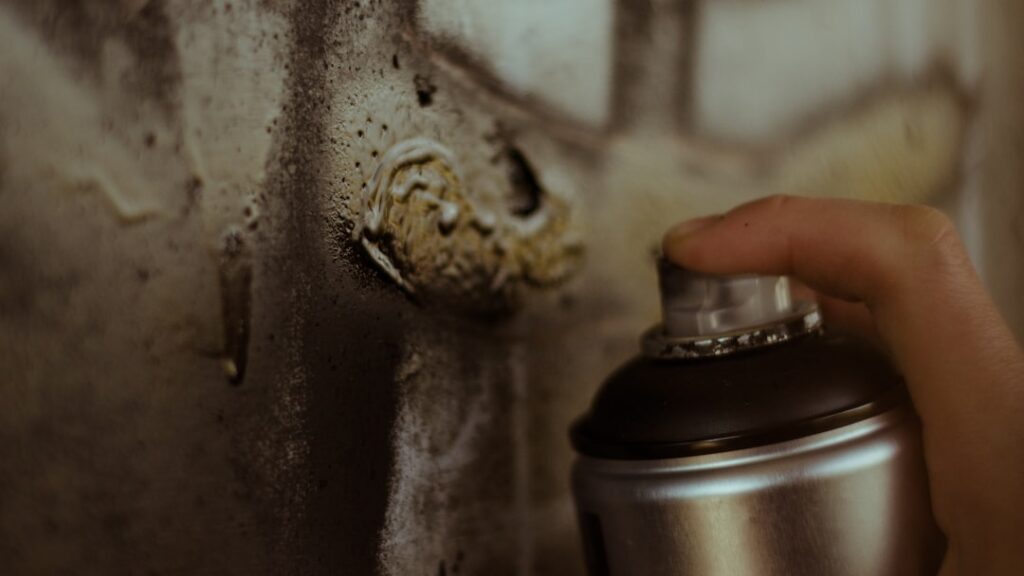
A bottle of mold killing spray feels like the cheapest fix for a fuzzy patch on the wall. Sometimes it is enough. Often it is not. The spray that erases the stain in front of you does nothing about the water that grew it, and that is where most homeowners get burned. This guide summarizes EPA and CDC guidance current as of 2026 on cleaning small mold problems safely. It is not medical advice; if anyone in the home has breathing symptoms, consult a physician, and for visible growth larger than about ten square feet, bring in a certified professional rather than reaching for another bottle.
Part of our Mold Removal & Remediation guide — start there for the full picture →
Is this mold, asbestos, or water damage? Get a free instant screen
Upload a clear photo of the suspect area. You'll get an instant AI screening opinion and what to do next. This is screening guidance, not a professional determination.
Screening guidance only. AI can be wrong. Confirm asbestos, mold type, or lead with lab testing or a licensed professional before acting.
Does mold killing spray actually work?
A mold killing spray works on what it touches. On a hard, non-porous surface such as tile, glass, sealed countertop, or finished metal, a quality product will denature the spores it contacts and lift the discoloration. The EPA notes that mold on hard surfaces can usually be removed with a household cleaner and water. So for a small patch of bathroom grime, yes, the spray does its job, and a clean, dry hard surface will not regrow mold on its own.
The trouble starts on porous material. Drywall, bare wood, grout, and ceiling tile have pores deeper than any liquid sits on. The surface wipes clean while hyphae remain anchored below. Two weeks later the patch returns, and homeowners blame the product when the real culprit is the substrate.
There is a second, quieter reason a spray can look like it failed. Mold leaves behind a stain that is not the living organism but pigment soaked into the material, similar to a dye. Even a spray that kills every spore may not lift that discoloration, so a “clean” surface can still look gray. That cosmetic stain is harmless once the growth is dead and dry, but it confuses people into spraying again and again at a problem that is already neutralized. Knowing the difference between live growth and a leftover stain saves a lot of wasted chemical.
How to tell whether the mold is dead or just hidden
After spraying, the question is not whether the surface looks clean but whether the colony is actually gone. A few signs help you read the result. Live mold is often slightly raised, fuzzy, or slimy and may smear when wiped; a dead, dried stain is flat and does not lift. If the spot feels damp days after cleaning with no obvious water source, that lingering moisture is the warning sign, not the color.
Smell is the other tell. A persistent musty, earthy odor after a thorough cleaning almost always means living mold remains somewhere out of sight, commonly inside a wall cavity or under flooring. The CDC and EPA both treat odor as a legitimate indicator of hidden growth. When the smell outlasts the cleaning, the honest conclusion is that the spray reached the surface but not the source, and that is a testing situation rather than a re-spray situation.
What is actually in these sprays?
Most retail products fall into a few chemistry families, and each behaves differently on a wall.
Chlorine bleach (sodium hypochlorite)
The most common active ingredient. Bleach kills surface spores fast and bleaches the stain pale, which reads as “gone.” But the water in bleach soaks into porous material while the active chlorine evaporates off the top, sometimes feeding the very growth you wanted to stop. The CDC and EPA both stopped recommending bleach as a routine mold remedy for porous surfaces years ago.
Hydrogen peroxide
A milder oxidizer at the 3 percent drugstore strength. It foams on contact, penetrates slightly better than bleach, and breaks down into water and oxygen, so there is no harsh residue. It works well on grout and fabric but needs dwell time, usually ten minutes or more.
Quaternary ammonium and botanical blends
Many “mildew remover” sprays use quats or thyme and clove oil derivatives. They leave an antimicrobial film that slows regrowth on cleaned hard surfaces. They are gentler on lungs than bleach but still demand ventilation and gloves.
Borate solutions
Borates are the choice many remediation pros use on framing lumber because they soak in and leave a residual barrier. They are less common in spray bottles but show up in concentrate form for wood treatment, and they are valued precisely because they keep working after the surface dries rather than flashing off like bleach.
Vinegar and other household options
Plain white vinegar gets recommended online as a natural mold killer, and it does have real antifungal action on some species at the surface. It is gentler than bleach and leaves no harsh fumes, but it is slow, smelly, and inconsistent across mold types. Like every other product here, it cannot reach growth embedded in porous material. Treat it as a mild hard-surface option, not a cure for a colonized wall.
Where mold killing spray fails homeowners
The single biggest failure mode is treating a symptom on a porous surface. If a spray lifts a stain off drywall and the patch comes back, the paper facing of that drywall is colonized and needs to be cut out, not cleaned. The same logic applies to a musty smell that lingers after the visible mold is gone; odor usually means growth is still active somewhere you cannot see, and the right next step is testing rather than another coat of chemical. Our guide on what a musty odor really means walks through what the smell tells you about hidden moisture.
The second failure is ignoring the water. Mold is a moisture problem wearing a biology costume. A leaking shower pan, a condensation-prone exterior wall, or a humid crawl space will regrow mold faster than you can spray it. Until the relative humidity in that space sits below roughly 50 percent, every cleaning is temporary. In Front Range homes, the usual culprits are bathroom condensation, basement slab moisture, and poorly vented laundry areas, and none of them respond to a cleaning product because the product never reaches the source of the water.
The third failure is scale. Sprays are for small jobs. The EPA draws a practical line around ten square feet; past that, the spore load released during cleaning can spread the problem through the air, and the work belongs to someone with containment and negative-air equipment.
How to use a mold killing spray safely
Ventilate the room first. Open a window, run an exhaust fan, and avoid mixing products; combining bleach with ammonia or acids creates toxic gas. Wear nitrile gloves, eye protection, and an N95 respirator, which the CDC recommends even for small cleanups because disturbing colonies releases spores.
Pre-clean loose growth with a damp cloth so the spray contacts the surface rather than a dust layer. Apply the product, then respect the dwell time on the label; the chemical needs minutes to work, not seconds. Wipe, rinse if the label calls for it, and dry the area completely with a fan. Bag the used cloths rather than shaking them out.
After cleaning, watch the spot for two to three weeks. Regrowth is the diagnostic signal. A surface that stays clean was a true surface problem; a patch that returns means the material or the moisture source still needs attention.
Protect the rest of the room while you work. Spores disturbed during scrubbing travel on air currents and settle elsewhere, so close doors to adjacent rooms, turn off forced-air HVAC so the system does not carry spores through the ducts, and lay down plastic if the area is large. These are the same containment principles a remediation crew uses, scaled down for a small job. Skipping them can turn one moldy patch into several.
What a spray can never fix
It helps to be blunt about the ceiling on what any bottle can do. A spray addresses the visible, surface portion of a mold problem. It does nothing about the water that caused it, the material the growth has penetrated, or the spores that have already spread into the air or the dust. Those are the parts that actually determine whether mold comes back, and none of them live on the surface where the spray lands.
This is why the EPA frames mold control as moisture control rather than a cleaning task. Fix the leak, lower the humidity, and dry the structure, and most small mold simply stops growing. Spray a wall while the cavity behind it stays wet, and you are repainting over a fire. The product is a finishing step in a moisture-control plan, not a substitute for one. Our companion guide on mold killer spray for walls goes deeper on matching the product to the surface.
When to stop spraying and start testing
Reach for a professional instead of a bottle when growth covers more than ten square feet, when it sits on porous structural material, when there has been sewage or flood water involved, or when anyone in the household has asthma or a compromised immune system. A musty smell with no visible source is also a testing situation, not a spraying one.
Front Range homeowners dealing with finished basements, where condensation and slab moisture are common, often find that the visible patch is the small end of a larger picture inside the wall cavity. A short inspection that includes moisture readings and, when warranted, air or surface sampling tells you whether a spray is sufficient or whether you are looking at remediation. The broader mold inspection and testing hub lays out how testing decisions get made, and our piece on what kills mold permanently explains why moisture control, not chemistry, is the durable answer.
Choosing a product without overpaying
You do not need a specialty brand for a small hard-surface cleanup. A hydrogen-peroxide cleaner or a labeled mildew remover handles bathroom and kitchen surfaces. Reserve concentrated borate wood treatments for bare framing in a basement or attic, and read the label for the surfaces it is rated to touch. Skip any product promising to “remove mold permanently” from drywall; no spray does that, because the fix is replacing the colonized material and drying the space.
Cost is rarely the deciding factor. A ten-dollar bottle and a thirty-dollar bottle both fail on the same wet drywall. Spend your money on a hygrometer to track humidity and a fan or dehumidifier to control it, and the spray becomes a finishing touch rather than a losing battle. The cheapest effective tool in the whole effort is often the one that measures the air, because it tells you whether the conditions that grow mold are present long before a stain appears.
One more buying note: ignore marketing language about “encapsulating” or “permanent” results on absorbent surfaces. Encapsulant coatings have a place in professional remediation, sealing cleaned framing after the moisture is fixed, but a homeowner painting a sealer over damp, colonized drywall is hiding a problem, not solving it. The durable answer is always the same boring pair: remove what is colonized, and keep the space dry.
References
- Mold Cleanup in Your Home — U.S. Environmental Protection Agency
- Mold Cleanup and Remediation Guidance — Centers for Disease Control and Prevention
- A Brief Guide to Mold, Moisture and Your Home — U.S. Environmental Protection Agency
- Mold Inspection Standards for Homes — InterNACHI
Frequently asked questions
Will mold killing spray kill mold permanently?
No spray kills mold permanently on porous surfaces. It removes surface growth, but if the material is colonized below the surface or the moisture source remains, the mold returns. Lasting control comes from fixing the leak or humidity and replacing affected porous material.
Is bleach the best mold killing spray?
Bleach works on hard, non-porous surfaces but is not recommended for drywall or wood. Its water content soaks into porous material while the chlorine evaporates off the top. Hydrogen peroxide or a labeled mildew remover is often a better choice.
How big a mold patch can I spray myself?
The EPA suggests homeowners can handle areas under about ten square feet. Beyond that, or when growth is on structural material or follows flooding, the job needs a professional with containment to avoid spreading spores through the air.
Why does mold come back after I spray it?
Regrowth means either the material is colonized below the surface or the moisture source is still active. Until indoor humidity stays below roughly 50 percent and any leak is fixed, every cleaning is temporary.
If you are in the Denver metro or Front Range and a sprayed patch keeps returning, talk to a vetted local inspector who can take moisture readings before you spend on remediation. You can reach out through our contact page to get connected.