Mold Remediation Spray: What Homeowners Should Know
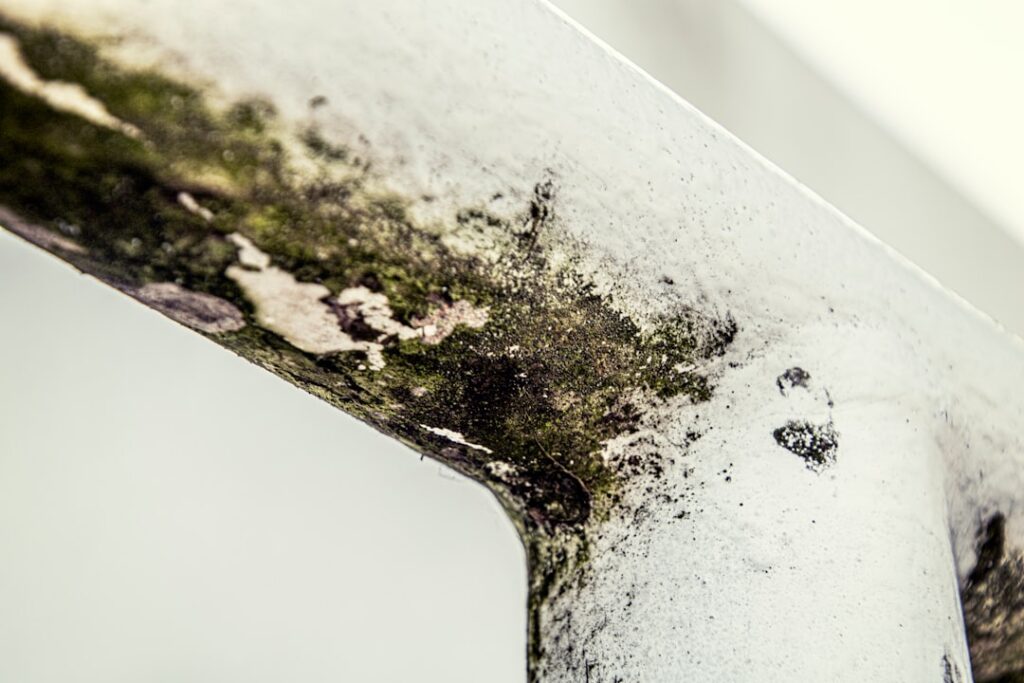
Walk down any hardware-store cleaning aisle and you will find a wall of bottles promising to kill and prevent mold with a few sprays. A mold remediation spray can be a useful tool, but the marketing tends to oversell what a chemical alone can accomplish, and using one incorrectly can leave the real problem untouched. This guide explains what these sprays actually do, where they help, and where they fall short. It summarizes EPA and CDC guidance current as of 2026 — consult a physician for symptoms and a certified professional for large or recurring mold problems. The goal is to help you spend wisely and avoid the false confidence of a clean-looking surface hiding live growth.
Part of our Mold Removal & Remediation guide — start there for the full picture →
Is this mold, asbestos, or water damage? Get a free instant screen
Upload a clear photo of the suspect area. You'll get an instant AI screening opinion and what to do next. This is screening guidance, not a professional determination.
Screening guidance only. AI can be wrong. Confirm asbestos, mold type, or lead with lab testing or a licensed professional before acting.
What a mold remediation spray actually does
A mold remediation spray is a liquid applied to a surface to kill mold, lift staining, or leave a residue that discourages regrowth. Products fall into three broad groups. Killing agents use active ingredients such as sodium hypochlorite (bleach), hydrogen peroxide, quaternary ammonium compounds, or botanical oils to destroy living mold. Cleaning-and-staining sprays combine a biocide with surfactants that lift discoloration. Encapsulant or preventive sprays leave a film or antimicrobial residue meant to inhibit future growth.
The honest framing is that a spray addresses the colony you can see, not the conditions that created it. The EPA is consistent on this point: killing mold is not enough, because dead spores can still cause health reactions and the colony returns if the moisture remains. A spray is one step in a process, not the whole process.
Spray versus a true remediation process
“Remediation” in the professional sense means containing the area, removing affected materials, cleaning, drying, and verifying the result. A consumer spray does the cleaning step on small, accessible surfaces and nothing else.
That distinction matters because porous materials behave differently from hard ones. On glass, tile, sealed metal, or sound painted surfaces, a spray can genuinely remove mold because the growth sits on top. On drywall, raw wood, grout, carpet, and insulation, mold roots into the material, and spraying the surface leaves the embedded growth alive. For these materials, professional remediation often means removal rather than cleaning. Our broader guide to how mold removal and remediation works lays out the full sequence so you can see where a spray fits.
Common mold remediation spray ingredients compared
Bleach-based sprays
Sodium hypochlorite sanitizes hard, non-porous surfaces effectively. Its weakness is porous material, where the water carries chlorine to the surface but evaporates before reaching mold rooted below. Bleach also produces harsh fumes and should never be mixed with ammonia products.
Hydrogen peroxide sprays
A 3 to 10 percent hydrogen peroxide solution kills many mold species and is gentler on lungs and surfaces than bleach. It penetrates slightly better and breaks down into water and oxygen, leaving little residue.
Vinegar and botanical sprays
White vinegar and products based on tea tree or thyme oil kill a range of molds and are popular with people avoiding harsh chemicals. They work best on small surface patches and need dwell time to be effective.
Quaternary ammonium and commercial biocides
“Quats” are common in professional-grade products and EPA-registered cleaners. They are effective sanitizers but require following label dwell times and ventilation guidance. For a side-by-side look at how these stack up, see our comparison of the best ways to kill mold.
How dwell time and contact determine results
The detail that most often separates a spray that works from one that disappoints is dwell time — how long the product stays wet on the surface in contact with the mold. Manufacturers test their dwell times for a reason, and cutting them short undercuts the chemistry the product depends on.
Most killing agents need sustained contact to penetrate and destroy the cell structure of mold. Wiping a spray off after thirty seconds, as people instinctively do with surface cleaners, often leaves much of the colony alive. Commercial mold products commonly specify dwell times of ten minutes or more; vinegar needs roughly an hour on porous surfaces; bleach solutions need several minutes of wet contact. On vertical surfaces, a thin spray runs off before it can dwell, which is why gel formulations or repeated reapplication help — they keep the active ingredient in place long enough to work.
Contact is the companion factor. A spray cannot reach mold buried under a layer of soap scum, dust, or biofilm, so pre-cleaning heavy growth with detergent lets the product touch live mold rather than sitting on debris. Saturating the surface fully, rather than misting it lightly, ensures even the textured low spots get treated. Respecting dwell time and ensuring real contact are unglamorous steps, but they are the difference between killing a colony and merely annoying it.
How to use a mold remediation spray safely
Start by reading the label. EPA-registered products carry instructions and dwell times that are part of why they work; skipping them undercuts the result. Then follow a consistent routine.
Protect yourself with an N95 respirator, gloves, and eye protection, and ventilate the room with an open window and an exhaust fan. Pre-clean heavy growth with detergent and water so the spray’s active ingredient reaches live mold rather than sitting on a layer of debris. Apply the spray to fully wet the surface and let it dwell for the full time on the label, often 10 minutes or more.
Scrub porous-but-cleanable surfaces like grout, then wipe and, most importantly, dry the area completely with a fan or dehumidifier. Do not seal or paint until the surface is dry and the growth is gone. Spraying and immediately painting traps moisture and mold underneath, which is among the most common DIY mistakes.
Preventive and encapsulant sprays explained
Beyond killing sprays, a category of products markets itself as preventing future growth or sealing in mold that cannot be fully removed. These deserve a clear-eyed look because their claims are the most easily misunderstood.
Antimicrobial preventive sprays leave a residue intended to discourage regrowth on a cleaned surface. They can help in chronically damp areas, but they are not a substitute for fixing the moisture; a residue cannot overcome a surface that stays wet. Treat them as insurance on an already-dried surface, not as a cure.
Encapsulant sprays and paints form a film over a surface where mold has been killed and cleaned, sealing in residual staining and any remaining spores. Professionals sometimes use encapsulants on framing inside walls or crawlspaces after remediation, where removing the wood is impractical. The critical caveat is that encapsulants only work over a surface that has been properly cleaned and dried first. Spraying an encapsulant over live, damp mold traps active growth and moisture beneath the film, which fails and often makes the eventual cleanup worse. The honest use case is narrow: a sealing step at the end of a real remediation, not a shortcut that skips the removal and drying.
Cost and value: spray versus the alternatives
Consumer mold sprays are inexpensive, generally ranging from a few dollars for a bottle of vinegar to ten or twenty dollars for an EPA-registered commercial cleaner. That low cost is part of the appeal and part of the trap, because it makes spraying feel like a complete solution when it is only the cleaning step.
Weigh that against the real cost of the problem. A small surface patch on a sound, non-porous material is genuinely solved by a few dollars of spray plus scrubbing and drying. But if the mold sits on porous drywall fed by an unrepaired leak, repeated spraying over months costs more in product and time than addressing the moisture once. And a hidden or spreading problem that a spray cannot reach can grow into a remediation job running from several hundred to several thousand dollars, as our overview of basement mold removal costs illustrates. The value of a spray is highest when it is matched to a small, surface-level problem and paired with a moisture fix, and lowest when it is asked to substitute for either material removal or moisture control.
Reading product labels and registration claims
The marketing on mold sprays ranges from accurate to aspirational, and learning to read a label helps you spend on what works. Look first for EPA registration. Products that claim to kill mold are pesticides in regulatory terms, and an EPA registration number indicates the product was reviewed for its stated antimicrobial claims. Registration does not guarantee performance on porous building materials, but it signals the kill claims were evaluated.
Pay attention to the difference between “cleans,” “removes stains,” “kills,” and “prevents.” A product that cleans and removes staining may do nothing to kill the colony, and one that kills may leave the stain behind. “Prevents mold” claims usually refer to a residue effect on an already-clean surface, not a cure for active growth. Note the surfaces the label lists; many products are formulated for hard, non-porous surfaces and will underperform on drywall or wood even if the front of the bottle implies otherwise.
Finally, read the directions for use, including dwell time, dilution, ventilation requirements, and any rinse step. The instructions are part of why the product works, and skipping them is the most common reason a registered, capable spray fails to deliver. A few minutes reading the back of the bottle is the cheapest way to make a mold spray earn its place. For how these products fit into a full cleanup rather than substituting for one, our guide to getting rid of mold keeps the spray in its proper role.
The limits of any spray and when to call a pro
No spray fixes a moisture problem, and no spray reliably removes mold rooted in porous building materials. The CDC and EPA both stress controlling moisture and removing affected materials over relying on a chemical. If your indoor humidity sits above 50 percent, if a leak keeps the area wet, or if condensation forms on cold walls, the mold will return regardless of how often you spray.
Reach for professional help when mold covers more than about 10 square feet, when it grows inside walls or HVAC systems, when it returns after cleaning, or when it followed flooding or a sewage backup. Anyone in the home with asthma or a weakened immune system is also a reason to be cautious about DIY spraying, since the process disturbs spores. For an overview of testing, inspection, and remediation across the home, the mold inspection and testing resource hub connects the pieces.
Used realistically — as the cleaning step for a small, surface-level patch on a sound material, paired with a real moisture fix — a mold remediation spray earns its place in the cabinet. Used as a standalone cure for a wet, growing wall, it sets you up to repeat the job in a month.
More Questions About Mold Remediation Spray
Does mold remediation spray work on drywall?
Mold remediation spray can lighten surface spots on painted drywall, but it cannot reliably fix mold growing into the paper facing or the back of the panel.
Drywall paper is a food source for mold, and growth often extends deeper than it looks, especially on the wall cavity side. Small, light spots on sealed paint may clean up with a spray and wipe. Drywall that is soft, stained through, or wet for days is normally cut out and replaced, with the cut extending past the visible edge of the growth.
Will a mold spray remove the black stains?
Not always: a mold spray can kill or remove surface growth while leaving dark staining behind, especially on grout, caulk, and unsealed wood.
Bleach-based sprays tend to whiten stains on non-porous surfaces, while peroxide and other cleaners may leave some discoloration. A stain that remains after cleaning does not necessarily mean active growth, but a stain that spreads or returns within weeks does. Stubborn staining in caulk is usually best handled by cutting out and replacing the caulk rather than spraying it again.
Does mold remediation spray kill mold spores in the air?
No, a mold remediation spray treats surfaces and does not meaningfully clean spores out of the air in a room.
Spores are everywhere outdoors and indoors, so the realistic goal is removing growth and controlling moisture rather than sterilizing the air. Spraying and scrubbing can actually release more spores briefly, which is why ventilation and a respirator matter during cleanup. A HEPA air purifier or air scrubber is the tool for lowering airborne particles, not a surface spray.
Is mold remediation spray safe around children and pets?
Mold remediation spray is generally safe around children and pets only after it has dried and the room has aired out, so keep them out of the area while spraying and scrubbing.
Bleach and other strong products give off fumes that irritate eyes and lungs, and some sprays leave residues that should not be licked or touched while wet. Read the label for re-entry time and ventilation directions. Families with asthma or other breathing concerns may prefer milder cleaners and should ask a doctor about exposure if symptoms appear.
How often should a preventive mold spray be reapplied?
Preventive mold sprays are commonly reapplied every few months to once a year, depending on the product label and how damp the area stays.
Bathrooms, window sills, and basements with frequent condensation need more frequent treatment than dry rooms. No preventive spray can outlast an ongoing moisture problem: if mold keeps returning to the same spot, the fix is usually better ventilation, a running bathroom fan, a dehumidifier, or repairing a leak rather than spraying more often.
References
- Mold Cleanup in Your Home — U.S. Environmental Protection Agency
- About Mold and Your Health — Centers for Disease Control and Prevention
- Mold Testing and Cleanup Guidance — U.S. Environmental Protection Agency
Frequently asked questions
Does mold remediation spray actually kill mold?
Yes, most sprays kill living mold on contact when used with the correct dwell time. The catch is that dead mold can still trigger health reactions and the colony returns if the moisture source remains, so a spray is one step rather than a complete fix. On porous materials, surface spraying often leaves rooted growth alive.
Can I spray mold and then paint over it?
No. Painting over sprayed mold traps moisture and any surviving growth beneath the film. Remove the mold, dry the surface fully, and confirm it is gone before priming with a mold-resistant product and repainting.
Is a hydrogen peroxide spray better than bleach for mold?
Hydrogen peroxide is gentler on lungs and surfaces, penetrates slightly better, and leaves minimal residue, which makes it a good general choice. Bleach sanitizes hard non-porous surfaces well but performs poorly on porous materials. Neither fixes the underlying moisture problem.
When should I stop spraying and call a professional?
Call a professional when mold covers more than about 10 square feet, grows inside walls or HVAC systems, keeps returning, or followed flooding or sewage. Households with asthma or immune concerns should also lean toward professional remediation, which contains the area and removes affected materials.
Can mold remediation spray be used on shower grout?
Yes, mold remediation spray works well on shower grout, which is a common and appropriate place for it. Spray, let the product sit for the label's contact time, scrub with a stiff brush, rinse, and dry. Sealing grout afterward and running the bathroom fan during and after showers helps keep mold from coming back.
Do mold sprays work on carpet?
Mold sprays rarely fix moldy carpet, because growth usually extends into the backing and pad where a spray cannot reach. Carpet that stayed wet for more than a day or two, or that smells musty, is usually removed and replaced along with the pad. Small surface spots on dry carpet may respond to cleaning.
Does mold remediation spray get rid of musty odor?
Mold remediation spray can reduce musty odor temporarily, but the smell usually returns if hidden mold or a damp material remains. The odor comes from actively growing mold, so lasting odor control depends on finding and drying the moisture source. A persistent smell after spraying is a sign to look behind walls or under floors.
Can you use mold spray on attic sheathing?
Mold spray can treat light surface growth on attic sheathing, but large or widespread attic mold is usually better handled by professionals with containment and equipment. Attic mold most often results from poor ventilation or exhaust fans venting into the attic, so correcting airflow matters as much as cleaning the wood.
If a spray keeps failing to stop mold from coming back, the moisture source is the real issue. Connect with a vetted Front Range inspector through our contact page to find and fix it.