Killing Black Mold: What Homeowners Need to Know
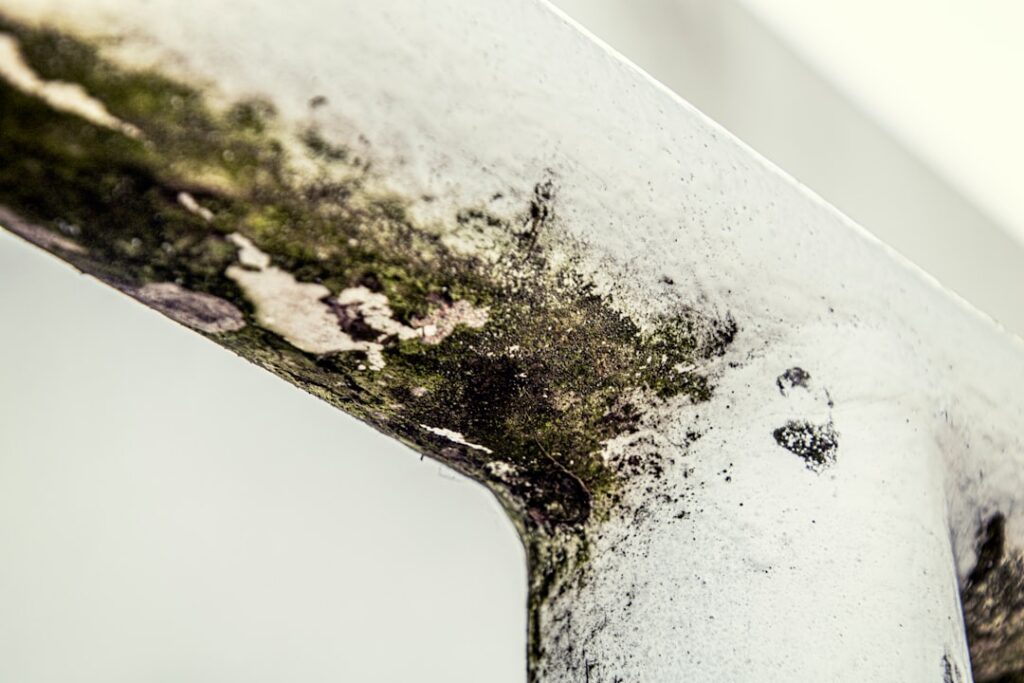
Few household discoveries trigger more worry than a dark patch spreading across drywall or grout, and the instinct is to start killing black mold immediately. That instinct is right, but the method matters: scrubbing a spot with the wrong product, on the wrong material, without protection, can spread spores and leave the real problem in place. This guide summarizes EPA and CDC guidance current as of 2026 and is informational only; consult a physician for any health symptoms and a certified professional for large or hidden growth.
Is this mold, asbestos, or water damage? Get a free instant screen
Upload a clear photo of the suspect area. You'll get an instant AI screening opinion and what to do next. This is screening guidance, not a professional determination.
Screening guidance only. AI can be wrong. Confirm asbestos, mold type, or lead with lab testing or a licensed professional before acting.
Killing Black Mold: The Core Method
For most black mold on hard surfaces, the EPA recommends scrubbing with detergent and water, then drying the area completely. Physical removal is the heart of the job because dead spores still cause allergic reactions and can re-grow if the surface stays damp. On non-porous surfaces—tile, glass, sealed countertops, metal—you can follow cleaning with a disinfecting solution. The color of mold doesn’t change the approach; “black mold” is a description, not a diagnosis, and the cleanup is the same whether the growth is black, green, or white.
What “Black Mold” Actually Means
The term usually refers to Stachybotrys chartarum, a greenish-black mold that grows on very wet, cellulose-rich materials like saturated drywall and wood. It has a fearsome reputation, but the CDC notes that no specific mold color or species is reliably linked to unique severe illness, and the health response to any indoor mold is the same: remove it and fix the moisture. Many dark molds people call “black mold” are common species like Cladosporium, not Stachybotrys at all. The practical takeaway is to treat the moisture and growth seriously without panicking about species identification, and to spend your effort on cleanup and the water source rather than on a lab test that won’t change what you do next.
Cleaners and What to Avoid
Detergent and Water
The EPA’s baseline method, safe on nearly any surface and effective when paired with scrubbing and drying.
Diluted Bleach on Non-Porous Surfaces
About one cup of chlorine bleach per gallon of water sanitizes tile, grout, and fiberglass. Never combine bleach with ammonia, ventilate the space, and wear gloves and eye protection. Bleach is a poor choice on porous wood and drywall because it adds water without penetrating the material.
Hydrogen Peroxide and Vinegar
Three percent hydrogen peroxide and undiluted white vinegar are reasonable bleach-free options for small patches on suitable surfaces. They work more slowly and don’t penetrate deeply, so they suit minor spots rather than walls.
Homeowners weighing bleach against alternatives often find the trade-offs spelled out clearly in our guide to using bleach on black mold, which explains why surface type drives the choice.
Materials You Should Replace, Not Clean
Some materials can’t be salvaged. Drywall, ceiling tile, carpet and padding, and fibrous insulation that have absorbed mold should be cut out and replaced, because the growth penetrates the paper or fiber where a brush can’t reach. Solid framing lumber is usually saveable through surface removal—scrubbing, sanding, or wire-brushing—followed by a borate wood treatment. Soft, crumbling, or rotted wood needs structural repair, not just cleaning. The rule of thumb: porous and stained means replace; non-porous or solid wood often means clean.
Protect Yourself While You Work
Disturbing mold releases spores into the air, so protection is not optional. The EPA recommends at least an N95 respirator, gloves, and eye protection without vents for any mold cleanup, and more protection for larger jobs. Ventilate the area to the outdoors, seal off the room from the rest of the house, mist the moldy surface lightly before scrubbing to reduce airborne spores, and bag debris before carrying it through clean spaces. People with asthma, allergies, or weakened immune systems should avoid doing the work themselves. Front Range homeowners cleaning a damp basement corner should pay particular attention to ventilation, since lower-level air tends to stagnate.
Kill the Moisture, Not Just the Mold
Every authoritative source returns to the same point: mold is a moisture problem. The CDC states that controlling moisture is the key to controlling indoor mold. Killing black mold without fixing the leak, condensation, or humidity that fed it guarantees a return, usually within weeks. Track down the source—plumbing, roof, grading, or high indoor humidity—and correct it as part of the cleanup. Holding indoor relative humidity below 50 percent, fixing leaks promptly, and drying wet materials within 24 to 48 hours are the prevention steps that make cleanup last. The broader strategy lives in the mold inspection and testing hub.
When to Call a Professional
Step back and bring in a remediation specialist when growth covers more than about 10 square feet, when it’s hidden inside wall cavities or HVAC systems, when it follows sewage or flood water, or when it keeps returning after cleanup. These situations require containment, negative air pressure, and proper disposal that household tools can’t match, and they usually signal a moisture problem too large to solve with a spray bottle.
Health is part of the decision too. People with asthma, allergies, or weakened immune systems should not disturb black mold themselves, because cleanup releases spores. If a household member falls into one of those groups, hiring a professional is the safer choice even for a job that would otherwise be DIY-scale. A reputable contractor will identify the moisture source, contain the work, remove unsalvageable porous materials, dry the structure, and verify the result, leaving you with both a clean surface and a fixed cause.
Common Myths About Killing Black Mold
Several persistent myths lead homeowners astray. One is that bleach is always the answer; in reality, bleach is poorly suited to porous wood and drywall and isn’t the EPA’s primary recommendation. Another is that a particular product “kills mold permanently” — no product prevents regrowth if moisture remains. A third is that black mold is uniquely deadly and demands panic; the CDC notes no specific color or species is reliably tied to unique severe illness, and the response to any indoor mold is the same. A fourth is that painting or caulking over mold solves it, when in fact it traps live growth that bleeds back through. The common error behind all of these is focusing on the chemical or the cover-up instead of the two things that actually matter: removing the growth and eliminating the water that feeds it.
Where Black Mold Hides in a Home
Black mold favors the dampest, least-ventilated locations, and knowing where to look speeds both inspection and cleanup. Common sites include the area under and behind sinks, around tubs and showers, the base of basement walls, behind furniture pushed against cool exterior walls, inside closets with no airflow, around leaky windows, in crawl spaces, and within HVAC systems and ductwork. Attics with poor ventilation and roof leaks are another frequent home. The visible patch is often smaller than the actual growth, because mold can colonize the back of drywall and the inside of a wall cavity while showing only a faint surface stain. Soft or bubbling drywall, a persistent musty odor, or staining that returns after cleaning all suggest a larger hidden colony that warrants opening the wall or calling a professional.
Tools and Supplies You’ll Need
A small black-mold cleanup doesn’t require specialized equipment, but the right supplies make it safer and more effective. An N95 respirator, nitrile gloves, and non-vented goggles protect you from spores. A stiff scrub brush and a bucket handle the mechanical removal that does most of the work. Detergent and water cover the baseline cleaning, with a disinfecting solution or diluted bleach for non-porous surfaces. A HEPA vacuum, if available, lifts loose spores before and after scrubbing without blowing them into the air, which an ordinary vacuum can do. Plastic sheeting and tape let you isolate the work area, and contractor bags contain debris for disposal. Fans and a dehumidifier finish the job by drying the surface quickly. Spending a little on proper protection and a HEPA vacuum is worthwhile insurance against spreading the problem.
Step-by-Step: Cleaning a Small Black Mold Patch
For a spot under about 10 square feet on a hard surface, a careful sequence keeps the job safe and effective. Put on an N95 respirator, gloves, and non-vented goggles, and open a window or set a fan blowing outward. Lightly mist the moldy area with water first; a damp surface releases fewer spores when disturbed. Scrub with detergent and water, working a small section at a time and rinsing the brush in a bucket you’ll discard. On non-porous surfaces, follow with a disinfecting solution and let it dwell before wiping. Dry the area completely with fans, aiming to have it fully dry within 24 to 48 hours. Bag debris and used materials before carrying them through the house, and wash up afterward. Then watch the spot for a few weeks; if it returns, the moisture source hasn’t been resolved.
Why Black Mold Keeps Coming Back
A patch that returns after a thorough cleaning is sending a clear message: the water is still there. Common culprits include a slow plumbing leak inside a wall, condensation on a cold surface, a roof or window leak that only appears in certain weather, poor drainage pushing groundwater against the foundation, or chronic indoor humidity above 50 percent. Until the source is found and corrected, no cleaner will keep the mold away for long. This is why professionals lead with moisture mapping rather than scrubbing — the cleanup is the easy part, and the diagnosis is what makes it last. Homeowners who find themselves cleaning the same corner every few months are usually treating a symptom while the cause runs unchecked behind the surface.
The Role of Humidity Control
Even after a leak is fixed, ambient humidity can keep feeding mold in basements, bathrooms, and closets. The CDC’s guidance to hold indoor relative humidity below 50 percent is the single most useful prevention rule. A dehumidifier in damp lower levels, exhaust fans in bathrooms and kitchens, good air circulation around furniture, and insulation on cold surfaces that sweat all push humidity down. A small hygrometer turns this from guesswork into a number you can act on. Front Range homes face two seasonal pressure points — winter condensation on cold concrete and spring snowmelt against foundations — so checking humidity at those times catches problems before growth establishes. Humidity control does the quiet, ongoing work that no one-time scrubbing can replace.
Black Mold and Air Quality
Disturbing black mold sends spores and fragments into the air, which is why containment and ventilation matter during cleanup. After remediation, running a HEPA air purifier in the affected room for a day or two helps capture residual airborne particles, and keeping the area dry prevents new growth from re-seeding the air. Homeowners sometimes ask whether they should test the air before or after cleaning. The EPA’s position is that visible or smellable mold rarely needs testing to justify cleanup, though post-cleanup clearance testing can reassure sensitive households that the work succeeded. For most situations, good ventilation during the job and thorough drying afterward do more for air quality than any sampling.
References
- Mold Cleanup in Your Home — U.S. Environmental Protection Agency
- About Mold and Your Health — Centers for Disease Control and Prevention
- Facts About Stachybotrys Chartarum — Centers for Disease Control and Prevention
- Mold and Indoor Air Quality — National Institute of Environmental Health Sciences
If black mold keeps coming back in a Front Range home, the moisture source likely needs professional diagnosis. Get in touch through our contact page to connect with a vetted local inspector who can find the cause before you clean again.