Mold Remediation Cincinnati: A Homeowner’s Guide
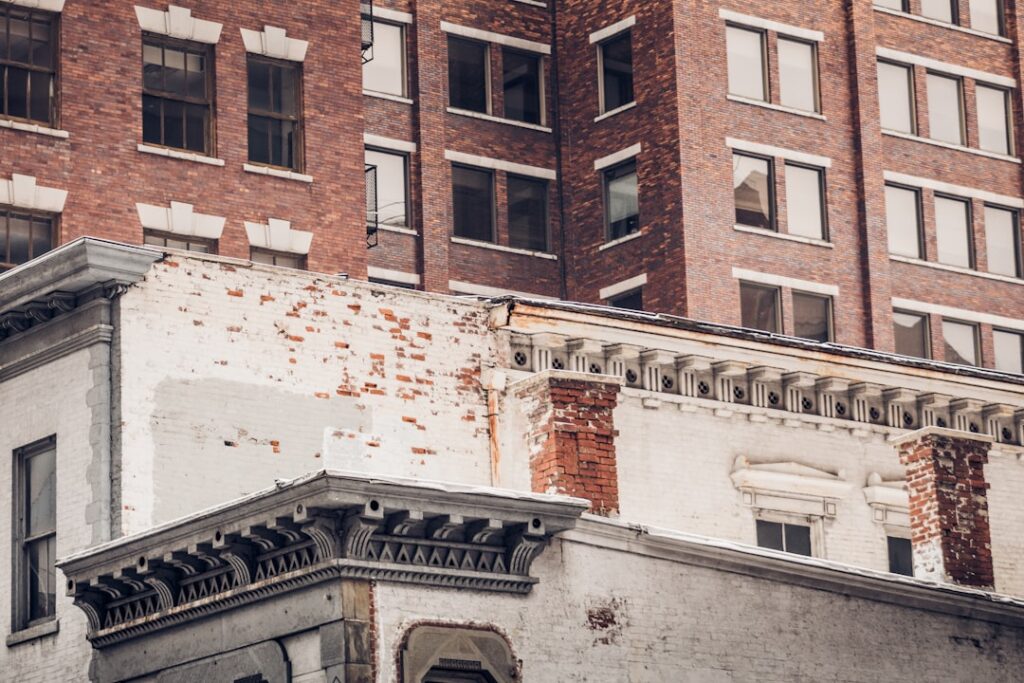
Cincinnati sits in a river valley where humidity lingers, summers run muggy, and a large share of homes carry the basements and brick that the Ohio climate tends to dampen. Those conditions make mold a recurring concern for homeowners across Hamilton County and the surrounding area. Understanding mold remediation in Cincinnati means understanding the local moisture realities and what a credible remediation actually delivers. This guide summarizes EPA and CDC guidance current as of 2026 and is educational only; consult a physician about symptoms and a certified professional for testing and remediation decisions.
Part of our Mold Removal & Remediation guide — start there for the full picture →
Is this mold, asbestos, or water damage? Get a free instant screen
Upload a clear photo of the suspect area. You'll get an instant AI screening opinion and what to do next. This is screening guidance, not a professional determination.
Screening guidance only. AI can be wrong. Confirm asbestos, mold type, or lead with lab testing or a licensed professional before acting.
What Mold Remediation in Cincinnati Involves
Remediation is the structured process of containing, removing, and cleaning mold while correcting the moisture that caused it. In a humid river-valley climate, that final moisture step is what separates a lasting fix from a problem that returns by the next muggy season. The EPA is emphatic that mold cleanup is incomplete unless the water source is identified and corrected first.
A standard project moves through clear stages: assess the extent of growth and find the moisture source, contain the work area with sheeting and negative air pressure, remove unsalvageable porous materials such as soaked drywall and carpet, HEPA-vacuum and damp-wipe the remaining surfaces, dry the area completely, and verify the result. For how inspection and testing surround the remediation itself, see our plain-language mold inspection hub.
Why Cincinnati Homes Are Prone to Mold
The Ohio River Valley creates a humid microclimate. Summer dew points climb, and moisture-laden air settles into low-lying neighborhoods and basements.
Humid Summers and the River Valley
Warm, humid Cincinnati summers push indoor relative humidity above the 60 percent threshold the EPA flags as risky, especially in basements and on cool surfaces where condensation forms. Air conditioning helps, but basements often stay damp regardless.
Older Housing and Basements
Cincinnati’s housing stock includes many homes from the early-to-mid 20th century, with brick exteriors and stone or block foundations. Below-grade walls stay cool and can wick moisture, and finished basements added later often trap dampness against masonry — a classic mold setup. Our guidance on black mold on concrete explains why even masonry surfaces grow mold when moisture and dust combine.
Heavy Rainfall and Drainage
The region sees substantial rainfall, and hillside lots common around Cincinnati can channel water toward foundations. Poor grading, clogged gutters, and aging downspouts let water pool against the house, feeding basement and crawl-space mold. Homes on slopes are especially prone to water finding the path of least resistance straight toward a foundation wall during a hard rain.
Crawl Spaces and Slab Construction
Beyond full basements, many area homes sit over crawl spaces that share the same ground-moisture problem in concentrated form. Dark, poorly ventilated, and close to damp soil, a crawl space can grow mold on its joists and subfloor and then send spores and musty air up into the living space through the stack effect. Slab-on-grade homes are not immune either, since moisture can wick up through concrete and feed mold on flooring and the base of walls when interior humidity is high.
The Remediation Process Step by Step
Understanding the sequence a credible remediation follows helps Cincinnati homeowners evaluate a contractor’s plan and recognize shortcuts.
Assessment. The contractor maps visible growth, probes for hidden moisture with meters, and pins down the water source that must be corrected. In the river valley, that source is frequently a humid basement, a drainage failure, or a hillside-lot grading problem.
Containment. The work area is sealed with plastic sheeting and put under negative air pressure with HEPA filtration so spores do not migrate upstairs during removal. This step is what keeps a basement problem from becoming a whole-house one.
Removal and cleaning. Saturated porous materials such as drywall, insulation, and carpet are removed and bagged. Hard surfaces that can be saved are HEPA-vacuumed and damp-wiped. The EPA notes detergent and water clean hard surfaces effectively, and that chemical fogging without physical removal is not a substitute.
Drying and verification. Fans and dehumidifiers bring the area back to normal moisture levels, and the contractor verifies the result before any rebuilding. A reputable firm explains how it confirms success rather than simply declaring the job finished.
Can You Handle It Yourself in Cincinnati?
The EPA’s general guidance is that a homeowner can usually clean nonporous surface mold under about 10 square feet — roughly a 3-by-3-foot patch — with proper precautions: an N95 respirator, gloves, eye protection, ventilation, and detergent and water, followed by thorough drying. That covers many small bathroom and window-area patches.
Cincinnati’s humid, basement-heavy housing, though, tends to produce exactly the problems that exceed DIY limits: large areas of growth, mold inside finished basement walls, contamination after a sump-pump failure or sewer backup, and growth in HVAC systems that can spread spores through the house. Any of those, or any case involving occupants with asthma, allergies, or weakened immunity, calls for a professional. When the affected area is larger than expected or the moisture source is unclear, an assessment costs far less than a spread infestation.
Signs You Need Mold Remediation
Mold is not always visible. Indicators in Cincinnati homes include a persistent musty smell, particularly in basements; discoloration on drywall, ceiling tiles, or framing; peeling paint and warped trim; visible water staining; and allergy-like symptoms that ease when occupants leave the house. The CDC links damp indoor environments to respiratory symptoms in sensitive people without tying specific species to specific illnesses. A musty smell with no visible source often means hidden growth behind a wall or under flooring — reason enough for an assessment.
Timing the signs can point to the cause. A musty smell that intensifies during humid summer weather suggests the moisture is tied to seasonal humidity, while one that worsens after heavy rain or the spring thaw points toward drainage or seepage. A smell that persists year-round more likely reflects an ongoing plumbing leak. Noticing when the indicators peak gives a contractor a useful head start on locating the source rather than guessing.
What Mold Remediation Costs in Cincinnati
Costs scale with the size and location of the growth. Industry estimates commonly place small, contained jobs — a closet or part of a bathroom — at roughly $500 to $1,500. Mid-size projects involving a basement room or HVAC contamination often run $2,000 to $6,000. Large or structural work, including crawl-space encapsulation or extensive material replacement, can exceed $10,000.
The main cost drivers are square footage, how porous and saturated the affected materials are, accessibility, and whether the moisture source needs its own repair — a foundation seal, regraded soil, or new gutters. Testing, when done, adds a few hundred dollars. Treat these as planning ranges, not quotes, and get itemized written estimates. Our broader breakdown of the average cost of mold remediation explains each line item.
Cincinnati conditions tend to add to the moisture-repair side of the budget. Basement remediation here often comes paired with drainage work, sump-pump installation, or foundation sealing to handle the area’s heavy rainfall and hillside runoff. Those underlying fixes are not optional extras; they are what keep the mold from returning by the next wet season, so a quote that leaves them out is incomplete rather than cheaper. Build the moisture repair into your expectations from the start.
Does Insurance Help in Ohio?
Coverage hinges on the cause of the water, not the mold itself. Standard homeowners policies often cover mold that results from a sudden, accidental event — a burst pipe or a failed water heater — but commonly exclude or cap mold from gradual problems like long-term humidity, slow leaks, or seepage during heavy rain. Many policies carry a mold sublimit even when coverage applies. A sudden discharge you report and dry quickly stands a far better chance of coverage than a basement that has been slowly damp for years. Document any sudden event with photos and report it promptly, and read your policy’s mold provisions before assuming the work will be paid.
How to Choose a Mold Remediation Company
Ohio does not have a dedicated mold remediation license, so vetting falls to the homeowner. Look for contractors who follow recognized industry standards — the IICRC S520 reference guide is the common benchmark — and who carry liability insurance. Insist on a written scope of work that names the moisture source, the containment method, the materials to be removed, and a verification or clearance step.
Be wary of any company that pushes expensive testing before finding and fixing the water problem, or that performs both the inspection and the remediation without disclosing the conflict of interest. A reputable firm explains what it found, what it will do, and how you will know the job succeeded. Collect two or three estimates for anything beyond a minor cleanup.
Ask pointed questions when you interview a contractor. What is the moisture source, and how will it be corrected? How will the work area be contained so spores do not spread to the rest of the house? Which materials will be removed versus cleaned, and why? How will the result be verified before rebuilding? A contractor who answers these clearly and puts the answers in writing is treating the cause, not just the symptom. Vague answers, pressure to sign immediately, or a scope that lists only “mold removal” without addressing the water are reasons to keep looking. Comparing detailed scopes rather than bottom-line totals is how you avoid paying twice for the same problem.
Preventing Mold From Returning in Cincinnati
Remediation is wasted if the conditions that grew the mold remain. In Cincinnati’s humid climate, prevention centers on moisture control. Run a dehumidifier in the basement through the humid season and keep relative humidity under 60 percent. Direct downspouts well away from the foundation, clean gutters regularly, and grade soil to slope away from the house — especially important on the area’s hillside lots.
Inside, vent bathrooms and the kitchen to the exterior, insulate cold pipes to limit condensation, and fix plumbing leaks immediately, since mold can begin growing within 24 to 48 hours of a surface getting wet. For finished basements, ensure framing is not in direct contact with damp masonry and that any below-grade space has adequate air movement. These habits prevent the large remediation projects the river-valley climate otherwise invites.
A seasonal rhythm suits the local climate. Through the humid summer, run a basement dehumidifier and track readings with an inexpensive hygrometer, keeping the space under 60 percent. Before the heavy spring and fall rains, clear gutters and confirm downspouts carry water well away from the foundation — especially on the sloped lots common around the city. Check the sump pump before storm season so it is ready when the water table rises. Tying prevention to the calendar turns a vague worry into a short, repeatable routine.
For homes that have already had mold remediated, prevention is doubly important, because the materials and conditions that grew it once will grow it again if moisture returns. Pairing the remediation with a lasting moisture solution — drainage, sealing, humidity control, and ventilation — is what makes the investment hold rather than recur with the next humid Cincinnati summer.
References
- Mold Cleanup in Your Home — U.S. Environmental Protection Agency
- About Mold and Your Health — Centers for Disease Control and Prevention
- A Brief Guide to Mold, Moisture and Your Home — U.S. Environmental Protection Agency
Frequently asked questions
How much does mold remediation cost in Cincinnati?
Small contained jobs commonly run $500 to $1,500, mid-size basement or HVAC projects $2,000 to $6,000, and large or structural work over $10,000. Square footage, material saturation, and the underlying moisture repair drive the price.
Why is mold common in Cincinnati basements?
The Ohio River Valley's humid summers, heavy rainfall, hillside drainage, and older homes with cool below-grade masonry all keep basements damp. Running a dehumidifier and controlling foundation water are the main defenses.
Does Ohio license mold remediation companies?
Ohio does not have a dedicated mold remediation license. Choose contractors who follow IICRC S520 standards, carry liability insurance, and provide a written scope that addresses the moisture source, not just visible mold.
Can I handle mold remediation myself in Cincinnati?
The EPA suggests homeowners can usually clean nonporous surface mold under about 10 square feet. Larger areas, hidden growth, HVAC contamination, or any health concerns call for a professional assessment.
Cincinnati is beyond our service area, but Front Range homeowners facing a mold question can get in touch through our contact page to connect with a vetted local inspector before remediation decisions.