Residential Mold Remediation: What Homeowners Need to Know
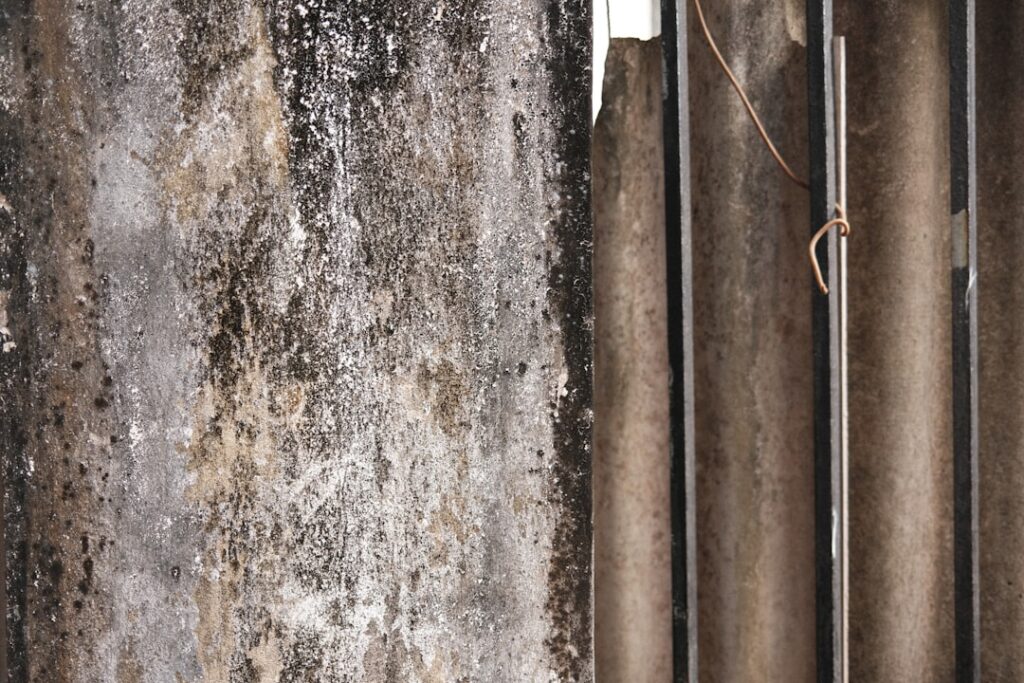
Residential mold remediation is the contractor-scope work that follows a homeowner’s decision that the affected area is too large or too sensitive for DIY cleanup. The protocols are built around the IICRC S520 consensus standard and the EPA’s guidance for buildings, scaled down to single-family and small multifamily structures. The work differs from commercial remediation mainly in scale, scheduling, and the way occupants experience containment in a lived-in home. This guide summarizes EPA and CDC guidance current as of 2026 and is informational only. Consult a physician for symptoms and a certified remediator for project planning.
Part of our Mold Removal & Remediation guide — start there for the full picture →
Is this mold, asbestos, or water damage? Get a free instant screen
Upload a clear photo of the suspect area. You'll get an instant AI screening opinion and what to do next. This is screening guidance, not a professional determination.
Screening guidance only. AI can be wrong. Confirm asbestos, mold type, or lead with lab testing or a licensed professional before acting.
Residential vs Commercial Scope
Commercial buildings are usually unoccupied during remediation, run on tighter schedules driven by lease and operations costs, and have larger air-handling systems that complicate HVAC isolation. Residential work happens in homes where families are still living, often with children or pets, and where pricing is closer to the homeowner’s budget rather than corporate.
The IICRC S520 Framework
The IICRC S520 standard is the consensus document the U.S. remediation industry uses. It defines three contamination conditions — Condition 1 (normal background ecology), Condition 2 (settled spores from a nearby source), and Condition 3 (active growth). It also defines containment levels and PPE requirements based on the work scope.
When Residential Remediation Is Triggered
The EPA’s homeowner guidance recommends professional remediation when contiguous growth exceeds ten square feet, when HVAC contamination is suspected, when sewage water is involved, or when an occupant has a sensitive medical condition. Any of those four triggers a contractor-scope project.
The Inspection Step Comes First
Before remediation, an independent mold inspector or assessor documents the scope. Their report becomes the contract basis and the insurance claim basis. The same firm should not both inspect and remediate — that conflict invalidates the assessor’s independence.
Containment Setup
Containment uses 6-mil polyethylene sheeting, taped seams, and a zippered entry. The work zone is held under negative pressure relative to clean parts of the house using HEPA-filtered air scrubbers. HVAC supply and return grilles in the work area are sealed off, and a separate exhaust path is established when feasible.
PPE for Workers
Workers wear half-face or full-face respirators with P100 cartridges, disposable coveralls, gloves, and rubber boots that can be cleaned at the containment exit. Decontamination chambers — basically a sealed ante-room with a HEPA vacuum — let workers shed contaminated outer wear before exiting.
Material Removal
Porous materials with visible growth are cut out and double-bagged in 6-mil polyethylene before being walked out of the containment zone. The cut extends at least 12 inches into apparently clean material around the affected area. Disposal goes to a landfill that accepts mold debris.
Cleaning Semi-Porous and Nonporous Surfaces
Framing lumber that is structurally sound is HEPA vacuumed and damp wiped with detergent. Sealed surfaces (metal, glass, finished tile) clean with the same approach. Some contractors apply an antimicrobial coating after cleaning as a residual measure, though the EPA notes that physical removal plus moisture control is what actually solves the problem.
Drying to Specification
After cleanup, the work area dries with air movers and dehumidifiers. Framing lumber should read under 16 percent moisture content with a pin meter before reconstruction. Drying may run three to seven days depending on assembly thickness and ambient conditions.
Clearance Verification
Before reconstruction, the project ends with a clearance verification by an independent industrial hygienist or mold assessor. Visual inspection, surface samples, and often air sampling confirm that the formerly affected area is back to background ecology. The remediator should not be the one verifying their own work.
What a Proper Scope-of-Work Specifies
A residential remediation scope should list the affected area in square feet, the containment plan, worker PPE, the material removal pathway, the cleaning method, the drying targets, and the clearance verification protocol. Watch for scopes that gloss over containment or drying targets — those are the line items where cutting corners shows up.
HVAC System Considerations
If mold is found inside ductwork, on the evaporator coil, or in the air handler cabinet, the HVAC system gets its own scope. The EPA cautions against chemical-only duct cleaning that skips physical debris removal. An HVAC contractor with mold experience may need to coordinate with the remediation contractor.
Occupant Considerations
Sensitive occupants — anyone with asthma, immune compromise, severe allergies, or pregnancy concerns — should relocate during active remediation even if the work is well contained. Pets are similarly sensitive. Plan housing logistics before the contractor starts.
Insurance and Documentation
Standard homeowners policies often cap mold remediation at 10,000 dollars unless an endorsement raises it. Sudden and accidental water events are typically covered; maintenance-related growth is usually not. Document the affected area before any cleanup begins, save all invoices, and keep the inspector’s report and contractor’s clearance letter for resale disclosure.
Cost Ranges in the Front Range
A one-room residential remediation typically runs 1,500 to 4,500 dollars in the Denver metro and Front Range. Whole-house or HVAC-involved work often exceeds 10,000 dollars. Containment complexity and disposal volume drive cost more than chemistry. Itemized quotes help reveal where money actually goes.
Selecting a Residential Remediator
Look for IICRC S520 certification, a written license or registration where the state requires one, general liability insurance with mold coverage included, and references from recent residential clients. The InterNACHI website maintains directories of certified inspectors who can refer to vetted remediators.
Reconstruction After Clearance
Rebuild only after clearance verification. Use moisture-resistant drywall in below-grade and routinely damp areas, replace insulation with new material, and consider mold-resistant primer on framing in areas with a history of moisture. Coordinate the trades so the cavity does not get closed before clearance is documented.
Front Range Realities
Colorado’s typically dry air means most residential remediation projects address localized water sources rather than whole-house humidity problems. Basement window wells after spring storms, evaporative cooler overflow, post-hailstorm roof penetrations, and humidifier-driven bedroom growth are the common drivers. Source control is often a single-fix issue.
How to Tell the Project Went Well
Successful residential remediation leaves no visible growth, no musty odor, normal moisture readings, a written clearance letter from an independent assessor, and documentation good enough to attach to a future resale disclosure. Lingering odor or recurring growth points to incomplete source control or under-scoped work.
The IICRC Condition Classification
The IICRC S520 standard defines three mold conditions. Condition 1 is normal background ecology — what every healthy home looks like. Condition 2 is settled spores from a nearby source. Condition 3 is active growth. Residential remediation typically targets returning a Condition 2 or 3 area to Condition 1 status.
The Three Containment Levels
Limited containment uses plastic sheeting to isolate a small work area, appropriate for ten to one hundred square feet. Full containment adds a decontamination chamber and negative-pressure HEPA filtration, appropriate for larger jobs. Full containment with shower is reserved for very large or contaminated jobs. Each level reflects the spore-exposure risk during demolition.
Worker Decontamination
Workers exit containment through a decontamination chamber where they HEPA vacuum their coveralls, remove gloves and respirator filters into a waste bag, and step out. This sequence prevents tracking spores into clean parts of the house. Skipping decontamination steps is a common source of cross-contamination.
Negative Air Pressure Explained
HEPA-filtered air scrubbers running inside the containment zone exhaust outside or through HEPA filtration, creating a pressure differential that pulls air into the containment from clean spaces rather than allowing it to flow outward. The pressure differential is typically 5 to 15 Pascals below ambient and is measured during the project.
The Pre-Cleaning Inspection
Before workers begin removal, a thorough visual and instrumental inspection documents the existing condition. Photographs, moisture meter readings, and notes about substrate type and structural condition all feed into the scope-of-work. This step prevents discovery surprises mid-project.
How Insurance Adjusters Interact With Remediation
For covered claims, the insurance adjuster typically reviews the contractor’s scope before approving work. Some insurers maintain preferred-contractor lists. Homeowners are not required to use these contractors but may face out-of-pocket cost differences if they don’t. Independent contractor selection is generally a homeowner right.
Common Causes of Repeat Remediation
The reason a property requires repeat remediation is almost always incomplete source control. The leak was not fully fixed. The wall cavity was closed before drying to spec. The humidifier ran again. The crawlspace was not encapsulated. Successful remediation requires equal attention to the moisture story as to the mold story.
The Timeline of a Typical Project
Day one is mobilization and containment setup. Days two and three are removal and physical cleaning. Days four through six are structural drying. Day seven is clearance verification by the independent assessor. Reconstruction follows in subsequent days or weeks depending on the scope of the rebuild. A one-room residential job typically completes within seven to ten days for the remediation phase.
Scope Changes Mid-Project
Sometimes the contractor opens a wall and finds more mold or more wet material than the original scope anticipated. A reputable contractor stops, photographs the new finding, and presents a written scope change for homeowner approval before proceeding. Open-ended verbal scope changes are a red flag.
Daily Communication With the Homeowner
The contractor should provide brief daily updates on progress, equipment placement, moisture readings, and timeline. Homeowners who feel out of the loop tend to make worse decisions about scope changes and contractor management. Daily fifteen-minute conversations or short written updates reduce friction throughout.
The Final Walk-Through
Before signing off on the work, walk the formerly affected area with the contractor and the independent assessor’s clearance report in hand. Verify that the work matches the scope-of-work line items. Confirm that all debris has been removed and the area is ready for reconstruction. Sign the completion document only after this walk-through.
Why Hiring Family or Friends Sometimes Backfires
Hiring a family member’s general contractor or a friend’s brother-in-law as a remediator can complicate the project when scope disputes arise. Licensed, insured, IICRC-certified independent contractors are the cleaner choice. The family discount is rarely worth the conflict-management complexity if something goes wrong.
What Resale Value Implications Look Like
A properly documented and disclosed mold remediation generally has minimal effect on resale value. Buyers and their inspectors recognize that all homes experience moisture events and that proper remediation closes the chapter. Hidden or undocumented mold history is a much bigger problem because it suggests the seller’s broader honesty about the property.
When to Call a Professional
Any contiguous patch over ten square feet, any HVAC involvement, any sewage water event, or any sensitive-occupant situation is contractor-scope work. The mold inspection and testing hub covers diagnostic options, and our professional mold remediation guide drills into the S520 framework. For whole-house projects specifically, see whole-house mold remediation.
More Questions About Residential Mold Remediation
Can a family stay in the house during mold remediation?
Yes, families often stay home during residential mold remediation when the work area is small and fully contained, but leaving is wiser for large jobs or sensitive occupants. Proper containment uses plastic sheeting, sealed doorways, and negative air pressure so spores do not drift into living areas. Infants, older adults, pregnant occupants, and anyone with asthma, allergies, or a weakened immune system should ask a physician before staying in the home during active work. When the HVAC system is involved or containment covers the only bathroom or kitchen, a short hotel stay usually makes the project easier for everyone.
Does residential mold remediation include fixing the leak?
No, residential mold remediation usually does not include fixing the moisture source unless the contract specifically says so. Remediators remove contaminated material, clean surfaces, and dry the area, but a plumber, roofer, or grading contractor normally repairs the leak, roof flashing, or drainage problem. That repair should happen before or during remediation, never after, because mold will regrow on rebuilt materials if water keeps entering. Homeowners should ask the remediator to note the suspected moisture source in the scope of work so the repair can be scheduled in the correct order.
Is bleach enough for residential mold remediation?
No, bleach is not a substitute for residential mold remediation and is not recommended for porous materials. Bleach may lighten staining on hard, nonporous surfaces, but it does not penetrate drywall, wood, or insulation where mold roots and moisture remain. Federal guidance favors physical removal: cutting out porous materials that are moldy, cleaning hard surfaces with detergent and water, HEPA vacuuming, and drying the area thoroughly. Mixing bleach with ammonia-based cleaners also creates toxic gas. For small hard-surface spots, plain detergent and thorough drying are usually enough; larger areas call for a trained remediator.
What size of mold problem needs a professional remediator?
Mold growth larger than about 10 square feet, roughly a 3-by-3-foot patch, generally calls for a professional remediator, consistent with long-standing EPA guidance. Smaller areas on hard surfaces can often be handled by a healthy homeowner using gloves, eye protection, and an N95 respirator. Professional help also makes sense regardless of size when mold is inside HVAC ductwork, follows sewage or contaminated flooding, sits in wall cavities, or keeps returning after cleaning. Occupants with respiratory conditions or immune concerns should avoid DIY cleanup and consult a physician about exposure.
Will mold come back after professional remediation?
Mold will come back after professional remediation if the moisture problem returns, but a properly remediated area with a fixed water source normally stays clean. Mold spores exist naturally in indoor air, so the goal is not a sterile home but conditions where growth cannot restart. Keeping indoor relative humidity below about 50 to 60 percent, running bath and kitchen exhaust fans, fixing leaks within 24 to 48 hours, and keeping gutters and grading working are the main defenses. A follow-up moisture check a few months after remediation is a sensible way to confirm the fix held.
References
- Mold Remediation Guidance — U.S. Environmental Protection Agency
- Cleanup and Remediation — Centers for Disease Control and Prevention
- Healthy Homes Program — U.S. Department of Housing and Urban Development
- Mold and Dampness — American Lung Association
- Mold Inspection Standards — InterNACHI
Frequently asked questions
How is residential remediation different from commercial?
Residential work happens in occupied homes, runs on tighter homeowner budgets, and has to manage family logistics. Commercial work is usually scheduled around an empty building with larger air-handling systems and higher operational pressure to finish fast.
Do I really need an independent inspector before remediation?
Strongly recommended. The same firm should not both assess scope and perform remediation because the overlap creates a financial incentive to over-scope. Independent assessment gives you a defensible baseline.
What does residential mold remediation usually cost?
A one-room job typically runs 1,500 to 4,500 dollars in the Front Range. Whole-house or HVAC-involved jobs often exceed 10,000 dollars. Containment and disposal drive cost more than chemicals.
How long does residential remediation take?
A one-room job typically runs three to five working days including containment, removal, drying, and clearance. Whole-house projects extend to two weeks or longer including reconstruction.
Can mold remediation be done in winter?
Yes, mold remediation can be done in winter, and drying often goes faster indoors because heated air holds moisture that dehumidifiers remove efficiently. Crews may need to manage exhaust from negative-air machines carefully in freezing weather. Waiting until spring is not advisable when there is active growth or ongoing water intrusion.
Should personal belongings be removed before mold remediation?
Yes, belongings should be moved out of the work area before mold remediation starts, unless the remediator plans to clean them. Hard items such as glass, metal, and plastic can usually be cleaned. Porous items like mattresses, upholstered furniture, and cardboard with visible growth are often discarded. Photograph everything first for insurance.
Do renters have a right to mold remediation?
Renters usually can ask the landlord to fix mold caused by leaks or building defects, since most states require rental housing to be habitable. Rules on mold specifically vary by state and city. Tenants should report mold in writing, keep photos, and check local tenant law before withholding rent or moving out.
Front Range homeowners weighing residential remediation quotes can connect with a vetted independent inspector through our contact page for a second-opinion scope.