Residential Mold Removal Near Me: How to Choose
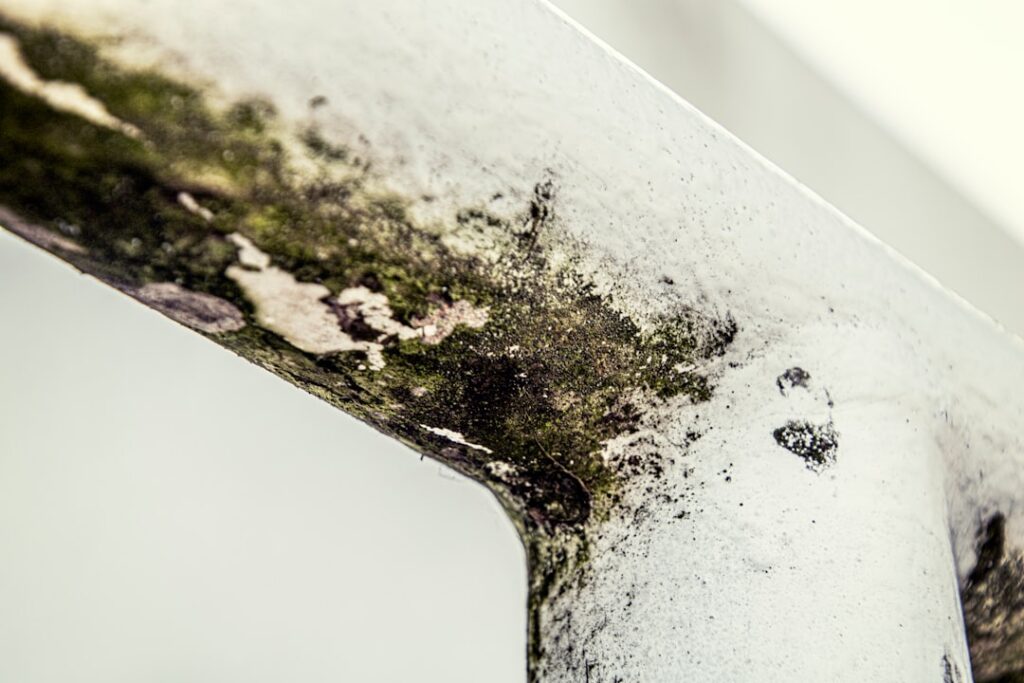
Typing “residential mold removal near me” into a search bar usually means one of two things: you have found mold and want it gone, or a musty smell has you worried enough to act. Either way, the companies that appear are not all equal, and the cheapest quote is rarely the smartest choice. Knowing what a quality local removal looks like, what it should cost, and how to vet a company protects both your wallet and your home’s air. This guide summarizes EPA and CDC guidance current as of 2026 and is informational only — consult your physician about symptoms and a certified professional for testing and remediation decisions.
Part of our Mold Removal & Remediation guide — start there for the full picture →
Is this mold, asbestos, or water damage? Get a free instant screen
Upload a clear photo of the suspect area. You'll get an instant AI screening opinion and what to do next. This is screening guidance, not a professional determination.
Screening guidance only. AI can be wrong. Confirm asbestos, mold type, or lead with lab testing or a licensed professional before acting.
What “residential mold removal near me” actually delivers
Mold removal — properly called remediation — is the process of containing, cleaning, and removing mold while fixing the moisture that caused it. A reputable local company does more than wipe away visible growth. The standard scope includes inspecting the home, mapping moisture, identifying and stopping the water source, sealing off the work area, removing porous materials that cannot be cleaned, HEPA-vacuuming and cleaning surfaces, drying the structure, and verifying the result before any rebuilding.
The EPA notes that homeowners can often handle surface mold under about 10 square feet themselves. So a good local company will tell you honestly when a problem is small enough to clean on your own — and the ones that try to sell a five-figure project for a bathroom corner are a red flag. The value of hiring locally comes when growth is extensive, hidden, in the HVAC system, or tied to flooding. For a fuller picture of what professional work covers, the overview at our mold inspection and testing hub lays out the standard process.
Inspection-first companies versus removal-only contractors
There is an important distinction worth understanding before you hire. Some companies only perform remediation; others lead with assessment. A potential conflict of interest exists when the same firm both tests for mold and gets paid to remove it, because it profits from finding as much mold as possible.
Many experts recommend separating the two roles: have an independent assessor or inspector evaluate the problem and write a scope, then hire a remediation contractor to execute it, and use the independent party again for clearance testing. For smaller, clearly visible problems this separation may be overkill, but for large or disputed jobs it provides accountability. Our guide on choosing a mold detection company explains how independent assessment keeps everyone honest.
What residential mold removal costs
Costs depend on the size, location, and cause of the growth, but industry estimates provide useful ranges.
Small jobs ($500–$1,500)
A single bathroom, a closet, a small section of wall, or a window area. These are quick, contained projects, and some fall within DIY range.
Mid-size jobs ($2,000–$6,000)
A room, significant drywall removal, an attic patch, or growth across multiple surfaces. Containment, material removal, and multi-day drying drive the cost.
Large jobs ($10,000–$30,000+)
Whole-basement contamination, flood or sewage damage, HVAC system contamination, or growth requiring extensive demolition and reconstruction. Reconstruction (replacing drywall, flooring, and finishes) often equals or exceeds the remediation itself.
Location matters too. Humid coastal and southern metros tend to run higher than dry climates, and the labor cost in your area shapes the bottom line. Always get a written, itemized scope and at least two or three quotes before deciding.
How to vet a local mold removal company
The difference between a good and a bad hire often shows up in the details. Use this checklist when comparing companies you found near you.
Credentials and training. Look for technicians trained to recognized standards such as the IICRC S520 mold remediation standard. Some states license or register mold contractors; check whether yours does and confirm the company complies.
Insurance. Confirm general liability and, ideally, pollution liability coverage. Ask for a certificate, not just a verbal assurance.
Written scope of work. A trustworthy company inspects before quoting and provides an itemized scope describing containment, what will be removed, drying targets, and how completion will be verified. Vague flat-rate quotes without an inspection are a warning sign.
Moisture diagnosis. The company should identify and address the water source, not just the visible mold. Removal without fixing moisture guarantees regrowth.
Independent clearance. The best outcomes use a third party — not the remediation crew — to verify the area is clean and dry afterward.
References and reviews. Read recent local reviews and ask for references from jobs similar to yours. Watch for patterns about communication, surprise charges, and whether the mold returned.
Clear contract. Get start and finish expectations, payment terms, and warranty language in writing. Be cautious of large upfront deposits.
Red flags to walk away from
A few behaviors should end the conversation. Be wary of any company that quotes a price without inspecting, uses scare tactics about “toxic black mold” to pressure an immediate signature, refuses to put the scope in writing, insists on full payment before work starts, or both tests and removes while discouraging independent verification. High-pressure sales and fear-based language rarely accompany quality work. The CDC and EPA both downplay species-specific “toxic mold” alarmism and emphasize that all significant indoor mold should be removed and the moisture fixed — so a salesperson leaning hard on toxicity fears is selling fear, not expertise.
Questions to ask before you hire
A short list of pointed questions separates capable local companies from the rest. Ask each candidate the following and compare the answers.
“Will you inspect before quoting?” The answer should be yes. A price given over the phone without seeing the moisture source is a guess.
“What standard do your technicians follow?” Look for the IICRC S520 mold remediation standard and relevant certifications.
“How will you contain the work area?” Expect a clear description of plastic barriers, negative air pressure, and HEPA filtration.
“What’s the moisture source, and how will you fix it?” A company that focuses only on visible mold and shrugs at the cause will leave you with regrowth.
“How will we confirm the job worked?” The strongest answer involves independent clearance testing rather than the crew grading its own work.
“Is the scope itemized in writing, and what’s the warranty?” Vague flat-rate quotes and no warranty are warning signs.
The way a company answers these tells you as much as the answers themselves. Calm, specific, standards-based responses signal competence; deflection, pressure, and fear-based selling signal the opposite.
Timeline and what to expect during the work
Knowing the rhythm of a project helps you plan. A small contained job often finishes in a single day. A mid-size project with drywall removal and multi-day structural drying typically runs three to five days. Large flood-related jobs can take a week or more for remediation alone, with reconstruction scheduled separately afterward.
During the work, expect the affected area to be sealed off with plastic, air scrubbers running continuously, and access to that part of the home restricted. Crews may set up a containment chamber at the entrance and run equipment around the clock during drying. You should receive updates on moisture readings as the structure dries, and the company should not declare the job complete until those readings hit target and any clearance test passes. If the company wants to close out before the structure is verifiably dry, push back — premature sign-off is the most common cause of mold returning.
The removal process you should expect
1. Inspection and moisture mapping. The crew documents the extent of growth and traces the water source using moisture meters and sometimes thermal imaging or a borescope.
2. Containment. Plastic sheeting and negative air pressure isolate the work zone so spores do not spread to clean rooms.
3. Removal. Unsalvageable porous materials — soaked drywall, insulation, carpet, padding — are bagged and discarded.
4. Cleaning. Remaining hard surfaces are scrubbed and HEPA-vacuumed to capture settled spores.
5. Drying. Commercial dehumidifiers and air movers bring moisture down to target levels over several days.
6. Verification. Visual inspection or independent clearance testing confirms the area is clean and dry before reconstruction begins.
What you can do yourself versus hiring out
Small surface patches on hard, nonporous surfaces are reasonable DIY projects with an N95 respirator, gloves, scrubbing, and thorough drying. The EPA notes bleach is generally unnecessary — physical removal plus drying does the work. Hire a professional when growth exceeds about 10 square feet, recurs, is in the HVAC system, or follows flooding or sewage. If you want to confirm whether your situation is small enough to clean yourself, our walkthrough on how to remediate mold outlines the dividing line.
Does insurance cover residential mold removal?
Whether your policy helps depends almost entirely on the cause of the moisture. Mold that results from a sudden, accidental, covered event — a burst supply line, an overflowing appliance hose, or a similar abrupt failure — may be covered, frequently subject to a mold sublimit that caps the payout. Mold from gradual seepage, long-term humidity, deferred maintenance, or neglected leaks is typically excluded, because insurers treat it as preventable. Flooding from rising or surface water is generally not covered by standard homeowners insurance and requires separate flood coverage.
Two practical implications follow. First, act fast when a covered event occurs: documenting the source and starting mitigation within the policy’s expected timeframe protects the claim, since delay that allows mold to spread can be cited as neglect. Second, keep the diagnosis independent. An assessment from a party that does not profit from the removal carries more credibility with an adjuster than an estimate from the company hoping to win the job. Photograph everything, save receipts, and read your policy’s mold sublimit and exclusions before assuming a given loss is covered.
Comparing quotes the right way
Lining up two or three local quotes only helps if you compare them on the same basis. Put each company’s written scope side by side and check that they describe the same square footage, the same materials to be removed, the same containment approach, and the same verification method. A cheap quote that skips containment, leaves out the moisture repair, or omits clearance testing is not actually cheaper — it is a smaller job that may not solve the problem. Conversely, a higher quote that includes independent verification and a warranty may be the better value. Price matters, but scope completeness and the company’s willingness to stand behind the work matter more.
Front Range considerations
Colorado’s dry climate keeps general mold pressure lower than in humid regions, but it does not eliminate the problem. Damp basements, window condensation in winter, plumbing leaks, and summer monsoon moisture against poorly graded foundations all create localized growth. Local remediation companies along the Front Range should still follow the same standards — independent assessment, written scope, and clearance testing — and the dry air can actually make structural drying faster once the moisture source is fixed.
When to call a professional
Reach out to a qualified local remediation company when mold is widespread, hidden behind walls, in the HVAC system, or tied to flooding or sewage, and whenever household members report respiratory symptoms that improve away from home. Prioritize companies that inspect before quoting, provide a written scope, carry proper insurance, and welcome independent clearance testing. Comparing two or three vetted local options on those criteria — not on price alone — gives you the best odds of a clean, lasting result.
References
- Mold Cleanup in Your Home — U.S. Environmental Protection Agency
- Mold Remediation Guidance — U.S. Environmental Protection Agency
- About Mold and Health Effects — Centers for Disease Control and Prevention
- Mold and Dampness Indoors — American Lung Association
Frequently asked questions
How much does residential mold removal cost near me?
Small contained jobs typically run $500 to $1,500, mid-size projects $2,000 to $6,000, and large flood or HVAC-related remediation $10,000 or more, plus reconstruction. Get a written, itemized scope and compare two or three local quotes before deciding.
Should the same company test and remove mold?
Many experts recommend separating the roles to avoid a conflict of interest, since a firm that both tests and removes profits from finding more mold. For large or disputed jobs, use an independent assessor for the scope and clearance, and a separate contractor for removal.
How do I know if a local mold removal company is legitimate?
Look for IICRC S520 training, proper liability insurance, a written scope that addresses the moisture source, and willingness to use independent clearance testing. Avoid companies that quote without inspecting, use toxic-mold scare tactics, or demand large upfront payments.
Can I just clean the mold myself instead of hiring someone?
Yes for small surface patches under about 10 square feet on hard surfaces, using an N95 respirator, scrubbing, and thorough drying. Hire a professional for larger areas, recurring growth, HVAC contamination, or flooding, where mold often hides inside walls.
If you are weighing local mold removal options on the Front Range and want an independent opinion before signing a contract, you can connect with a vetted inspector through our contact page.
Mold removal & cleanup picks
For a small, contained patch (under ~10 sq ft) these EPA-friendly removers handle surface mold. Larger or recurring growth warrants a professional assessment first.
| Product | Why | Buy |
|---|---|---|
 RMR-86 Instant Mold Stain Remover RMR-86 Instant Mold Stain Remover | Fast-acting on stains; ventilate and wear PPE. | Amazon — $29.99 |
 Concrobium Mold Control Concrobium Mold Control | No-bleach formula that also helps prevent regrowth. | Amazon — $34.27 |
 Mold Armor Mold & Mildew Remover Mold Armor Mold & Mildew Remover | Widely stocked bathroom/surface remover. | Amazon — $22.98 |