Is This Mold? What Homeowners Need to Know
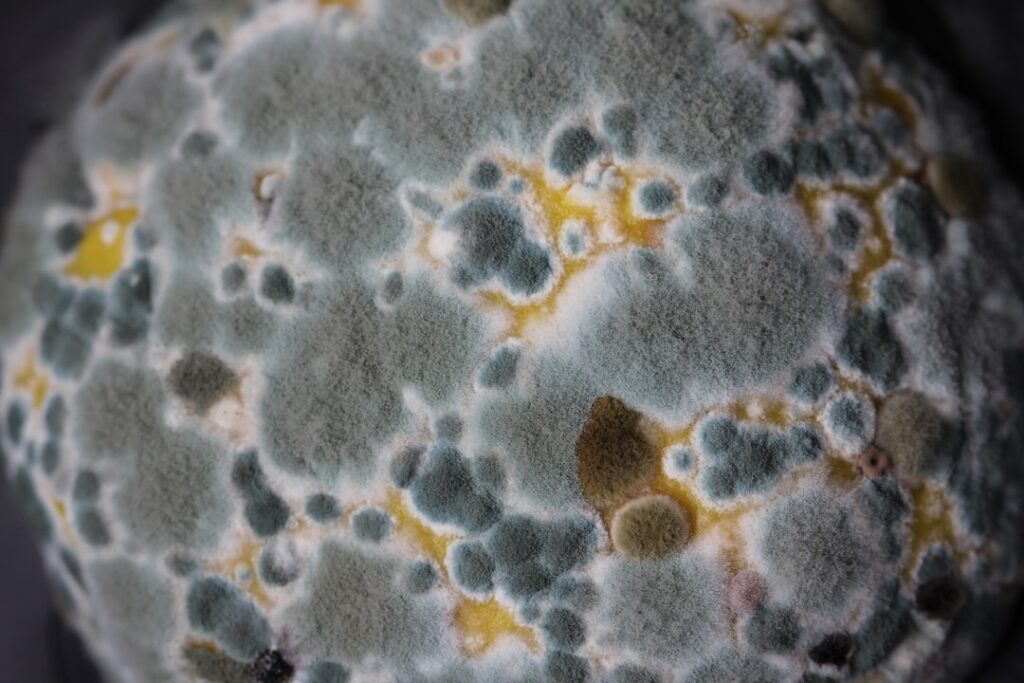
You spot a discolored patch on a wall, ceiling, or windowsill and the immediate question is: is this mold, or just dirt, water staining, or some harmless deposit? Distinguishing mold from look-alikes matters because the right response differs, and disturbing actual mold can spread spores. This guide summarizes EPA and CDC guidance current as of 2026 and is general education only, not medical advice. For health symptoms, consult your physician, and for confirmation, rely on a qualified professional and laboratory analysis.
Part of our Types of Mold guide — start there for the full picture →
Is this mold, asbestos, or water damage? Get a free instant screen
Upload a clear photo of the suspect area. You'll get an instant AI screening opinion and what to do next. This is screening guidance, not a professional determination.
Screening guidance only. AI can be wrong. Confirm asbestos, mold type, or lead with lab testing or a licensed professional before acting.
Is this mold or something else?
Mold has a few telltale traits. It is usually a soft, organic growth that can look fuzzy, slimy, or speckled, and it often appears in green, black, white, gray, or brown. It tends to grow on damp organic surfaces like drywall, wood, fabric, and grout, and it frequently comes with a musty, earthy smell. Mold may also spread outward in irregular patches over time.
The most common look-alikes are dirt and soot, which are dry and smear cleanly; efflorescence, a white crystalline mineral deposit on masonry; and mildew, which is itself a surface mold but usually thinner and flatter. Water stains are flat discolorations without texture. The presence of a musty odor and a known moisture source tilts the answer toward mold. Because color and texture can be misleading, our guides on pictures of mold and how mold looks show the range of appearances.
How can you do a careful at-home check?
There are a few cautious, low-disturbance checks that can help you lean one way or the other without spreading spores. Do them gently and wear gloves; if dust or growth seems heavy, stop and treat it as mold.
The smell test
A persistent musty, earthy odor strongly suggests mold or hidden moisture. Clean dirt and mineral deposits do not produce that smell.
The water and dissolve check
Efflorescence, the white mineral deposit on concrete and brick, typically dissolves in water and feels gritty and crystalline. Mold does not dissolve and may smear or stay put as an organic growth. This helps separate white mold from efflorescence, though it is not definitive.
The surface and location clue
Mold favors damp organic materials and shaded, poorly ventilated spots. Growth on wood, drywall, or fabric near a moisture source is more likely mold; a white deposit on bare concrete is more likely efflorescence. Our guide on whether brown mold is dangerous reinforces that color alone never settles the question.
Best At Home Mold Test Kit: our top 3 picks
| Product | Best for | Key features | Price | Buy |
|---|---|---|---|---|
| Varify 6-Pack | All-round DIY plate kit |
| $13.39as of Nov 25, 2026 9:07 pm GMT+0000 | Buy now →Check current price |
| KAYENQO 12-Test | Testing many rooms |
| $21.65as of Nov 25, 2026 9:07 pm GMT+0000 | Buy now →Check current price |
| Detekt Indoor Air Quality Kit | HVAC vents |
| $36.99as of Nov 25, 2026 9:07 pm GMT+0000 | Buy now →Check current price |


Prices are Amazon’s listed prices as of the time shown and change often; check Amazon for today’s price. As an Amazon Associate we earn from qualifying purchases.
Is this mold or mildew?
Homeowners often separate “mildew” from “mold,” but mildew is really a form of mold, typically a flat, powdery surface growth that shows up on damp surfaces like bathroom tile, shower grout, and fabrics. It is usually white, gray, or light in color and stays on the surface.
What people call “mold” in the worrying sense is often thicker, fuzzier, or slimier growth that can penetrate porous materials. The practical point is that both are fungal growth fed by moisture, and the EPA recommends cleaning up both and correcting the dampness. Mildew on a hard surface is usually easy to clean; deeper growth into porous materials more often requires removing the material.
One way to picture the difference is depth. Surface mildew sits on top of a non-porous surface like tile or glass and wipes away with cleaner. Deeper mold has rooted its filaments into a porous material like drywall or wood, so cleaning the surface leaves the network behind to regrow. That is why a stained, soft, or crumbling drywall patch usually needs to be cut out and replaced rather than scrubbed. The visible difference between a wipeable film and an embedded growth is a practical signal of how much work the cleanup will involve.
What do different colors of growth suggest?
Homeowners often fixate on color, asking whether black, green, white, or pink growth is more dangerous. The honest answer is that color is a weak guide. The same species can appear in different colors depending on its surface, age, and moisture, and many different species share a color. Black growth might be the feared Stachybotrys or might be a harmless soot smudge; white growth might be early-stage mold or mineral efflorescence; pink in a shower is often a bacterium rather than mold at all.
Because color does not reliably indicate species or danger, the EPA’s guidance treats all indoor mold the same way: clean it up and fix the moisture. Spending energy worrying about which color is worst is less productive than addressing the growth and its water source. If you genuinely need to know the species, for an insurance claim or a sensitive occupant, that calls for professional lab sampling, not a color judgment from across the room. The principle that color does not settle the question is reinforced in our guide on the difference between fungus and mold.
Why does it matter what it is?
Correctly identifying the patch shapes both the urgency and the fix. If it is dirt or a harmless stain, simple cleaning resolves it. If it is efflorescence, the real issue is water moving through masonry, so you address drainage and moisture rather than scrubbing repeatedly. If it is mold, you need to clean it safely and, crucially, fix the moisture source so it does not return.
There is also a safety reason to identify it before scrubbing: aggressively cleaning actual mold, especially dry brushing, can release a burst of spores into the air. Treating an unknown growth cautiously, as if it could be mold, protects indoor air quality while you figure out what it is. When growth is hidden or extensive, our guide on hidden mold in a house explains the larger picture.
What should you do if it is mold?
Follow the EPA’s two-part approach: remove the mold and fix the moisture feeding it. For hard surfaces under about 10 square feet, the EPA says homeowners can often clean with detergent and water, then dry thoroughly, while wearing gloves, eye protection, and an N95 respirator. Avoid dry brushing, which sends spores airborne.
Porous materials that are heavily affected, such as soaked drywall, carpet, or ceiling tile, usually need to be removed and replaced rather than cleaned. Then chase the moisture: fix leaks, lower indoor humidity, improve ventilation, and address crawl-space or foundation dampness. Cleaning without correcting the water source nearly guarantees the growth returns. For larger or recurring problems, professional remediation is the appropriate step, as covered in our mold inspection and testing hub.
Is this mold or just dust and soot?
Dark smudges on walls and ceilings are not always mold. Soot from candles, fireplaces, or cooking can leave gray-to-black deposits, and a phenomenon called ghosting or thermal tracking deposits dust along studs and ceiling joists where surfaces are slightly cooler. These look like dark lines or patches that can be mistaken for mold.
A few clues help distinguish them. Soot and dust are dry, smear when wiped, and lack the musty smell of mold. They often appear in patterns tied to airflow or framing rather than moisture, such as straight lines following ceiling joists. Mold, by contrast, favors damp spots, may feel slightly slimy or fuzzy, does not wipe away cleanly, and usually carries an earthy odor. When the pattern follows heat and airflow rather than water, dust or soot is the more likely culprit, though when in doubt the cautious approach is to treat it as mold and avoid creating dust.
Is this mold or water staining?
Water stains are flat discolorations, often yellow, brown, or tan, left where water has soaked into and dried on a surface like a ceiling or drywall. They mark where water has been, but a stain by itself is not living growth. The concern is that the moisture that caused the stain may also have fed mold, either at the stain or hidden behind the surface.
The practical difference is texture and activity. A water stain is flat and dry with no fuzz or slime, while mold is a textured organic growth. Finding a water stain should prompt two questions: is the leak that caused it fixed, and is there mold associated with it, possibly out of sight behind the wall or ceiling? A stain is best treated as evidence of a past or ongoing moisture problem worth investigating, since where there has been water, mold may have followed.
How can you confirm what it is without making it worse?
The safest confirmation approach avoids disturbing the growth. Use your senses first: a musty smell strongly favors mold, while a clean or smoky smell favors dust or soot. Note the location and pattern: moisture-linked spots favor mold; airflow- or framing-linked patterns favor dust. A gentle, gloved touch can tell you whether the deposit smears dry like dust or resists like an organic growth, but avoid scrubbing.
If these checks leave you uncertain, or if the area is large, the reliable next step is professional assessment with sampling rather than aggressive do-it-yourself testing. A professional can confirm whether it is mold, identify the moisture source, and arrange lab analysis if documentation is needed. The guiding principle is to treat an unknown growth as if it could be mold, protecting indoor air quality while you determine what you are actually dealing with.
When to call a professional
Call a qualified mold professional when you cannot tell what the growth is, when it covers a large area, when it keeps coming back, when it follows flooding or a hidden leak, or when household members have health concerns. A professional can identify the growth, locate the moisture source, and, where documentation is needed, arrange laboratory sampling.
For Front Range homeowners, the safest mindset when asking “is this mold?” is to treat an unknown growth cautiously until you know. Avoid creating dust, look for the musty smell and moisture clues, and bring in a professional when the answer is unclear or the area is large. That approach protects both your home and the air inside it.
What if the spot keeps coming back?
A growth that returns after you clean it is telling you something important: the moisture feeding it has not been resolved. This is true whether the spot is mold, mildew, or efflorescence. Mold and mildew regrow because the dampness remains, and efflorescence reappears because water is still moving through the masonry and depositing minerals as it evaporates. In every case, recurrence points back to an unaddressed water source.
So if you find yourself cleaning the same spot repeatedly, shift your attention from the surface to the cause. Look for the leak, the condensation, the drainage problem, or the humidity that keeps the area wet. Fixing that source is what finally stops the cycle. Repeated cleaning without correcting the moisture is effort spent on the symptom while the underlying problem persists, which is why every authoritative source pairs cleanup with moisture control as inseparable steps.
The recurrence test can even help you identify what you are dealing with. A spot that returns quickly after a thorough cleaning, especially in a damp area with a musty smell, behaves like living mold drawing on a steady moisture supply. A white deposit that reappears on bare masonry as water continues to migrate through it behaves like efflorescence. A dark mark that stays gone once wiped and never had an odor was probably dust or soot all along. Watching how a spot responds over time, in other words, adds evidence that a single glance cannot, and it reinforces the same conclusion: the moisture behind the growth is what determines both what it is and whether it comes back. If you do run this informal observation, keep it low-disturbance, since repeatedly scrubbing a suspected mold patch can spread spores; gentle wiping and noting the result is enough to learn how it behaves without making the situation worse.
More Questions About Identifying Mold
Can mold grow on concrete?
Yes, mold can grow on concrete, though concrete itself is not a food source. Growth on basement walls and slabs usually feeds on dust, dirt, soap residue or organic debris on the surface, combined with moisture coming through the concrete or condensing on it. Fuzzy growth on concrete is often mold, while white crystalline deposits are usually efflorescence. Concrete mold can typically be scrubbed off with detergent and water. Lasting control requires reducing moisture with better drainage, gutters directed away from the foundation and a dehumidifier.
Is black spotting on window sills mold?
Black spotting on window sills and frames is very often mold, caused by condensation that forms when warm, humid indoor air meets cold glass in winter. Water runs down to the sill and track, where dust gives mold a food source. Small amounts on vinyl, aluminum or painted wood can usually be wiped away with detergent and water. Reducing indoor humidity, opening blinds and curtains to let air reach the glass, and running bathroom and kitchen fans help. Soft or darkened wood around the sill may indicate rot that needs repair.
What does early mold look like on a wall?
Early mold on a wall usually looks like small clusters of gray, black, green or brown specks, sometimes in a fuzzy or speckled patch rather than a smooth stain. It often appears first on cold exterior walls, behind furniture pushed against a wall, in corners near the ceiling and around windows where condensation collects. Paint may bubble or peel above the spots if moisture is coming through the wall. Catching it early matters, because small surface growth on painted drywall can often be cleaned, while long-term growth usually soaks into the paper facing.
Is it safe to stay in a house with mold?
For most healthy people, a small patch of surface mold is not a reason to leave a home, but it should be cleaned and its moisture source fixed promptly. People with asthma, allergies, lung disease or weakened immune systems can react more strongly and may want to avoid the affected area until cleanup is finished. Large areas of growth, mold after flooding or sewage backups, or growth spreading through the HVAC system call for professional assessment. Anyone with ongoing breathing symptoms should talk to a doctor about the possible connection.
References
- Mold cleanup in your home — U.S. EPA
- Mold identification and health — CDC
- A brief guide to mold and moisture — U.S. EPA
- Mold and human health — NIEHS
Frequently asked questions
How do I know if a spot is mold or just dirt?
Mold is usually a soft, organic growth that looks fuzzy, slimy, or speckled, grows on damp surfaces, and often carries a musty smell. Dirt and soot are dry and smear cleanly without odor. A musty smell plus a known moisture source points toward mold; when unsure, treat it cautiously as mold.
Is this white spot mold or efflorescence?
Efflorescence is a white crystalline mineral deposit on concrete or brick that dissolves in water and feels gritty. Mold is an organic growth that does not dissolve and favors wood, drywall, and fabric. The dissolve test helps but is not definitive, so professional sampling can confirm.
What is the difference between mold and mildew?
Mildew is a form of mold, typically a flat, powdery surface growth in white or gray on damp tile, grout, and fabric. What people call mold in the worrying sense is often thicker, fuzzier growth that penetrates porous materials. The EPA recommends cleaning up both and fixing the moisture.
What should I do once I confirm it is mold?
Remove the mold and fix the moisture feeding it. For hard surfaces under about 10 square feet, the EPA says homeowners can clean with detergent and water, dry thoroughly, and wear gloves, eye protection, and an N95 respirator. Heavily affected porous materials usually need replacement, and large problems need professionals.
Can mold grow in a house that has no leaks?
Yes, mold can grow without a leak when indoor humidity stays high, usually above about 60 percent for long periods. Condensation on cold walls, windows and closets, poor bathroom ventilation and drying laundry indoors can all provide enough moisture. Keeping humidity between roughly 30 and 50 percent helps prevent this.
How fast does mold grow after water damage?
Mold can begin growing on wet materials within 24 to 48 hours after water damage, which is why fast drying matters. Visible colonies often appear within a week or two. Drying wet materials completely within the first two days greatly lowers the chance of growth taking hold.
Does a home test kit confirm whether a spot is mold?
A home test kit can suggest mold is present, but settle plates and swab kits often grow mold from normal background spores, so a positive result says little on its own. A visual check, moisture readings and, where needed, a professional inspection with accredited lab analysis give more useful answers.
If you cannot tell whether that patch in your Front Range home is mold, connect with a vetted mold professional through our contact page before you scrub and risk spreading spores.