How Does Mold Look Like? A Plain-Language Guide
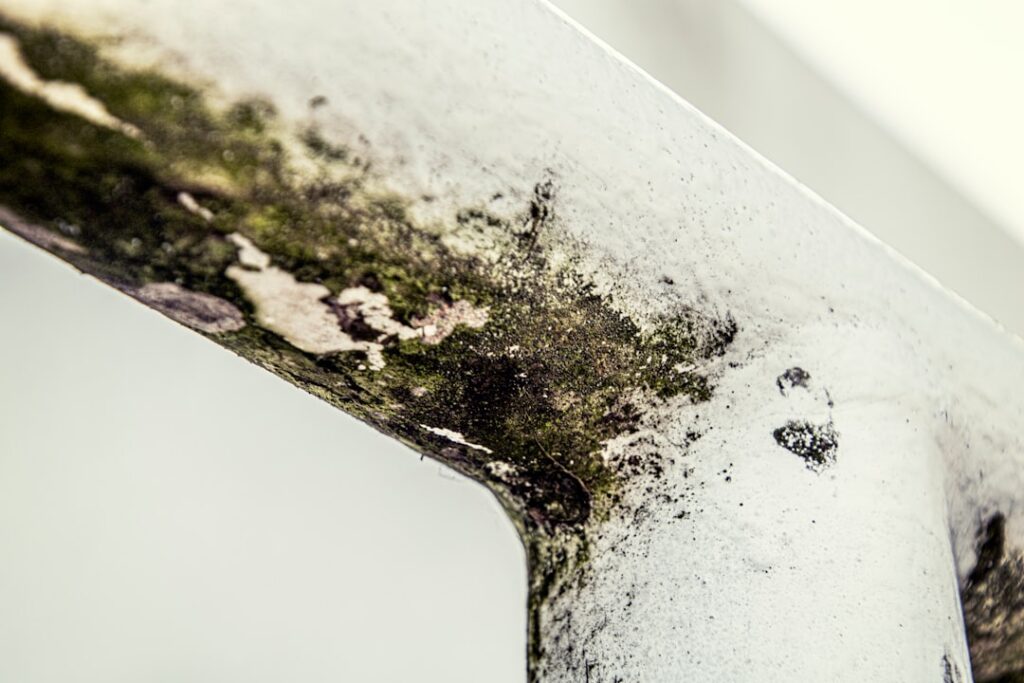
Spotting mold early can save a homeowner thousands in repairs and a lot of worry, but mold does not always look the way people expect. It is not always black and fuzzy. It hides in colors and textures that get mistaken for dirt, water stains, or even normal aging. If you are asking how does mold look like in a home, this guide walks through the visual signs that distinguish actual mold growth from harmless marks, and what to do when you find it. It summarizes EPA and CDC guidance current as of 2026 and is informational only; a professional assessment confirms what a photo or glance cannot.
Is this mold, asbestos, or water damage? Get a free instant screen
Upload a clear photo of the suspect area. You'll get an instant AI screening opinion and what to do next. This is screening guidance, not a professional determination.
Screening guidance only. AI can be wrong. Confirm asbestos, mold type, or lead with lab testing or a licensed professional before acting.
How Does Mold Look Like in a Home?
Mold typically shows up as irregular patches or spots in colors ranging from black and green to white, gray, brown, orange, pink, or even purple. The texture varies too. It can look fuzzy, slimy, powdery, or velvety depending on the type and how wet the surface is. The defining trait is usually that it grows in a spreading, blotchy pattern on a surface that has been damp.
That variety is exactly why mold is so often missed. People expect the classic dark, furry growth, but a thin film of white or gray on a basement wall, or a pinkish slime in a shower, is also mold. The CDC notes that there are many types of indoor mold, and they do not share a single appearance. Color alone does not identify the species and does not reliably indicate how hazardous a growth is.
Because appearance varies so widely, the safest mindset is to treat any unexplained discoloration on a damp surface as possible mold until proven otherwise. Our guide showing real pictures of mold helps train the eye to recognize it.
Colors of Mold and What They Suggest
Color can hint at conditions, even though it cannot confirm a species by sight. Here is how the common appearances tend to break down.
- Black or dark green growth is the most recognized and often appears on chronically wet drywall, wood, or grout.
- White mold can look powdery or stringy and is common in crawl spaces and on wood; it is sometimes mistaken for efflorescence, a salt deposit.
- Green mold is extremely common and shows up on many surfaces, including food, walls, and damp wood.
- Gray or brown patches blend into surfaces and are easy to overlook.
- Orange or pink growth, often slimy, frequently appears in bathrooms and around drains.
A key caution: color does not tell you how dangerous a mold is. The EPA advises against trying to judge health risk by color, and recommends that all indoor mold be cleaned up regardless of type. The right response to mold is removal of the growth and correction of the moisture, not a color-based risk assessment.
Texture and Pattern Clues
Beyond color, the texture and growth pattern help distinguish mold from look-alikes. Fuzzy or velvety surfaces strongly suggest active fungal growth. Slimy or wet-looking films are common in continuously moist areas like showers. Powdery deposits can be mold but can also be efflorescence on masonry.
Pattern matters too. Mold tends to spread in irregular, organic-looking blotches that grow over time, often radiating from a moisture source. A perfectly straight line or a uniform stain is more likely a water mark or settling dust. If a spot is expanding week to week on a damp surface, that growth behavior points toward mold rather than a static stain.
Smell adds a non-visual clue. A musty, earthy odor often accompanies mold even when the growth is hidden behind walls or under floors. A strong musty smell with no visible growth can mean mold is present out of sight.
Where Mold Tends to Grow
Mold follows moisture, so it concentrates in predictable places. Knowing the usual locations helps you check the right spots before a small problem spreads.
Bathrooms are prime territory, especially grout, caulk, ceilings, and around tubs and showers. Basements and crawl spaces collect moisture and frequently grow white or dark mold on joists and walls. Kitchens harbor mold under sinks and around appliances. Window sills and frames condense moisture and grow mold along the edges. Anywhere a roof leak, plumbing leak, or flood has occurred is a high-risk zone.
Crawl spaces deserve special attention because mold there is easy to miss and can affect the whole home’s air. Our overview of crawl space mold covers that hidden risk in detail.
Mold Versus Harmless Look-Alikes
Not every dark spot is mold, and confusing the two leads to needless alarm or false reassurance. Several common marks mimic mold.
Efflorescence is a white, crystalline salt deposit that appears on concrete and brick as water moves through and evaporates. It looks like white mold but is mineral, not biological, and usually brushes off as a dry powder. Dirt and soot can streak walls in dark patterns that resemble mold but lack the fuzzy texture and do not spread. Water stains leave brown or yellow rings but are flat and dry rather than growing.
A simple field check some homeowners use is whether the spot wipes away cleanly and stays gone, or returns and spreads. Persistent, spreading growth on a damp surface leans toward mold. Still, the only definitive answer comes from professional assessment or testing, since some look-alikes are genuinely hard to tell apart.
What to Do When You Find Mold
Finding mold is not a crisis, but it does call for action. The first and most important step is to address the moisture source, because mold cannot grow without it. A leak, condensation problem, or humidity issue left in place will simply regrow mold after any cleanup.
For small areas, the EPA notes that homeowners can often clean hard surfaces themselves with appropriate precautions, while larger growth, anything over roughly a 10-square-foot area, generally warrants professional remediation. Porous materials like soaked drywall or carpet that are heavily contaminated usually need replacement rather than cleaning.
If you are unsure how extensive the problem is, or if it keeps returning, a professional mold inspection can identify the source and the full scope. Hidden mold behind walls or under floors is common, and a musty smell without visible growth is a reason to investigate.
Why Hidden Mold Often Looks Like Nothing at All
The most important thing to understand about mold’s appearance is that the worst growth is often the growth you cannot see. Mold thrives in dark, damp, undisturbed places, which means behind drywall, under flooring, inside wall cavities, and beneath insulation are exactly where it flourishes out of view. A wall that looks pristine can conceal extensive growth on its back side.
This is why visible appearance is only part of the picture. Several non-visual clues point to hidden mold even when there is nothing to see. A persistent musty, earthy smell is the strongest, since it is the byproduct of active growth and often precedes any visible sign. A history of water damage, a leak that was patched but never fully dried, or chronic high humidity all raise the odds of hidden growth.
Warped or discolored drywall, peeling paint, and a clammy feel to a room can also signal moisture behind surfaces. When these clues appear without visible mold, the right response is investigation rather than reassurance. A professional can use moisture meters and, where appropriate, look behind surfaces to find what a glance cannot. Relying on appearance alone in these situations misses the problem entirely.
What to Do Before You Touch a Suspect Spot
When you find something that might be mold, the instinct is often to scrub it immediately. A short pause first leads to better results. Disturbing mold can release spores into the air, so a little planning protects both the cleanup and your indoor air.
Start by considering the size and surface. Small growth on a hard, non-porous surface like tile or sealed wood is usually within reach of a homeowner with proper precautions: ventilation, gloves, and eye protection. Larger areas, generally more than about 10 square feet per EPA guidance, or growth on porous materials like soaked drywall and carpet, point toward professional remediation or material replacement rather than surface cleaning.
Crucially, identify the moisture source before or alongside any cleanup. Cleaning mold without fixing the leak, condensation, or humidity that fed it simply resets the clock until it returns. Many homeowners scrub the same spot repeatedly without realizing the real problem is a hidden moisture source that keeps the surface damp. Solving the moisture is what makes the cleanup stick. If you cannot find the source, or the growth keeps coming back, that is a strong signal to bring in a professional who can trace it.
Front Range Considerations
Colorado’s dry air leads many homeowners to assume mold is not a local concern, but indoor moisture problems do not depend on the outdoor climate. Plumbing leaks, ice dams, snowmelt intrusion, and poorly ventilated bathrooms create damp conditions that grow mold even in a dry state.
Crawl spaces and basements in older homes across Denver, Jefferson, Arapahoe, and Boulder counties are common sites for mold that goes unnoticed for months. Sudden indoor humidity swings from heating and cooling can also produce condensation that feeds growth. When you spot suspect discoloration or catch a musty odor in a Front Range home, treating it promptly keeps a minor issue from becoming a major repair.
Winter conditions deserve a specific mention. When homes are sealed up tight against the cold, indoor humidity from cooking, bathing, and breathing has fewer ways to escape, and it can collect on cold surfaces. Windows, exterior walls, and unheated corners become condensation points where mold finds the dampness it needs. North-facing rooms and closets along exterior walls are classic spots for winter growth in Front Range homes. Watching those areas during the cold months, improving ventilation where humidity collects, and wiping down condensation before it lingers all help keep seasonal moisture from turning into a mold problem you discover only when spring arrives.
Why Appearance Alone Should Not Drive Your Response
It is worth stepping back to a principle that ties this whole topic together: how mold looks should inform whether you investigate, but it should not by itself determine how alarmed you are or how you respond. Health authorities are consistent on this, advising that all indoor mold be cleaned up and the moisture corrected, regardless of color or apparent type.
This matters because appearance is genuinely misleading. A small, alarming-looking black patch on a hard surface may be a minor, easily cleaned issue, while a faint, easy-to-miss film could sit in front of extensive hidden growth fed by a serious leak. Judging severity by how scary a spot looks leads people to overreact to trivial growth and underreact to consequential growth.
The more reliable measures of severity are the extent of the growth, whether it is on porous or non-porous material, and the nature of the moisture source behind it. A large area, growth that has soaked into drywall or carpet, or a persistent moisture problem all signal a situation that warrants more than a quick wipe. A small spot on tile fed by easily corrected condensation is a different matter entirely.
So the useful role of knowing what mold looks like is detection: it helps you notice growth you might otherwise dismiss as dirt or a stain. Once you have noticed it, the response should be guided by scope, surface, and moisture, not by color. That shift in thinking, from appearance to those practical factors, is what leads homeowners to handle mold sensibly rather than either panicking or ignoring it.
References
- Mold Cleanup in Your Home — U.S. Environmental Protection Agency
- About Mold and Health — Centers for Disease Control and Prevention
- A Brief Guide to Mold, Moisture and Your Home — U.S. Environmental Protection Agency
If you have spotted suspect growth or a musty smell in a Front Range home, get in touch here to connect with a vetted local inspector who can identify the source.